Igreja de São Pedro Óbidos Portugal
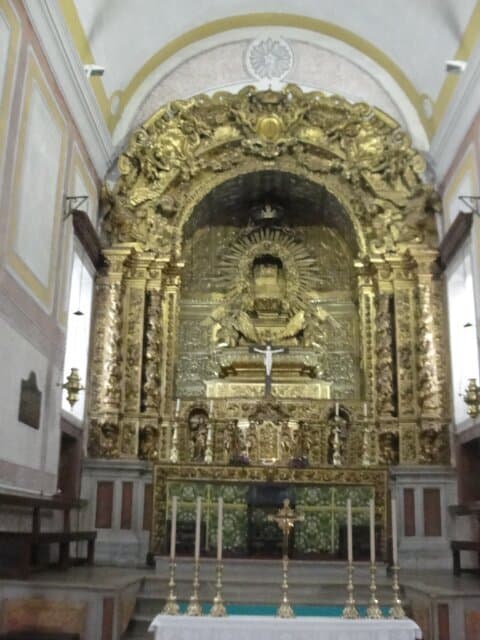
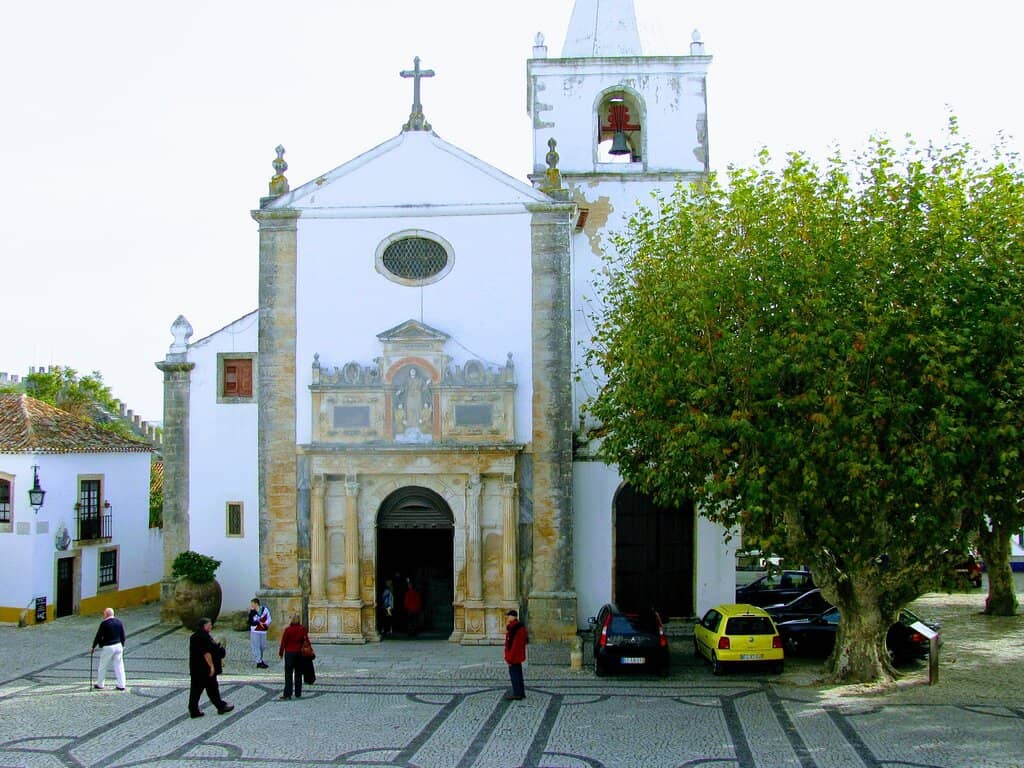
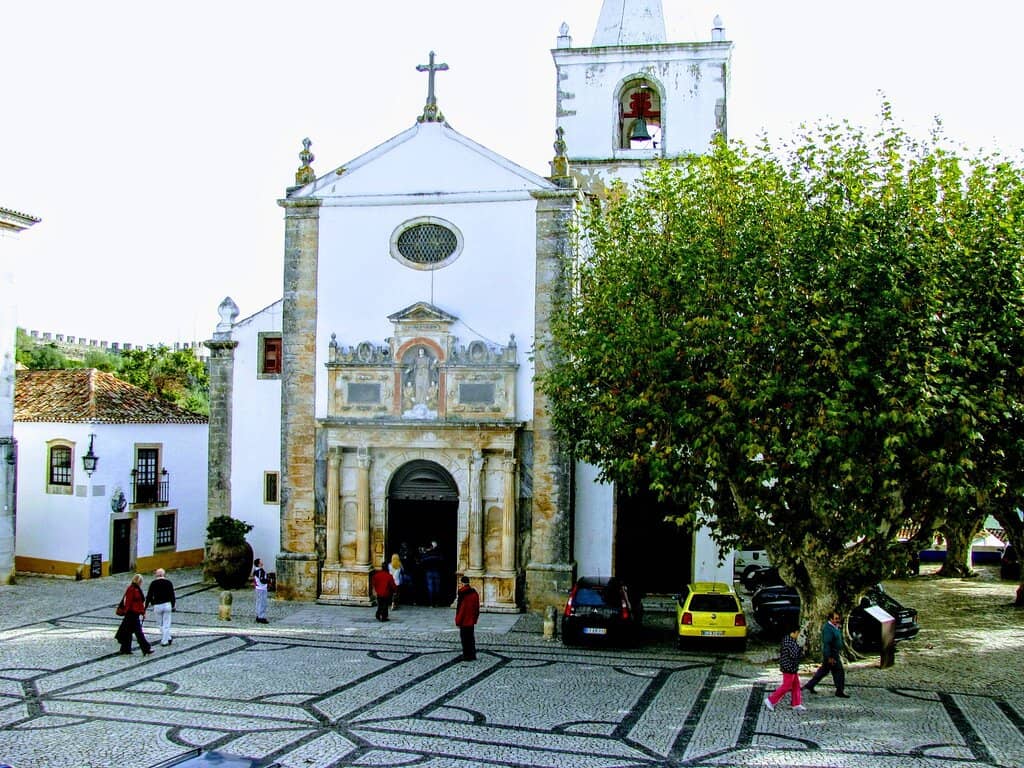
A historic 13th-century church in Óbidos, showcasing a stunning Baroque altarpiece and intricate azulejo tiles.
Highlights
Must-see attractions

Social
From TikTok & Reddit
Best Time
Fewer crowds, peaceful exploration
Igreja de São Pedro Óbidos Portugal
Best Time
Fewer crowds, peaceful exploration
Highlights
Must-see attractions
A historic 13th-century church in Óbidos, showcasing a stunning Baroque altarpiece and intricate azulejo tiles.
"Certainly worth visiting this church and especially the altarpiece."
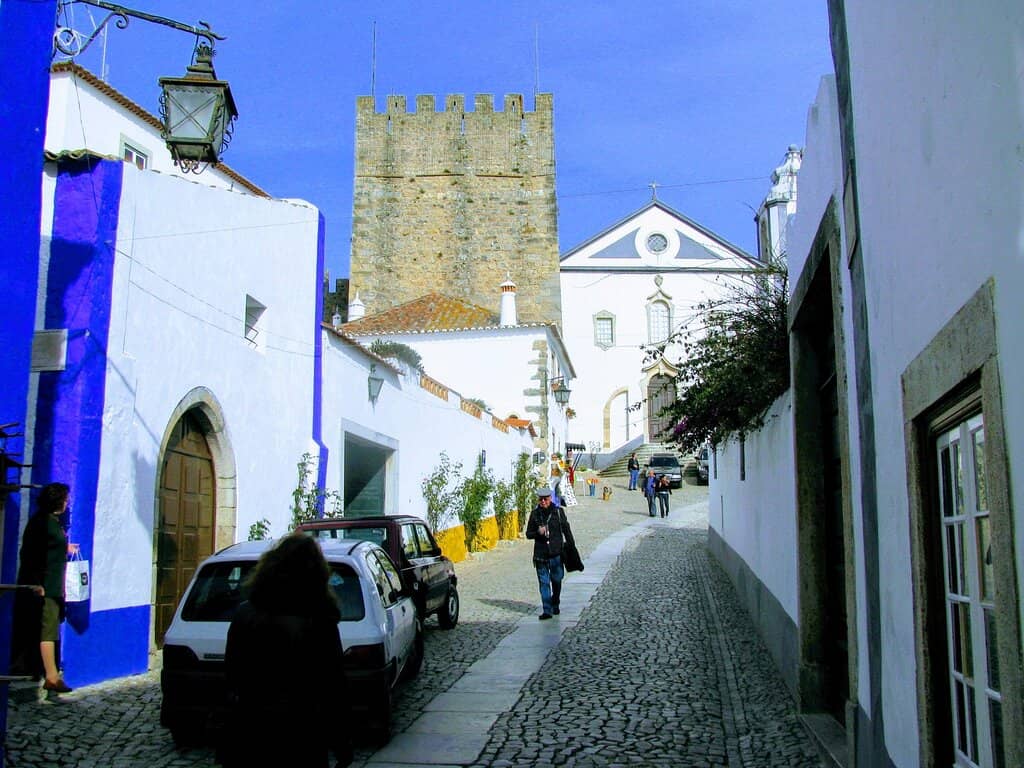
👟 Comfortable Footwear is Key
Cobblestone streets are charming but uneven. Prioritize comfort for exploring Obidos' historic lanes.
✨ Don't Overlook This Gem
While Santa Maria Church is popular, São Pedro offers a more intimate experience with stunning art.
Quick Facts
Rating
4.5 · 57 reviews
Type
Church
Highlights
Discover the most iconic attractions and experiences
Baroque Altarpiece
Interior
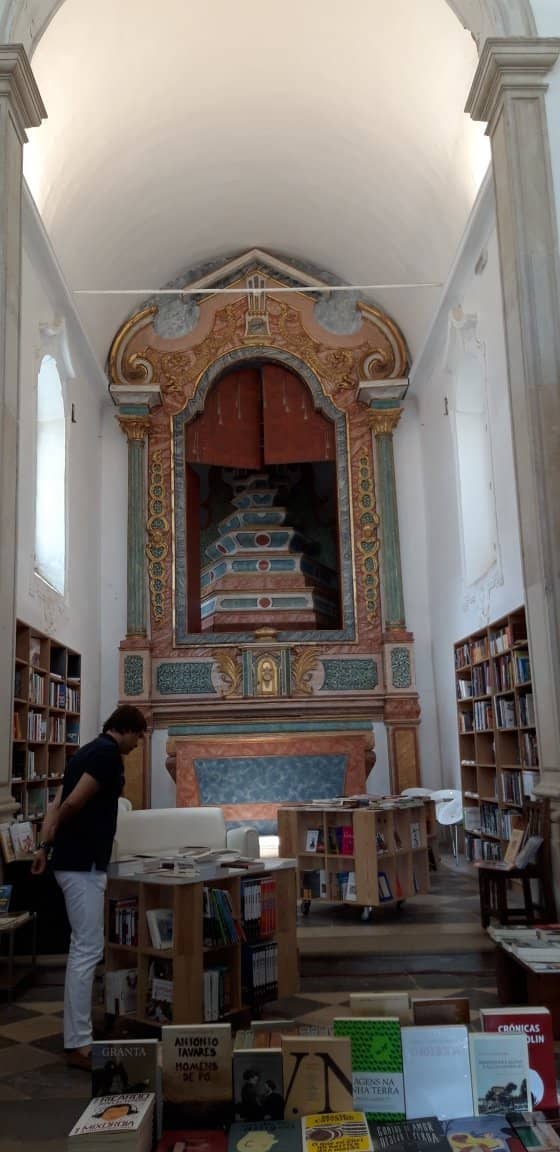
A stunning gilt carved altarpiece from the Baroque period, a true artistic gem.
Azulejo Tiles
Interior walls
Beautiful 17th-century blue and white azulejo tiles depicting religious scenes create a serene atmosphere.
Resting Place of Josefa de Óbidos
Interior
The church is the final resting place of the famous local painter, Josefa de Óbidos.

Plans like a pro.
Thinks like you
Planning Your Visit
Timing Your Visit to Obidos
Navigating Obidos' Charm
Best Times
Insider Tips
from TikTok, Instagram & Reddit
👟 Comfortable Footwear is Key
Cobblestone streets are charming but uneven. Prioritize comfort for exploring Obidos' historic lanes.
✨ Don't Overlook This Gem
While Santa Maria Church is popular, São Pedro offers a more intimate experience with stunning art.
🕰️ Check Opening Hours
Some visitors report not being able to get in due to limited hours. Plan your visit accordingly.
🖼️ Appreciate the Artistry
Take time to admire the Baroque altarpiece and the intricate azulejo tiles inside.
Tips
from all over the internet
👟 Comfortable Footwear is Key
Cobblestone streets are charming but uneven. Prioritize comfort for exploring Obidos' historic lanes.
✨ Don't Overlook This Gem
While Santa Maria Church is popular, São Pedro offers a more intimate experience with stunning art.
🕰️ Check Opening Hours
Some visitors report not being able to get in due to limited hours. Plan your visit accordingly.
🖼️ Appreciate the Artistry
Take time to admire the Baroque altarpiece and the intricate azulejo tiles inside.
What Travellers Say
Reviews Summary
Igreja de São Pedro is a charming, often overlooked gem in Óbidos, praised for its beautiful Baroque altarpiece and intricate 17th-century azulejo tiles. While smaller and simpler than Santa Maria Church, its intimate atmosphere and artistic details offer a rewarding experience. Some visitors note that opening hours can be inconsistent, so planning is advised.
"Saint Peter’s church in Obidos is often overlooked because of the spectacular Saint Mary’s with its blue and white tiled interior. It was originally built in the 13th century, but after several earthquakes has been rebuilt several times. There is a beautiful gilt carved altarpiece from the baroque period. It is beautifully proportioned, and it’s barrel vaulted ceiling is beautiful and balances the building with its simplicity and height. It is certainly worth visiting this church and especially the altarpiece."
G Mac
"Built in the century. XIII-XIV, it was a Gothic basilica with three naves, with porch and staircase, in the main outer portico. It was the headquarters of the Collegiate Church of S. Pedro.
It collapsed with the 1755 earthquake, leaving only the high altar in gilded woodwork with a throne (1690-1705) and the bell tower with a spiral-shaped stone staircase. Its subsequent reconstruction was very simple. It has an excellent altarpiece of São Pedro by the painter João da Costa.
The painter Josepha de Óbidos and the sacred orator Beneficiado Rafael Silveira Malhão are buried here."
Artur Victoria
"São Pedro Church a charm church on this medieval town, beautiful structure in the outside, inside the design and decoration are spectacular, nice tiled walls and gorgeous altar."
Julito R
What People Like
What People Dislike
Frequently Asked Questions
🚇 🗺️ Getting There
Igreja de São Pedro is located within the medieval walled town of Óbidos. If you're arriving by car, park outside the walls and walk in. The church is easily accessible on foot once inside the town.
Yes, Óbidos is a very walkable town. The streets are cobblestoned and can be uneven, so comfortable shoes are recommended. The church is centrally located within the town.
Buses run regularly from Lisbon to Óbidos. Once you arrive at the Óbidos bus station, it's a short walk to the town entrance and then to the church.
🎫 🎫 Tickets & Entry
Entry to Igreja de São Pedro is generally free, as it is a functioning church. However, it's always a good idea to check for any specific event schedules or potential small entry fees during special occasions.
Opening hours can vary, and some visitors have reported not being able to enter due to limited access. It's advisable to check local listings or visit during typical daytime hours.
Typically, there is no admission fee to enter Igreja de São Pedro. It's a place of worship, and access is usually open to visitors during service times or designated visiting hours.
You can usually visit during religious services, but it's important to be respectful of worshippers. Some services, like the Adoration of the Cross on Good Friday, are public events.
📸 📸 Photography
Photography is generally permitted inside churches for personal use, but it's always best to be discreet and avoid flash photography, especially during services.
Focus on capturing the intricate details of the Baroque altarpiece and the beautiful azulejo tiles that adorn the walls. The barrel-vaulted ceiling also offers a unique perspective.
While not always explicitly stated, it's courteous to refrain from intrusive photography, particularly during religious ceremonies.
🎫 🏛️ History & Architecture
Originally Gothic from the 13th century, the church has undergone significant renovations, especially after earthquakes. Much of what you see today is from the 18th century, with a notable Baroque altarpiece and 17th-century azulejo tiles.
The church was originally built in the 13th century. It has been rebuilt and modified several times over the centuries due to damage from earthquakes.
The church is the burial site of the renowned local painter Josefa de Óbidos and the sacred orator Beneficiado Rafael Silveira Malhã.
The church features an excellent altarpiece of São Pedro by the painter João da Costa, dating from the Baroque period, and is considered a significant artistic highlight.


Social
from TikTok, Instagram & Reddit