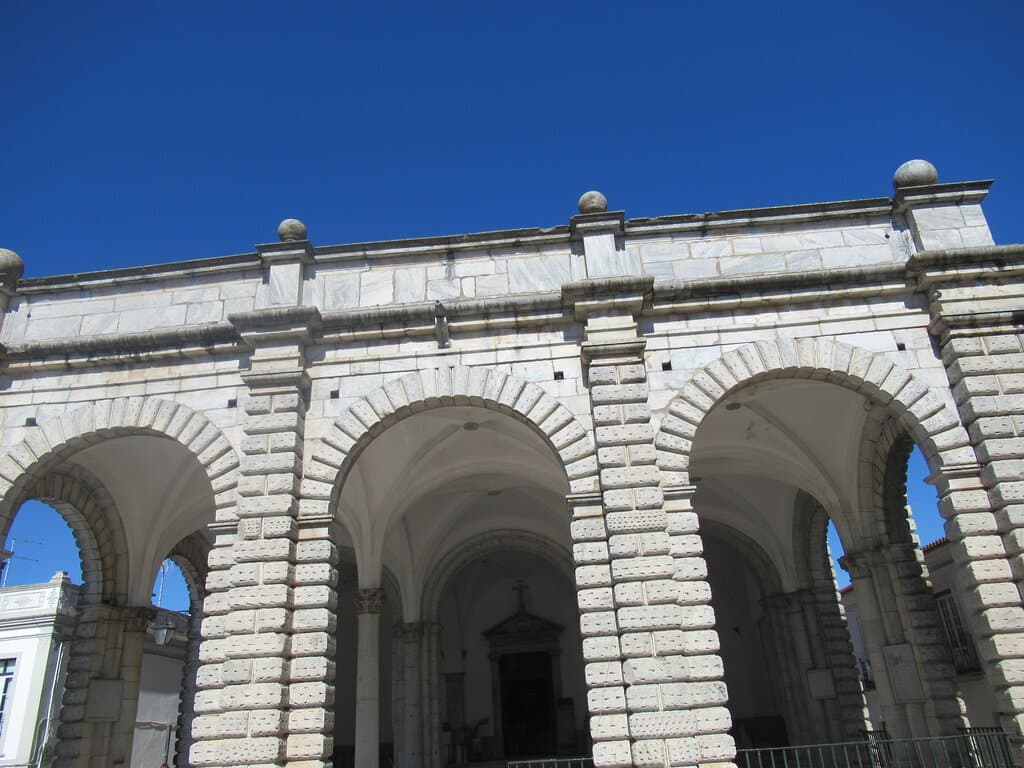
Igreja da Misericórdia Beja
A 16th-century Renaissance marvel in Beja, uniquely transformed from a market into a stunning church.

Highlights
Must-see attractions

Social
From TikTok & Reddit
Best Time
Fewer crowds, peaceful exploration
Igreja da Misericórdia Beja
Best Time
Fewer crowds, peaceful exploration
Highlights
Must-see attractions
A 16th-century Renaissance marvel in Beja, uniquely transformed from a market into a stunning church.
"A beautiful Renaissance building with a fascinating history, once a market, now a church."
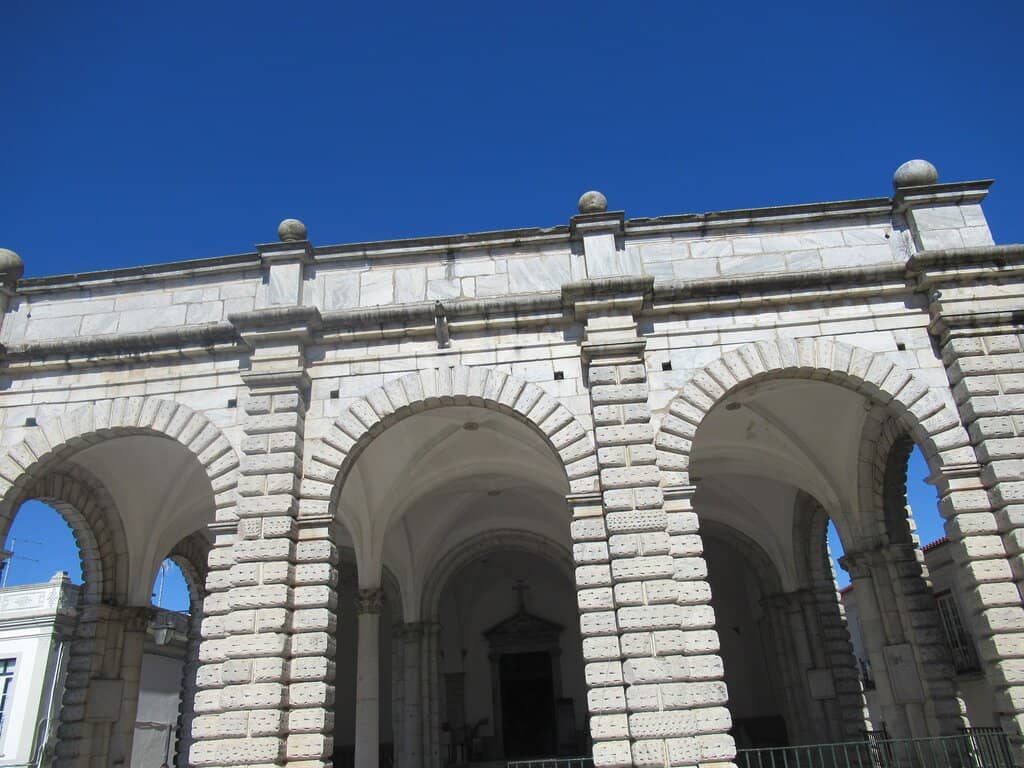
Admire the Loggia First
Take time to appreciate the exterior loggia; it's the building's most striking feature.
Understand its History
Learn about its unique past as a market before becoming a church.
Quick Facts
Rating
4.2 · 9 reviews
Type
Tourist Attraction
Highlights
Discover the most iconic attractions and experiences
The Renaissance Loggia
Exterior Facade
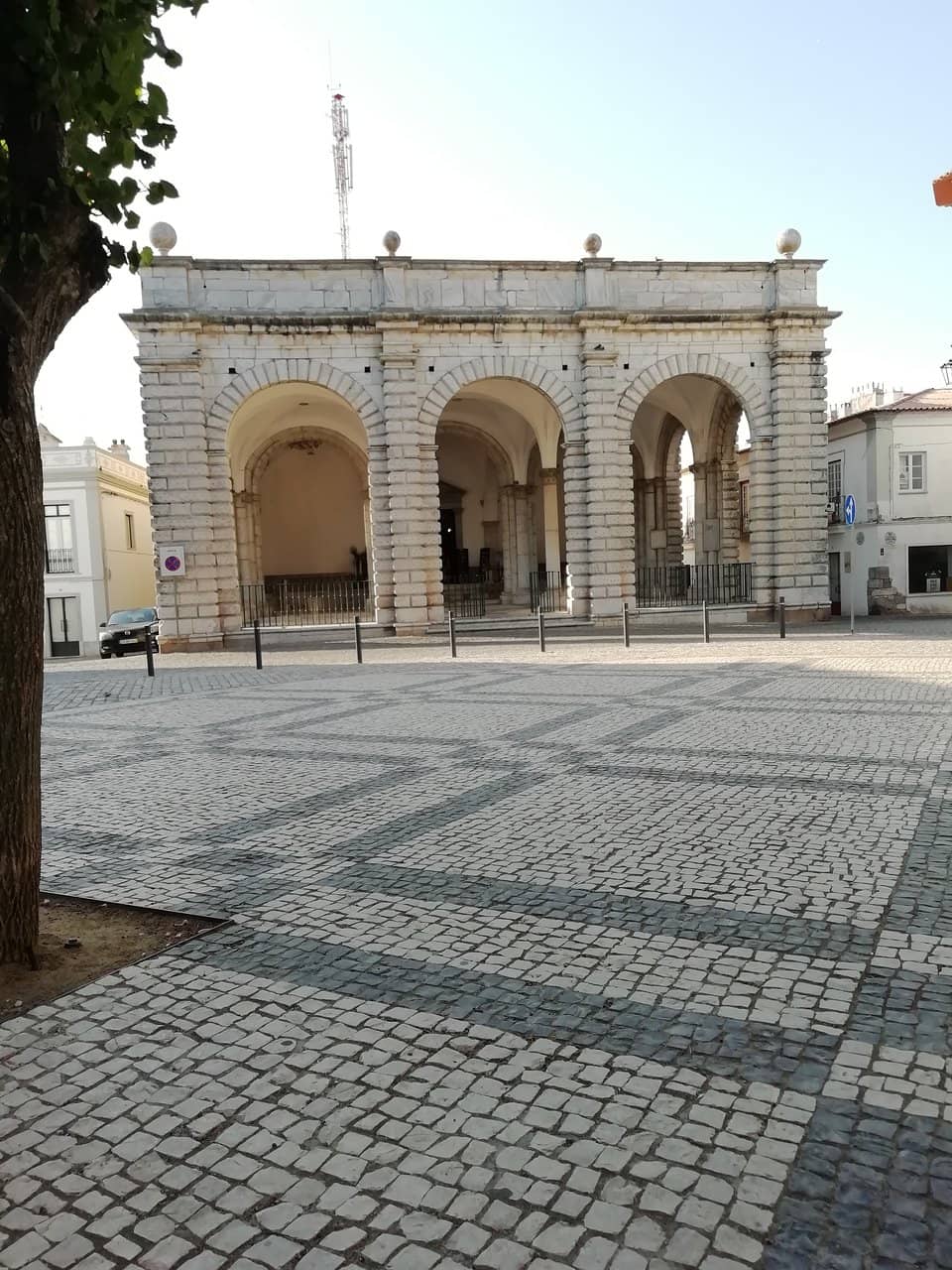
A stunning architectural marvel inspired by Italian Renaissance loggias, unique in Portugal.

Infante D. Luís's Vision
Entire Building
Witness the grandeur of a building originally intended as a market, now a testament to artistic vision.
Adaptation to Worship
Interior
Experience the space's evolution from a functional market to a place of religious devotion.
Plans like a pro.
Thinks like you
Planning Your Visit
A Unique Renaissance Gem
From Market to Sanctuary
Best Times
Insider Tips
from TikTok, Instagram & Reddit
Admire the Loggia First
Take time to appreciate the exterior loggia; it's the building's most striking feature.
Understand its History
Learn about its unique past as a market before becoming a church.
Check for Events
Sometimes hosts craft fairs or local events, adding to the experience.
Photography Opportunities
The architecture offers great angles for photos, especially the facade. :camerawithflash:
Tips
from all over the internet
Admire the Loggia First
Take time to appreciate the exterior loggia; it's the building's most striking feature.
Understand its History
Learn about its unique past as a market before becoming a church.
Check for Events
Sometimes hosts craft fairs or local events, adding to the experience.
Photography Opportunities
The architecture offers great angles for photos, especially the facade. :camerawithflash:
What Travellers Say
Reviews Summary
Visitors are consistently impressed by the Igreja da Misericórdia's unique Renaissance architecture, particularly its Italian-inspired loggia. Its fascinating history as a former butcher shop turned church adds a compelling layer to its appeal. While the interior is noted as being smaller than the facade suggests, the overall impression is one of historical significance and architectural beauty.
"A Igreja da Misericórdia foi mandada construir por Infante D. Luís III, Duque de Beja, no século XVI. O monumento é um belíssimo exemplo de arquitetura renascentista em Portugal, tendo sido inspirada nas loggias das cidades italianas, como a Loggia dei Lanzi em Florença. Foi projetada para ser um açougue (mercado), mas durante a construção a obra tornou-se tão bela e majestosa, que foi transformada em local de culto religioso, "o grande edifício de pedra que mandei fazer para o matadouro na praça, o qual Deus parece ter desejado tão belo quanto mal aproveitado era para tão baixa função", proferiu D. Luís III."
Mais Beja
"loggia da igreja da Misericórdia de Beja é única em Portugal e é um óptimo exemplar da arquitectura maneirista, inspirada na famosa loggia da Praça de São Marcos em Florença.
Foi inicialmente projectada para açougue municipal (local onde se vende carne), contudo a sua beleza e finura era tanta que rapidamente se considerou ser demasiado nobre para funcionar como mercado, adaptando-se o edifício a sede da Santa Casa da Misericórdia, sendo depois adaptado a igreja.
Foi por meados do século XVI, que o Infante D. Luís (filho de Dom Manuel I) ordenou a construção de um faustoso edifício em Beja, no intuito de aí instalar os açougues municipais. No entanto, depois de já iniciada a edificação do espaço, cuja traça se atribui ao arquitecto Diogo de Torralva o duque decidiu alterar o destino do novo espaço, determinando que “o grande edifício de pedra que mandei fazer para o matadouro na praça, o qual Deus parece ter desejado tão belo quanto mal aproveitado era para tão baixa função” deveria ser a nova igreja da irmandade da Misericórdia local."
Mário Faria
"Com uma bela arquitetura renascentista, originalmente a ideia era ser um açougue municipal, mas quando ficou pronto, o infante D. Luís achou tão bela a obra que resolveu torná-la uma igreja. Hoje funciona como uma feira de artesanato."
Lourenço Marcon
What People Like
What People Dislike
Frequently Asked Questions
🚇 🗺️ Getting There
The Igreja da Misericórdia is located in the heart of Beja. It's easily accessible by foot if you are already in the city center. If arriving by car, there is usually street parking available nearby, though it can be busy during peak times. Public transport options within Beja are limited, so walking or a short taxi ride from other parts of town are good options.
Yes, it's centrally located in Beja, making it quite easy to find. Look for its distinctive Renaissance facade in the main square areas.
🎫 🎫 Tickets & Entry
Generally, entry to the Igreja da Misericórdia is free, as it functions as a religious building and sometimes hosts events. It's always a good idea to check for any specific event ticketing if you plan to attend something particular.
Opening hours can vary as it is a functioning church and may also host events. It's best to check locally or look for specific event schedules if you have a particular time in mind.
Accessibility can be a concern for older buildings. While the main facade and ground level might be accessible, it's advisable to inquire about specific access to all areas, especially if mobility is an issue.
🎫 🏛️ Onsite Experience
The church is a prime example of Portuguese Renaissance architecture, heavily influenced by Italian designs. Its most notable feature is the loggia, inspired by Italian Renaissance palaces.
Its history is fascinating: it was originally planned as a municipal butcher shop by Infante D. Luís but was transformed into a church due to its exceptional beauty.
Photography is usually permitted for personal use, but it's respectful to avoid flash photography, especially during services. Always be mindful of worshippers.
Guided tours are not always standard. However, local tourist information centers might offer walking tours that include this site, or you can explore its history through provided information panels.
🍽️ 🍽️ Food & Dining
Yes, being in the city center, there are several restaurants and cafes within walking distance of the Igreja da Misericórdia, offering traditional Alentejo cuisine.
Beja is known for hearty Alentejo dishes, including pork, lamb, bread-based soups, and local cheeses. Look for restaurants serving 'porco preto' (black pork).



Social
from TikTok, Instagram & Reddit