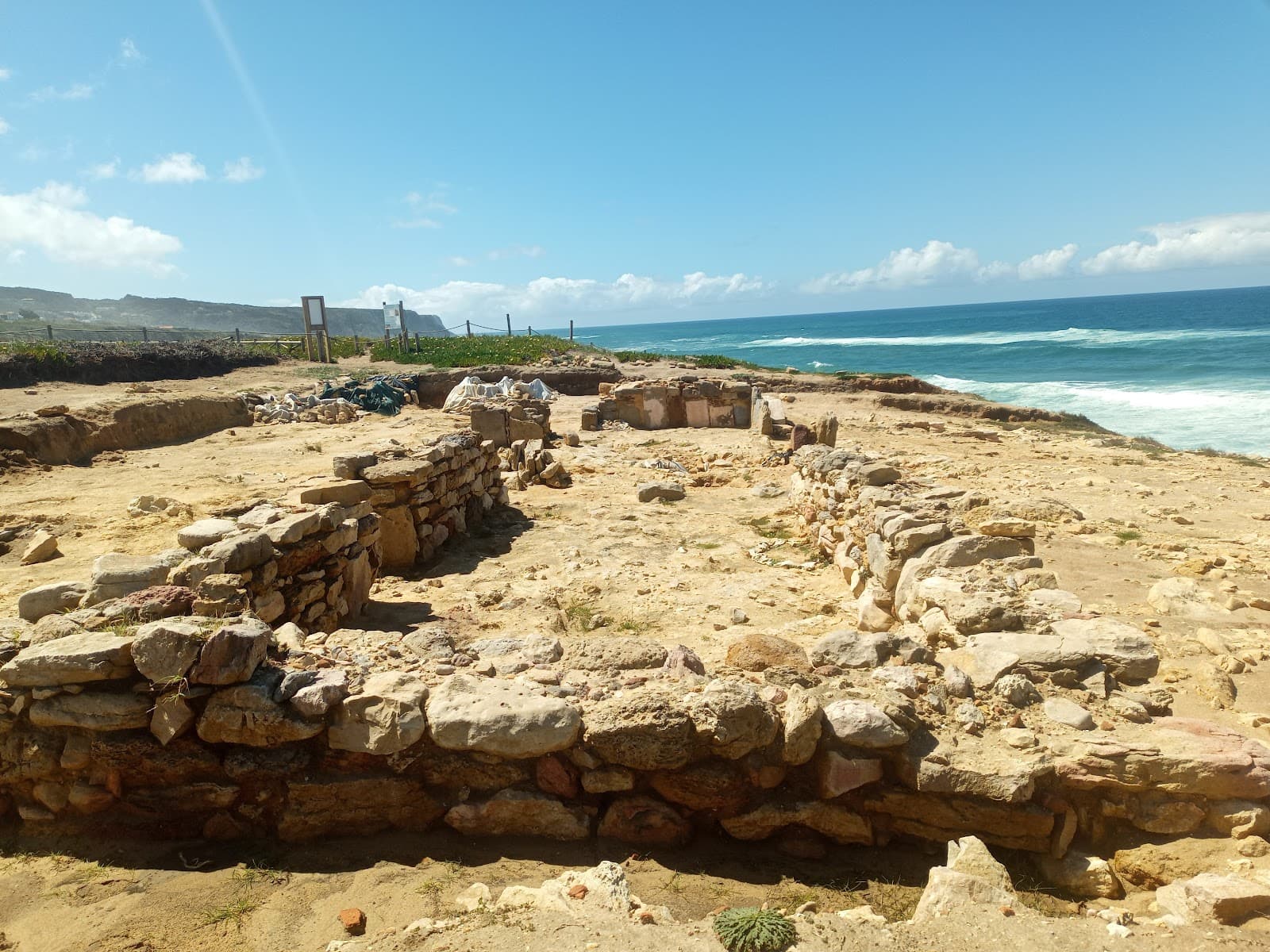
Alto da Vigia Archaeological Site
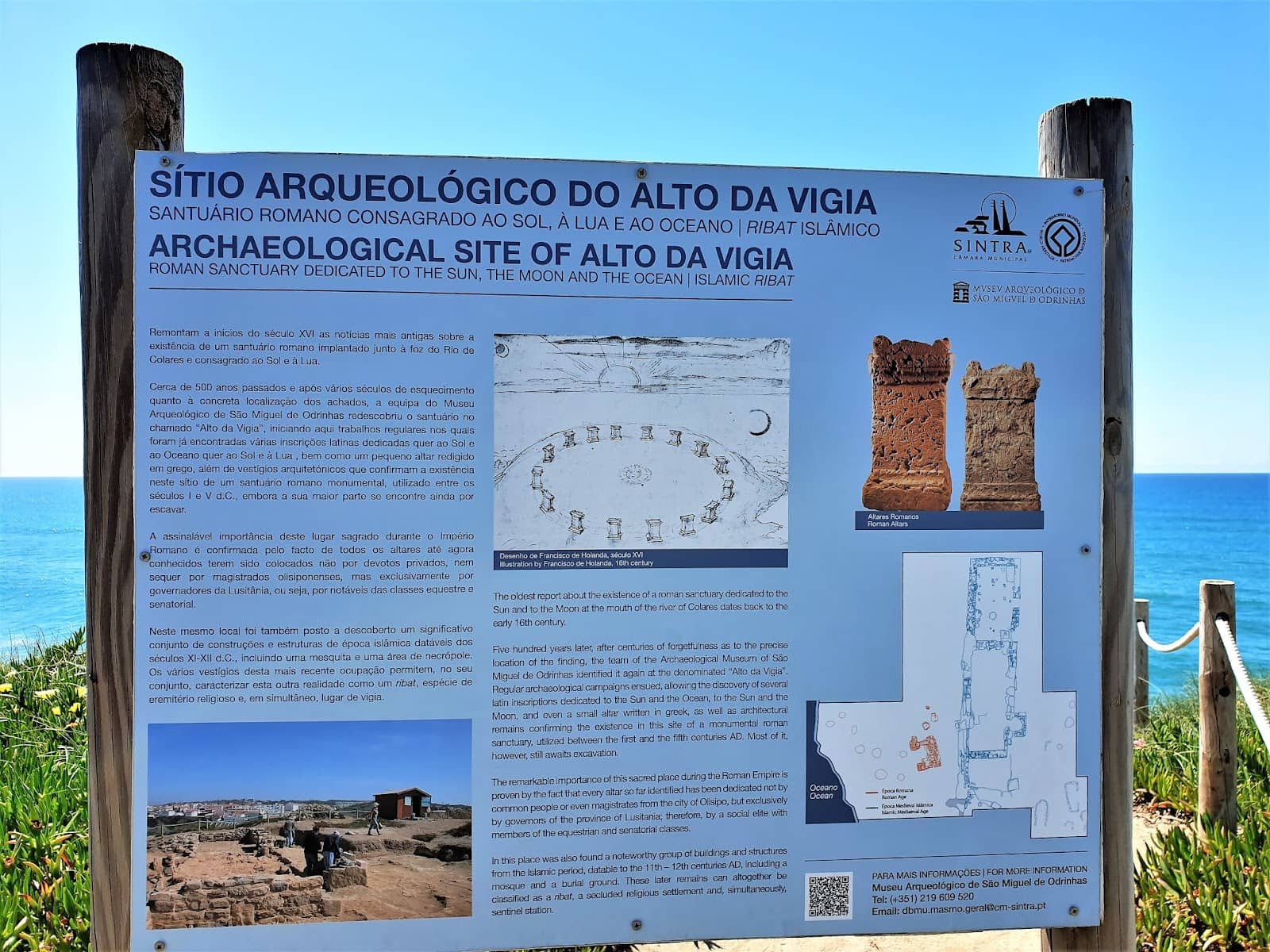
Discover the westernmost Roman sanctuary dedicated to the ocean, sun, and moon, offering stunning coastal views.
Highlights
Must-see attractions

Social
From TikTok & Reddit
Best Time
Golden hour for stunning views
Alto da Vigia Archaeological Site
Best Time
Golden hour for stunning views
Highlights
Must-see attractions
Discover the westernmost Roman sanctuary dedicated to the ocean, sun, and moon, offering stunning coastal views.
"Great sunset spot from here. Not much yet in term of the historical site."
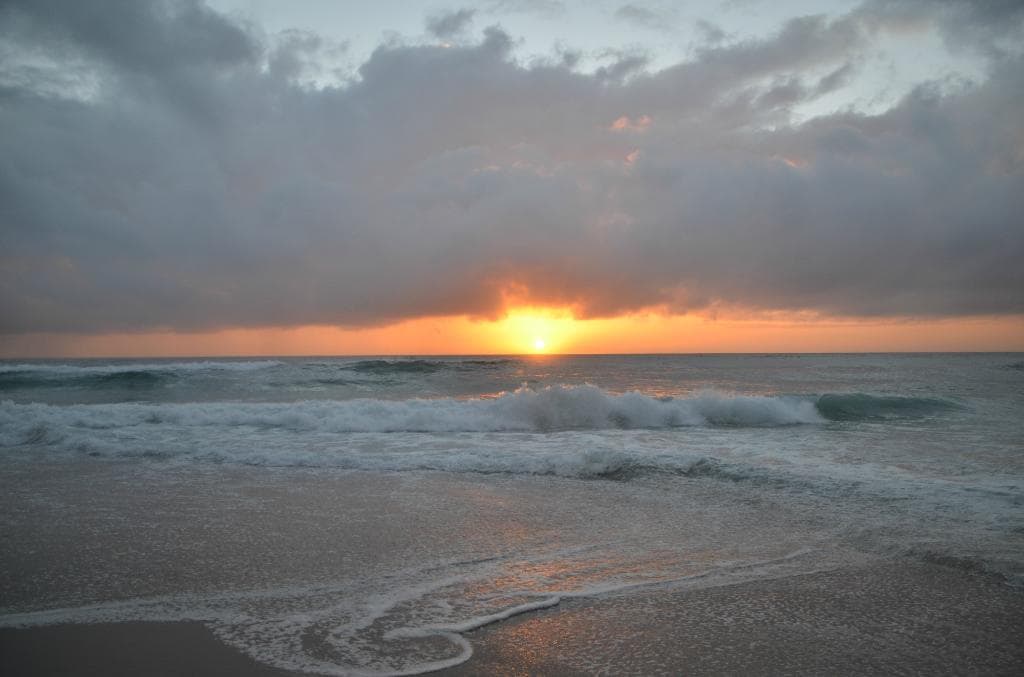
🌅 Sunset Spectacle
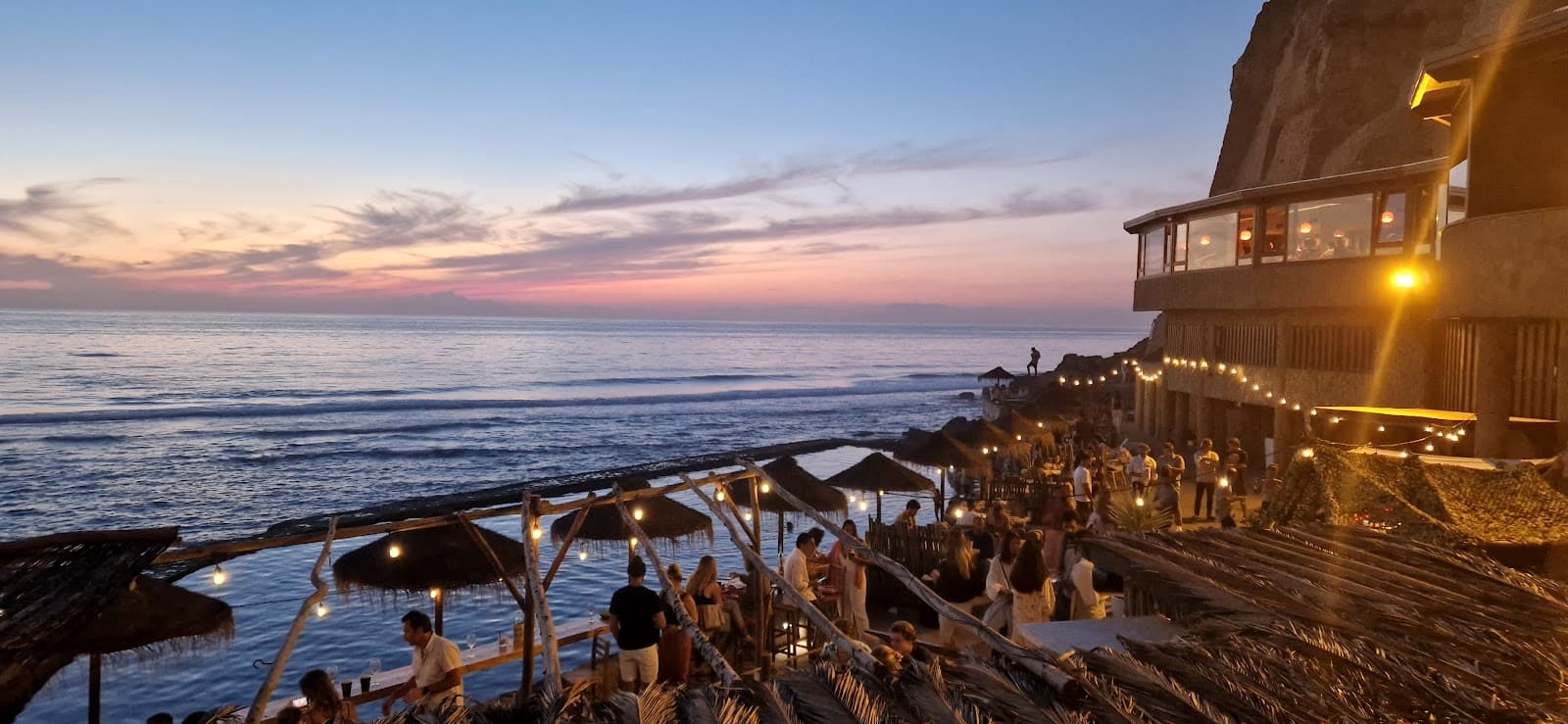
Catch the sunset for incredible views, but bring a flashlight for the walk back as it gets dark quickly.
👟 Sturdy Footwear Recommended
The terrain can be uneven, so wear comfortable shoes for exploring the bluff and cliff paths.
Quick Facts
Hours
Rating
4.3 · 76 reviews
Type
Historical Landmark
Highlights
Discover the most iconic attractions and experiences
Roman Sanctuary Ruins
Top of the bluff
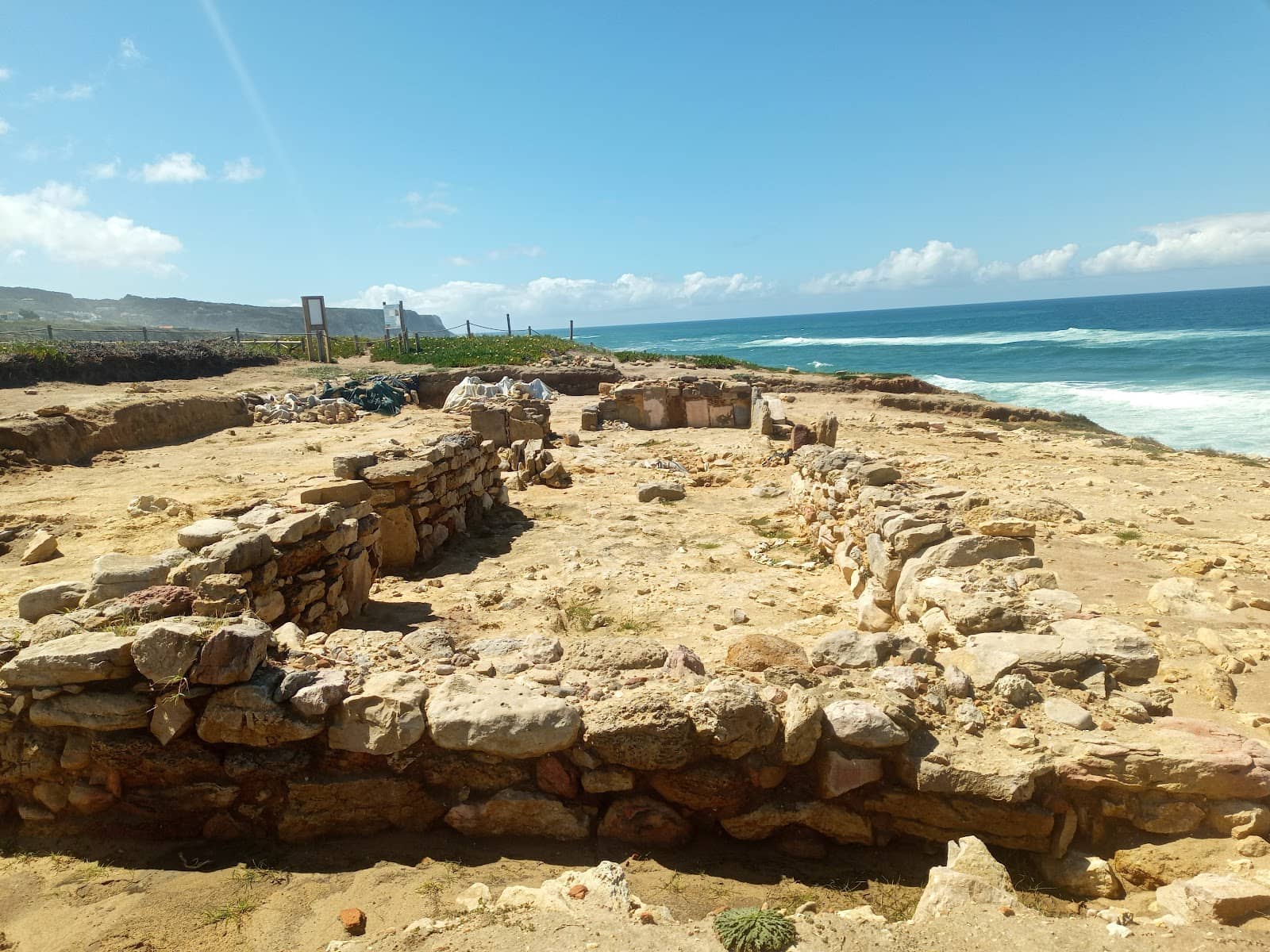
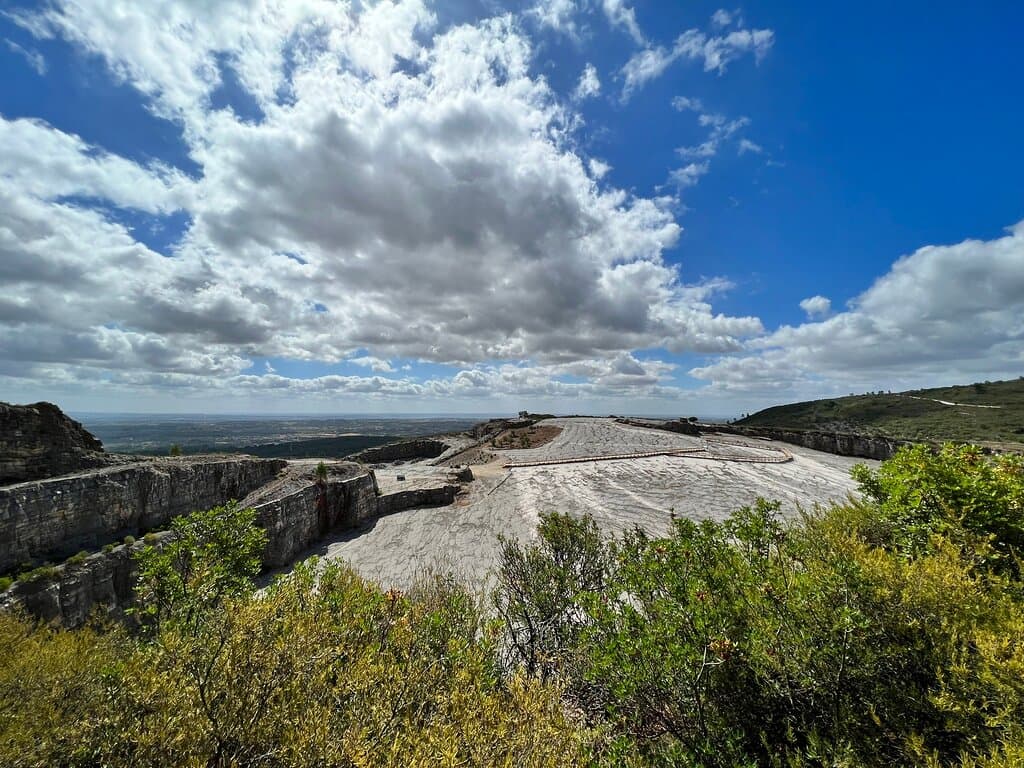
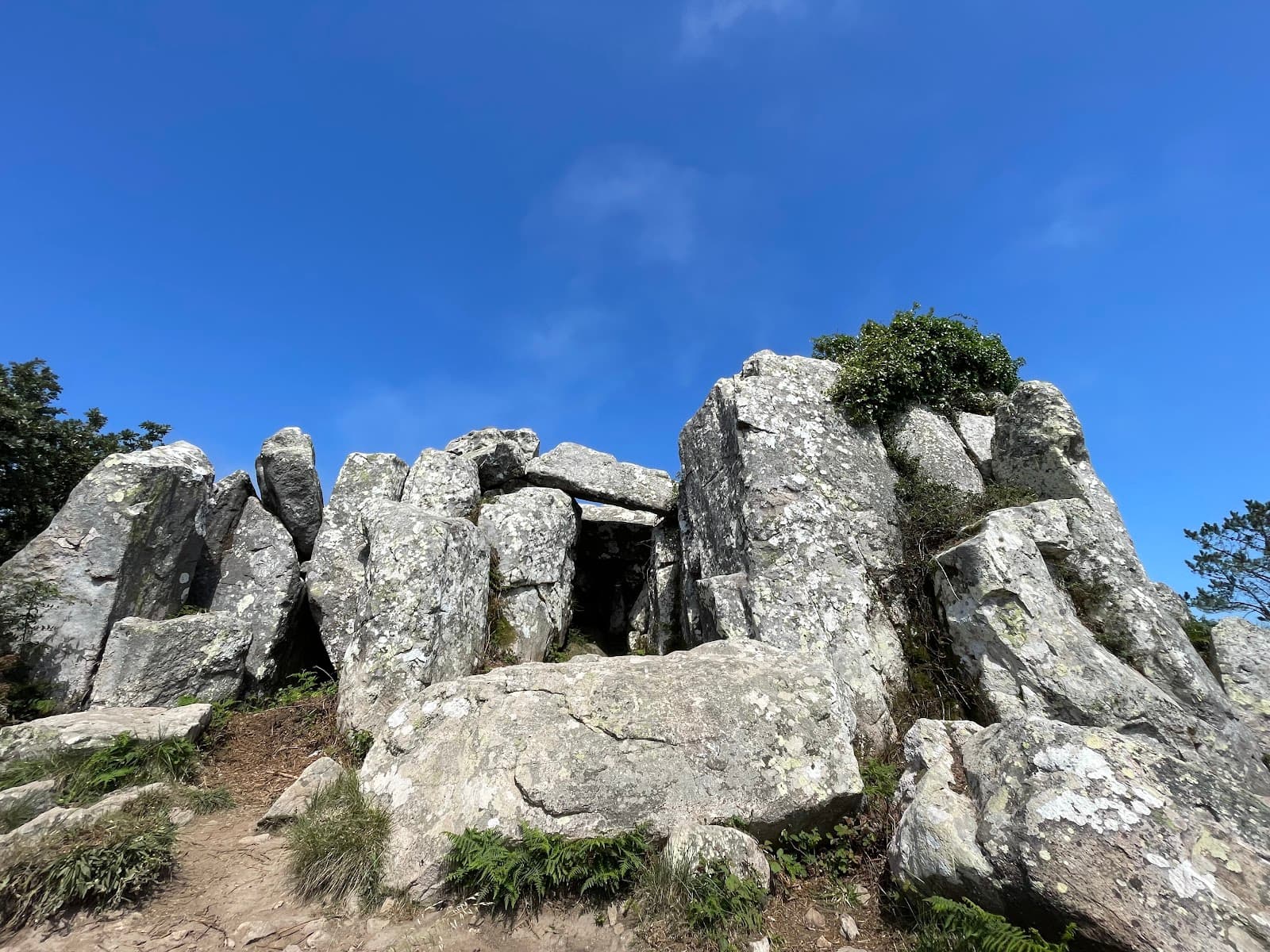
Discover remnants of a Roman sanctuary dedicated to the ocean, sun, and moon, the westernmost of its kind.
Panoramic Ocean Views
Cliffside
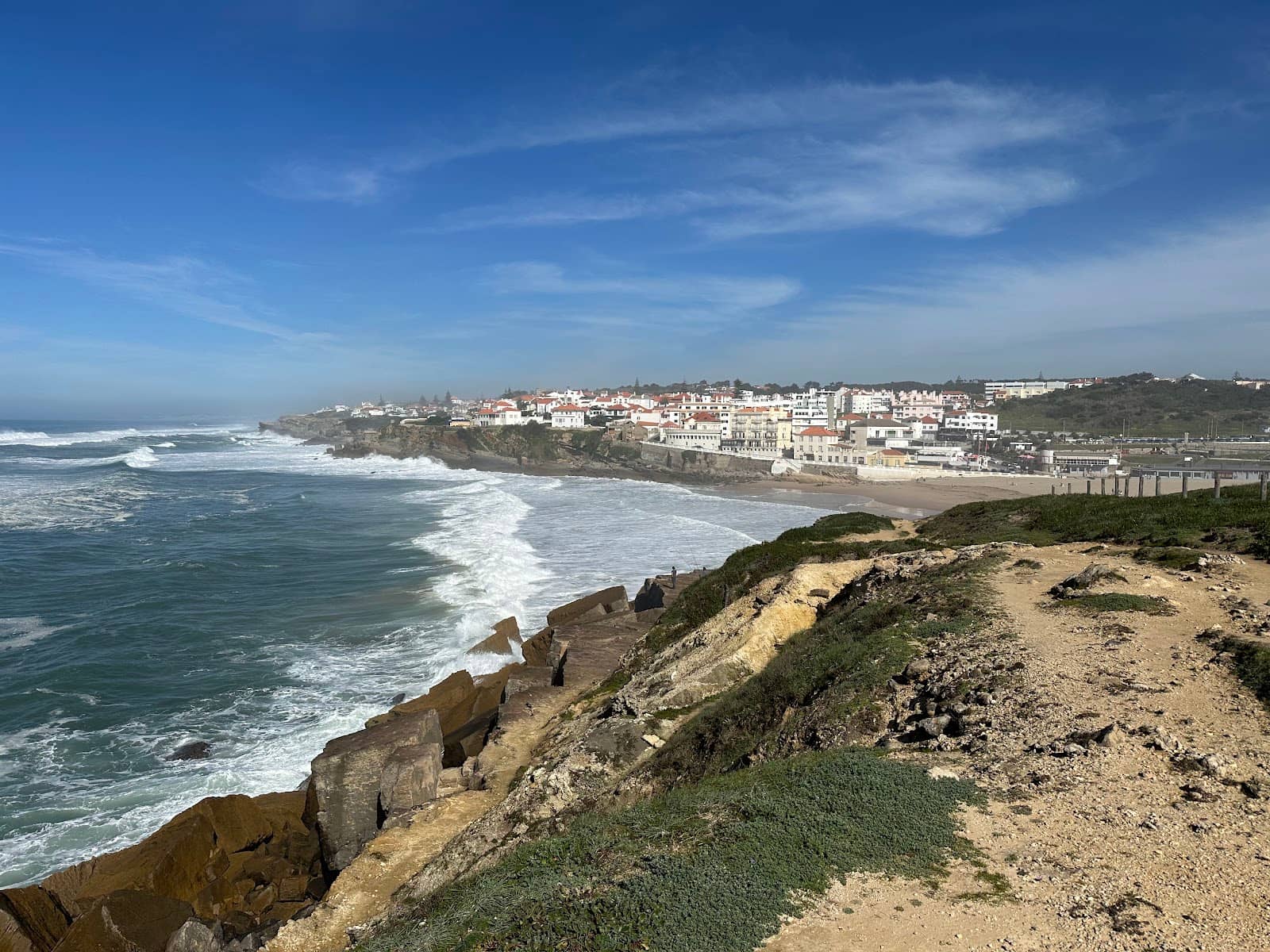
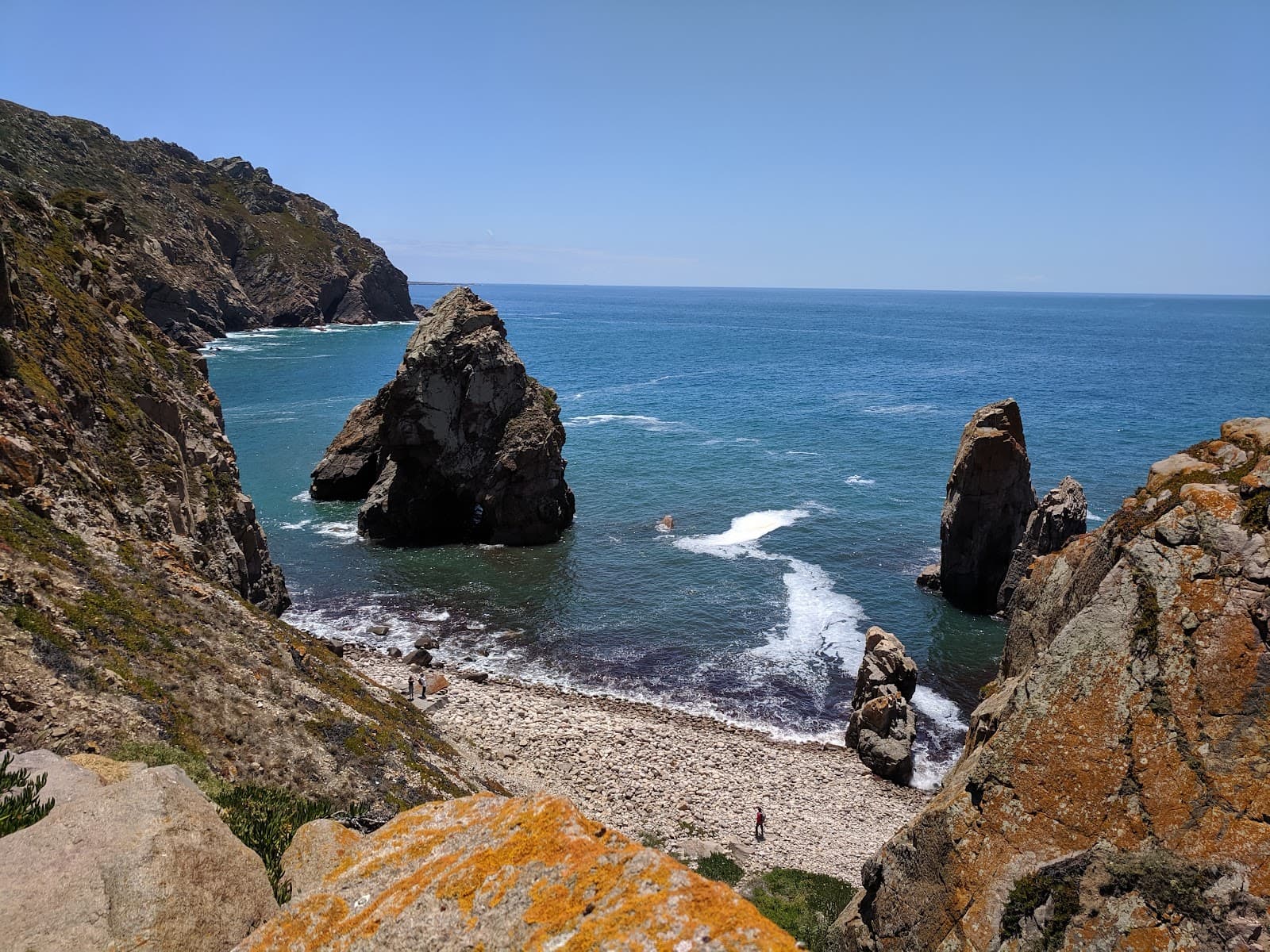
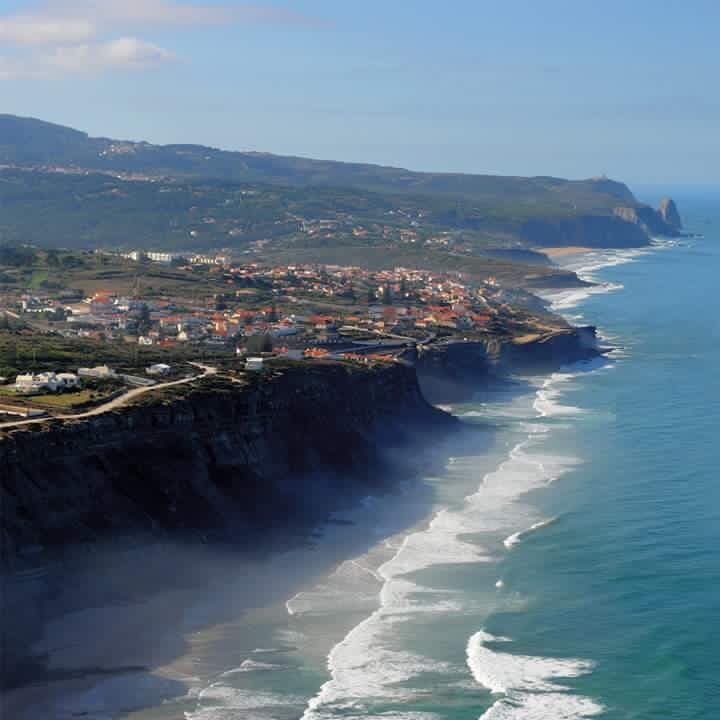
Breathtaking vistas of the Atlantic Ocean and nearby beaches, especially captivating at sunset.
Coastal Flora
Between Praia Grande and Praia das Maçãs
Admire the surprisingly abundant and beautiful wildflowers that bloom along the cliffs.
Plans like a pro.
Thinks like you
Planning Your Visit
Timing Your Visit for the Best Experience
Understanding the Site's Current State
Best Times
Insider Tips
from TikTok, Instagram & Reddit
🌅 Sunset Spectacle
Catch the sunset for incredible views, but bring a flashlight for the walk back as it gets dark quickly.

👟 Sturdy Footwear Recommended
The terrain can be uneven, so wear comfortable shoes for exploring the bluff and cliff paths.
📸 Camera Ready
Long exposure shots are great for capturing the site at night, but daylight offers clearer views of the ruins.
⏳ Patience for Excavations
Much of the site is still being excavated, so appreciate its historical significance and potential.
Tips
from all over the internet
🌅 Sunset Spectacle
Catch the sunset for incredible views, but bring a flashlight for the walk back as it gets dark quickly.
👟 Sturdy Footwear Recommended
The terrain can be uneven, so wear comfortable shoes for exploring the bluff and cliff paths.
📸 Camera Ready
Long exposure shots are great for capturing the site at night, but daylight offers clearer views of the ruins.
⏳ Patience for Excavations
Much of the site is still being excavated, so appreciate its historical significance and potential.
What Travellers Say
Reviews Summary
Visitors appreciate Alto da Vigia for its stunning ocean views and dramatic sunset potential, along with the historical intrigue of its Roman sanctuary. However, some note that the site is not extensively developed and much of it is still undergoing excavation, leading to expectations of a more complete historical experience.
"An archeological site of the most western part of the Roman Empire - a sanctuary dedicated to the ocean, sun and the moon.
It's completely dark at night and I wouldn't have seen a thing if not for the long exposure on my camera."
Tobias Asterdal
"Not much to be seen yet but excavations going well. After everything that is till buried will be exposed this will be a major site. It is, of course, the westernmost Roman sanctuary, dedicated to the moon, to the ocean and to the setting sun. By the number and the names on the inscriptions we now know it was an important site. Roman first grade dignitaries like the procurator of the grain silos in the port of Alexandria came all the way to this Extreme West. Probably sailing to Lisbon and then at least one day on horseback until this most remote location.
Interestingly enough it went on being a pagan sanctuary throughout the Middle Ages, long after Portugal was Christianized."
Jorge Bernardo
"It should have been a beautiful archeological site, but it’s not well maintained"
Elias sanni
What People Like
What People Dislike
Frequently Asked Questions
🚇 🗺️ Getting There
The site is located on a bluff between Praia Grande and Praia das Maçãs, near Colares. Driving is the most convenient option, with parking available nearby. Public transport might require a combination of buses and walking.
While direct public transport to the exact site might be limited, you can likely reach nearby towns like Colares or the beaches by bus and then walk to the site. Check local bus schedules for routes serving Praia Grande or Praia das Maçãs.
From Sintra, you can take a bus towards Colares or the coastal beaches. Alternatively, a taxi or ride-sharing service can take you directly to the site.
Limited parking is generally available near the site, especially during off-peak hours. Arriving early or during weekdays can increase your chances of finding a spot.
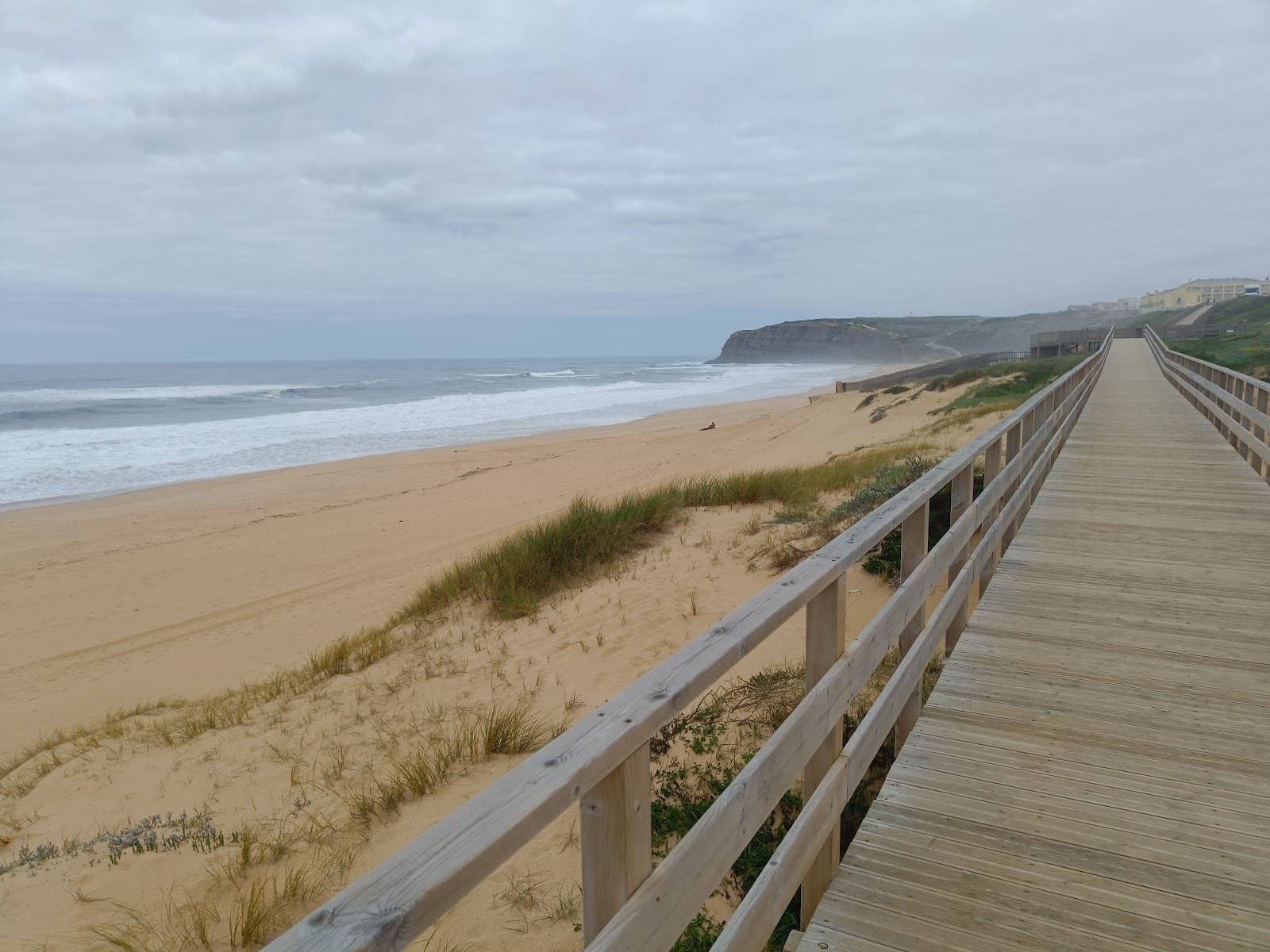
Yes, you can walk along the cliff paths from Praia Grande or Praia das Maçãs to reach the Alto da Vigia. This offers beautiful coastal scenery.
🎫 🎫 Tickets & Entry
Currently, there is no mention of admission fees for the Alto da Vigia Archaeological Site, suggesting it may be freely accessible. However, it's always a good idea to check for any updates before your visit.
As an open-air archaeological site, Alto da Vigia is generally accessible during daylight hours. It's recommended to visit during the day to best see the ruins, though sunset is also popular.
The site is on a bluff with uneven terrain, which may pose challenges for visitors with mobility issues. The cliff paths can be steep and rough.
While the site is not officially closed at night, it is completely dark, making it difficult to see the ruins without a light source. Visitors have noted using long exposures for photography at night.
Information on official guided tours is scarce. However, local guides or archaeological enthusiasts might offer insights if you inquire locally or at nearby museums.
🎫 🧭 Onsite Experience
You can see remnants of a Roman sanctuary dedicated to the ocean, sun, and moon, which is the westernmost of its kind. There are also inscriptions and evidence of its continued use through the Middle Ages.
Reviews suggest that the site is not always well-maintained, with much of it still undergoing excavation. Visitors should manage expectations regarding the current state of preservation.
It's significant as the westernmost Roman sanctuary, dedicated to celestial bodies and the ocean. Its importance is highlighted by the presence of high-ranking Roman officials who visited.
There are no specific facilities like restrooms or visitor centers mentioned at the site itself. It's advisable to come prepared with water and any necessities.
While not a primary attraction, you might see coastal birds. The area is also known for its beautiful wildflowers, especially in certain seasons.
📸 📸 Photography
Late afternoon, leading up to sunset, offers beautiful golden hour light for both the ruins and the ocean views. Nighttime photography with long exposures can also yield dramatic results.
You can capture stunning landscape shots of the Atlantic coast, dramatic sunset scenes, and the archaeological remnants of the Roman sanctuary.
Regulations regarding drone usage can vary. It's best to check local drone laws and any specific restrictions for archaeological sites before flying.
For sunsets, consider using a wide-angle lens to capture the expansive sky and landscape. Experiment with exposure settings to balance the bright sky and darker foreground.
Yes, you can photograph the inscriptions, but be mindful of lighting conditions and the condition of the stone. Close-up shots can highlight the historical details.


Social
from TikTok, Instagram & Reddit