Grutas Artificiais Quinta do Anjo
Explore ancient prehistoric burial caves dating back over 3,500 years, a significant archaeological site in Portugal.
Highlights
Must-see attractions

Social
From TikTok & Reddit
Best Time
Explore the caves' history
Grutas Artificiais Quinta do Anjo
Best Time
Explore the caves' history
Highlights
Must-see attractions
Explore ancient prehistoric burial caves dating back over 3,500 years, a significant archaeological site in Portugal.
"An incredible piece of history, a worthwhile stop for anyone in the area. "
Leave No Trace
Please help preserve this 3000-year-old site by taking all your trash with you. ♻️
Worth a Detour
A fascinating stop for history buffs if you're passing through the region. :oncoming_bus:
Quick Facts
Hours
Rating
4 · 12 reviews
Type
Historical Landmark
Highlights
Discover the most iconic attractions and experiences
Prehistoric Burial Chambers
Inside the caves
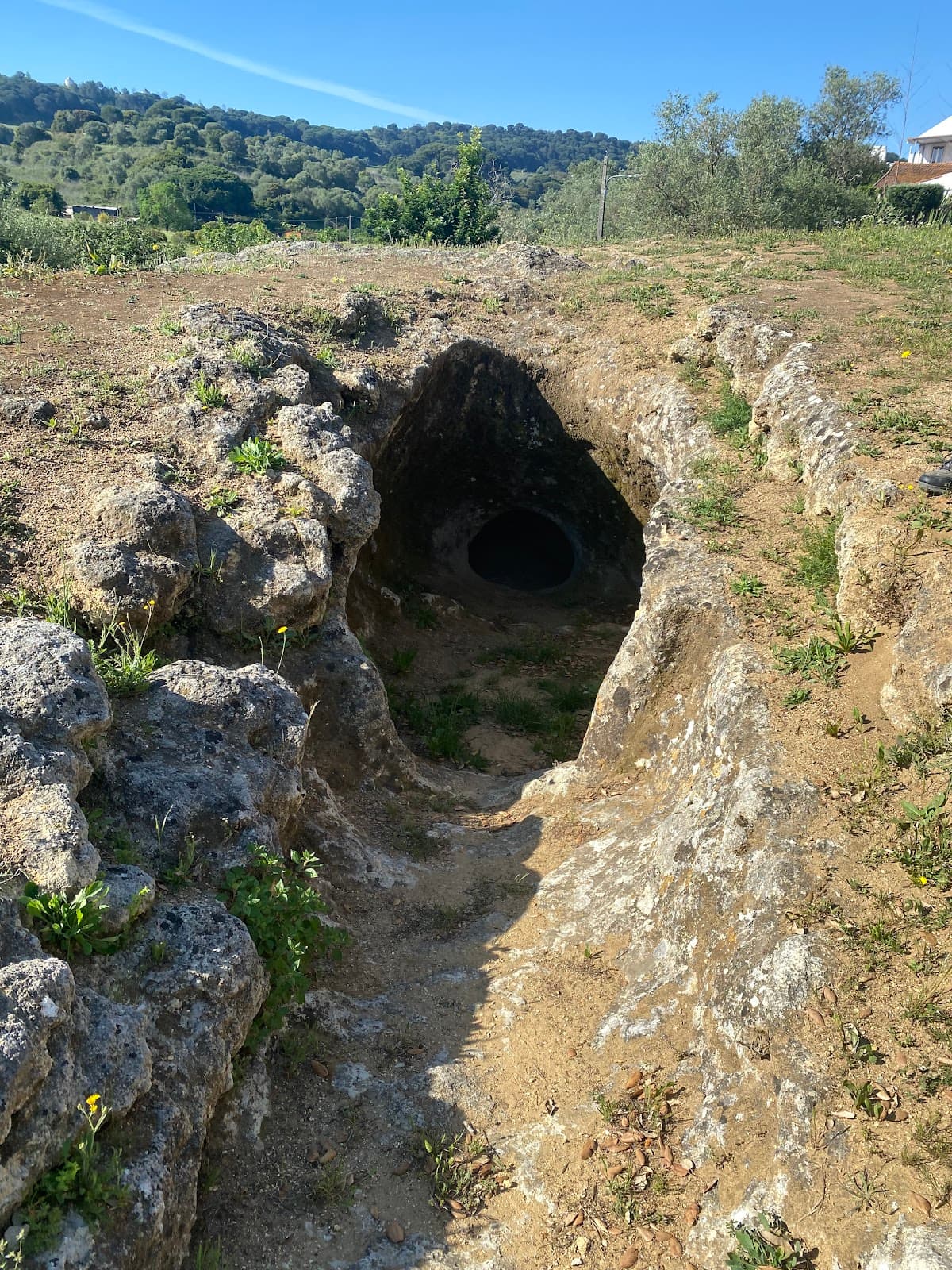
Explore ancient tombs used for over 1000 years, offering a glimpse into Neolithic and Copper Age civilizations.
Campaniforme Pottery
Museums (Lisbon & Belém)
See unique bell-shaped pottery, a hallmark of Portuguese Bell Beaker culture, found within the caves.
Plans like a pro.
Thinks like you
Planning Your Visit
Respect the Ancient Site
Location and Accessibility
Best Times
Insider Tips
from TikTok, Instagram & Reddit
Leave No Trace
Please help preserve this 3000-year-old site by taking all your trash with you. ♻️
Worth a Detour
A fascinating stop for history buffs if you're passing through the region. :oncoming_bus:
Historical Significance
Learn about civilizations that inhabited Portugal over 3,000 years ago. 📜
Tips
from all over the internet
Leave No Trace
Please help preserve this 3000-year-old site by taking all your trash with you. ♻️
Worth a Detour
A fascinating stop for history buffs if you're passing through the region. :oncoming_bus:
Historical Significance
Learn about civilizations that inhabited Portugal over 3,000 years ago. 📜
What Travellers Say
Reviews Summary
Visitors find the Grutas Artificiais Quinta do Anjo to be an impressive historical site, offering a glimpse into prehistoric life and ancient burial practices. While the historical significance is highly praised, some reviewers express a desire for better municipal upkeep and protection of the area. It's considered a worthwhile stop for those interested in archaeology and history, especially if already in the vicinity.
"Worth a look if you're already nearby"
tascatastic
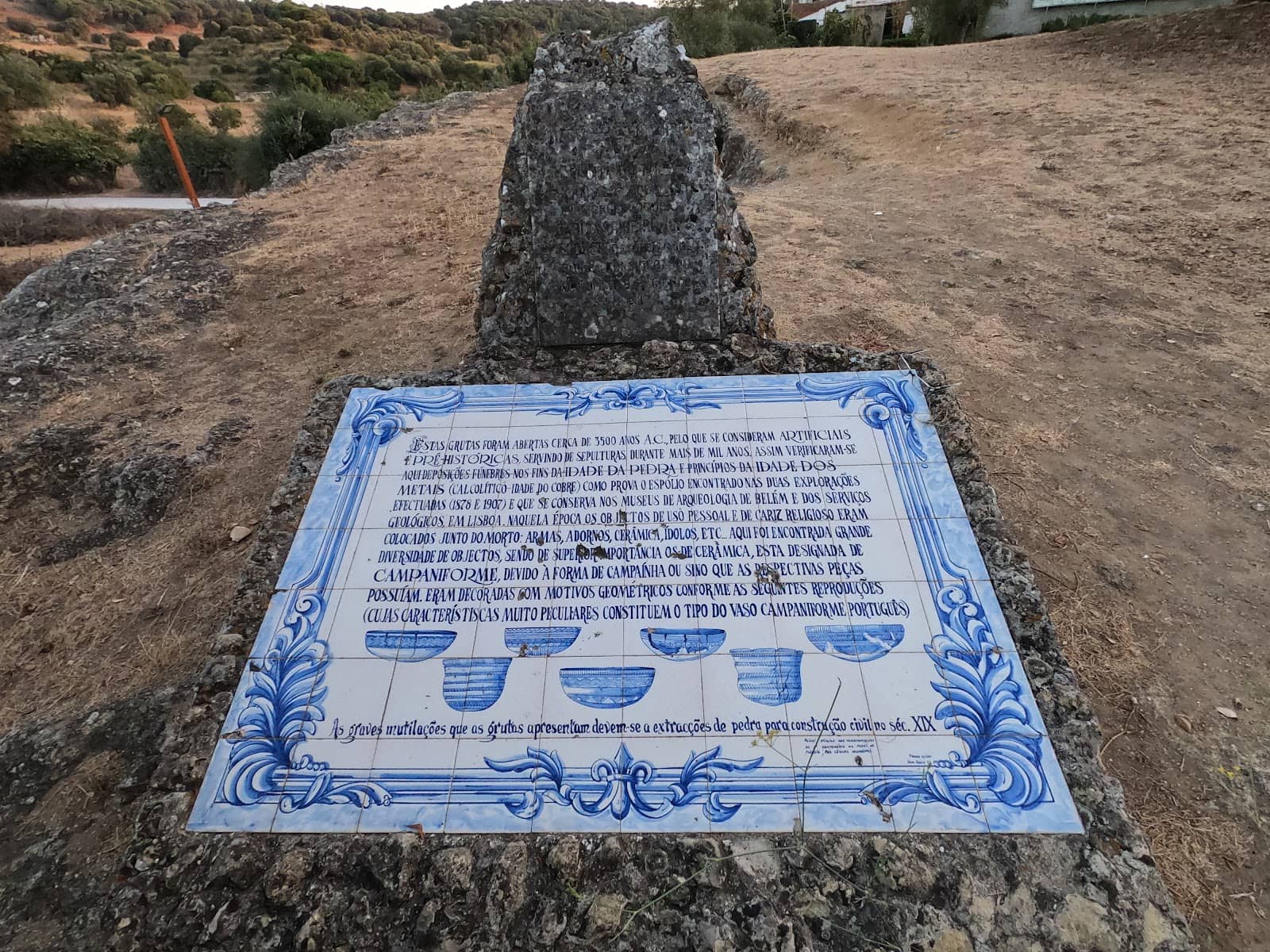
"Estas Grutas foram abertas cerca de 3500AC, pelo que se consideram Artificiais Pré-Históricas, servindo se sepulturas durante mais de 1000 anos, assim verificaram-se aqui deposições fúnebres nos Fins da Idade da pedra e Princípios da idade dos Metais (Calcolítico - Idade do Cobre) como prova o espolio encontrado nas duas explorações efetuadas ( 1878 e 1907) e que se conserva nos museus de arqueologia de Belém e dos Serviços geológicos em Lisboa, Naquela época os objetos de uso pessoal e de cariz religioso eram colocados junto ao morto: armas, adornos, cerâmica, ídolos. etc... aqui foi encontrada grande diversidade de objectos, sendo de superimportância os de cerâmica, esta designada de Campaniforme, devido à forma de campainha ou sino que as respetivas peças possuíam. eram decoradas com motivos geométricos conforme as seguintes reproduções cujas características muito peculiares constituem o tipo do vaso campaniforme português"
Zé Silva
"What a lovely place to learn a little about the civilizations that inhabited Portuguese territory more than 3,000 years ago. I understand that the Phoenicians and Vigoths were the first to arrive in the Mediterranean, so I assume that one of them was the ones who made these caves. Please do not leave dirt inside the caves."
Maracuchosueltoenportugal Youtuber
What People Like
What People Dislike
Frequently Asked Questions
🚇 🗺️ Getting There
The Grutas Artificiais Quinta do Anjo are located in Quinta do Anjo, Palmela, Portugal. Access is typically by car, as public transport options might be limited. It's recommended to use GPS navigation to find the exact location.
Information on dedicated parking is scarce, but visitors usually find street parking nearby. It's advisable to check local signage upon arrival.
🎫 🎫 Tickets & Entry
There is no mention of ticket sales for entry to the caves themselves. It appears to be an open historical site, though it's always wise to check for any local advisories or potential small entrance fees.
As an ancient historical site, there are no set opening hours. Visitors can typically access the area during daylight hours.
Based on traveler feedback, there doesn't seem to be a formal entrance fee. However, it's always a good idea to be prepared for any unexpected local charges.
🎫 🧭 Onsite Experience
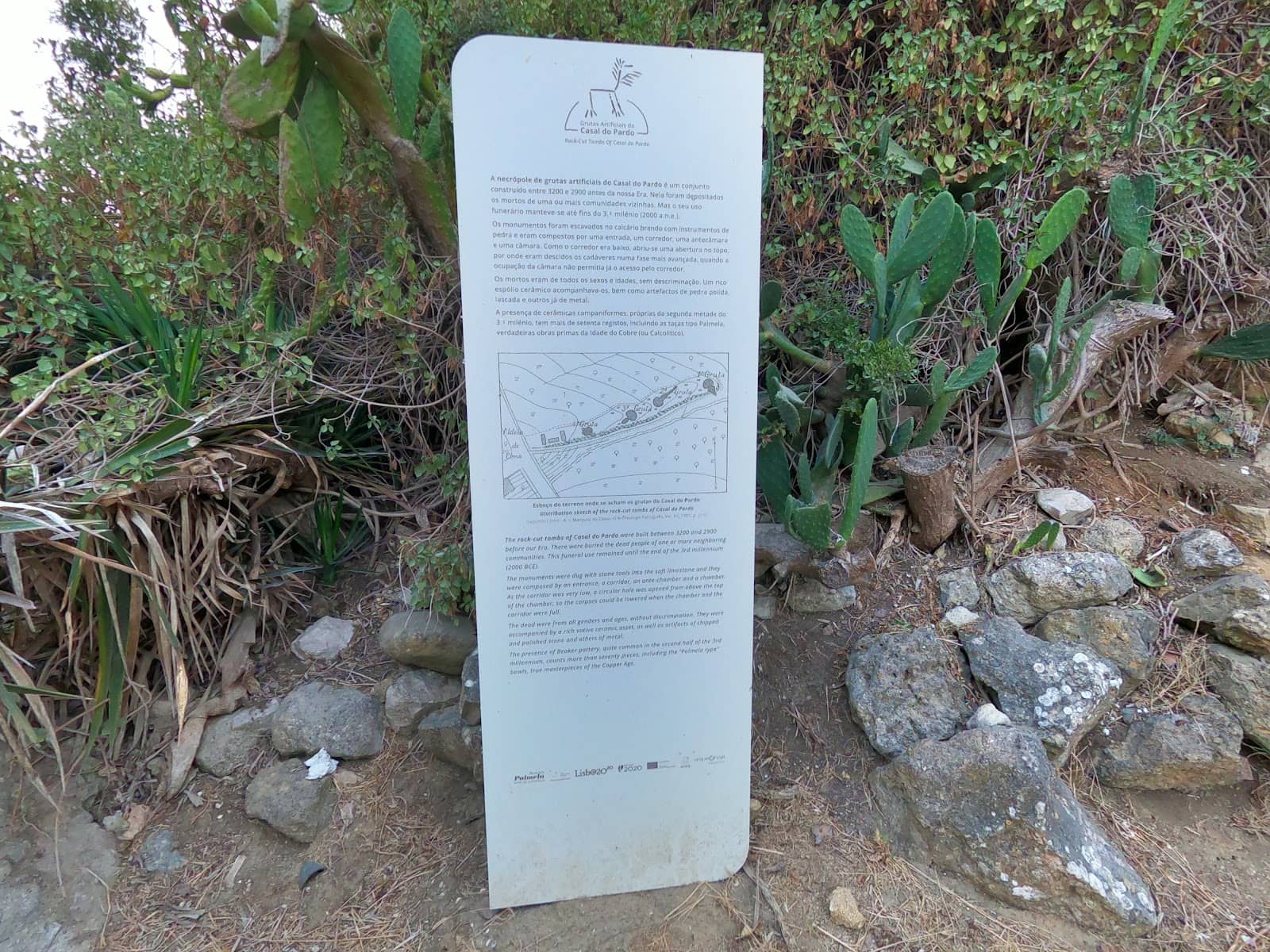
You can explore artificial caves that served as prehistoric burial sites for over 1000 years, dating back to the Neolithic and Copper Ages. Evidence of funerary deposits and artifacts like Campaniforme pottery have been found here.
While the historical significance is immense, some visitors feel the local municipality could improve maintenance and protection of the site.
These caves are considered Pre-Historic Artificial Caves, opened around 3500 BC. They were used as burial sites for over a millennium, providing crucial insights into the Chalcolithic and Early Metal Ages.
Significant artifacts include personal items, religious objects, weapons, adornments, and ceramics. Notably, Campaniforme pottery, characterized by its bell shape and geometric decorations, was discovered here.
It's best to avoid touching any part of the caves or any potential remnants to preserve their integrity. Treat the site with respect as an ancient monument.
🍽️ 🍽️ Food & Dining
There are no dining facilities directly at the caves. You'll need to travel to the nearby town of Quinta do Anjo or Palmela for restaurants and cafes.
Yes, you can bring your own food and drinks, but it's crucial to take all your waste with you to keep the site clean. :picnic_table:
📸 📸 Photography
Photography is generally allowed for personal use. However, always be mindful of any posted signs or local regulations.
The unique rock formations and the entrance to the caves offer interesting photographic opportunities. Capture the ancient atmosphere.




Social
from TikTok, Instagram & Reddit