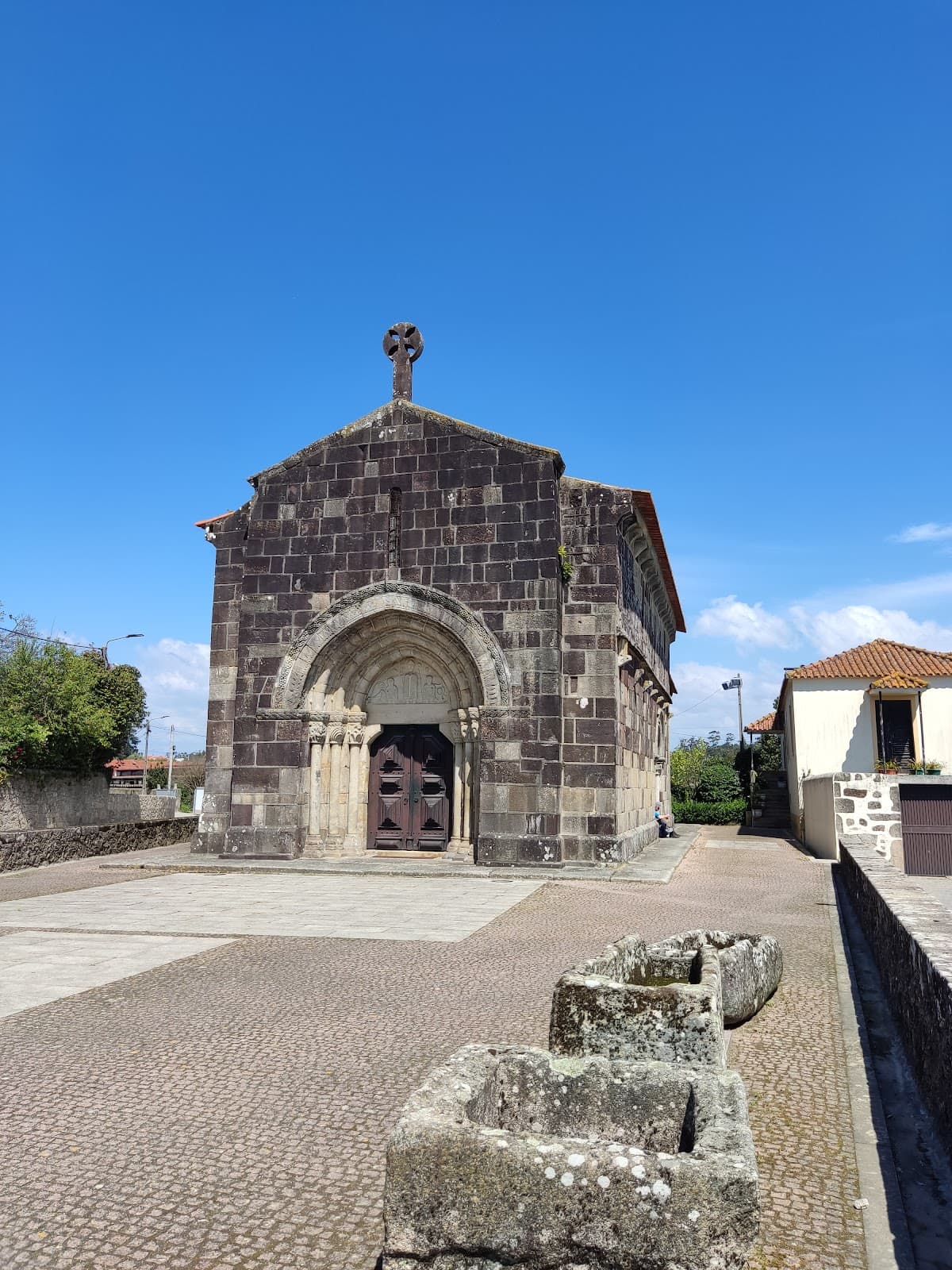
Igreja de São Cristóvão Rio Mau
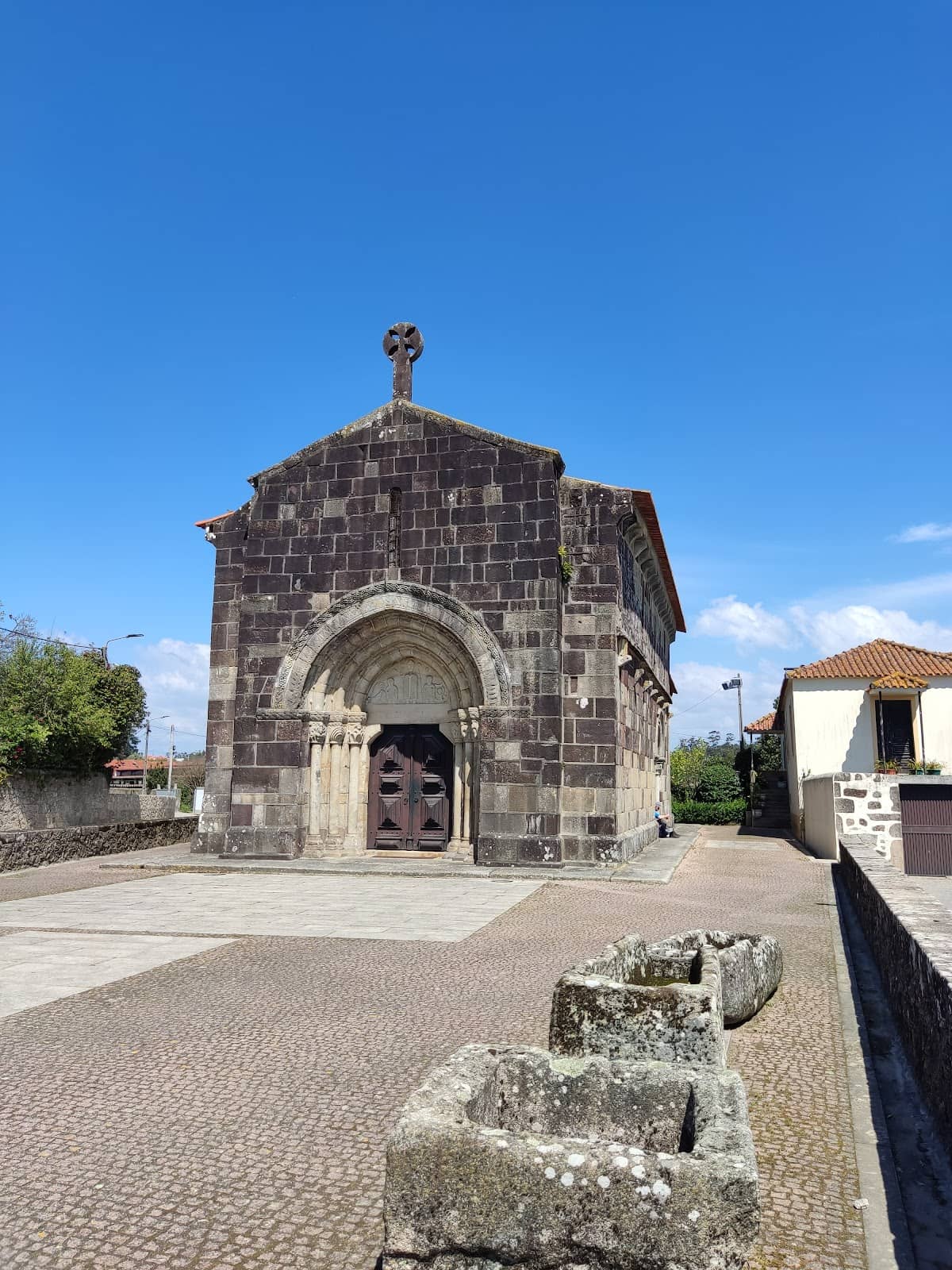
A rare 12th-century Romanesque church, the sole remnant of an ancient monastery, famed for its intricate stone carvings.
Highlights
Must-see attractions

Social
From TikTok & Reddit
Best Time
Best chance for access
Igreja de São Cristóvão Rio Mau
Best Time
Best chance for access
Highlights
Must-see attractions
A rare 12th-century Romanesque church, the sole remnant of an ancient monastery, famed for its intricate stone carvings.
"A unique monument of Romanesque art, but access to its interior is notoriously difficult."
Inquire Locally for Access
No official hours. Knock on nearby doors; some residents may grant access. Be prepared for it to be closed.
Admire Exterior Details
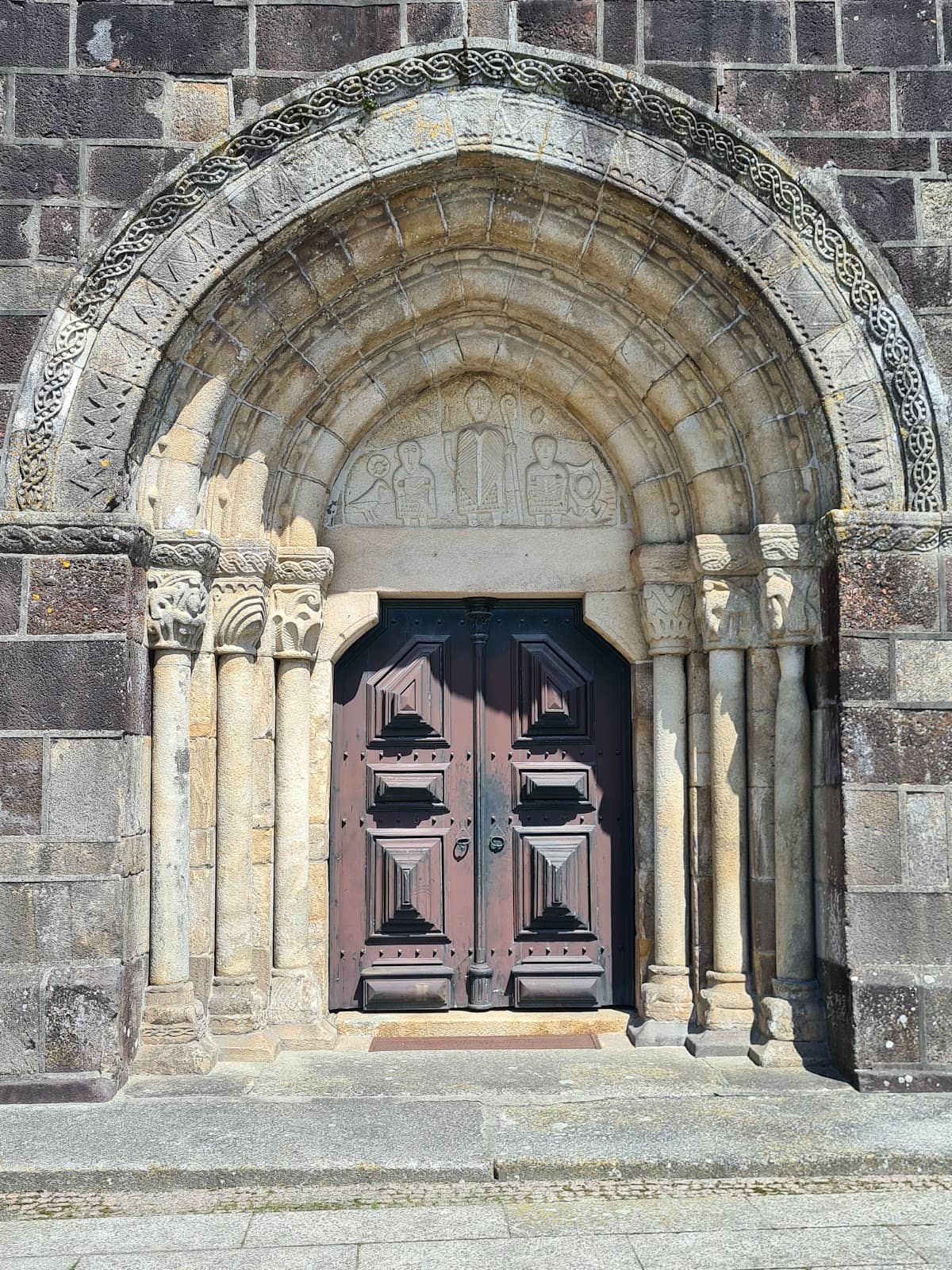
Even if closed, the exterior sculptures, especially the tympanums, are remarkably preserved and worth seeing.
Quick Facts
Rating
4.6 · 64 reviews
Type
Church
Highlights
Discover the most iconic attractions and experiences
Intricate Romanesque Portals
Exterior
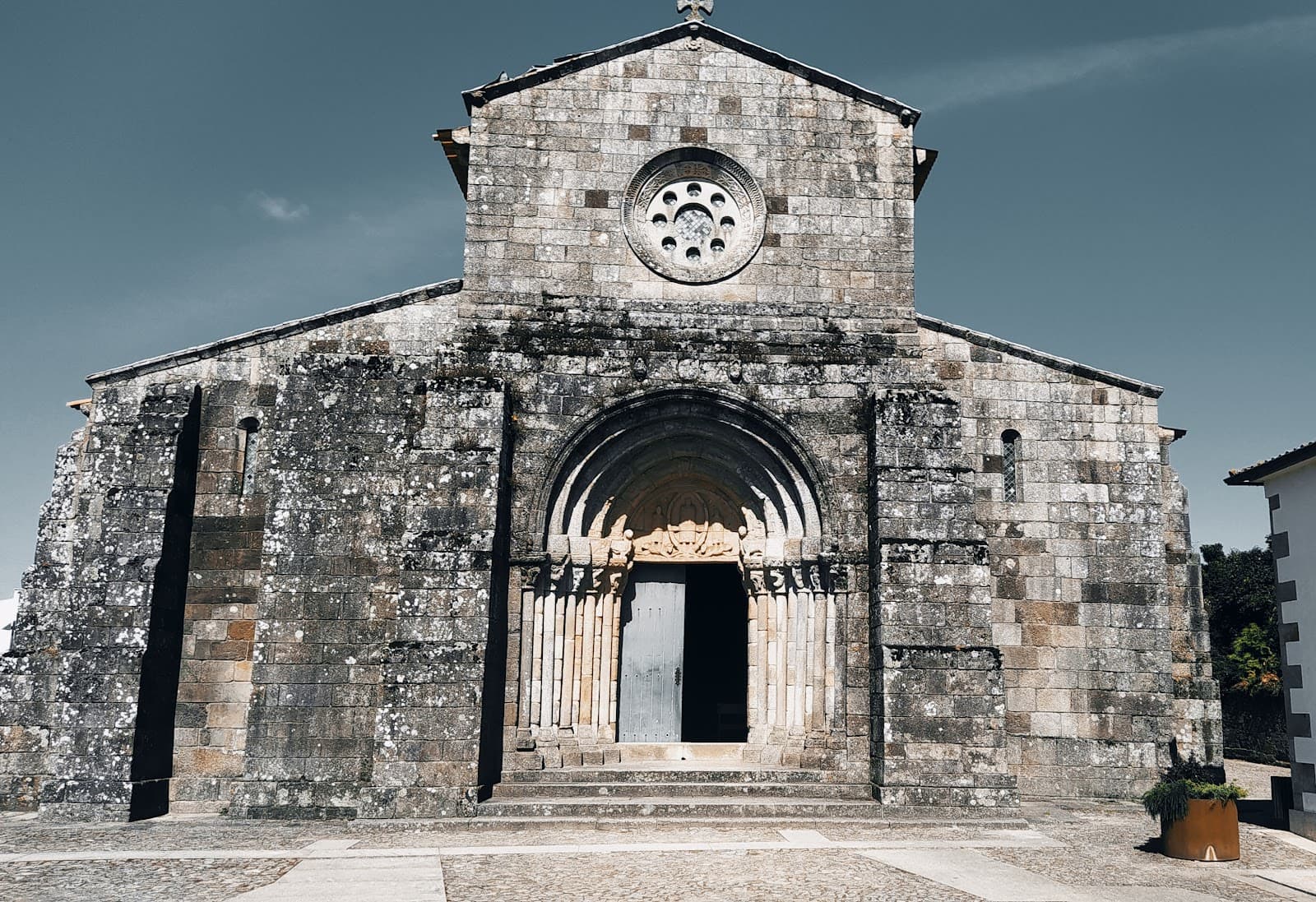
Marvel at the north portal's tympanum with a dragon and griffin, symbolizing the fight between good and evil. The main portal features a bishop, likely St. Augustine, surrounded by symbolic figures.
Unique Wooden Roof Nave
Interior
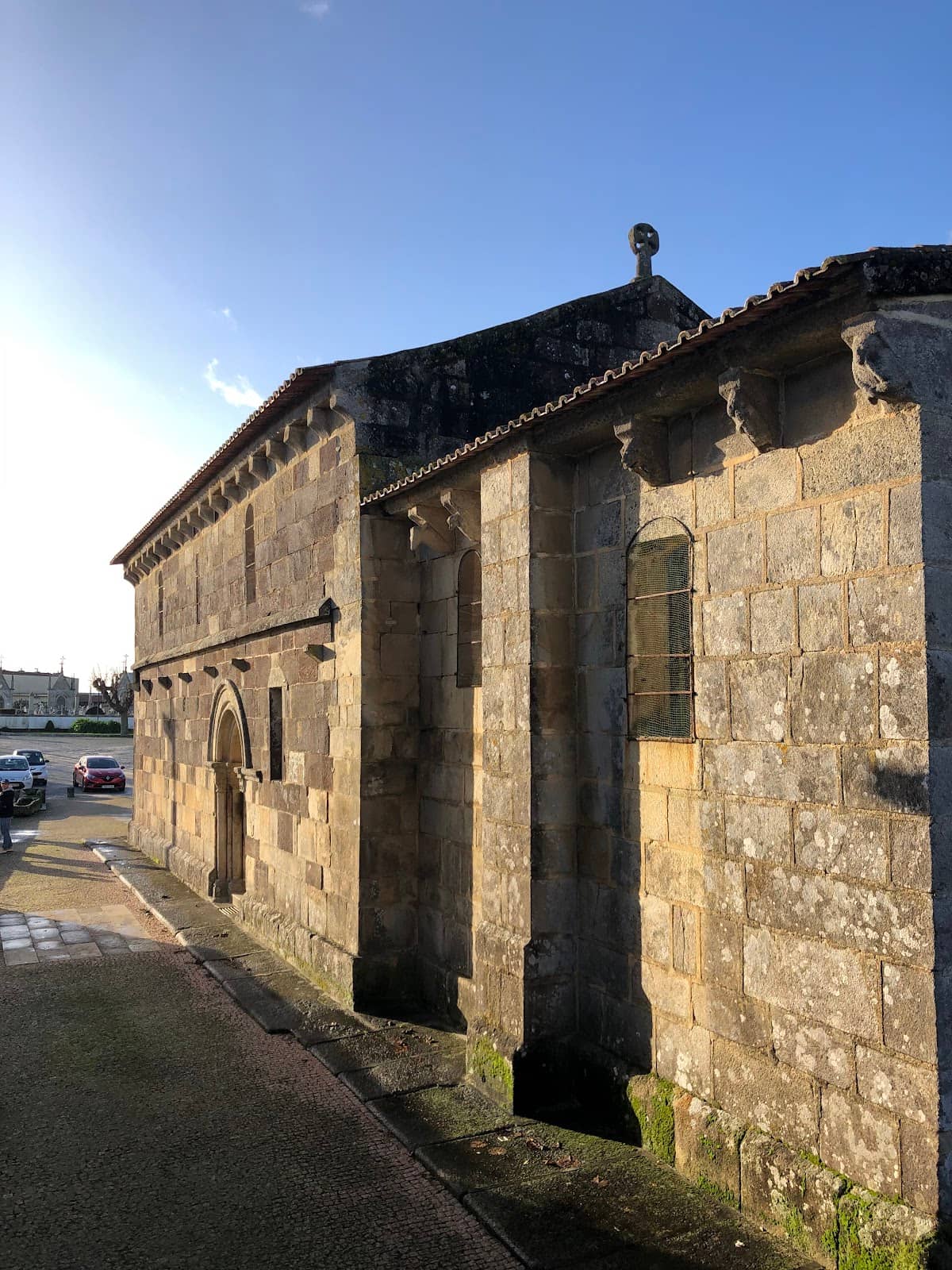
The single nave boasts a distinctive wooden roof, a testament to early medieval construction techniques. The interior offers a glimpse into the monastic past.
Capitals of the Main Portal
Main Portal
Admire the capitals of the main portal, characteristic of the 'Benedictine Romanesque' style prevalent in northern Portugal.
Plans like a pro.
Thinks like you
Planning Your Visit
Accessing This Romanesque Gem
Understanding Its Significance
Best Times
Insider Tips
from TikTok, Instagram & Reddit
Inquire Locally for Access
No official hours. Knock on nearby doors; some residents may grant access. Be prepared for it to be closed.
Admire Exterior Details
Even if closed, the exterior sculptures, especially the tympanums, are remarkably preserved and worth seeing.
Understand Its History
This is a rare surviving example of Romanesque monastic architecture in Portugal.
Patron Saint of Travelers
São Cristóvão, the patron saint, makes this a fitting stop for those on a journey.
Tips
from all over the internet
Inquire Locally for Access
No official hours. Knock on nearby doors; some residents may grant access. Be prepared for it to be closed.
Admire Exterior Details
Even if closed, the exterior sculptures, especially the tympanums, are remarkably preserved and worth seeing.
Understand Its History
This is a rare surviving example of Romanesque monastic architecture in Portugal.
Patron Saint of Travelers
São Cristóvão, the patron saint, makes this a fitting stop for those on a journey.
What Travellers Say
Reviews Summary
Visitors praise the church as a unique and important example of Romanesque art, particularly its intricate exterior sculptures. However, many note the significant difficulty in accessing the interior due to a lack of set hours or contact information, leading to potential disappointment.
"I dont know how to visit. No opening hours displayed, no telephone number. I knocked on the door of the closest house and the lady said she didnt had permission to open the Church."
Tito Teixeira
"A nave é única com cobertura de madeira. Os portais são a parte mais interessante desta parte da igreja. O portal lateral norte tem um tímpano esculpido com um dragão e um grifo enfrentados, uma provável representação da luta entre Jesus e o diabo. Já o portal principal tem um tímpano mais complexo: no centro há um bispo em atitude de bendição, provavelmente Santo Agostinho, uma vez que o mosteiro pertencia aos Cónegos Regrantes de Santo Agostinho. O bispo é ladeado por dois pequenos diáconos e, mais externamente, por duas pequenas figuras, um pássaro com um sol e uma sereia segurando uma lua, símbolos também associados a Santo Agostinho. Este tímpano foi executado de maneira ingênua mas não deixa de ser um belo exemplo de escultura e iconografia românica. Os capitéis da portada principal seguem o estilo do "românico beneditino" típico do norte de Portugal."
Bruno Monteiro
"Um monumento único que merece ser visitado! Esta pequena igreja é tudo o que restou de um antigo mosteiro fundado no séc. XI, sendo um importante representante da época românica em Portugal. O seu padroeiro, São Cristóvão, é o protetor dos viajantes."
Sofia Campos
What People Like
What People Dislike
Frequently Asked Questions
🚇 🗺️ Getting There
The church is located in Rio Mau, a parish of Vila do Conde. Driving is the most practical way to reach it. Public transport options are limited and may require significant walking from the nearest stops. Check local bus schedules if relying on public transit.
Parking can be limited in the small village of Rio Mau. Look for available street parking, but be mindful of local residents' needs. Arriving early might increase your chances of finding a spot.
🎫 🎫 Tickets & Entry
There are no official opening hours displayed, and no telephone number is available for inquiries. Access is not guaranteed.
Visitors have reported success by inquiring at nearby houses. However, residents may not have permission to open the church, so access to the interior is not guaranteed.
As there are no official visiting hours or managed access, there is typically no entrance fee. However, if access is granted by a local, a small donation might be appreciated.
Visiting on weekends is possible, but the lack of set hours means access remains unpredictable. Weekends might see more local activity, potentially increasing chances of finding someone to assist with entry.
🎫 🧭 Onsite Experience
The most striking features are the exterior portals, particularly the north portal with its dragon and griffin carving, and the main portal's tympanum depicting a bishop. The unique wooden roof inside is also a highlight.
Yes, the intricate Romanesque carvings on the portals and the rustic architecture make it a picturesque site for photography, especially the detailed tympanums.
It's a significant example of Portuguese Romanesque art, being the sole remaining structure of an 11th-century monastery. It was classified as a National Monument in 1910.
The carving on the north portal's tympanum is believed to represent the struggle between Jesus and the devil, a common theme in medieval religious art.
The bishop is likely Santo Agostinho (Saint Augustine), as the monastery was associated with the Canons Regular of Saint Augustine.
🍽️ 🍽️ Food & Dining
The immediate area around the church in Rio Mau is small and may have limited dining options. It's advisable to explore dining in the larger nearby town of Vila do Conde for a wider selection of restaurants and cafes.
While there are no specific rules mentioned, it's respectful to avoid eating or drinking directly on the church grounds, especially if you are able to gain access to the interior. Pack out any trash you bring in.
📸 📸 Photography
Focus on the detailed Romanesque sculptures of the portals, especially the tympanums. The unique wooden nave interior (if accessible) and the church's rustic exterior also offer great shots.
If you are able to enter the church, photography is generally permitted for personal use. However, always be respectful of the sacred space and avoid using flash if it might disturb others or damage any artwork.
Late afternoon light can beautifully highlight the textures of the stone carvings. However, capturing the details of the tympanums might be best in diffused daylight to avoid harsh shadows.




Social
from TikTok, Instagram & Reddit