
Maieri I Church
A simple, historically rich 18th-century church in the Maieri District, offering a glimpse into Transylvania's past.
Highlights
Must-see attractions

Social
From TikTok & Reddit
Best Time
Fewer crowds, peaceful atmosphere
Maieri I Church
Best Time
Fewer crowds, peaceful atmosphere
Highlights
Must-see attractions
A simple, historically rich 18th-century church in the Maieri District, offering a glimpse into Transylvania's past.
"It's a place full of history and spiritual experience."
Check Interior Access
The inside may not always be open; confirm access beforehand if you wish to explore. :informationdeskperson:
Appreciate the Yard
Even if closed, the exterior and yard are worth exploring for their historical charm. 🏞️

Quick Facts
Rating
4.5 · 26 reviews
Type
Church
Highlights
Discover the most iconic attractions and experiences
18th Century Architecture
Exterior
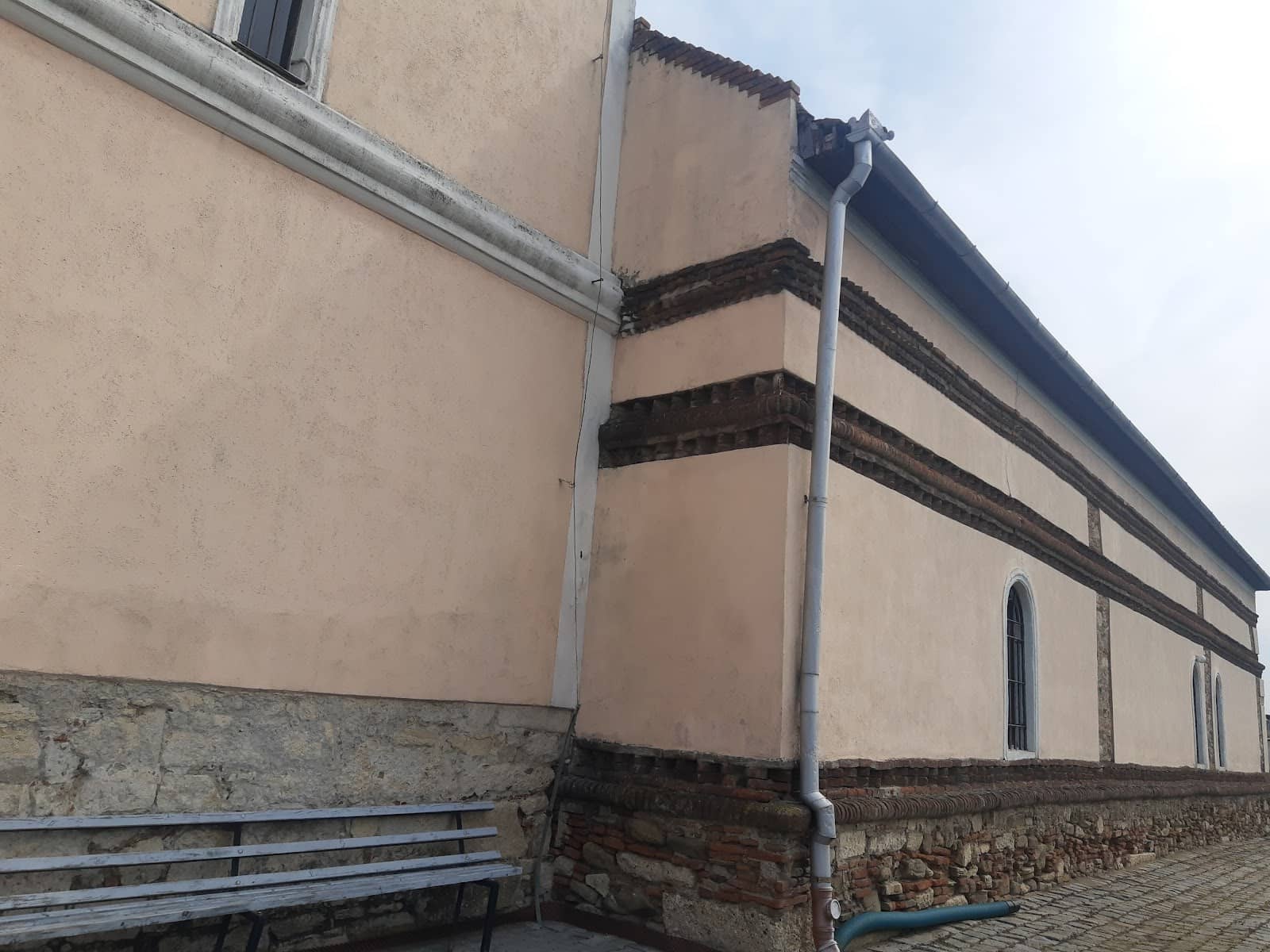
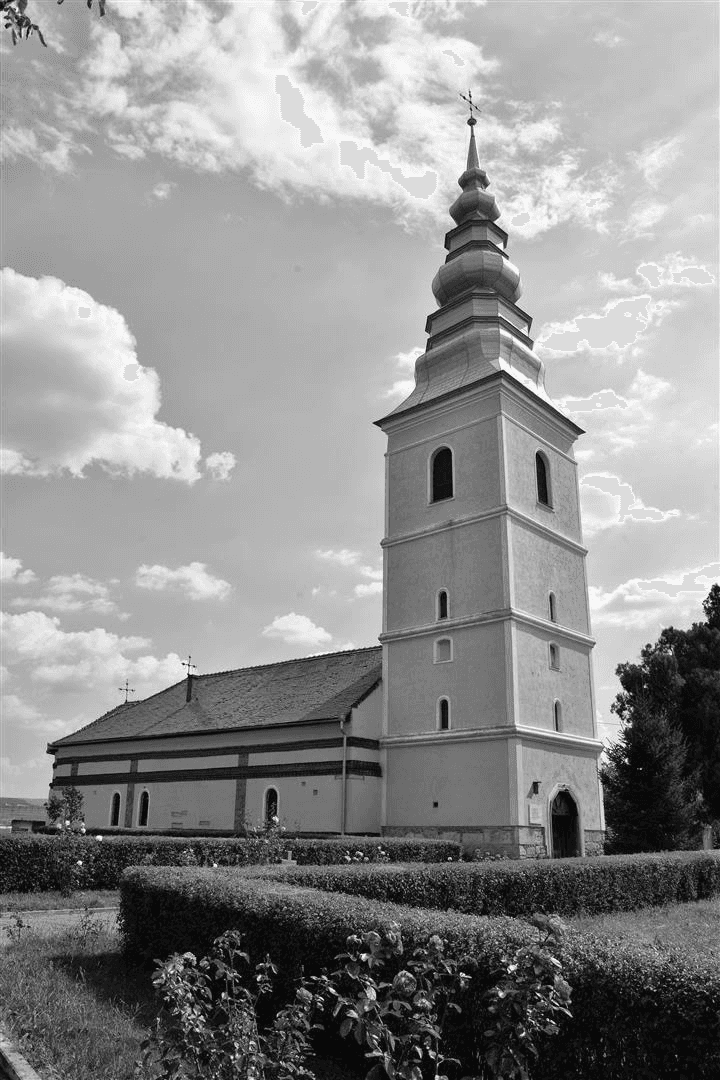
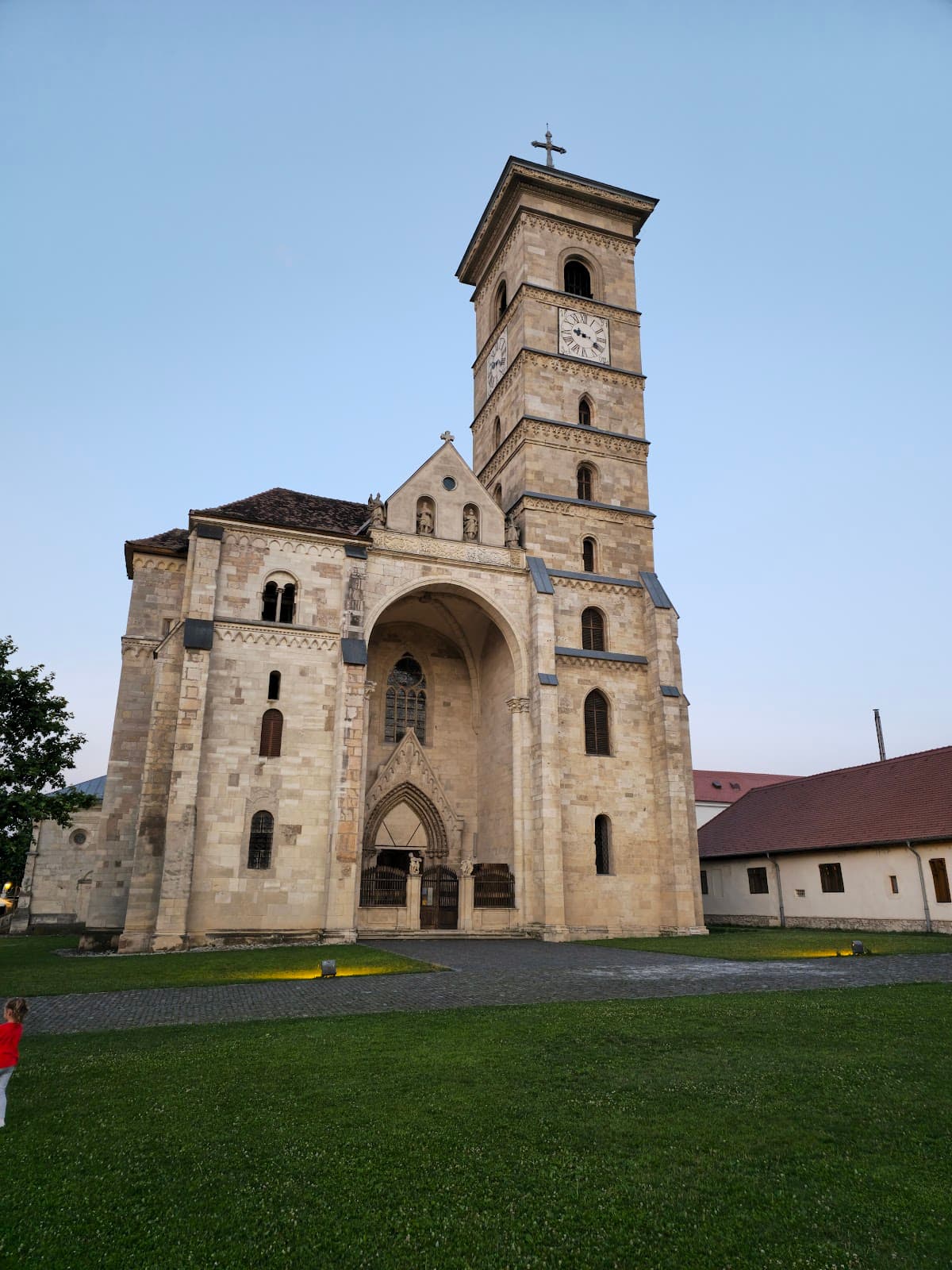
Admire the simple yet historically significant architecture of this early 18th-century church, built after Habsburg control was re-established.
Well-Kept Yard
Church Grounds
The church boasts a beautifully maintained yard, offering a peaceful space for reflection and appreciation of the historical setting.
Historical Significance
Entire Site
Discover the layers of history, from its origins after Michael the Brave to its role in religious shifts and restorations.
Plans like a pro.
Thinks like you
Planning Your Visit
Timing Your Visit
Exploring the Grounds
Best Times
Insider Tips
from TikTok, Instagram & Reddit
Check Interior Access
The inside may not always be open; confirm access beforehand if you wish to explore. :informationdeskperson:
Appreciate the Yard
Even if closed, the exterior and yard are worth exploring for their historical charm. 🏞️
Learn the History
Research its past to enhance your visit; it has a complex history of religious shifts. 📜
Tips
from all over the internet
Check Interior Access
The inside may not always be open; confirm access beforehand if you wish to explore. :informationdeskperson:
Appreciate the Yard
Even if closed, the exterior and yard are worth exploring for their historical charm. 🏞️
Learn the History
Research its past to enhance your visit; it has a complex history of religious shifts. 📜
What Travellers Say
Reviews Summary
Visitors describe Maieri I Church as a historically significant site with a simple yet well-maintained exterior and yard. While interior access can be inconsistent, the historical context and peaceful atmosphere of the grounds are appreciated. It's a place that offers a quiet glimpse into the past, particularly for those interested in local history and religious architecture.
"Built at the beginning of the 18th century after the Habsburgs had regained control over Transylvania in the spot of an older church built by Wallachian voivode Michael the Brave. It's a simple church with a well kept yard, couldn't explore the inside though"
Klaus Wanderer
"A place full of history and spiritual experience."
Teofil Slevas
"Maieri District. There was a neighborhood of the same name within the city in the 17th century. In the 18th century, locals moved here after the demolition of the old suburbs, an unsuitable and swampy land. Until the beginning of the 19th century, the suburb was mostly inhabited by Romanians, had an agrarian character and was not recognized as a neighborhood of the city.
Maieri II Church was built in 3 phases.
In 1714-1715, the altar and nave were erected.
In 1720-1725, the nave was extended to the west with the financing of the Romanian nobleman Andrei Boier. Another wealthy Romanian named Bucur Spinare financially supported the execution of the mural painting by Iosif Hieromonk from Hurezi in 1717.
The anti-Greek Catholic revolt led by Sofronie from Cioara also reached Alba Iulia in 1760, when the church of the Greek Catholic Episcopate in Maieri was forcibly taken by the Orthodox. General Buccow resolved the conflict on the side of the Uniates and returned the church to them for use.
In 1763, the three-story bell tower was built with tombstones as a foundation - the tombstone of the mistress Ana de Hunedoara - works financed by the Greek Catholic bishop Petru Pavel Aron.
In 1948, it returned to the Orthodox cult and was restored between 1961-1966."
Zota Daniel Nicolae
What People Like
What People Dislike
Frequently Asked Questions
🚇 🗺️ Getting There
Maieri I Church is located in the Maieri District. While specific public transport details aren't widely shared, it's often accessible by local buses or a short taxi ride from the city center. Parking might be limited, so consider walking or public transport if possible.
Yes, the Maieri District itself is a historical area, and the church is situated within it. Exploring the surrounding neighborhood on foot can add to the experience.
🎫 🎫 Tickets & Entry
Generally, there are no admission fees for visiting the exterior and yard of Maieri I Church. However, access to the interior may vary and might not always be available.
Specific opening hours for the interior are not consistently published. It's best to visit during daylight hours to explore the grounds and exterior.
Access to the interior of Maieri I Church can be inconsistent. Some visitors have noted they couldn't explore the inside, while others have had the opportunity. It's advisable to check locally or be prepared to admire it from the outside.
🎫 🧭 Onsite Experience
You can admire the 18th-century architecture, explore the well-kept yard, and learn about its rich history, including its construction after Michael the Brave and subsequent religious shifts.
The church's historical architecture and serene yard make it a picturesque spot for photography, especially during the golden hours of morning or late afternoon. 
Built between 1713-1715, it replaced an older church and has a complex history involving Romanian noblemen, anti-Greek Catholic revolts, and returns to Orthodox cult.
🍽️ 🍽️ Food & Dining
The church is located in the Maieri District, which is part of a larger city. You'll likely find dining options in the nearby city center or other established neighborhoods.
📸 📸 Photography
Focus on the exterior architectural details, the peaceful churchyard, and the surrounding historical context of the Maieri District. The lighting during early morning or late afternoon can enhance your shots.
If interior access is granted, photography rules may apply. It's always best to be respectful and inquire about any restrictions before taking pictures inside.



Social
from TikTok, Instagram & Reddit