
Museikon Icon Museum
Discover centuries of Romanian religious art and modern masterpieces in a beautifully restored building. A cultural gem.
Highlights
Must-see attractions

Social
From TikTok & Reddit
Best Time
Fewer crowds, more reflection time
Museikon Icon Museum
Best Time
Fewer crowds, more reflection time
Highlights
Must-see attractions
Discover centuries of Romanian religious art and modern masterpieces in a beautifully restored building. A cultural gem.
"This is a fantastic museum and hopefully I can see more museums like this in Romania."
🎯 Bring Cash for Entry
Card payment might not always be available, so having cash ensures smooth entry. :moneybag:
📸 Photography Welcome!
Capture the stunning details of the icons; photography is generally permitted. :camerawithflash:
Quick Facts
Hours
Rating
4.7 · 262 reviews
Type
Museum
Highlights
Discover the most iconic attractions and experiences
15th-19th Century Icons
Alba County, Romania
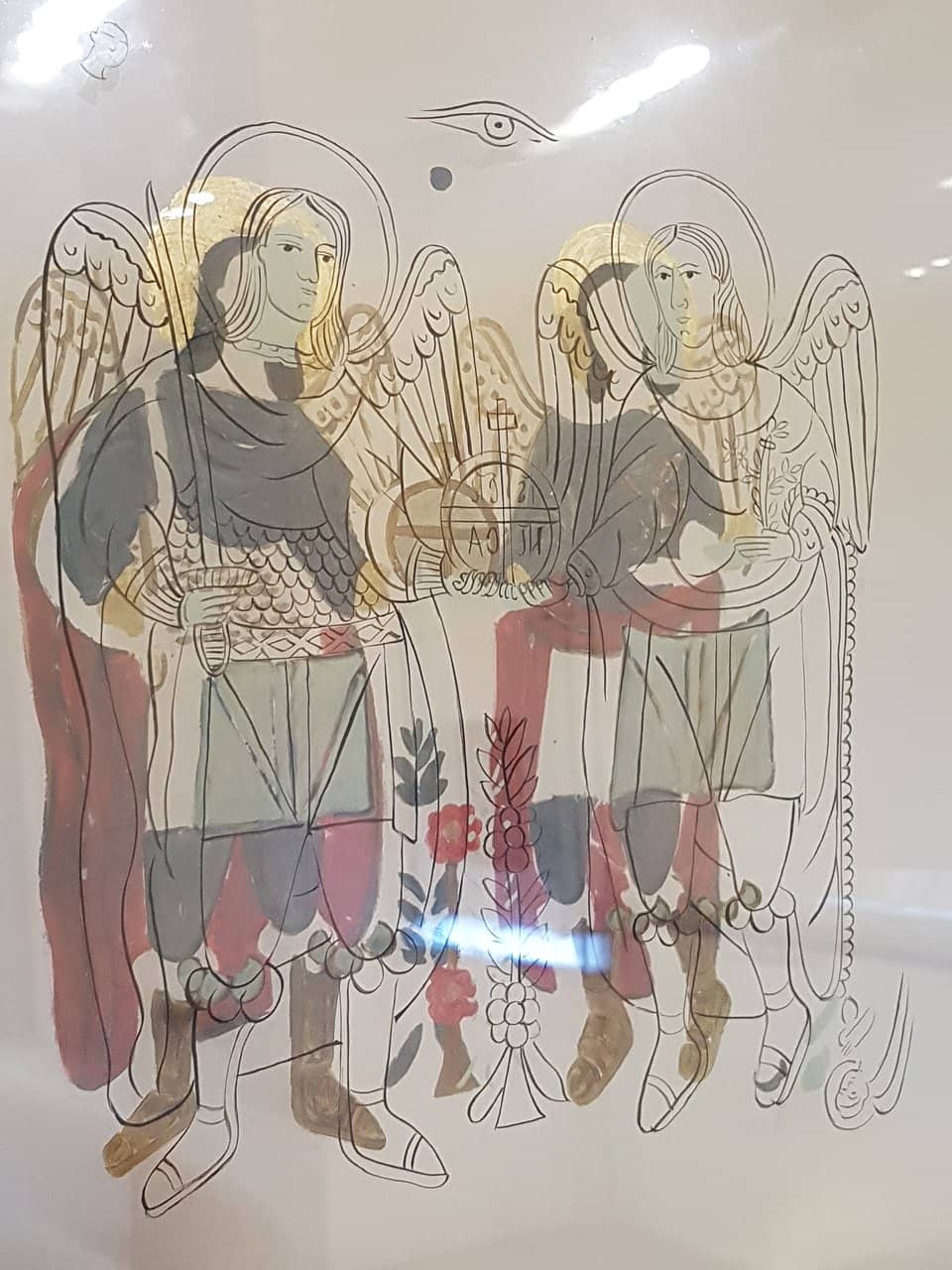
Discover Transylvanian icons, including the Trifaced Holy Trinity and Mother of God with Child, showcasing regional artistry.
Modern Art Displays
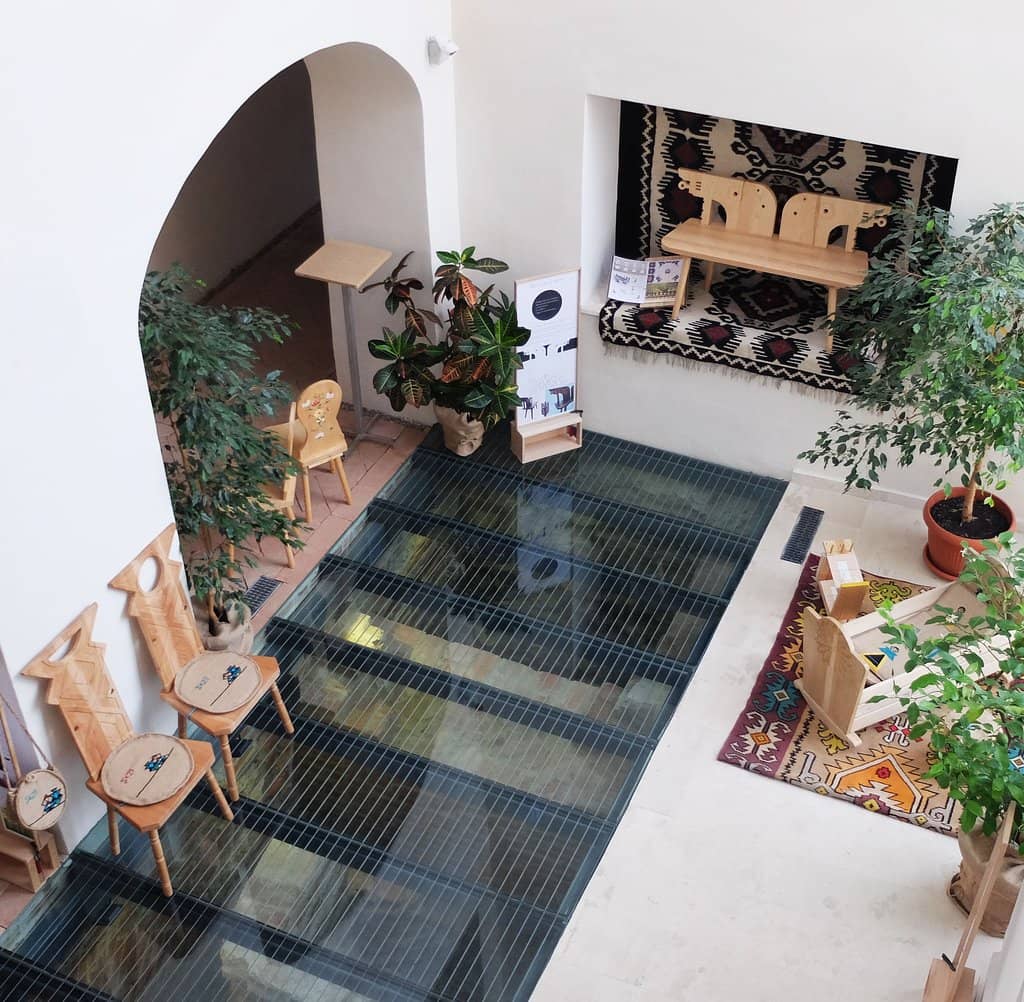
Upper floors and basement
Experience a striking contrast with modern art exhibitions, blending the old with the new in a dynamic display.

Restoration Insights
Learn about the intricate process of restoring old icons and manuscripts, offering a glimpse into preservation techniques.
Plans like a pro.
Thinks like you
Planning Your Visit
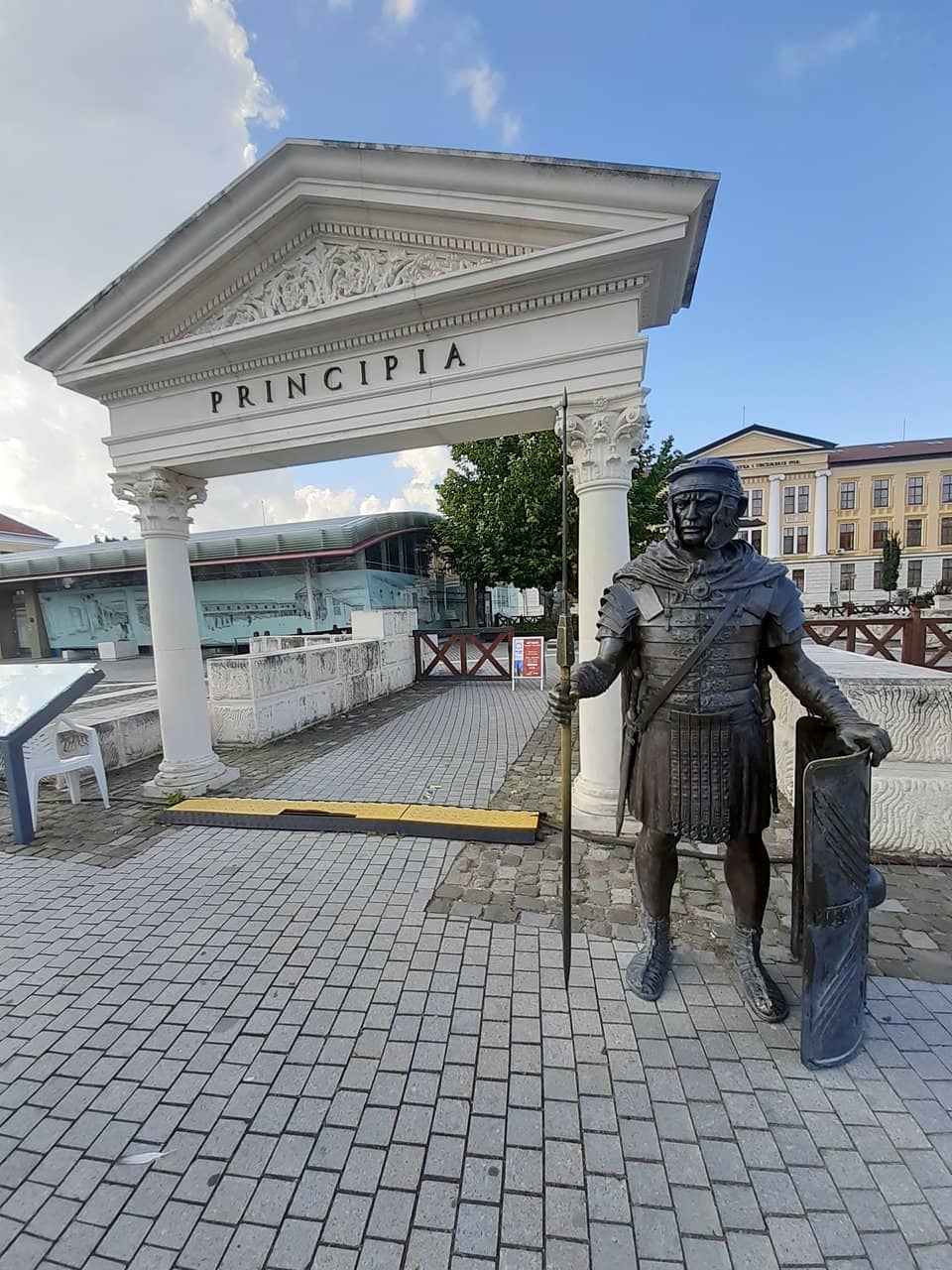
Navigating the Entrance
Payment and Information
Best Times
Insider Tips
from TikTok, Instagram & Reddit
🎯 Bring Cash for Entry
Card payment might not always be available, so having cash ensures smooth entry. :moneybag:
📸 Photography Welcome!
Capture the stunning details of the icons; photography is generally permitted. :camerawithflash:
15th to 19th century icons from Alba county, Romania
From the museum of old religious art and writings (books and manuscripts) in Alba Iulia, called Museikon (location below). Descriptions for some of them: 1. Trifaced Holy Trinity - Transylvanian workshop, end of 18th century, Geoagiu de Sus 2. Mother of God with Child, flanked…
⏳ Allow 2 Hours
For a deep dive into the exhibits and their history, plan for about two hours. ⏳
🗺️ Don't Fear the Entrance
The path through medical institutions can be confusing, but the museum is worth the slight detour. :round_pushpin:
Tips
from all over the internet
🎯 Bring Cash for Entry
Card payment might not always be available, so having cash ensures smooth entry. :moneybag:
📸 Photography Welcome!
Capture the stunning details of the icons; photography is generally permitted. :camerawithflash:
⏳ Allow 2 Hours
For a deep dive into the exhibits and their history, plan for about two hours. ⏳
🗺️ Don't Fear the Entrance
The path through medical institutions can be confusing, but the museum is worth the slight detour. :round_pushpin:
What Travellers Say
Reviews Summary
Visitors consistently praise the Museikon Icon Museum for its excellent curation, stunning collection of historical icons, and the engaging blend of old and new art. The affordable entry fee and the permission to take photos are significant highlights. Some minor points for improvement include ensuring card payment options are available and potentially expanding the theological context of the exhibits.
"I personally enjoyed my time in this museum. I have visited a lot of museums abroad and finally I am happy to see a good curated and well arranged museum in Romania. I appreciated the striking combination between old and new, upper floors had modern art displays, the same as the basement. I also appreciated the color mix and the icons displayed on different color backgrounds, also very nice to have them categorized from regions of Romania and include a bit of history next to each. This is a fantastic museum and hopefully I can see more museums like this in Romania. Only thing to improve is to add debit or credit card payment, would be annoying not to be able to get in because you don't have cash. Another aspect that cannot be changed is the entrance path to the museum through a public medical institution."
Andrei Petrescu
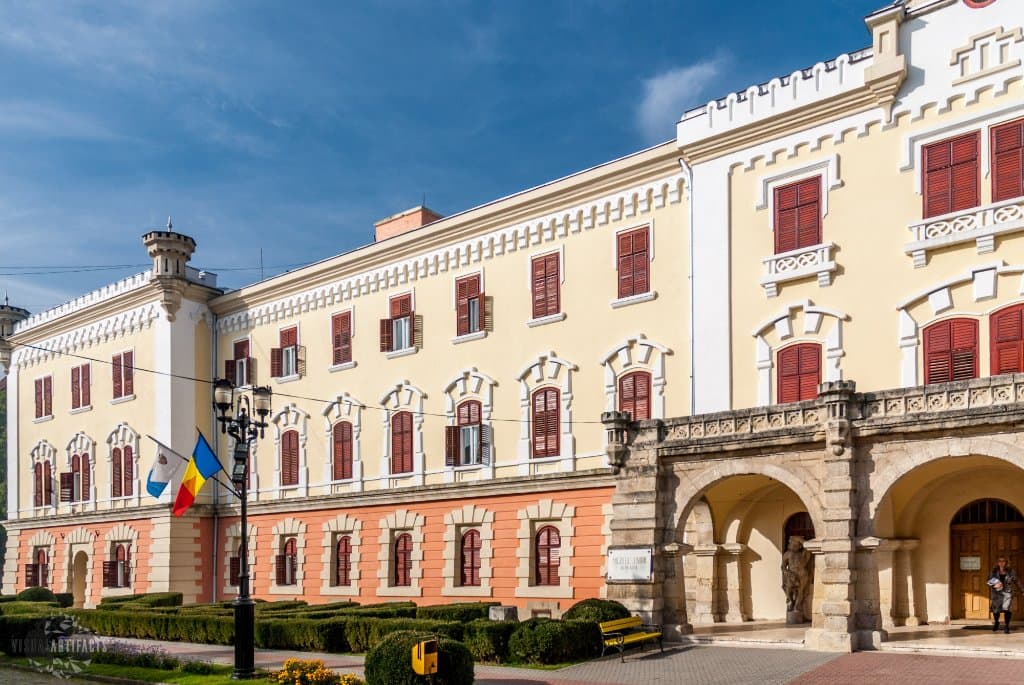
"Pretty little icon museum, elegantly laid out in a beautifully restored building (the surrounding government and medical buildings on the access road look quite shabby - you can't help thinking "am I in the right place"? - but could serve as a reminder of the transition Romania has made in recent decades).
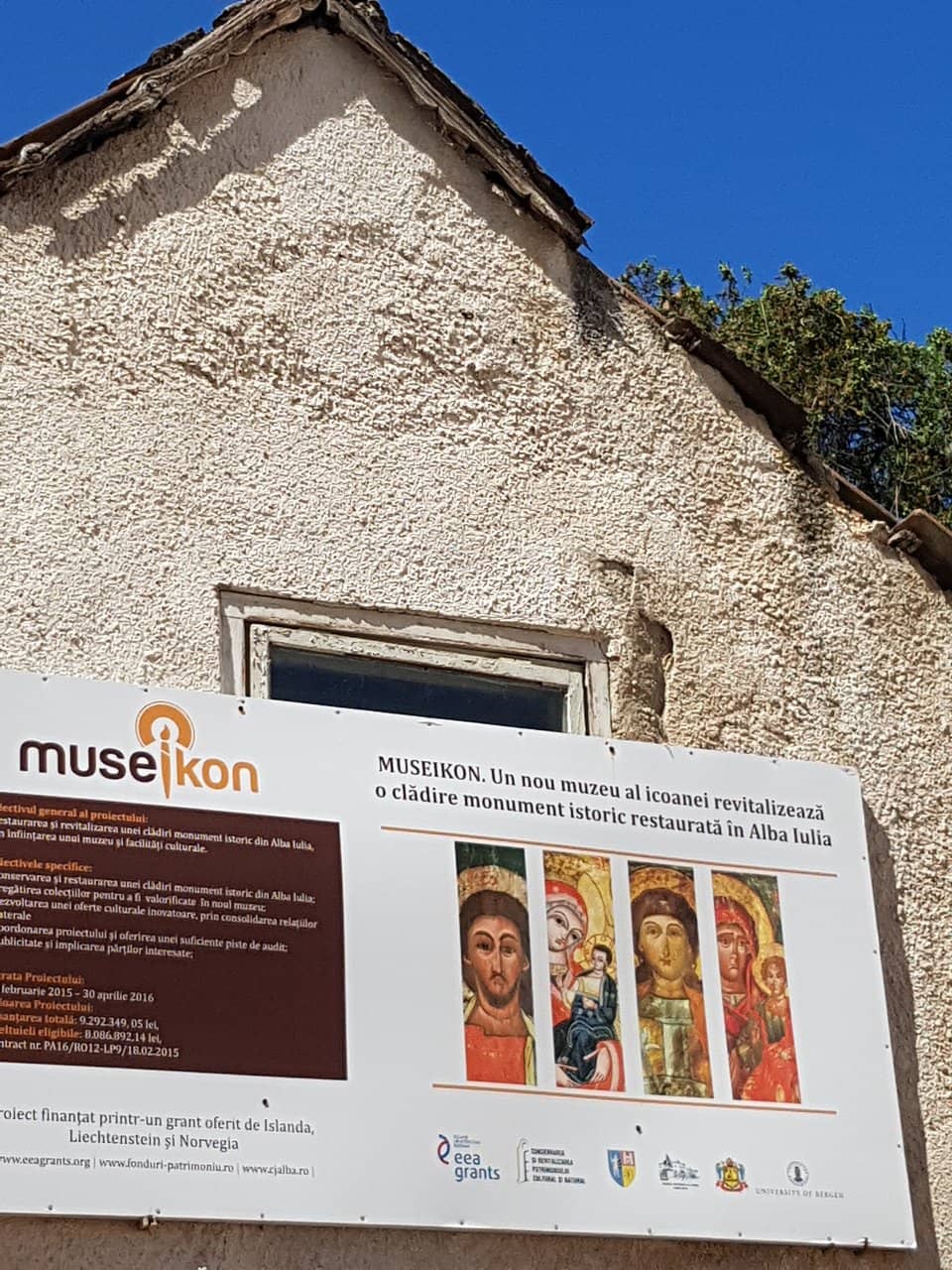
For a recent project financed by the EEA countries, indications in English are too scarce, and the place feels "provincial". I think everything should be in Romanian and English.
For a country with a communist past, opening a "purely secular" icon museum looks a bit strange in 2025. You cannot honestly present the styles and techniques without explaining some of the theology behind icons. Why were figurative representations (except the slaughtered Paschal Lamb) prohibited for 6 centuries? Why were they then allowed? Why did Christianity had periods of iconoclasm where many icons and statues were destroyed? Why is the distinction between veneration and adoration (Council of Nicaea II) so important theologically? Why was western Christianity quicker to adopt carved (3-dimensional) images? Maybe you could work with some good theologians from different Christian denominations and help the visitor understand what a religious icon is... going beyond it's museological reduction to a simple anthropological artefact or work of art. You might actually help the visitor discover some fascinating things..."
René Micallef
"Top level curation and stunning museum pieces, this is one of the best church related museums I've seen in Europe, in Romania it is on equal footing with the Metropolitan Museum in Iasi
For 2 euros you get to explore amazing church art going back to the 16th century, you get to understand the story behind it all and even get a lesson in what it means to restore old icons and books
You can take as many pictures as you want, this is one of those places that's so good I had to snap a picture of everything. For deep exploration it takes about two hours, it's not heavy on the text and it has everything translated to English"
Klaus Wanderer
What People Like
What People Dislike
Frequently Asked Questions
🚇 🗺️ Getting There
The museum is located in Alba Iulia, Romania. While the surrounding government and medical buildings might look unassuming, the museum is within a beautifully restored building. Public transport options to Alba Iulia are available, and once in the city, the museum is accessible.
Information on specific parking availability can vary. It's advisable to check local parking regulations or look for public parking areas in the vicinity of the museum in Alba Iulia.
Using a GPS navigation app on your smartphone is recommended. Search for 'Museikon Icon Museum, Alba Iulia' and follow the directions.
🎫 🎫 Tickets & Entry
Opening hours can vary, so it's best to check the museum's official website or local listings before your visit. Generally, museums are open during daytime hours on weekdays and weekends.
Admission is very affordable, often around 2 Euros, making it an excellent value for the experience.
It's recommended to bring cash, as debit or credit card payment options might be limited or unavailable.
There is no strict dress code, but as it is a museum of religious art, dressing respectfully is advisable.
While specific guided tours might not always be advertised, the museum provides historical context for its exhibits, and you can explore at your own pace.
🎫 🏛️ Onsite Experience
The museum primarily features a significant collection of 15th to 19th-century icons from the Alba county region, alongside modern art displays.
Yes, photography is generally allowed inside the museum, allowing you to capture the beauty of the icons.
For a thorough exploration of the exhibits and their historical context, plan for approximately two hours.
Yes, the museum provides translations for its exhibits, making them accessible to international visitors.
The museum showcases the rich history of religious art in Romania and offers insights into the restoration of ancient icons and manuscripts.
🍽️ 🍽️ Food & Dining
Typically, museums of this size do not have on-site restaurants. However, there are likely cafes and restaurants in the vicinity of Alba Iulia's city center.
It's generally not permitted to consume food or drinks inside museum galleries to protect the exhibits. Please check for designated areas if available.
📸 📸 Photography
The icons themselves, with their intricate details and vibrant colors, are the main photographic subjects. The modern art sections also offer unique visual opportunities.
While general photography is allowed, it's always good practice to be mindful of other visitors and avoid flash photography if it might be disruptive.
A good quality smartphone camera or a DSLR with a versatile lens will suffice. Natural light is often best, so avoid using flash if possible.
Social
from TikTok, Instagram & Reddit