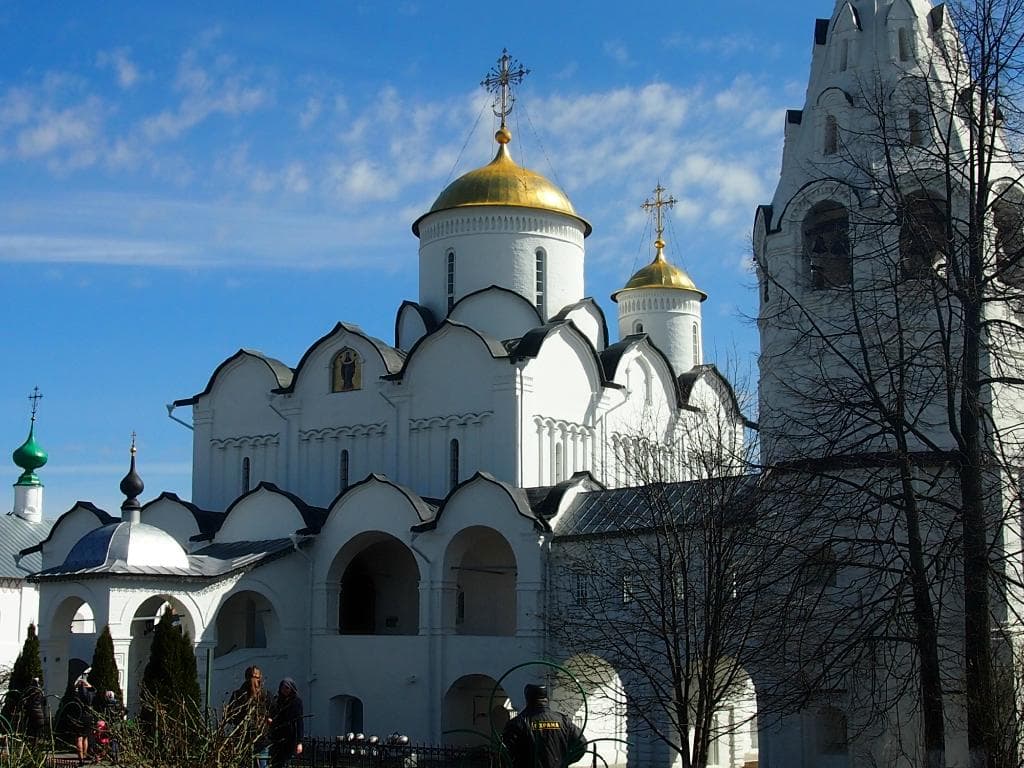
Pokrovsky Monastery
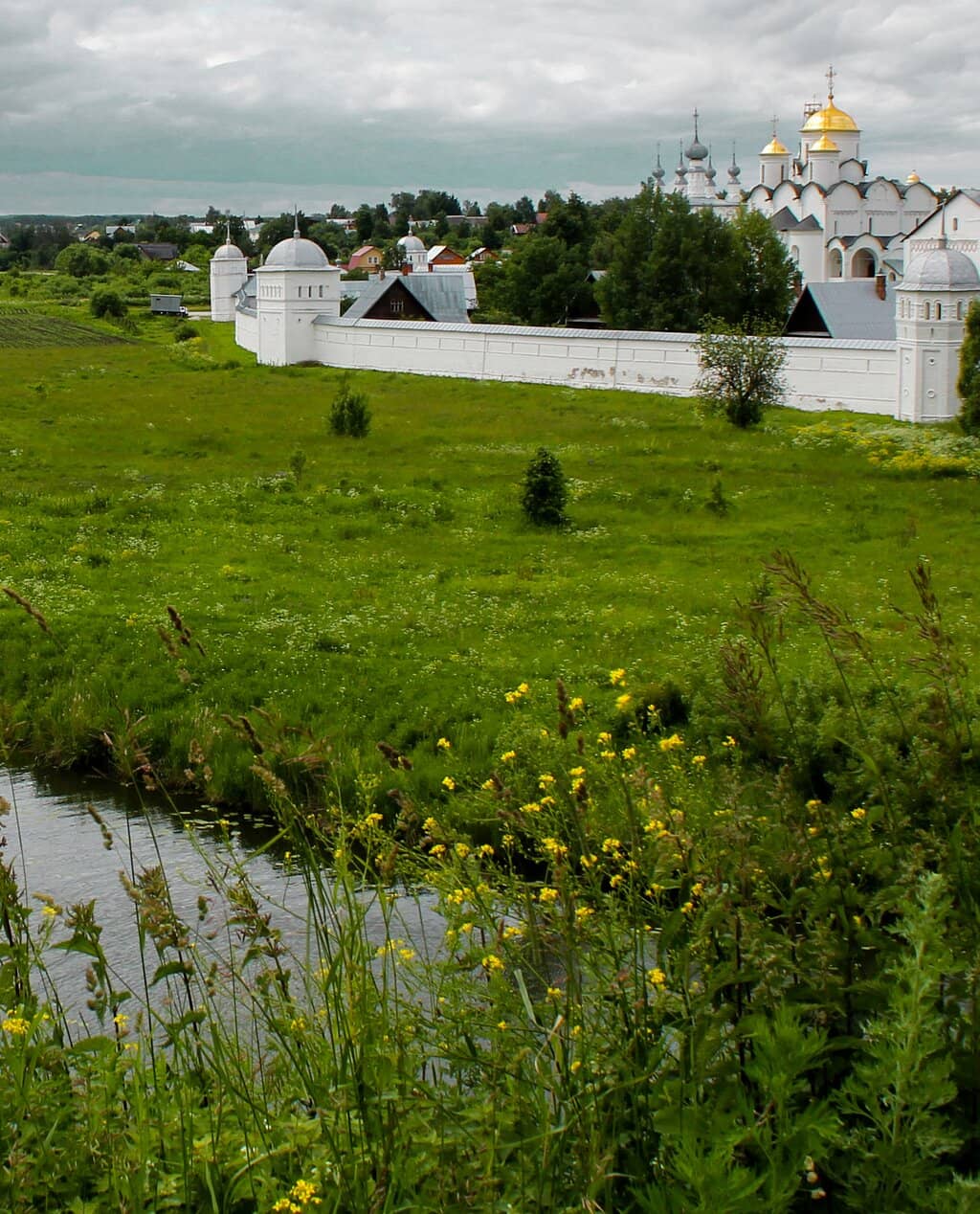
A historic Russian Orthodox convent with stunning 16th-century architecture, known for royal exiles and the relics of Saint Matrona.
Highlights
Must-see attractions

Social
From TikTok & Reddit
Best Time
Fewer crowds, more peaceful
Pokrovsky Monastery
Best Time
Fewer crowds, more peaceful
Highlights
Must-see attractions
A historic Russian Orthodox convent with stunning 16th-century architecture, known for royal exiles and the relics of Saint Matrona.
"A place of profound spiritual and historical interest, blending royal exile with revered sainthood."
👗 Modest Dress Code
Cover shoulders & knees. Headscarves for women are recommended.
🚶♀️ Explore the Grounds
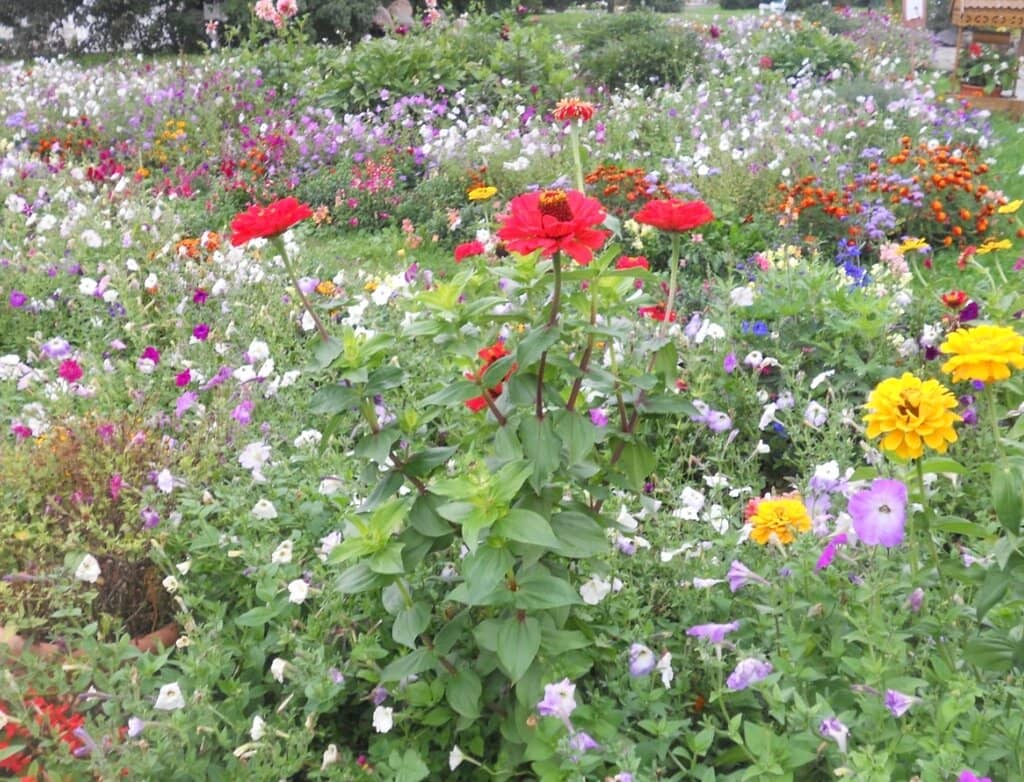
Even closed areas offer stunning views. Enjoy the gardens.
Quick Facts
Rating
4.8 · 1,191 reviews
Type
Place of Worship
Highlights
Discover the most iconic attractions and experiences
Pokrovsky Cathedral
Main Temple
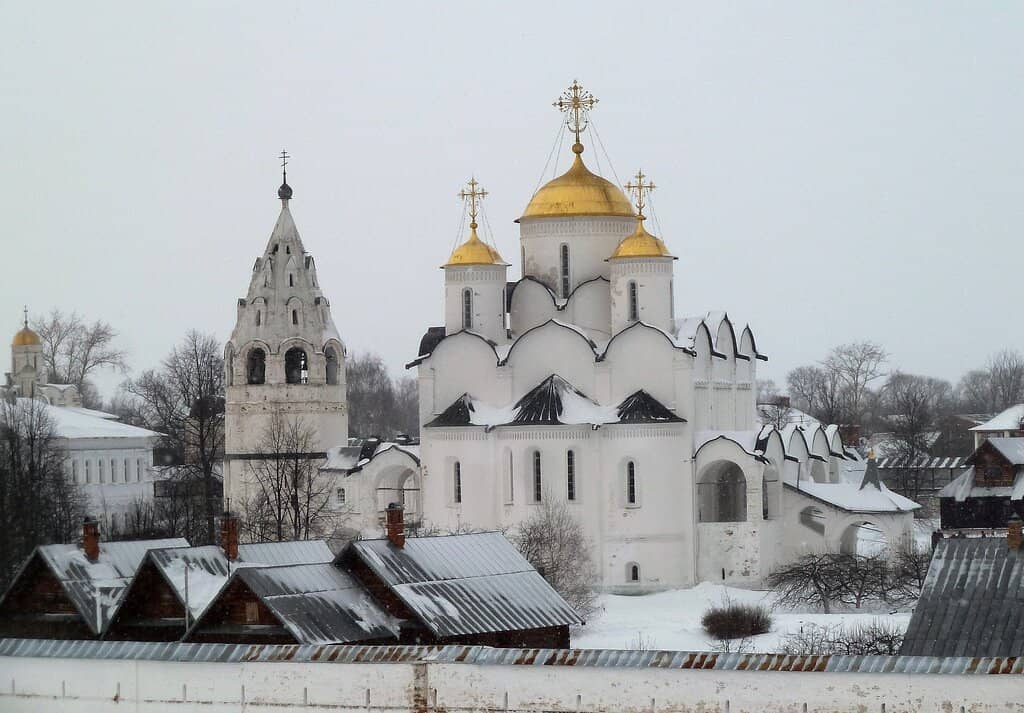
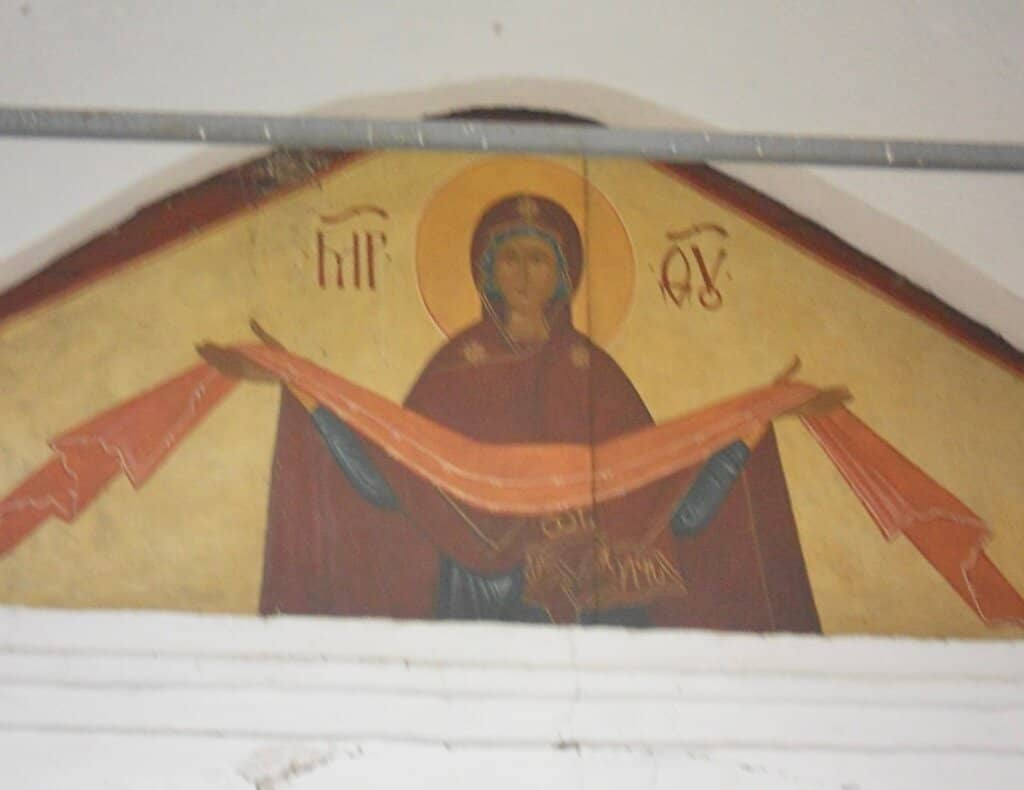
Majestic three-domed cathedral with intricate icons and artistic sewing, a tomb for noble nuns.
Tented Bell Tower
Adjacent to Cathedral
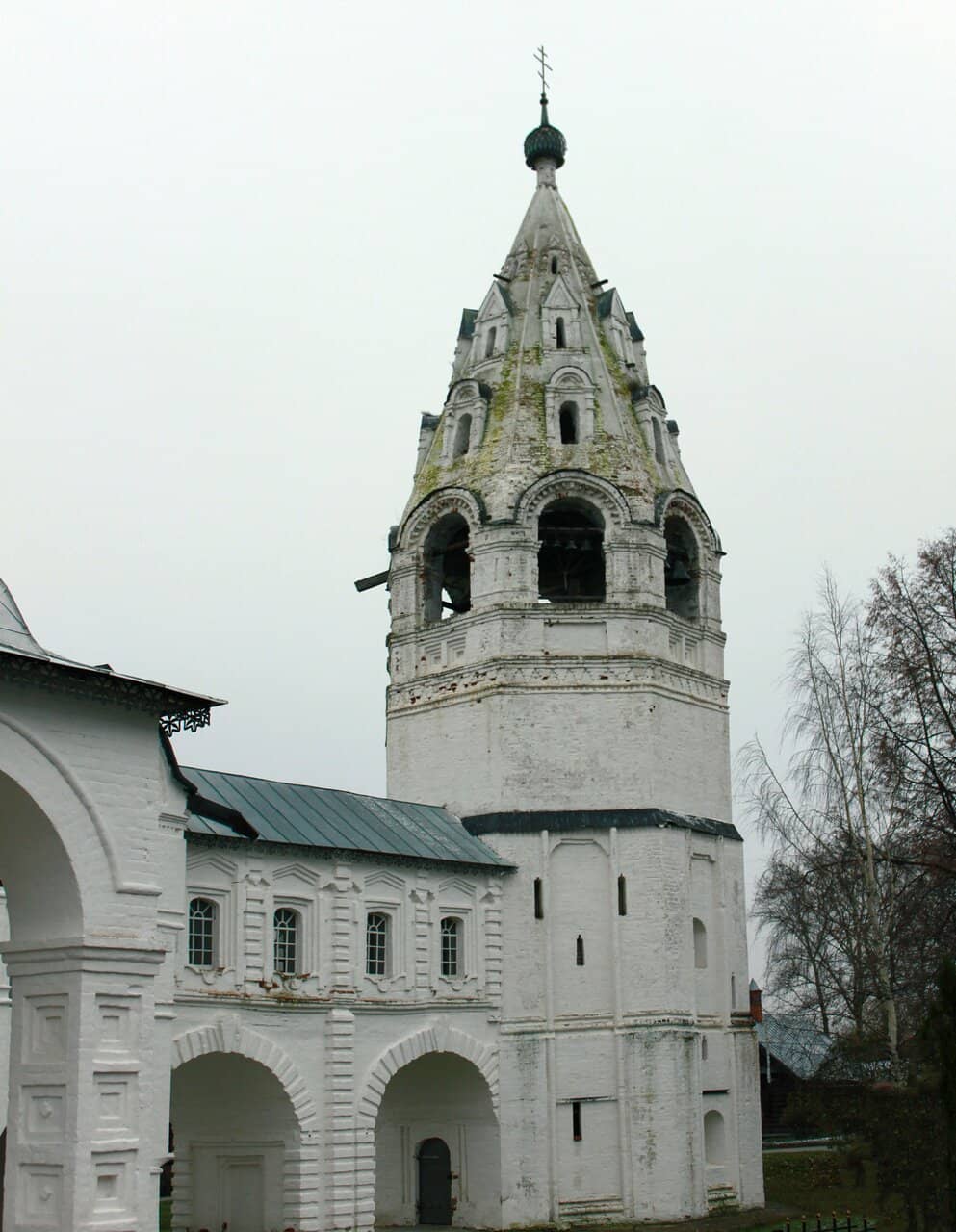
Rare monument of ancient Russian architecture, dating back to the 16th century with a later tent.
Holy Gates
Entrance
Four-sided tower with asymmetrical arches and a gate-church, resembling wood carving.
Plans like a pro.
Thinks like you
Planning Your Visit
Respectful Attire is Key
Timing Your Visit for Serenity

Best Times
Insider Tips
from TikTok, Instagram & Reddit
👗 Modest Dress Code
Cover shoulders & knees. Headscarves for women are recommended.
🚶♀️ Explore the Grounds
Even closed areas offer stunning views. Enjoy the gardens.
📸 Photography Etiquette
Be respectful when taking photos, especially of nuns.
🙏 Embrace the Serenity
Soak in the spiritual atmosphere and rich history.
Tips
from all over the internet
👗 Modest Dress Code
Cover shoulders & knees. Headscarves for women are recommended.
🚶♀️ Explore the Grounds
Even closed areas offer stunning views. Enjoy the gardens.
📸 Photography Etiquette
Be respectful when taking photos, especially of nuns.
🙏 Embrace the Serenity
Soak in the spiritual atmosphere and rich history.
What Travellers Say
Reviews Summary
Visitors often praise the Pokrovsky Monastery for its stunning 16th-century architecture, particularly the cathedral and bell tower, and its historical significance as a place of royal exile and home to revered saints. However, some find the atmosphere to be less welcoming than other monasteries, with parts of the territory being inaccessible due to its active status.
"The Intercession (Pokrovsky) Monastery was founded in 1364, but from this initial period, practically nothing was preserved. All that has come down to our days, mainly refers to the first half of the 16th century and a later period, and is associated with dramatic events in the life of the Grand Duke's family – the Moscow prince Basil III. He decided on an unheard violation of church rules – a divorce with his first wife Solomoniya Saburova, who after twenty years of marriage never gave birth to children. She came from an old boyar family of Moscow. During the 1508-1518 Basil III richly equiped the Suzdal Intercession monastery, while seeking a divorce from the church and looking for a future new wife – Pole Elena Glinskaya. In 1625 Solomoniya Saburova was forcibly tonsured into a nun (under the name of Sofia) and exiled to the Intercession Monastery.
Since then, the Intercession Monastery has become a place of exile for the disgraced tsarinas and women of noble boyar families. Among its nuns and elders – the daughter and niece of Ivan III, the wife of Prince Vladimir Staritsky – Eupraxia, the wife of Tsarevich Ivan – Evdokia, one of the wives of Ivan the Terrible – Anna Vasilchikova. The last crown princess of the monastery was Evdokia Lopukhina, the wife of Peter I, accused of plotting against the tsar. Here, many aristocratic spiritual prisoners ended their lives. In the monastery were found the burials of representatives of families of Nagies, Gorbaties, Shuiskies and others (more than 20 eminent nuns). In 1934, in the tomb of the Intercession Cathedral, under a small white stone slab (without an inscription), the director of the Suzdal Museum A.D. Varganov had uncovered a children's burial. In the wooden deck, "remnants of semi-decayed silk fabric without bone remains" were found. This burial began to be connected with the rumors that were going on in the 16th century, about the birth at the monastery, allegedly, of Solomoniya's son George, whom she gave to the upbringing to faithful people, having arranged a fictitious burial. In 1650 Solomoniya Saburova was recognized as a saint (Sofia of Suzdal), her tomb, "exuding miracles", attracted pilgrims and enriched the monastery treasury. The monastery received the richest deposits and new landed estates with thousands of serfs. It was visited repeatedly by royalty.
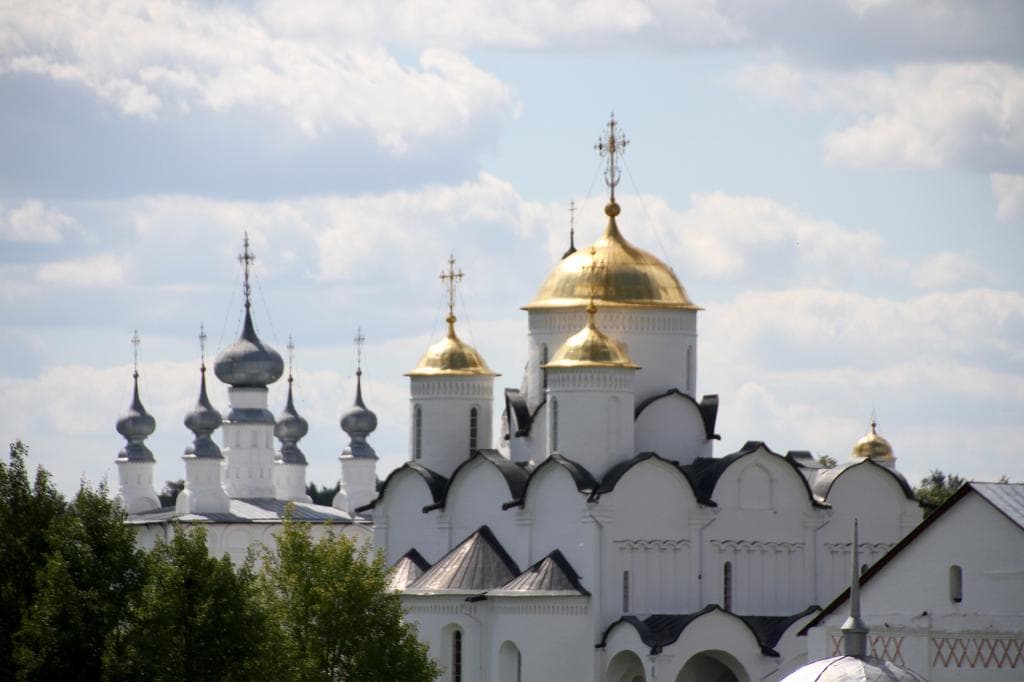
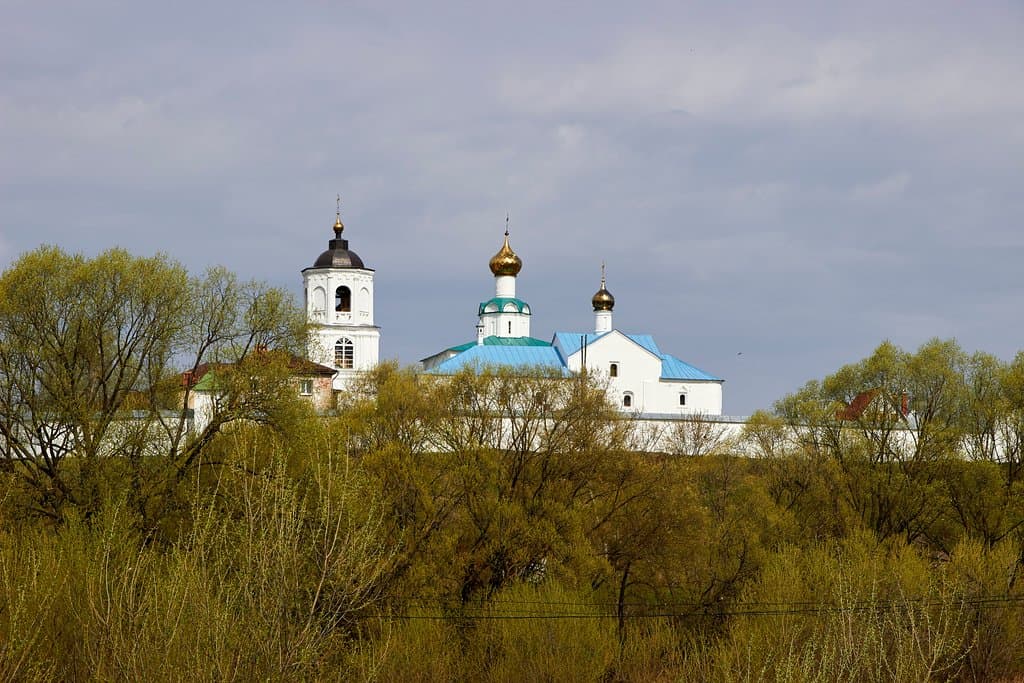
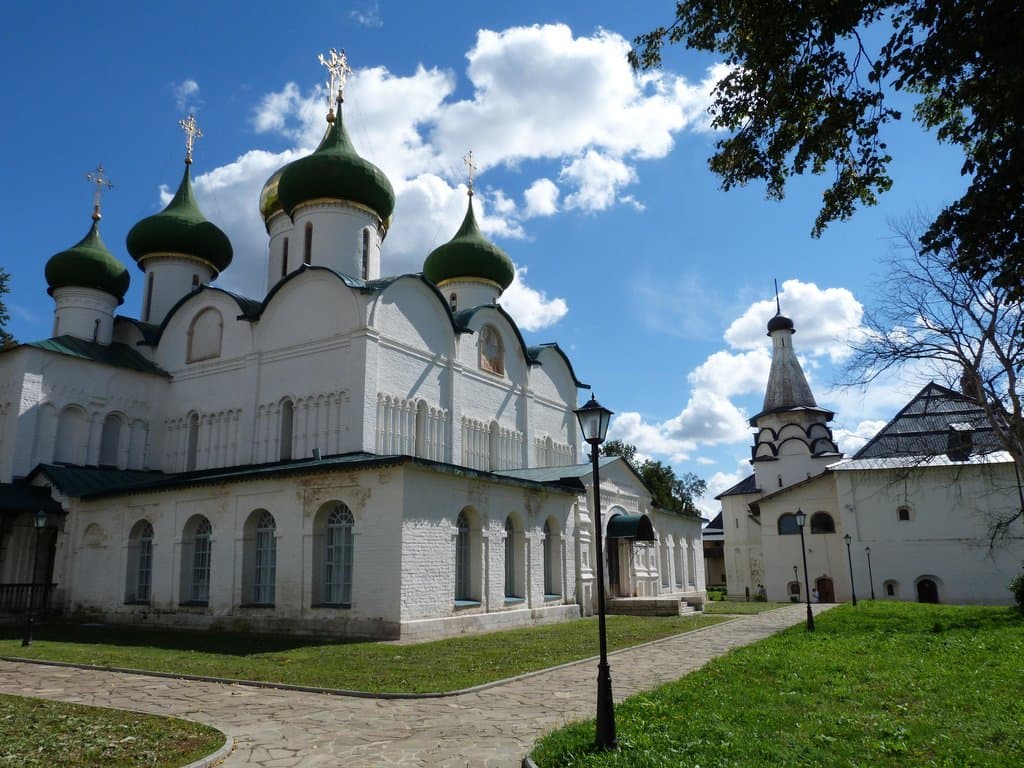
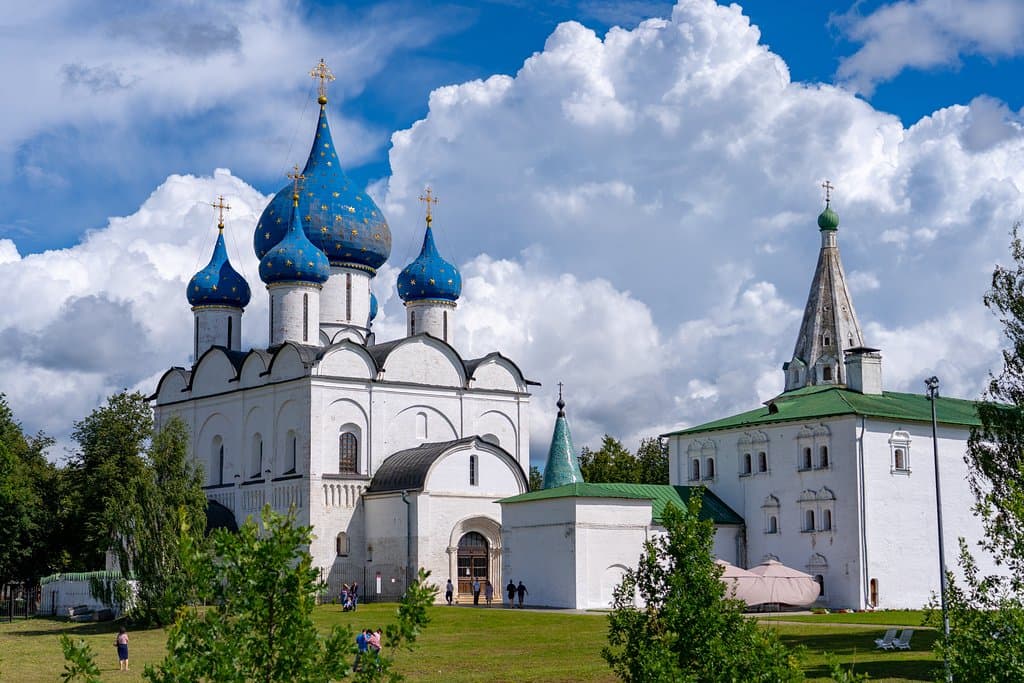
The main temple of the monastery and at the same time a tomb for noble nuns was the Intercession (Pokrovsky) Cathedral. It is a majestic three-domed temple in the design of which the decorations of the white-stone Nativity Cathedral of the Suzdal Kremlin were used (arched-columnar belt, lush portals that are clearly visible through the open arcade of the gallery). The interior decoration of the temple was very ascetic: the floor was paved with black ceramic tiles, the walls were not painted. But the magnificent icons and artistic sewing made the interior exquisite.
The tented bell tower is connected to the cathedral with the gallery. It is a rare monument of the ancient Russian architecture: its lower two-tiered part, dating back to 1515, was an octagonal pillar-shaped church "under the bells" (i.e. completed with a tier of belfry). The tent of the modern bell tower appeared at the end of the 17th century.
The original architecture of the cathedral is repeated in the Holy Gates, built, like other buildings of the monastery, commissioned by Basil III around 1518. It is a four-sided tower with two asymmetrical arched spans over which the gallery and the elegant three-headed gate-church of Annunciation rise. The decorations of the facades of the building resemble carving on wood, giving to its appearance a sincere simplicity and elegance."
Phan Quốc Dũng
"Although it is indeed very beautiful, you can't really visit most of it, which is a shame."
Silvia Andrea Torres
"Nice monastery but somehow we lacked the good feeling and spirit we found in other monasteries and holy places in Russia. It has a rather cold atmosphere, also the nuns are not very friendly, we found nicer women monasteries than this one."
Dieter Haas
What People Like
What People Dislike
Frequently Asked Questions
🚇 🗺️ Getting There
The Pokrovsky Monastery is located in Suzdal. From Moscow, you can take a train or bus to Vladimir, and then a local bus or taxi to Suzdal. The journey can take around 3-4 hours in total.
Yes, Suzdal is a relatively small city, and you can often walk to the monastery from the city center or take a local bus. Taxis are also readily available.
Many visitors choose to walk between the various monasteries and attractions in Suzdal, as they are relatively close. Alternatively, local buses or taxis can be used.
🎫 🎫 Tickets & Entry
Entry to the monastery grounds is generally free, but there might be fees for specific areas or exhibitions within the complex. It's always good to check on-site for any updated information.
As an active monastery, visiting hours can vary. It's advisable to check the official website or inquire locally for the most up-to-date opening times, especially for specific chapels or relics.
Yes, the relics of Saint Matrona are a major draw for pilgrims and visitors. They are housed within the Intercession Convent (Pokrovsky Monastery).
For general access to the monastery grounds, advance booking is typically not required. However, if you plan to visit during peak pilgrimage times or for special events, it's wise to inquire.
📸 📸 Photography
Photography is usually permitted in most outdoor areas and some parts of the churches, but it's essential to be respectful. Inside the main cathedrals or near relics, photography might be restricted. Always look for signage or ask permission.
The tented bell tower, the Holy Gates, and the overall architecture of the cathedrals offer excellent photographic opportunities. The gardens can also be very picturesque, especially in bloom.
Drone usage is generally prohibited at religious sites to maintain peace and respect. It's best to assume drones are not allowed unless explicitly permitted.
🎫 🙏 Onsite Experience
The monastery is historically significant as a place of exile for disgraced royal women and is home to the relics of Saint Matrona, a revered Russian Orthodox saint known for her miracles.
Yes, as an active monastery, services are held regularly. Visitors are welcome to attend, but it's important to observe the customs and maintain a respectful demeanor.
The atmosphere can be deeply spiritual and serene, though some visitors have noted it can feel 'cold' or less welcoming than other monasteries. The historical weight of its past as a place of exile is palpable.
While not always advertised, local guides may be available, especially during peak tourist seasons. Inquiring at the monastery or local tourist information centers is recommended.
Social
from TikTok, Instagram & Reddit