
P. P. Yershov House Museum
A historic 1775 bishop's residence showcasing classical architecture and the Museum of the History of Orthodoxy in Siberia.
Highlights
Must-see attractions

Social
From TikTok & Reddit
Best Time
Fewer crowds, peaceful exploration
P. P. Yershov House Museum
Best Time
Fewer crowds, peaceful exploration
Highlights
Must-see attractions
A historic 1775 bishop's residence showcasing classical architecture and the Museum of the History of Orthodoxy in Siberia.
"Admire the classical details and historical significance of this well-preserved 18th-century residence."

🏛️ Appreciate the Architecture
Take time to admire the classical details of the 1775 building, a well-preserved bishop's residence.
📜 Understand the History
Learn about its past as a residence for Tobolsk archbishops and its time as a museum.

Quick Facts
Rating
4.9 · 9 reviews
Type
Museum
Highlights
Discover the most iconic attractions and experiences
Bishop's House Architecture
The entire building
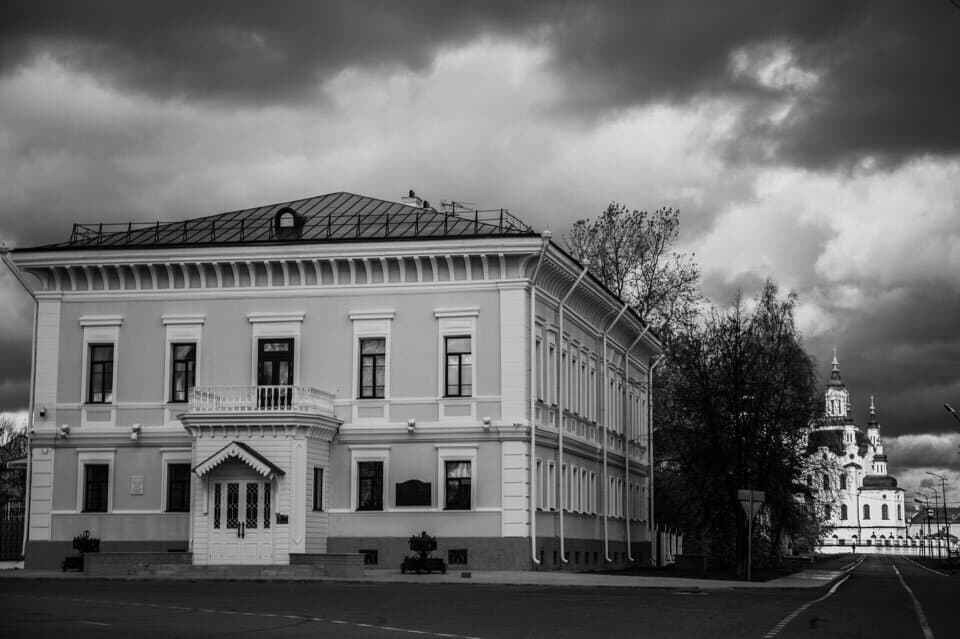
Admire the classical details: elongated windows, pilasters, and a crowning cornice on this 1775 residence.
Chapel Apse
Eastern facade
Note the semicircular apse, a distinctive feature of the chapel within this historic bishop's residence.

Main Entrance Balcony
Front of the building
Experience the solemnity of the wide balcony with its balustrade, marking the grand entrance.
Plans like a pro.
Thinks like you
Planning Your Visit
Historical Significance
Museum Experience
Best Times
Insider Tips
from TikTok, Instagram & Reddit
🏛️ Appreciate the Architecture
Take time to admire the classical details of the 1775 building, a well-preserved bishop's residence.
📜 Understand the History
Learn about its past as a residence for Tobolsk archbishops and its time as a museum.
📍 Location Context
Situated in St. Sophia's Courtyard, it's part of a historically significant area.
Tips
from all over the internet
🏛️ Appreciate the Architecture
Take time to admire the classical details of the 1775 building, a well-preserved bishop's residence.
📜 Understand the History
Learn about its past as a residence for Tobolsk archbishops and its time as a museum.
📍 Location Context
Situated in St. Sophia's Courtyard, it's part of a historically significant area.
What Travellers Say
Reviews Summary
The P. P. Yershov House Museum is appreciated for its well-preserved 18th-century architecture and its historical significance as a former bishop's residence. Visitors can explore the Museum of the History of Orthodoxy in Siberia housed within its grounds. While the building itself is a highlight, the museum's content may appeal more to those with a specific interest in religious history.
"Ok"
Александр Харитонцев
"The surviving Bishop's House is the fifth bishop's residence in St. Sophia's Courtyard. Built in 1775, it is a rectangular building with a slightly protruding central section and a semicircular apse for the chapel on the eastern façade. Simple, elongated windows, wide pilasters, inter-window panels, a profiled crowning cornice, and the rusticated plank roof of the first floor—all these classical details create a calm, imposing building. A large, wide balcony with a balustrade solemnly marks the main entrance. The building has survived to this day almost unchanged. Until 1918, the house served as the residence of the Tobolsk archbishops and metropolitans. From 1925 to 2007, it housed the Tobolsk Museum, one of the oldest and richest museums in Siberia. Currently, the working residence of the Metropolitan of Tobolsk and Tyumen is once again located here, and the Museum of the History of Orthodoxy in Siberia has been opened on the ground floor."
Алексей К
""
ОFF N
What People Like
What People Dislike
Frequently Asked Questions
🚇 🗺️ Getting There
The museum is located in St. Sophia's Courtyard. Public transport options to the general area of Tobolsk should be researched based on your starting point. Walking within the courtyard is the best way to access it once you are nearby.
Information on specific parking availability directly at St. Sophia's Courtyard may vary. It's advisable to check local parking regulations or look for public parking areas in the vicinity of the historical center of Tobolsk.
🎫 🎫 Tickets & Entry
Opening hours can vary, especially as it houses the Museum of the History of Orthodoxy in Siberia. It's recommended to check the official museum website or contact them directly for the most current operating times.
Admission fees are typically associated with museum visits. For the most accurate pricing, consult the museum's official information channels before your visit.
While advance ticket purchase might not always be necessary for smaller historical sites, it's a good practice to check if online booking is available to save time, especially during peak tourist seasons.
🎫 🧭 Onsite Experience
The museum features exhibits on the History of Orthodoxy in Siberia. You can also appreciate the preserved architecture of the former bishop's residence.
The museum's focus on religious history might be more engaging for older children or those with an interest in history and culture. Consider the exhibits' content when planning a visit with younger ones.
A visit typically takes about 1-2 hours, allowing time to explore the exhibits and appreciate the historical building.
📸 📸 Photography
Photography policies can differ. It's best to look for signage within the museum or inquire with staff about restrictions on taking photos, especially flash photography.
The exterior, with its classical facade and balcony, offers great photo opportunities. Inside, focus on architectural details if photography is permitted.

Social
from TikTok, Instagram & Reddit