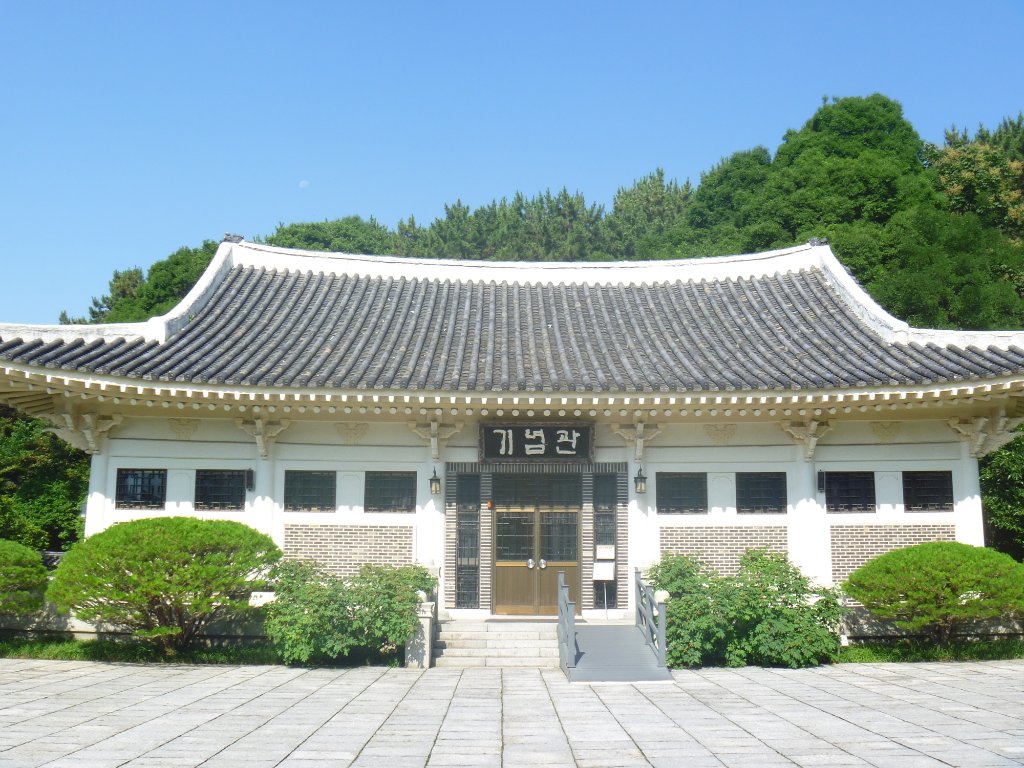
Chungnyeolsa Shrine Busan
A serene 16th-century shrine honoring fallen soldiers, offering historical reflection and beautiful natural scenery.

Highlights
Must-see attractions

Social
From TikTok & Reddit
Best Time
Plum blossoms in bloom
Chungnyeolsa Shrine Busan
Best Time
Plum blossoms in bloom
Highlights
Must-see attractions
A serene 16th-century shrine honoring fallen soldiers, offering historical reflection and beautiful natural scenery.
"A small but nice historical site, offering a peaceful atmosphere and a glimpse into Korea's past."
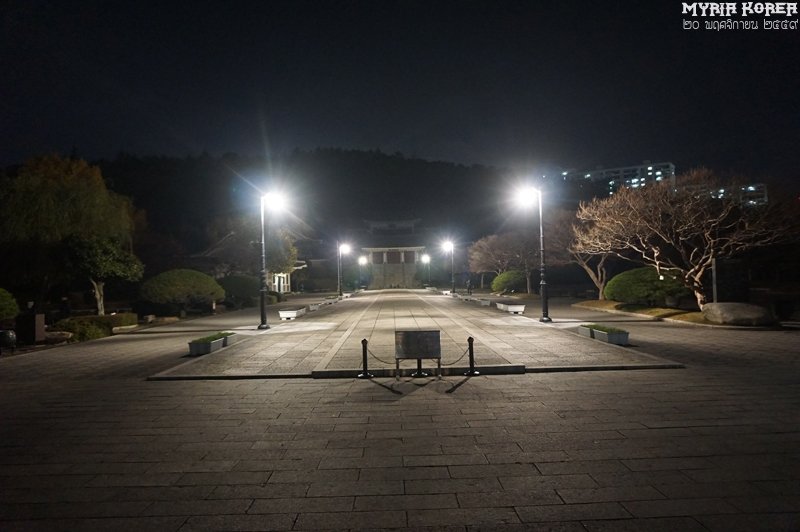
🚶♀️ Easy Access Slope
Skip the stairs! A gentle slope on the left offers an easier way to reach the shrine grounds.
🌸 Spring Blossom Viewing
Visit in spring for stunning plum blossoms that transform the shrine into a beautiful park-like setting.
Quick Facts
Rating
4.5 · 67 reviews
Type
Place of Worship
Highlights
Discover the most iconic attractions and experiences
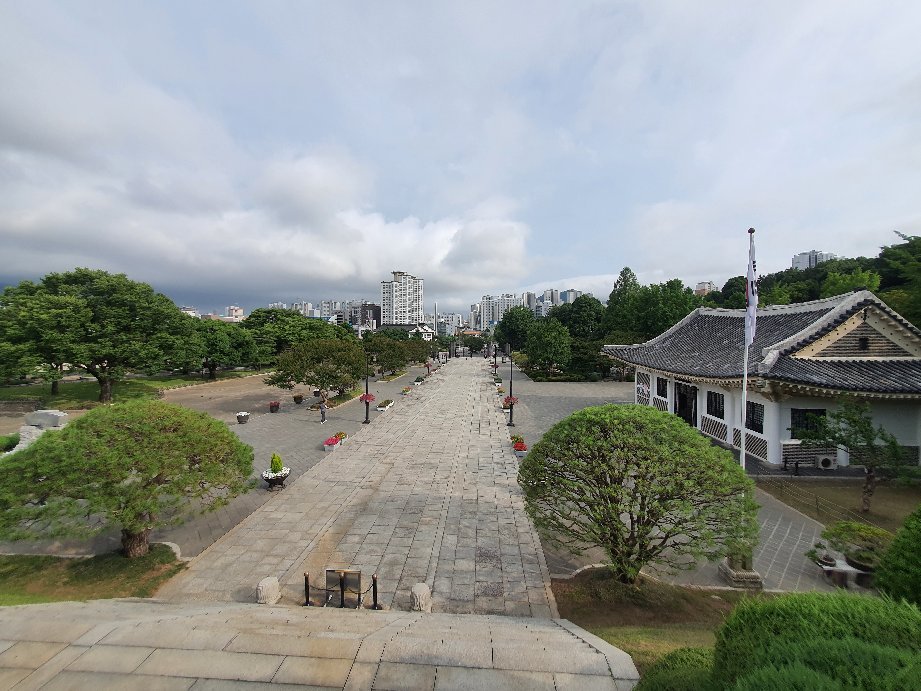
Chungnyeolsa Shrine
A serene sanctuary honoring fallen soldiers, offering a glimpse into Korean history and a peaceful escape.
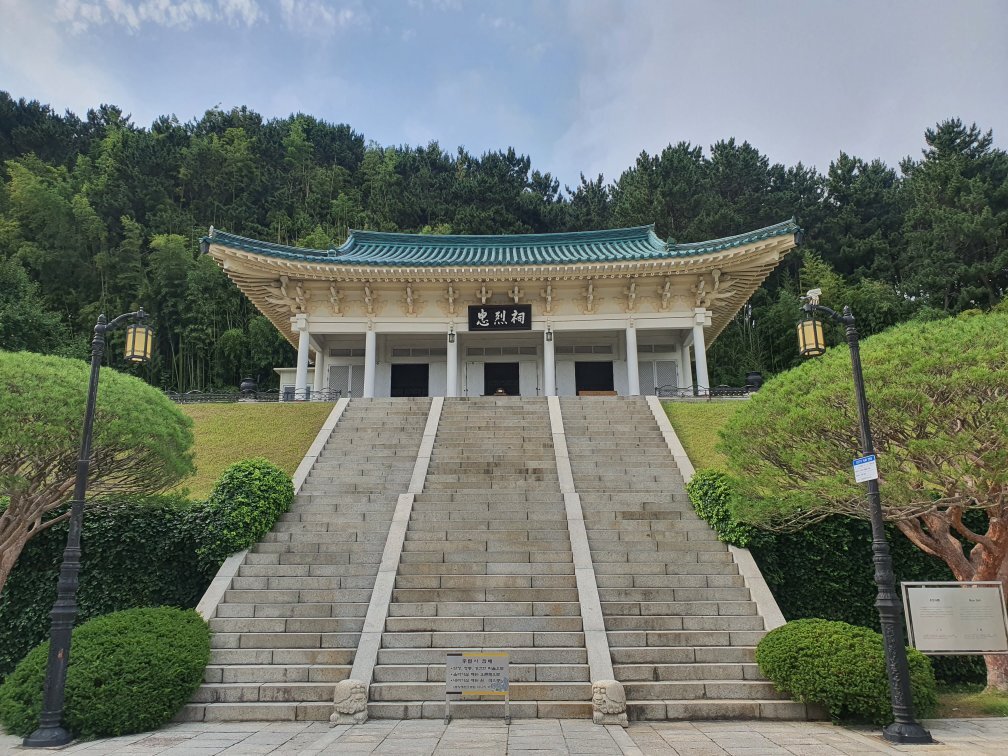
Ui-yeol-gak Pavilion
Dedicated to female martyrs, this pavilion adds a poignant layer to the shrine's historical narrative.
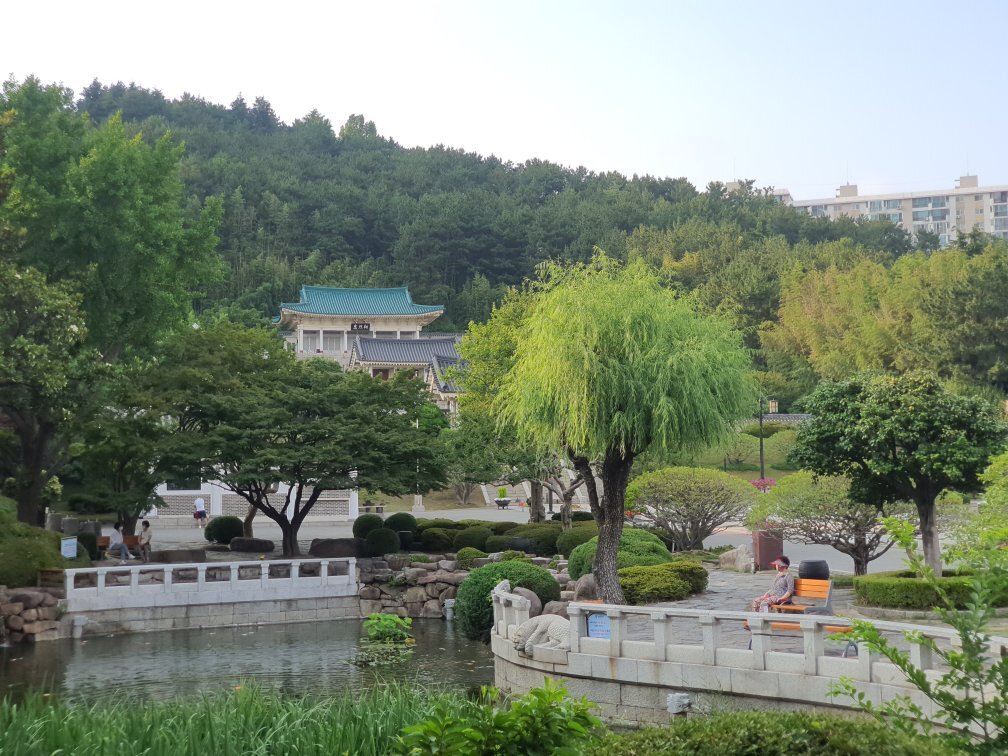
Plum Blossoms in Spring
During spring, the shrine grounds are adorned with beautiful plum blossoms, creating a picturesque scene.
Plans like a pro.
Thinks like you
Planning Your Visit
Timing Your Visit
Respectful Exploration
Best Times
Insider Tips
from TikTok, Instagram & Reddit
🚶♀️ Easy Access Slope
Skip the stairs! A gentle slope on the left offers an easier way to reach the shrine grounds.
🌸 Spring Blossom Viewing
Visit in spring for stunning plum blossoms that transform the shrine into a beautiful park-like setting.
🤫 Quiet Reflection
This is an active shrine; maintain a respectful and quiet atmosphere during your visit.
🍽️ Nearby Dining
Try 'Choga's broiled eels' nearby for delicious and reasonably priced local cuisine.
Tips
from all over the internet
🚶♀️ Easy Access Slope
Skip the stairs! A gentle slope on the left offers an easier way to reach the shrine grounds.
🌸 Spring Blossom Viewing
Visit in spring for stunning plum blossoms that transform the shrine into a beautiful park-like setting.
🤫 Quiet Reflection
This is an active shrine; maintain a respectful and quiet atmosphere during your visit.
🍽️ Nearby Dining
Try 'Choga's broiled eels' nearby for delicious and reasonably priced local cuisine.
What Travellers Say
Reviews Summary
Visitors find Chungnyeolsa Shrine to be a small but nice historical site, offering a peaceful atmosphere and a glimpse into Korea's past. The grounds are appreciated for their park-like feel, especially during plum blossom season, and the accessible slope is a thoughtful feature. While not a major tourist hub, it provides a quiet space for reflection and is complemented by nearby dining options.
"It is a small temple. But nice!"
Chitapa B.
"ChungnYeolSa Temple is a shrine dedicated to the memorial tablets of patriotic martyrs who died in Busan during the Japanese Invasion of Korea in 1592. You can see beautiful plum blossoms in spring. Near Chungnyeolsa Temple, there is a restaurant called "Choga's broiled eels." You can enjoy delicious food at a reasonable price, so I recommend going there🤓"
서진
"Dongrae Chungnyeolsa is a shrine that commemorates Song Sang-hyeon, his party, and the female doctors who died in the Imjin War. Song Sang-hyeon was enshrined in 1605, and in 1624, it received the title of Chungnyeolsa. In 1652 (the 3rd year of King Hyojong’s reign), it was moved to its current location and operated as Anrak Seowon. In 1709 (the 35th year of King Sukjong’s reign), it enshrined all those who died in the Imjin War. It has been continuously renovated and currently has 15 buildings on a 28,980-pyeong site. The buildings include Chungnyeolsa (shrine, 89 spirit tablets), Uiyeolgak (4 spirit tablets), a memorial hall, Sojuldang, Naesammun, and Oesammun."
SungKun Lee
What People Like
What People Dislike
Frequently Asked Questions
🚇 🗺️ Getting There
Chungnyeolsa Shrine is accessible via public transportation. Take Subway Line 4 to Chungnyeolsa Station, and it's a short walk from there.

Yes, there is free parking available at Chungnyeolsa Shrine, making it convenient for those traveling by car.
While specific bus routes can vary, the most direct public transport is the subway to Chungnyeolsa Station. Check local bus schedules for the most up-to-date information.
The shrine is well-marked and easily accessible from Chungnyeolsa Station. Follow the signs for a straightforward journey.
From Haeundae, you can take the subway. Transfer to Line 4 and head towards Chungnyeolsa Station. The journey is relatively short.
🎫 🎫 Tickets & Entry
Chungnyeolsa Shrine is generally free to enter, allowing visitors to explore its historical grounds without a ticket.
The shrine is typically open during daylight hours, allowing visitors to explore its grounds. It's best to visit during the day to fully appreciate the site.
No advance booking is required as there is no entrance fee. You can visit anytime during its operating hours.
As an active shrine, visitors are asked to be respectful, dress modestly, and maintain a quiet atmosphere. Avoid loud noises or disruptive behavior.
The Visit Busan Pass primarily covers major tourist attractions and museums. Chungnyeolsa Shrine, being a historical site with free entry, is not typically included in such passes.
🎫 🧭 Onsite Experience
You can explore the main shrine buildings, the Ui-yeol-gak Pavilion dedicated to female martyrs, and enjoy the peaceful grounds which resemble a park, especially beautiful with plum blossoms in spring.
Absolutely! The grounds are spacious and well-maintained, offering a pleasant environment for a quiet walk, much like a park.
While there are stairs, there's also a more accessible slope on the left side that leads up to the shrine, making it easier for those who prefer to avoid climbing.
Photography is generally allowed, but always be mindful of the shrine's sacred nature. Avoid taking photos during ceremonies or in restricted areas.
It's a significant historical site, but it tends to be less crowded than major tourist attractions, offering a more tranquil experience, especially on weekdays.
🍽️ 🍽️ Food & Dining
Yes, there's a recommended restaurant called 'Choga's broiled eels' located near the shrine, known for delicious food at reasonable prices.
The nearby 'Choga's broiled eels' offers a local specialty. You can also find other Korean eateries in the surrounding Dongnae-gu area.
No, there are no food vendors or restaurants within the shrine itself. It's recommended to dine at nearby establishments.
While not explicitly forbidden, it's generally best to consume outside the shrine grounds to maintain its sanctity and cleanliness.
Busan is famous for its fresh seafood, like those found at Jagalchi Market, as well as dishes like Dwaeji Gukbap (pork soup) and Ssiat Hotteok (sweet pancake with seeds).
📸 📸 Photography
Capture the traditional architecture of the shrine buildings, the serene atmosphere, and especially the beautiful plum blossoms during spring.
Always be respectful. Avoid photographing individuals without their consent, especially if they are engaged in prayer or religious activities.
Morning light can be soft and beautiful, while late afternoon offers warm golden hour hues. Weekdays will offer fewer people in your shots.
The main shrine hall, the Ui-yeol-gak Pavilion, and the surrounding gardens, especially when in bloom, are highly photogenic.
Drone usage is generally restricted at religious sites and historical monuments to ensure peace and prevent disturbance. It's best to avoid using drones here.
You may also like
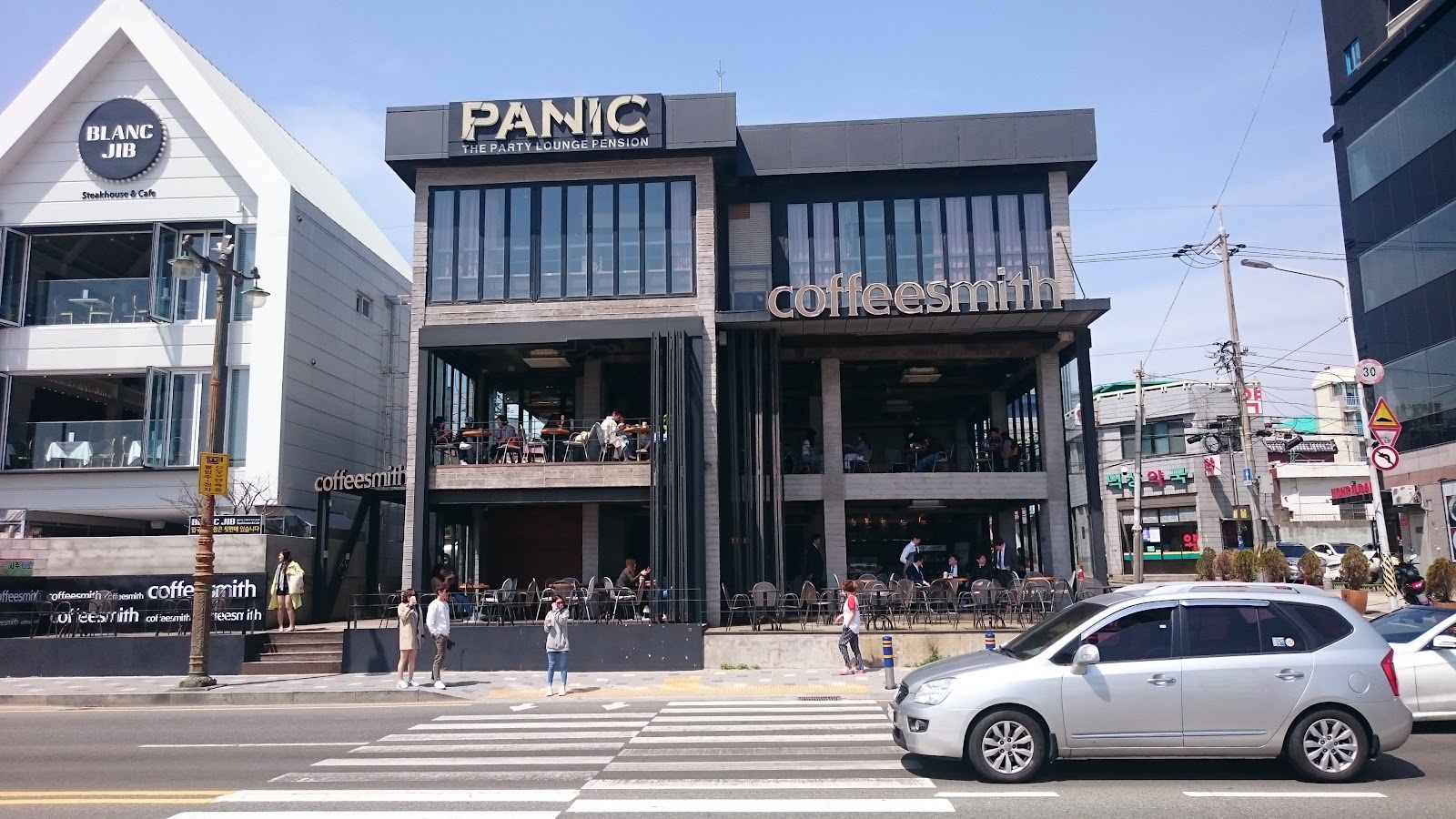
Millak Raw Fish Town Busan
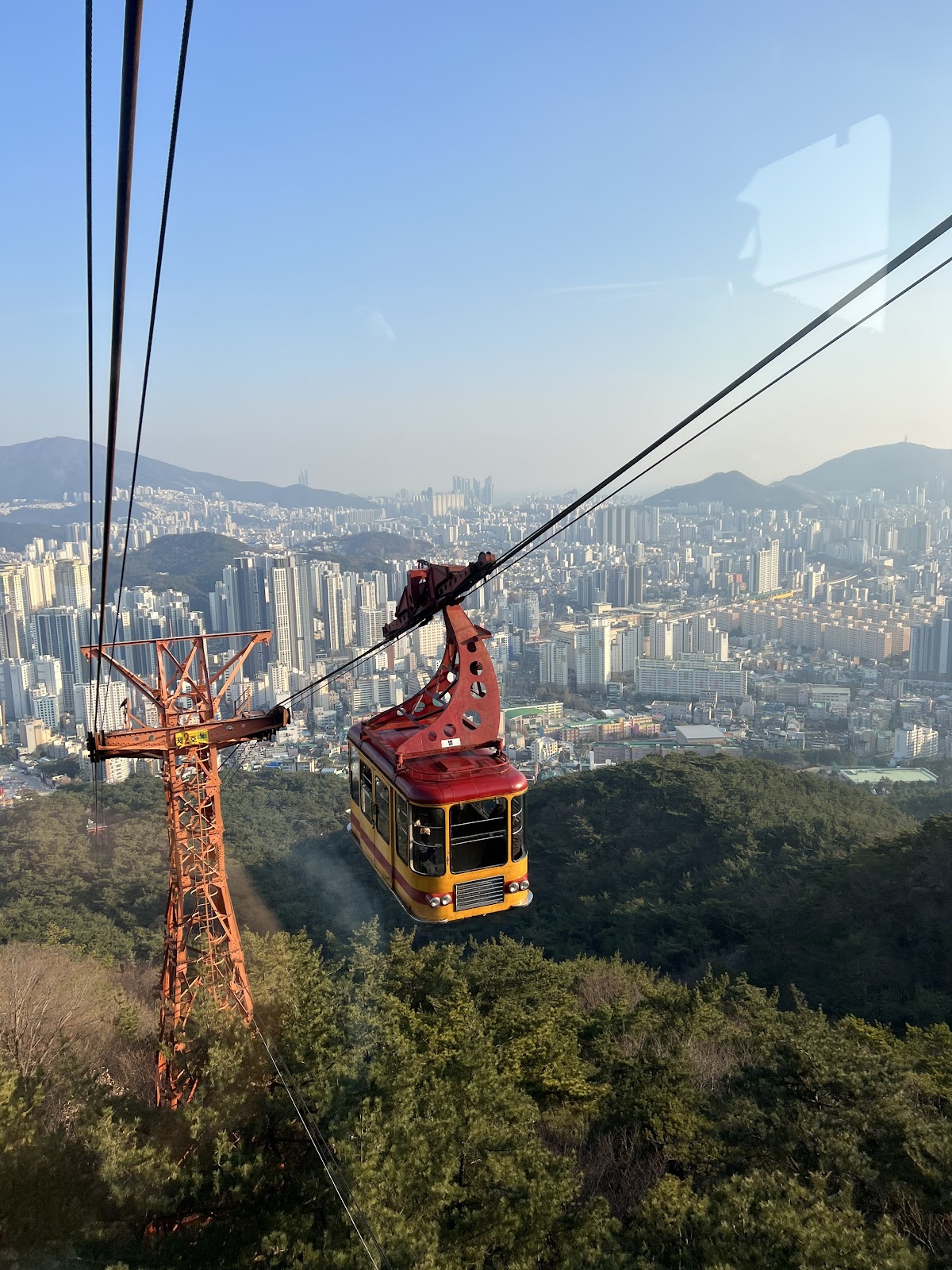
Geumgang Park Ropeway Busan

Geumjeongsanseong Fortress Busan

Hwamyeong Ecological Park Busan

Heosimcheong Spa Busan

Haeundae Traditional Market Busan
Millak Raw Fish Town Busan
Geumgang Park Ropeway Busan
Geumjeongsanseong Fortress Busan
Hwamyeong Ecological Park Busan
Heosimcheong Spa Busan
Haeundae Traditional Market Busan

Jangsan Mountain Busan
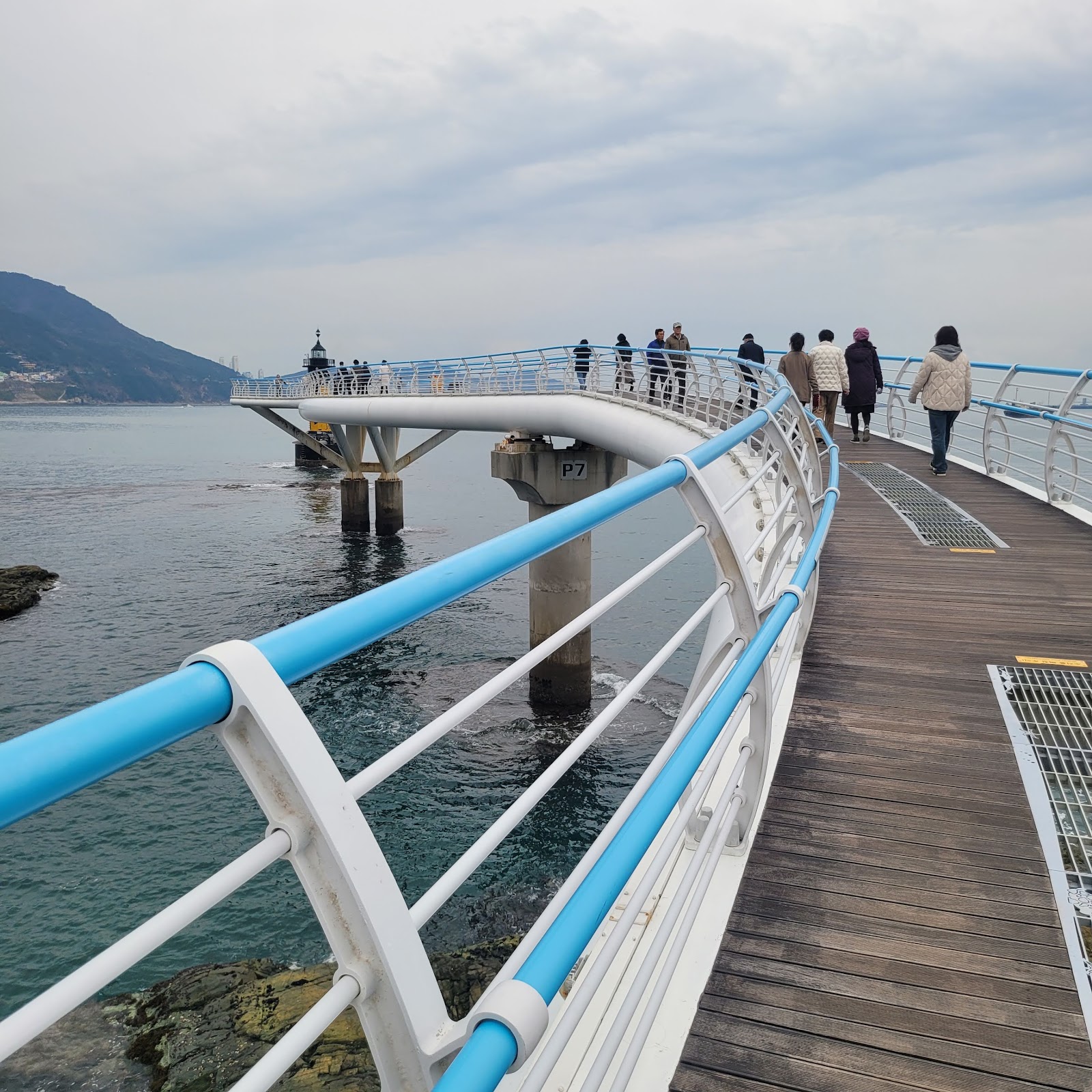
Songdo Skywalk (Cloud Trails) Busan

Yongdusan Park Busan

Bokcheon Museum & Ancient Tombs Busan

Dongnae Eupseong (Fortress) Busan

Social
from TikTok, Instagram & Reddit