
Choi Myeong-hee Literature Museum
A serene hanok museum dedicated to the life and literature of Choi Myeong-hee, author of the epic novel 'Honbul'.
Highlights
Must-see attractions

Social
From TikTok & Reddit
Best Time
Fewer crowds, peaceful
Choi Myeong-hee Literature Museum
Best Time
Fewer crowds, peaceful
Highlights
Must-see attractions
A serene hanok museum dedicated to the life and literature of Choi Myeong-hee, author of the epic novel 'Honbul'.
"Felt like I could feel the soul of author Choi Myeong-hee and the breath of 'Honbul'."
🚶♀️ Stroll the Stone Walls
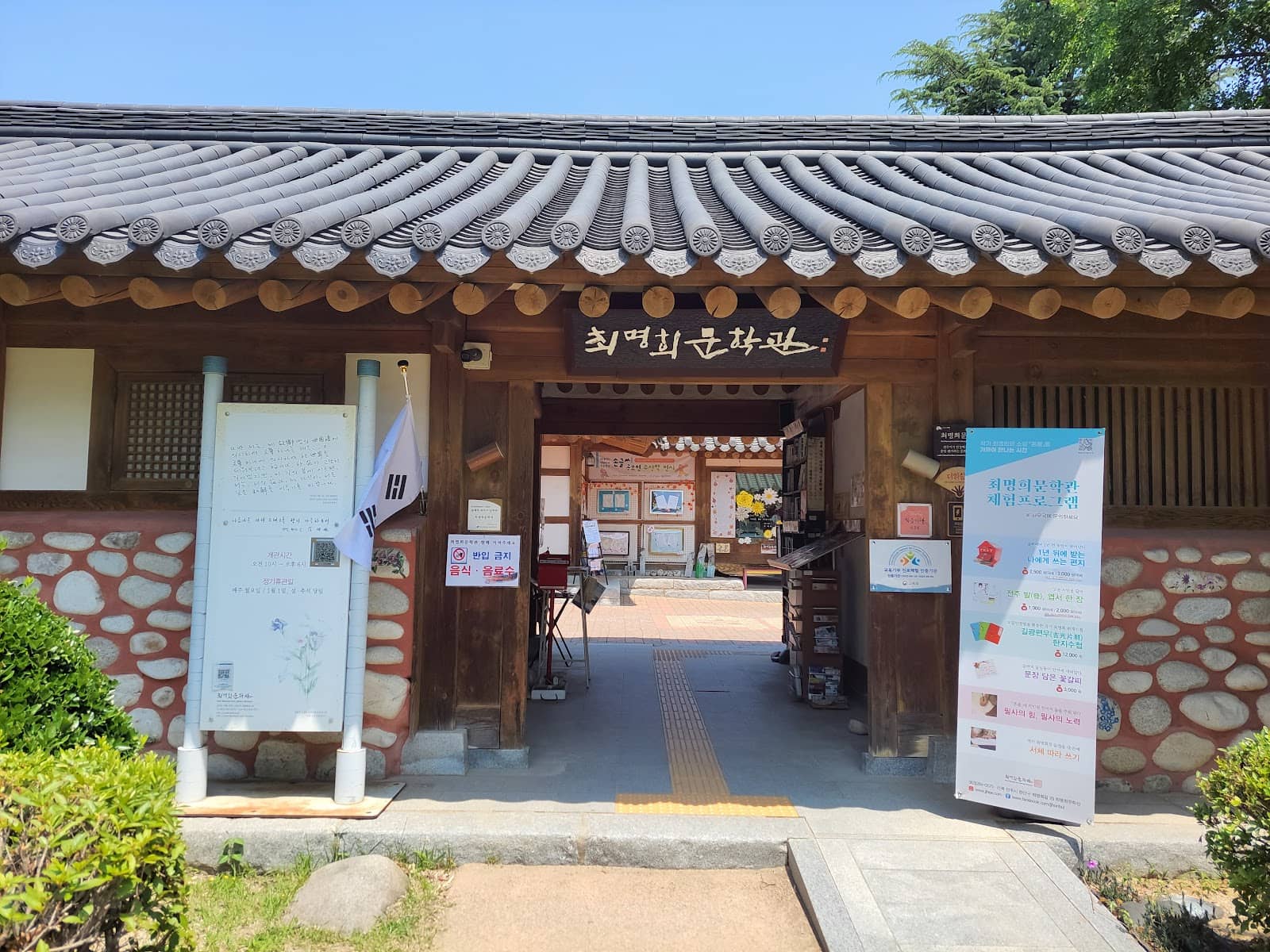
The museum is nestled along a beautiful stone wall path in Jeonju Hanok Village. Enjoy the scenic walk!
📚 Read 'Honbul' First
Enhance your visit by reading Choi Myeong-hee's 'Honbul' beforehand. It deepens the appreciation for the museum's exhibits.

Quick Facts
Hours
Rating
4.3 · 95 reviews
Type
Museum
Highlights
Discover the most iconic attractions and experiences
Author's Literary World
Interior exhibits
Immerse yourself in the life and works of Choi Myeong-hee, author of the acclaimed novel 'Honbul.'
Tranquil Hanok Setting
Museum grounds
Experience the serene beauty of a traditional Korean hanok, offering a peaceful atmosphere and cultural charm.
The Spirit of 'Honbul'
Throughout the museum
Feel the essence of Choi Myeong-hee's masterpiece, 'Honbul,' and its deep connection to Korean language and life.
Plans like a pro.
Thinks like you
Planning Your Visit
Embrace the Quiet Charm
Check Opening Hours
Best Times
Insider Tips
from TikTok, Instagram & Reddit
🚶♀️ Stroll the Stone Walls
The museum is nestled along a beautiful stone wall path in Jeonju Hanok Village. Enjoy the scenic walk!
📚 Read 'Honbul' First
Enhance your visit by reading Choi Myeong-hee's 'Honbul' beforehand. It deepens the appreciation for the museum's exhibits.
📸 Capture the Hanok Charm
The traditional architecture is picturesque. Take time to photograph the beautiful hanok setting.
⏳ Check for Closures
The museum has experienced temporary closures. It's best to confirm operating hours before your visit.
Tips
from all over the internet
🚶♀️ Stroll the Stone Walls
The museum is nestled along a beautiful stone wall path in Jeonju Hanok Village. Enjoy the scenic walk!
📚 Read 'Honbul' First
Enhance your visit by reading Choi Myeong-hee's 'Honbul' beforehand. It deepens the appreciation for the museum's exhibits.
📸 Capture the Hanok Charm
The traditional architecture is picturesque. Take time to photograph the beautiful hanok setting.
⏳ Check for Closures
The museum has experienced temporary closures. It's best to confirm operating hours before your visit.
What Travellers Say
Reviews Summary
Visitors consistently praise the Choi Myeong-hee Literature Museum for its serene atmosphere and its dedication to preserving the legacy of the acclaimed author. Many highlight the beauty of the traditional hanok setting and the peaceful ambiance, making it a memorable stop within Jeonju Hanok Village. Some reviewers note the importance of checking operating hours due to potential temporary closures.
"If you walk along the quiet stone wall road of Jeonju Hanok Village, you can find the Choi Myung-hee Literature Museum, which contains the life and literature of Choi Myung-hee, the author of 'Honbul', a shining work in the history of Korean literature. It was a place that impressed me deeply when I visited 10 years ago, so I came back, but unfortunately, it was temporarily closed, so I couldn't see the inside. Nevertheless, it was still a great walk as I felt like I could feel the soul of author Choi Myung-hee and the breath of 'Honbul' as I walked around the literature museum. The Choi Myung-hee Literature Museum is a place that I would like to strongly recommend not only to fans of 'Honbul', but also to those who want to feel the charm of a hanok. If you visit Jeonju Hanok Village, I recommend that you feel the world of 'Honbul' at the Choi Myung-hee Literature Museum~!"
Tae Tae
"I bought the book "Honbul" but haven't read it yet.
I originally planned to visit after reading it, but...
It's well-decorated and well-maintained.
If you're visiting a Hanok Village, you should definitely visit."
정jinseok
"This is a place where you can find materials related to the creative activities of a writer from Jeonju who is famous for his soul fire. It is connected to the birthplace of Choi Myeong-hee through a side street. The quiet atmosphere is nice."
YP-MO
What People Like
What People Dislike
Frequently Asked Questions
🚇 🗺️ Getting There
The museum is located within the Jeonju Hanok Village, easily accessible by walking along the charming stone wall roads. If you're arriving in Jeonju, you can take a local bus or taxi to the Hanok Village area and then navigate to the museum on foot.
Parking is available in designated lots around Jeonju Hanok Village. From there, it's a pleasant walk to the museum.
Yes, numerous city buses stop near Jeonju Hanok Village, making it convenient to reach via public transport.
🎫 🎫 Tickets & Entry
Information on admission fees is not widely available, but many visitors mention it's a worthwhile stop within the Hanok Village. It's recommended to check on-site or their official channels if available.
The museum has been known to have temporary closures. It's crucial to verify the current operating hours before your visit to avoid disappointment.
Advance booking is generally not required for this museum, but it's always a good idea to check their official website or contact them directly for the most up-to-date information.
While the museum is in a traditional hanok, efforts are usually made for accessibility. However, specific details might require direct inquiry.
🎫 🏛️ Onsite Experience
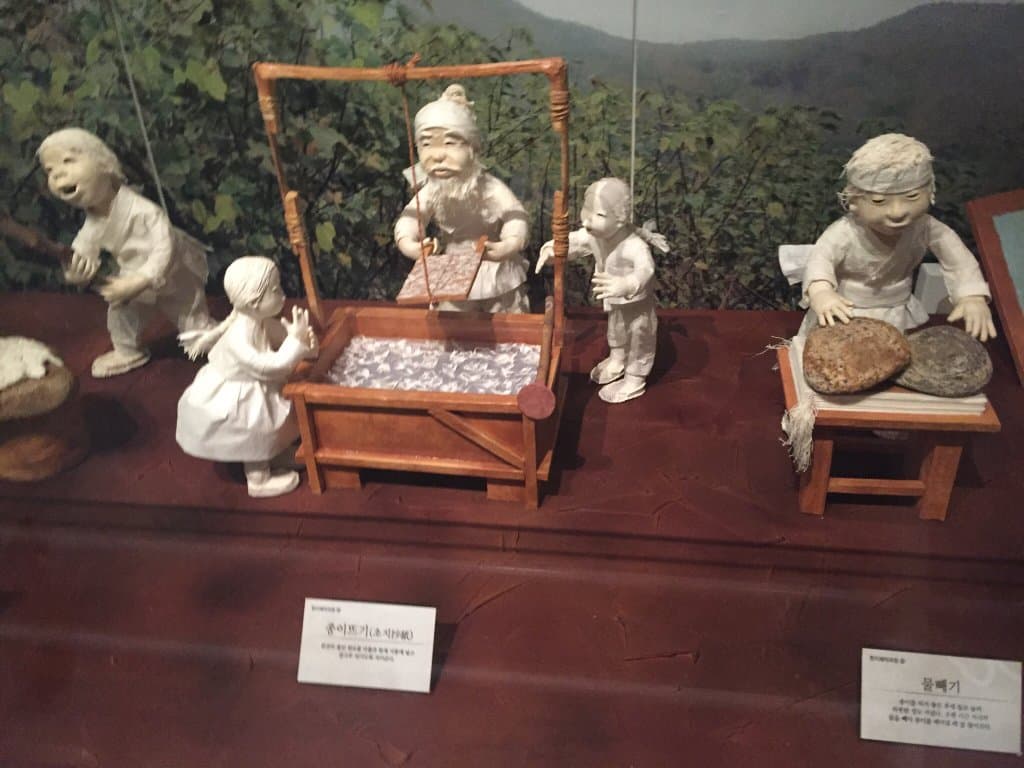
You can explore exhibits detailing the life and literary career of Choi Myeong-hee, the author of 'Honbul.' The museum is housed in a beautiful hanok, offering a peaceful atmosphere to appreciate Korean literature and culture. +1
Absolutely! While reading 'Honbul' enhances the experience, the museum provides context about the author and her work, making it enjoyable even for newcomers.
A visit typically takes about 30 minutes to an hour, depending on your interest in literature and the exhibits. It's a perfect addition to a Hanok Village exploration.
The museum offers a quiet and cultural experience. While not a typical children's attraction, older children interested in literature or Korean culture might find it engaging.
Photography policies can vary. It's best to check for signage or ask staff if photos are permitted, especially without flash, to respect the exhibits.
🍽️ 🍽️ Food & Dining
The museum itself typically does not have dining facilities. However, Jeonju Hanok Village is filled with numerous restaurants and cafes offering traditional Korean cuisine and local specialties.
You can find a variety of Korean dishes in the Hanok Village, including bibimbap, hanjeongsik (Korean set meal), and various street foods.
📸 📸 Photography
The traditional hanok architecture, the serene courtyards, and the stone wall paths leading to the museum are excellent for photography. Capture the rustic charm and peaceful ambiance.
The tranquil setting and traditional Korean backdrop make it a lovely spot for portraits, especially if you're aiming for a cultural aesthetic.


Social
from TikTok, Instagram & Reddit