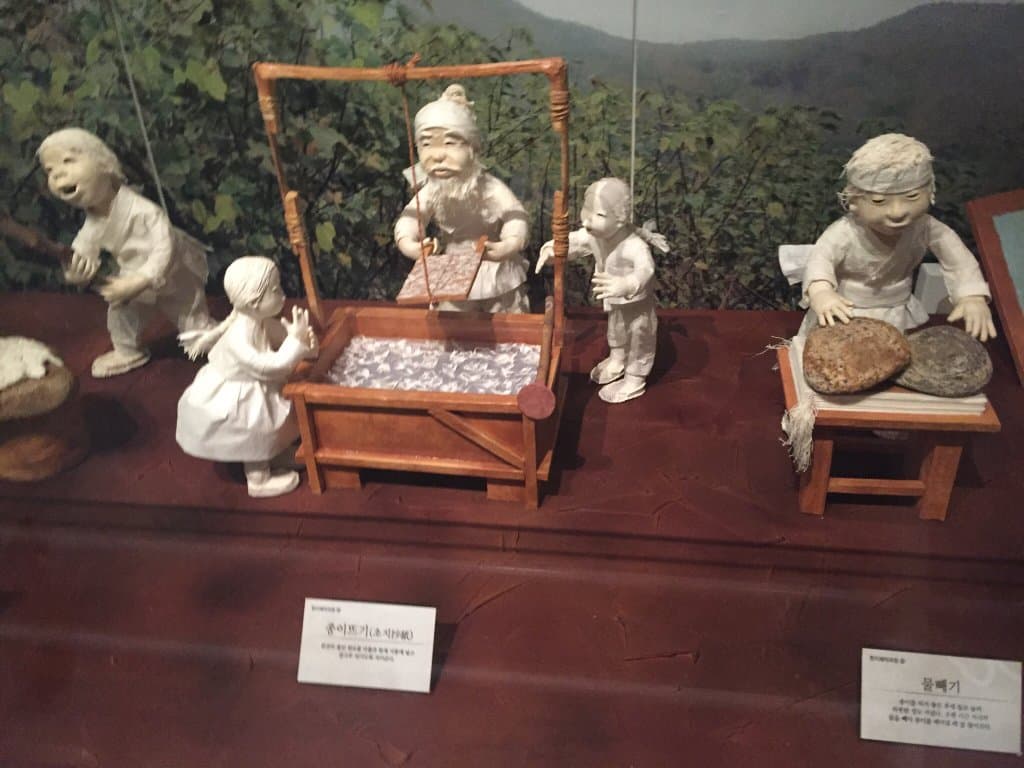
Jeonju Hanji Museum South Korea
Discover the ancient art of Korean paper (Hanji) through interactive exhibits and a free hands-on paper-making experience.

Highlights
Must-see attractions

Social
From TikTok & Reddit
Best Time
Fewer crowds, more personal experience
Jeonju Hanji Museum South Korea
Best Time
Fewer crowds, more personal experience
Highlights
Must-see attractions
Discover the ancient art of Korean paper (Hanji) through interactive exhibits and a free hands-on paper-making experience.
"The free paper-making part was wonderful. Learnt a lot and had so much fun!"
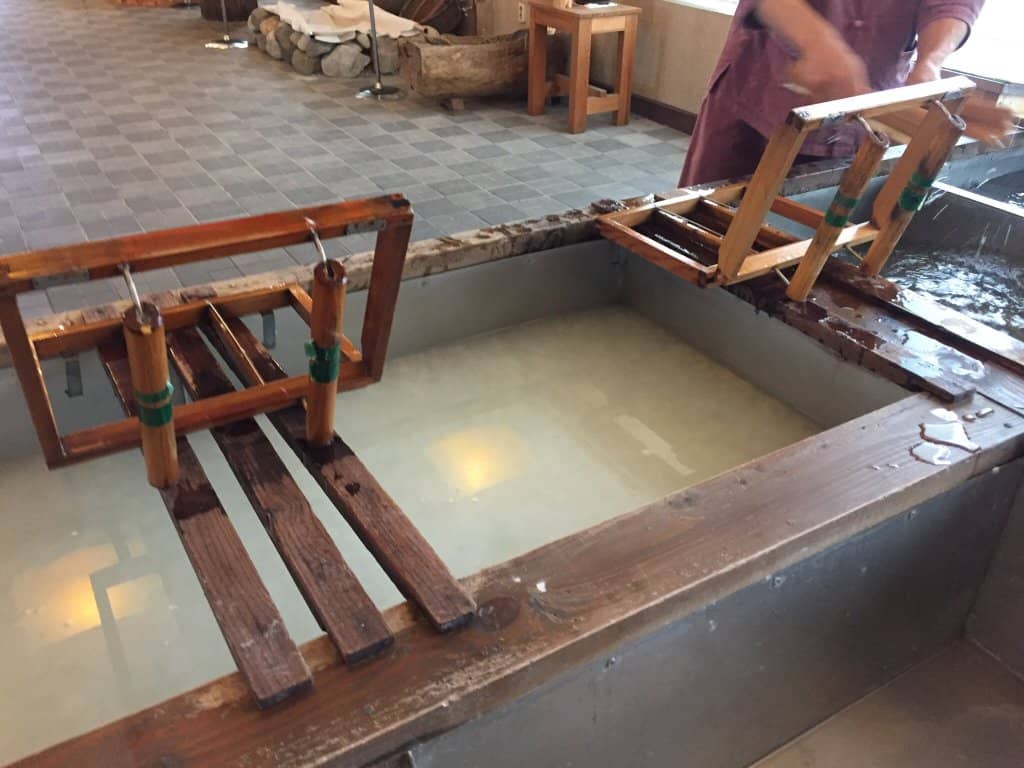
Free Paper Making! ✨
Don't miss the chance to make your own Hanji. It's often free and incredibly rewarding!
English Signage :bravo:
Appreciate the exhibits fully with helpful English explanations throughout the museum.
Quick Facts
Hours
Rating
4.3 · 289 reviews
Type
Museum
Highlights
Discover the most iconic attractions and experiences
Hanji Paper Making
Workshop Area
Craft your own sheet of traditional Korean paper, a unique and memorable souvenir.
Exhibition Galleries
Main Exhibition Halls
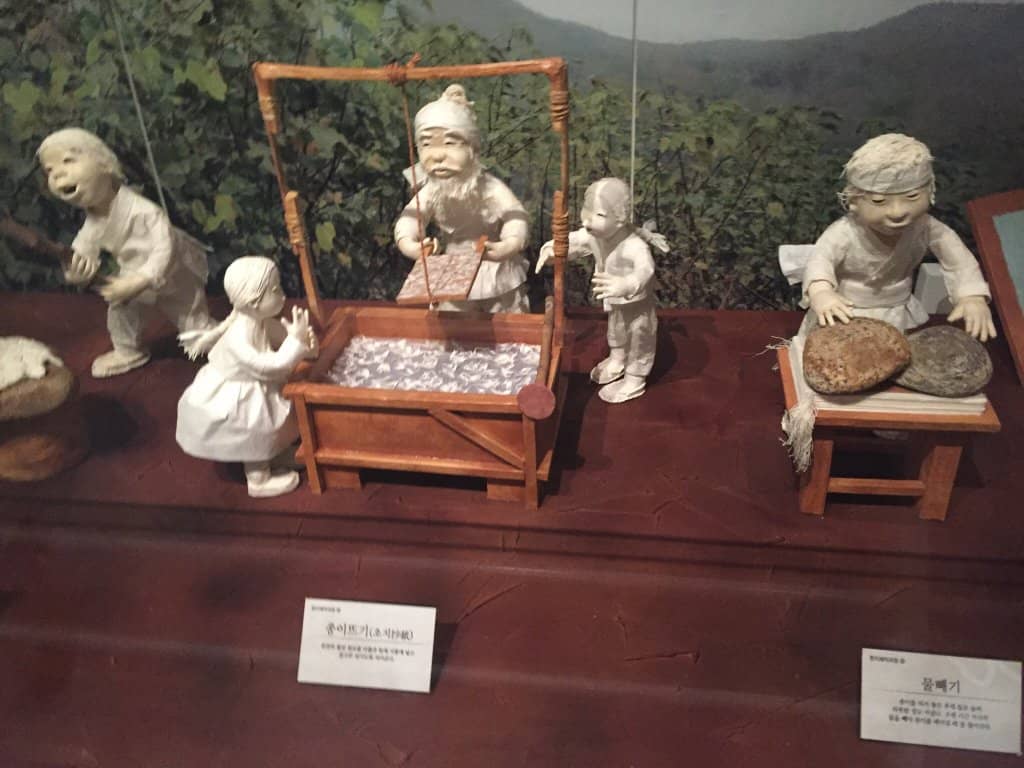
Explore the fascinating history and diverse applications of Hanji paper.

Mulberry Bark Process
Demonstration Area
Witness the traditional method of transforming mulberry bark into exquisite paper.
Plans like a pro.
Thinks like you
Planning Your Visit
Embrace the Art of Hanji
Free Entry & Hands-On Fun
Best Times
Insider Tips
from TikTok, Instagram & Reddit
Free Paper Making! ✨
Don't miss the chance to make your own Hanji. It's often free and incredibly rewarding! +1
English Signage :bravo:
Appreciate the exhibits fully with helpful English explanations throughout the museum.
Quiet Exploration 🎧
Visit on a weekday morning for a more serene experience with fewer visitors.
Learn the Process 📜
Understand the fascinating journey from mulberry bark to beautiful Hanji paper.
Tips
from all over the internet
Free Paper Making! ✨
Don't miss the chance to make your own Hanji. It's often free and incredibly rewarding! +1
English Signage :bravo:
Appreciate the exhibits fully with helpful English explanations throughout the museum.
Quiet Exploration 🎧
Visit on a weekday morning for a more serene experience with fewer visitors.
Learn the Process 📜
Understand the fascinating journey from mulberry bark to beautiful Hanji paper.
Combine with Hanok Village :house_with_garden:
Easily accessible from the famous Jeonju Hanok Village for a full cultural day. +1
What Travellers Say
Reviews Summary
Visitors consistently praise the Jeonju Hanji Museum for its engaging and educational experience, particularly highlighting the free and hands-on paper-making activity. The clear English signage enhances appreciation for the exhibits, making it a worthwhile stop for understanding traditional Korean paper. While some may find the museum's pace slow, the overall sentiment is overwhelmingly positive, with many recommending it as a unique cultural immersion.
"Great experience. I even got to make paper at the end. A lot of English signage so you can actually appreciate everything more."
QM R
"It was informative and we made paper. A great experience"
Marion Campbell
"The team was so sweet! The Hanji experience is highly recommended. We want to come back and learn more. It was completely free and we were basically alone in the museum and workshop."
David Stiehl
What People Like
What People Dislike
Frequently Asked Questions
🚇 🗺️ Getting There
The museum is located near the Jeonju Hanok Village, making it easily accessible by public transport or taxi from within Jeonju. Many visitors combine their trip with exploring the Hanok Village, which is a popular destination. +1
Jeonju is approximately a 3-hour drive or train ride from Seoul. It's often visited as a day trip or an overnight stay to explore the city's cultural attractions. +1
Within Jeonju, taxis are readily available and convenient for reaching attractions like the Hanji Museum. Walking is also a great option, especially when exploring the Hanok Village area.
Yes, using navigation apps on your smartphone is highly recommended. Search for 'Jeonju Hanji Museum' (전주한지박물관) for accurate directions.
While specific parking details can vary, there are usually parking options available near the Jeonju Hanok Village area, which is close to the museum. It's advisable to check local signage upon arrival.
🎫 🎫 Tickets & Entry
Many visitors report that entry to the museum and the paper-making experience is completely free, making it a fantastic value. +1
Generally, advance booking is not required, especially since entry is often free. However, for the paper-making workshop, it's a good idea to inquire upon arrival, particularly during peak times.
Opening hours can vary, but the museum is typically open during regular daytime hours. It's always best to check the official website or local listings for the most up-to-date information before your visit.
The paper-making activity is generally suitable for all ages, including children. It's a hands-on experience that families often enjoy together.
Yes, the museum is usually open on weekends. However, expect larger crowds during these times compared to weekdays.
🎫 🧭 Onsite Experience
Hanji is traditional Korean paper made from the inner bark of the mulberry tree. It's known for its durability, longevity, and versatility, used in everything from calligraphy and painting to windows and even clothing.
The museum showcases the history, production process, and various uses of Hanji paper through well-done exhibitions. You can learn about its cultural significance and see beautiful examples of Hanji crafts. +1
The paper-making process is designed to be accessible and enjoyable for everyone. Museum staff are usually on hand to guide you through the steps.
While not explicitly mentioned in all reviews, it's common for museums specializing in traditional crafts to have a gift shop where you can purchase Hanji paper and related items.
Absolutely! The interactive paper-making activity is a big hit with kids, and the visual exhibits can also be engaging.
📸 📸 Photography
Photography policies can vary, but generally, taking photos for personal use is permitted in most exhibition areas. However, flash photography might be restricted to protect the artifacts.
The paper-making workshop area, with its unique tools and materials, offers interesting photographic opportunities. The exhibition halls showcasing intricate Hanji crafts also provide visually appealing backdrops.
Yes, you can usually capture photos of yourself and others participating in the paper-making activity. It's a great way to document your hands-on experience.
Always be mindful of other visitors and avoid obstructing pathways. If there are specific exhibits that prohibit photography, please respect those guidelines.
A camera with good low-light performance is beneficial for indoor exhibits. However, most modern smartphone cameras are capable of capturing excellent photos in the museum's lighting conditions.


Social
from TikTok, Instagram & Reddit