Baluarte de Santa María
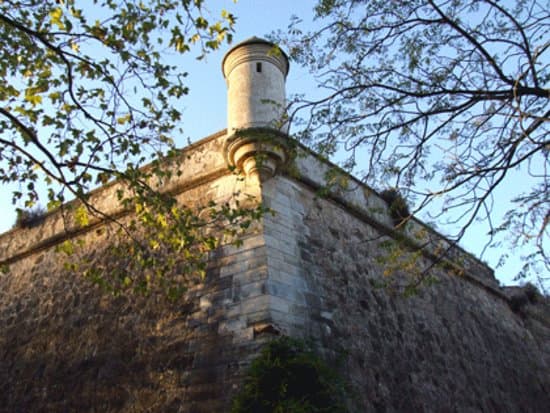
A 17th-century bastion in Badajoz, rebuilt in the 18th century, featuring a prominent '1812' inscription and historic watchtowers.

Highlights
Must-see attractions

Social
From TikTok & Reddit
Best Time
Fewer crowds, peaceful atmosphere
Baluarte de Santa María
Best Time
Fewer crowds, peaceful atmosphere
Highlights
Must-see attractions
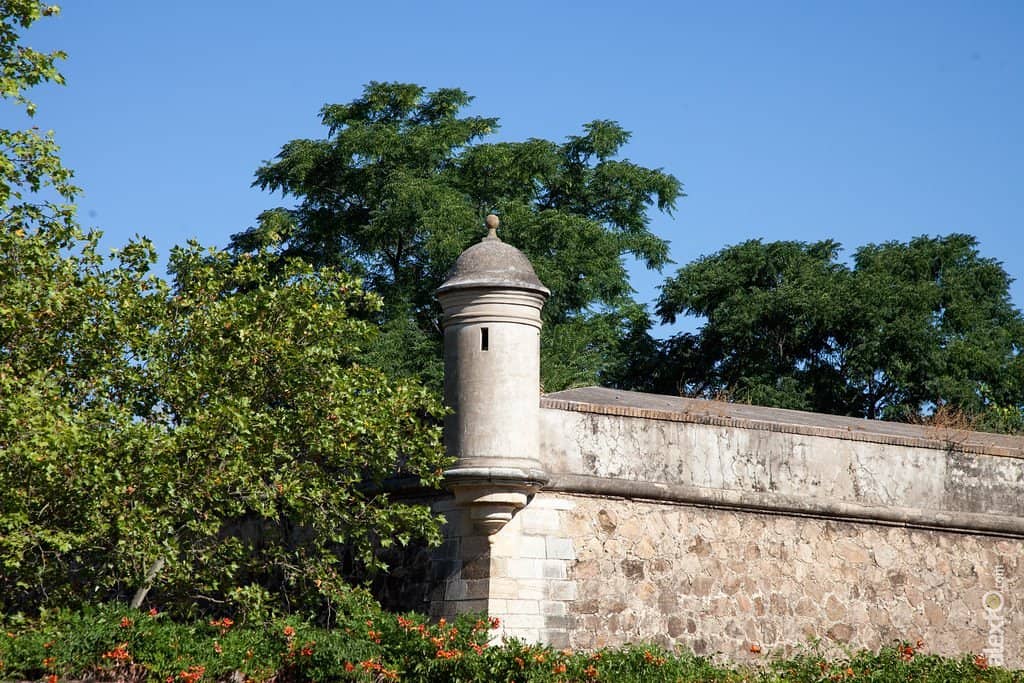
A 17th-century bastion in Badajoz, rebuilt in the 18th century, featuring a prominent '1812' inscription and historic watchtowers.
"A nice place to walk and a very nice place to visit, offering a tangible connection to Badajoz's history."
🚶♀️ Stroll Through Parque del Sapo
The bastion is located within the Parque del Sapo, perfect for a leisurely walk and enjoying the surroundings.
📸 Capture the History
The '1812' inscription and watchtowers make for great historical photo opportunities.
Quick Facts
Hours
Rating
4.7 · 3 reviews
Type
Monument
Highlights
Discover the most iconic attractions and experiences
The '1812' Inscription
Left flank of the bastion
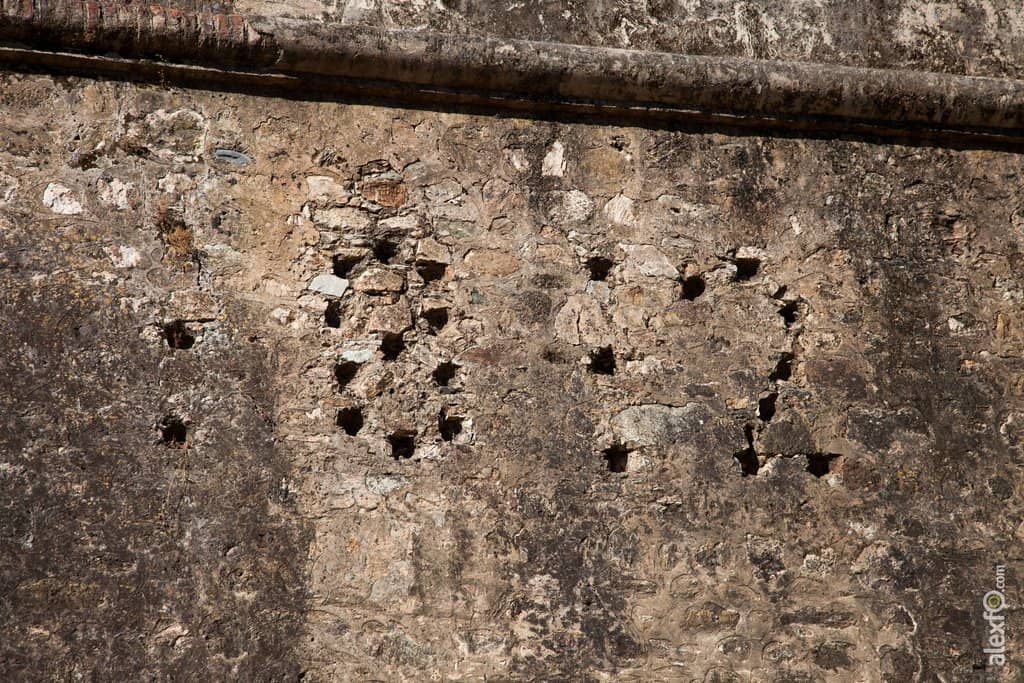
A prominent inscription marking its reconstruction during the War of Independence, a powerful reminder of its history.

Historic Watchtowers (Garitas)
Bastion vertices
Two original watchtowers still stand, offering a glimpse into the defensive architecture of the past.

Fusilier Galleries
Both sides of the bastion
Added in the 18th century, these galleries highlight the evolving military strategies employed here.
Plans like a pro.
Thinks like you
Planning Your Visit
Timing is Key for a Peaceful Visit
Understand Its Historical Significance
Best Times
Insider Tips
from TikTok, Instagram & Reddit
🚶♀️ Stroll Through Parque del Sapo
The bastion is located within the Parque del Sapo, perfect for a leisurely walk and enjoying the surroundings.
📸 Capture the History
The '1812' inscription and watchtowers make for great historical photo opportunities.
👟 Comfortable Walking Shoes
You'll be doing some walking around the park and the bastion itself.
💡 Learn About Its Past
Research the War of Independence to fully appreciate the significance of the '1812' date.
Tips
from all over the internet
🚶♀️ Stroll Through Parque del Sapo
The bastion is located within the Parque del Sapo, perfect for a leisurely walk and enjoying the surroundings.
📸 Capture the History
The '1812' inscription and watchtowers make for great historical photo opportunities.
👟 Comfortable Walking Shoes
You'll be doing some walking around the park and the bastion itself.
💡 Learn About Its Past
Research the War of Independence to fully appreciate the significance of the '1812' date.
What Travellers Say
Reviews Summary
Visitors find the Baluarte de Santa María to be a pleasant and historically significant site, perfect for a walk and a glimpse into Badajoz's past. Its location within the Parque del Sapo adds to its appeal as a peaceful spot. While it's a historical monument, some may wish for more interpretive information on-site.
"Nice place to walk."
Josian
"Very nice to visit."
Soledad Alcaraz
"Construido en el siglo XVII ,tuvo que ser reconstruido en el siglo XVIII cómo consecuencia de la Guerra de la Independencia por esa razón aparece grabada en gran tamaño la fecha 1812 en el flanco izquierdo ,los vértices están rematados por garitas de vigilancia dos de las cuales aun se conservan, en el siglo XVIII se añadieron galerias de fusileros en ambos costados ,el Baluarte de Santa María, se encuentra situado en el Parque del Sapo que es la zona comprendida entre Ronda Pilar, calle Rivillas y calle Estadium y entre el Baluartes de la Trinidad y San Roque y frente a la Plaza de Toros ,"
Isabel
What People Like
What People Dislike
Frequently Asked Questions
🚇 🗺️ Getting There
The Baluarte de Santa María is situated within the Parque del Sapo, an area bordered by Ronda Pilar, Calle Rivillas, and Calle Estadium. It's easily accessible by car or public transport within Badajoz.
Street parking is generally available in the surrounding areas, though it can be busy. Consider public parking options if you're driving.
Yes, it's a pleasant walk from the city center, allowing you to see more of Badajoz along the way.
🎫 🎫 Tickets & Entry
The Baluarte de Santa María is part of a public park, so there is no admission fee. You can visit it freely.
As it's an outdoor historical site within a park, it's generally accessible during daylight hours. The park itself has no strict closing times.
Yes, you can get a good sense of the bastion and its historical context with a relatively short visit, perhaps 30-60 minutes.
🎫 🧭 Onsite Experience
You can explore the historic ramparts, the prominent '1812' inscription, and the remaining watchtowers. The site offers a tangible connection to Badajoz's military past.
Absolutely! The historical architecture, inscriptions, and surrounding park provide excellent photographic opportunities, especially during golden hour.
While official guided tours might not be consistently available, you can find information online or through local tourist offices to enhance your understanding of the site.
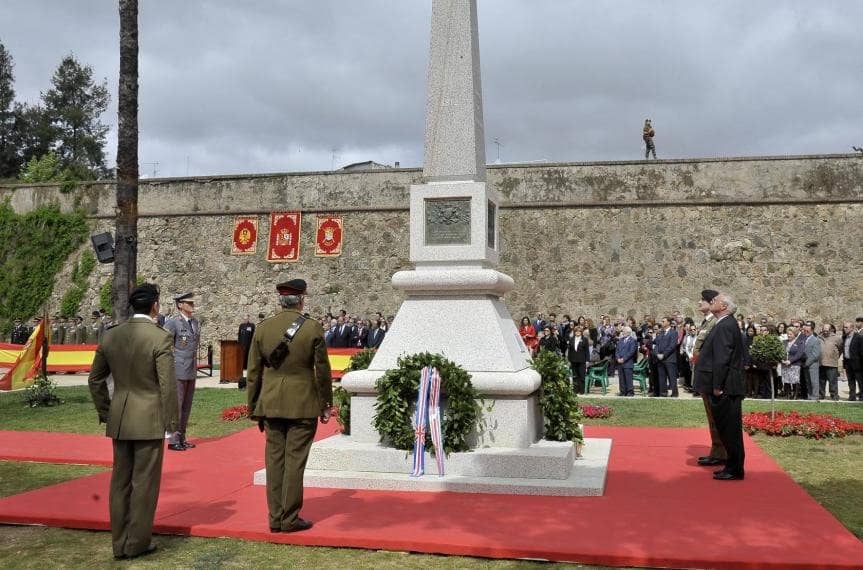
Recreated projectiles were placed in 2012 to commemorate the victims of the 1812 siege, forming the number '1812' on a wall of the bastion. 
🍽️ 🍽️ Food & Dining
The Baluarte itself is a historical site and doesn't have dining facilities. However, the surrounding Parque del Sapo and nearby streets offer various cafes and restaurants.
You'll find a good selection of tapas bars and restaurants in the vicinity, offering local Extremaduran cuisine.
📸 📸 Photography
Focus on the '1812' inscription, the watchtowers, and the overall structure of the bastion. The surrounding park also offers scenic views.
Late afternoon, during the golden hour, provides beautiful lighting for capturing the textures and details of the bastion.


Social
from TikTok, Instagram & Reddit