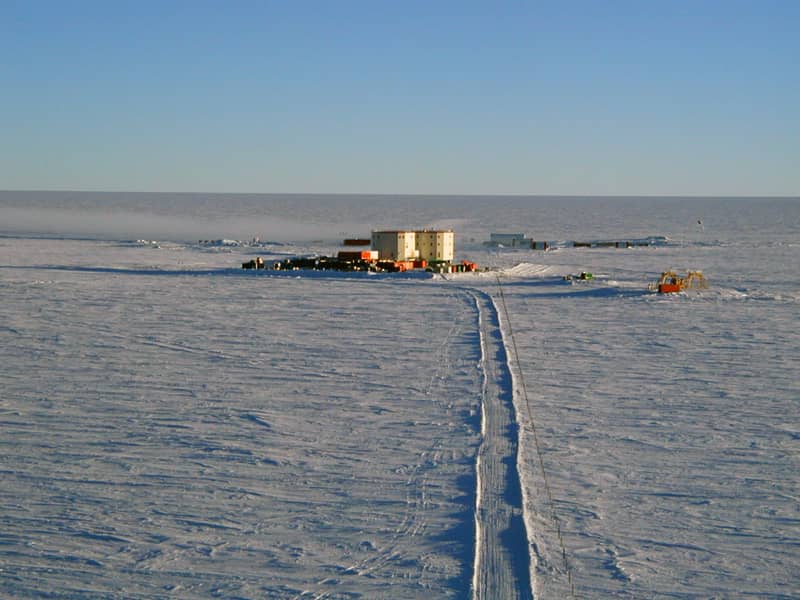
La Concordia Station
A remote Antarctic research station, Concordia offers a unique glimpse into extreme isolation and scientific discovery.
Highlights
Must-see attractions

Social
From TikTok & Reddit
Best Time
Longer daylight hours
La Concordia Station
Best Time
Longer daylight hours
Highlights
Must-see attractions
A remote Antarctic research station, Concordia offers a unique glimpse into extreme isolation and scientific discovery.
"Experience life at a station so remote, it's easier to get home from space than from here."
Book Flights Early
International and specialized flights to Antarctica book up fast. Plan months in advance!
Pack for Extremes
Extreme cold and isolation are the norm. Bring layers, durable gear, and entertainment.
Quick Facts
Hours
Rating
4.2 · 734 reviews
Highlights
Discover the most iconic attractions and experiences

The Research Outpost
Antarctica
Experience life at one of the most remote research stations on Earth, a hub for scientific discovery.
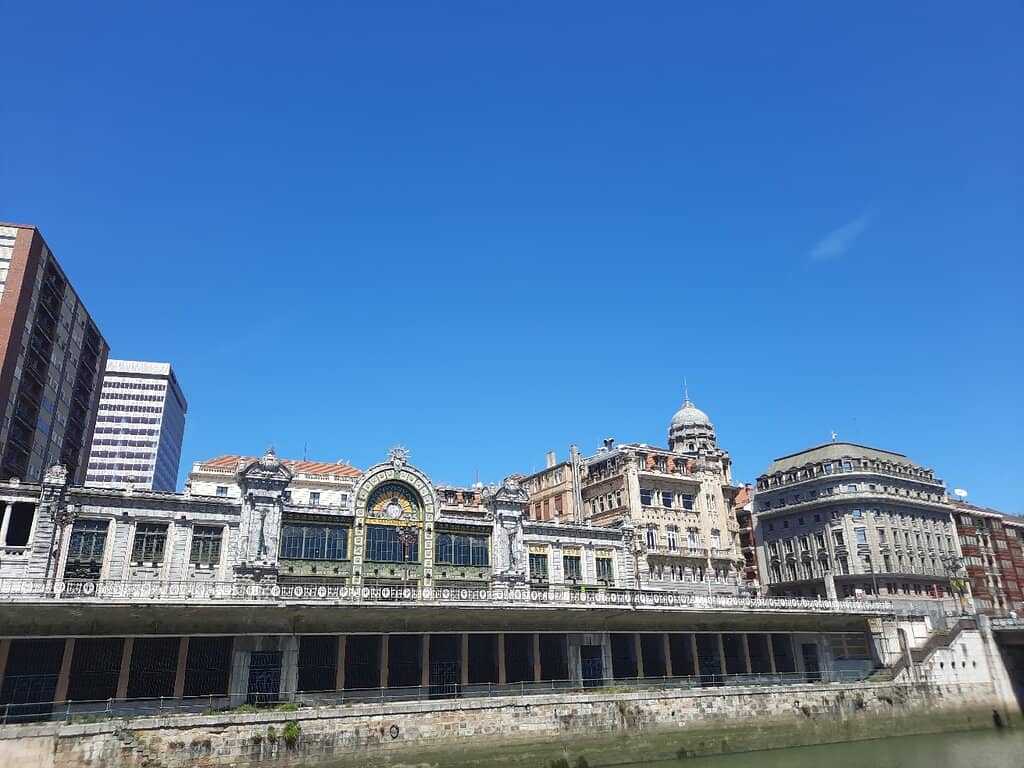
Extreme Environment
Antarctica
Witness the stark beauty and harsh conditions of the Antarctic plateau, a true test of human endurance.
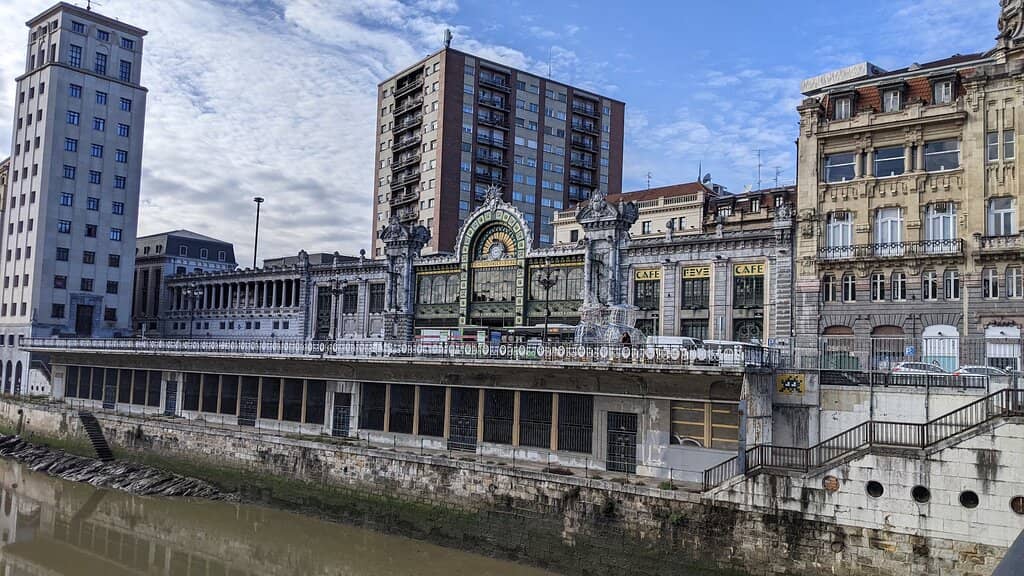
The Journey There
Antarctica
Understand the epic travel required, from flights to specialized aircraft, to reach this isolated location.
Plans like a pro.
Thinks like you
Planning Your Visit
Navigating Your Arrival
Life in Isolation
Best Times
Insider Tips
from TikTok, Instagram & Reddit
Book Flights Early
International and specialized flights to Antarctica book up fast. Plan months in advance!
Pack for Extremes
Extreme cold and isolation are the norm. Bring layers, durable gear, and entertainment.
Embrace the Isolation
It's a unique experience. Focus on the science and the camaraderie with fellow crew members.
Understand the Logistics
Getting here is an adventure itself, involving multiple aircraft and long travel times.
Tips
from all over the internet
Book Flights Early
International and specialized flights to Antarctica book up fast. Plan months in advance!
Pack for Extremes
Extreme cold and isolation are the norm. Bring layers, durable gear, and entertainment.
Embrace the Isolation
It's a unique experience. Focus on the science and the camaraderie with fellow crew members.
Understand the Logistics
Getting here is an adventure itself, involving multiple aircraft and long travel times.
What Travellers Say
Reviews Summary
La Concordia Station is not a typical tourist destination but a highly specialized research outpost in Antarctica. Visitors, primarily researchers, experience extreme isolation and challenging conditions, fostering strong camaraderie and unique scientific opportunities. The epic journey and the stark beauty of the Antarctic landscape are defining aspects of this remote location.
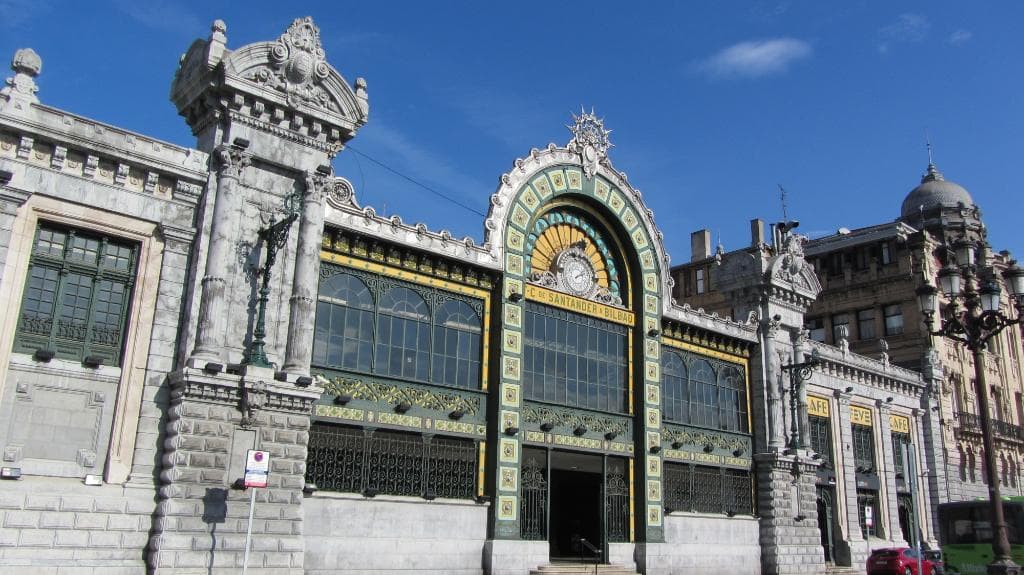
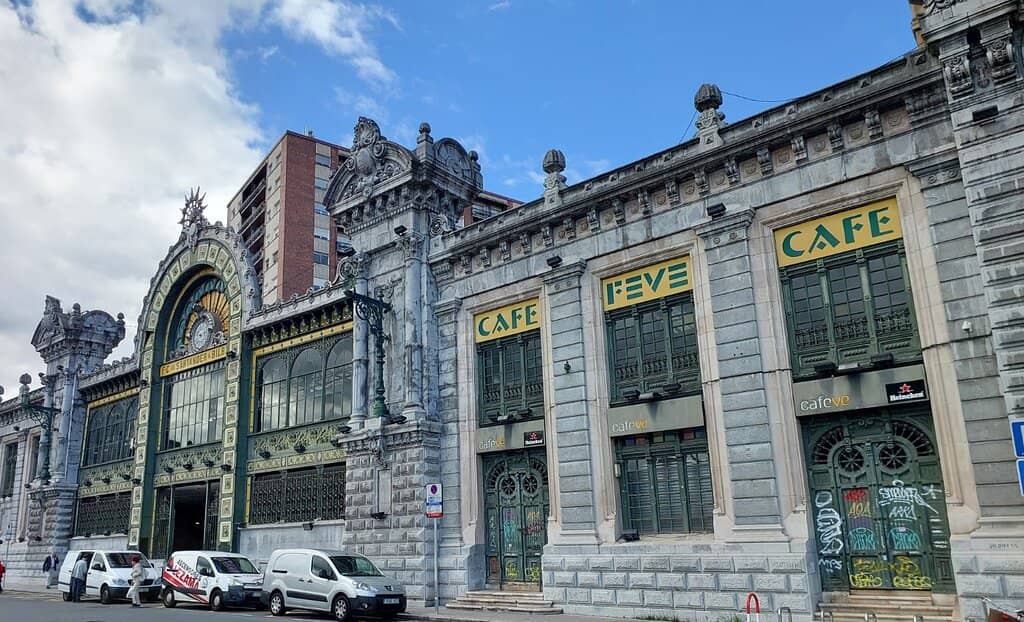
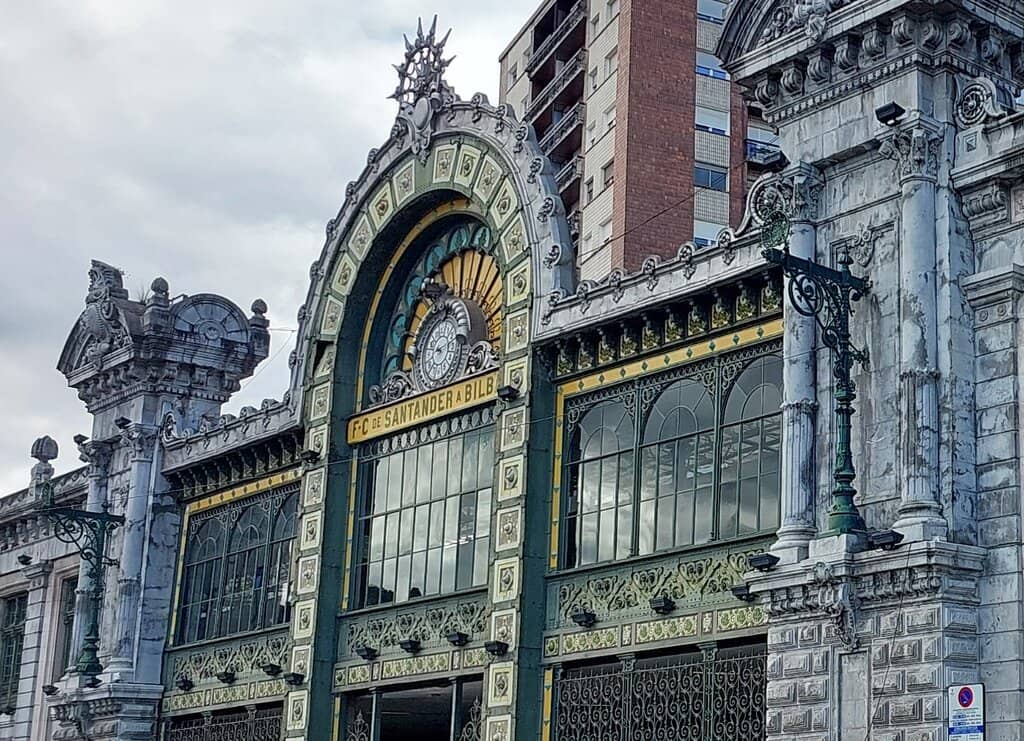
"Spectacular façade facing the theatre on the banks of the river."
Lighthouse Tai Chi
"Beautifull old station right in the center of town. Worth to visit it even f you are not traveling."
Igor Fabjan
"There are ticket machines and ticket office which worked one day in the morning and didn't another day in the afternoon. No seats and no bathrooms outside, you should use your ticket if you want to use them. If you arrive and wanna go to bathroom you need to go downstairs first so don't use your ticket upstairs (there are 2 sides of the station).
Friendly and helpful staff.
No place to leave luggage but they explain where you can go to leave it. I'm not sure how it works, is it free or not, because I didn't find that place (neither Spanish speaking girl). And not sure if anyone speaks English."
Anna Kustova
What People Like
What People Dislike
Frequently Asked Questions
🚇 🗺️ Getting There
Reaching Concordia Station is a complex expedition. It typically involves flying to New Zealand, then taking a military aircraft to the Antarctic coast, followed by an 8-hour flight. From there, a specialized Basler aircraft, a vintage WWII plane, transports you to Concordia.
The journey is extensive. After international flights, the Antarctic leg alone can take many hours, with the Basler flight to Concordia being approximately 8 hours.
No, flights are highly specialized and weather-dependent. They are not commercial 'regular' flights but rather logistical operations for research personnel.
The final approach to Concordia Station is often made using a Basler aircraft, a non-pressurized plane that dates back to World War II.
Concordia Station is primarily a research facility, not a tourist destination. Visits are typically limited to essential personnel and researchers.
🎫 🎫 Tickets & Entry
As Concordia Station is a research base, entry is not typically granted to the general public. Access is restricted to authorized personnel and researchers.
Concordia Station operates year-round for research purposes. However, access for non-essential personnel is extremely limited.
There is no admission fee for tourists as it is not a tourist attraction. Access is for scientific and logistical purposes only.
Permission to visit Concordia Station is highly restricted and usually requires affiliation with a scientific research project or a specific logistical role.
Booking requirements are for researchers and support staff. The general public cannot book visits to Concordia Station.
🎫 🧭 Onsite Experience
Staying at Concordia Station means experiencing extreme isolation, with crews enduring months of darkness and limited contact. It's a challenging but rewarding environment focused on scientific research.
Concordia Station is a hub for glaciology, astronomy, and atmospheric sciences. Researchers study ice cores, climate change, and the universe from this unique vantage point.
Crews typically spend extended periods at Concordia, often around 4 months in darkness and 9 months in isolation, highlighting the commitment required.
Living conditions are basic and functional, designed for extreme environments. Expect shared facilities and a focus on operational efficiency rather than comfort.
Internet access is likely limited and prioritized for essential communication and research data transfer, not for casual browsing.
📸 📸 Photography
Photography opportunities revolve around the stark Antarctic landscape, the unique station architecture, and the dramatic polar light, especially during the return of the sun.
Durable, cold-weather camera gear is essential. Consider wide-angle lenses for landscapes and telephoto lenses for any wildlife sightings, along with extra batteries.
Respect for privacy is paramount. Always ask for permission before photographing individuals.
Extreme cold can affect camera performance and battery life. Whiteout conditions and intense glare also present photographic challenges.
The periods around sunrise and sunset, and the unique light during the polar day and night, offer dramatic photographic potential. The return of the sun is a significant event.




Social
from TikTok, Instagram & Reddit