Convent of San Francisco
A historic Franciscan complex featuring stunning Baroque art, ancient catacombs, and rich cultural exhibits.
Highlights
Must-see attractions

Social
From TikTok & Reddit
Best Time
Fewer crowds, peaceful exploration
Convent of San Francisco
Best Time
Fewer crowds, peaceful exploration
Highlights
Must-see attractions
A historic Franciscan complex featuring stunning Baroque art, ancient catacombs, and rich cultural exhibits.
"A complex steeped in history, home to incredible art and a fascinating glimpse into the past."
Wear Comfortable Shoes
You'll be doing a lot of walking to explore the entire complex. :athletic_shoe:
Look for the Hidden Entrance
The church entrance can be a bit hidden; it's accessed through a small door from the MASS (Blue Museum of Holy Week). 🚪
Quick Facts
Highlights
Discover the most iconic attractions and experiences
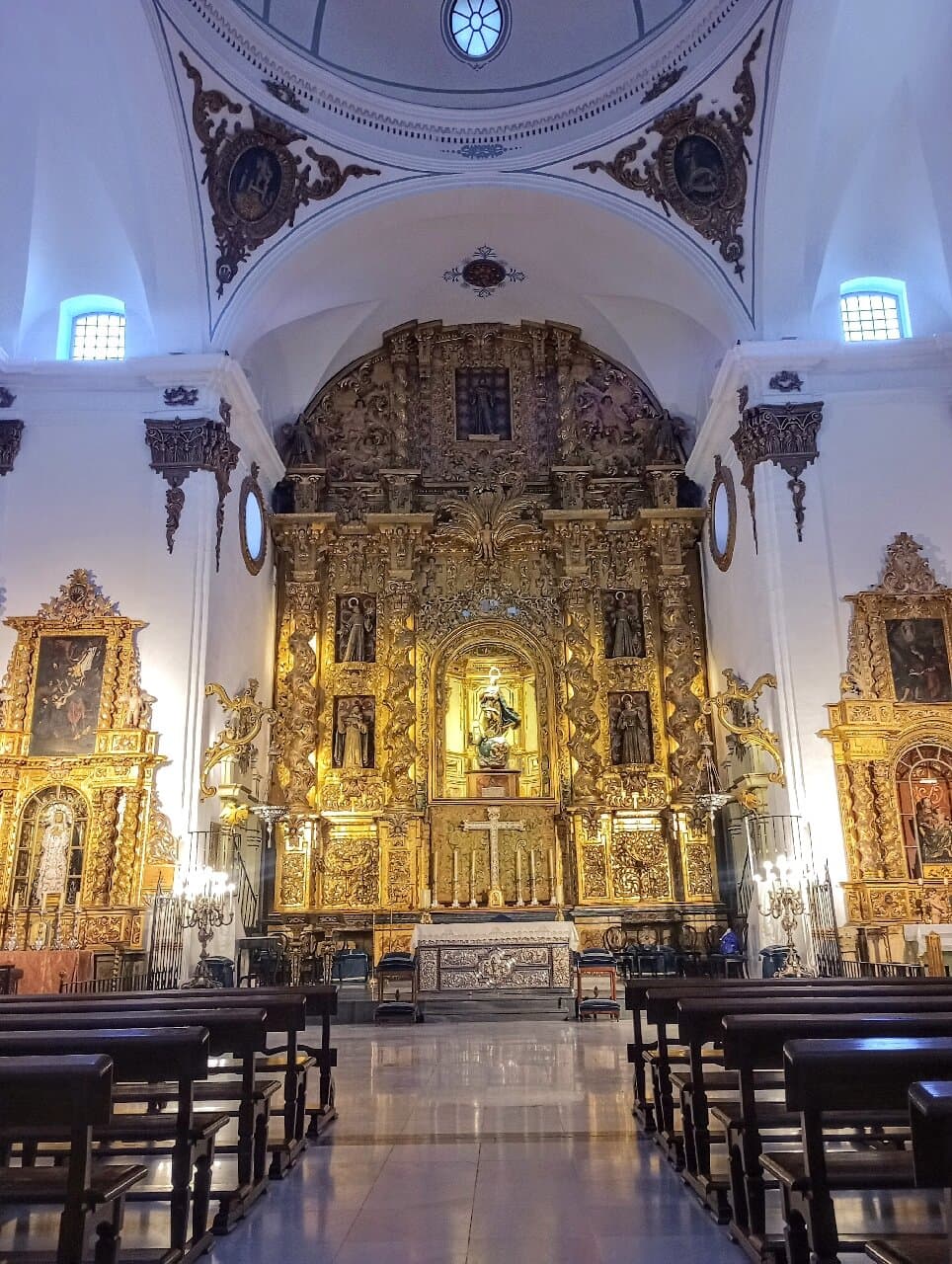
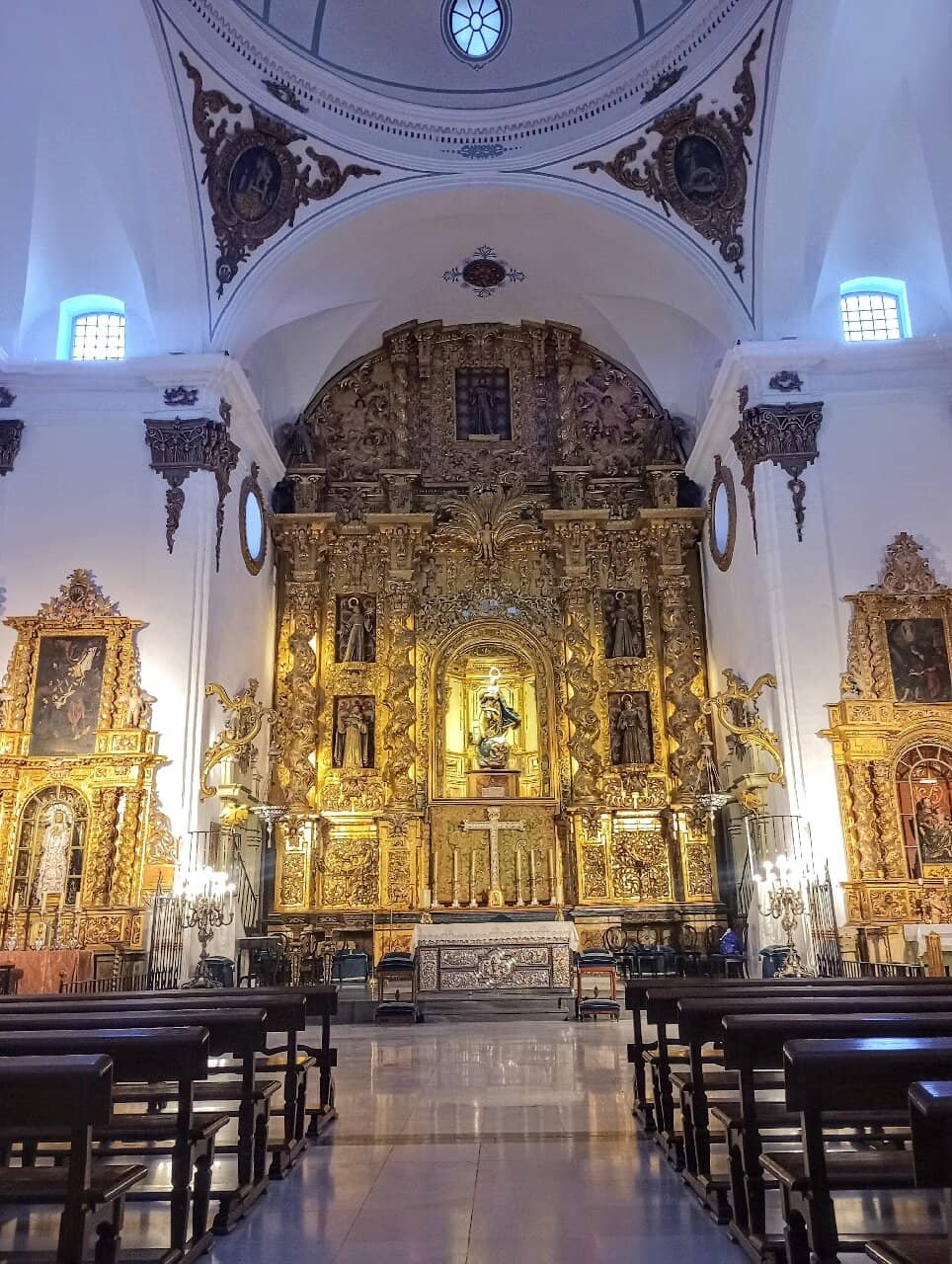
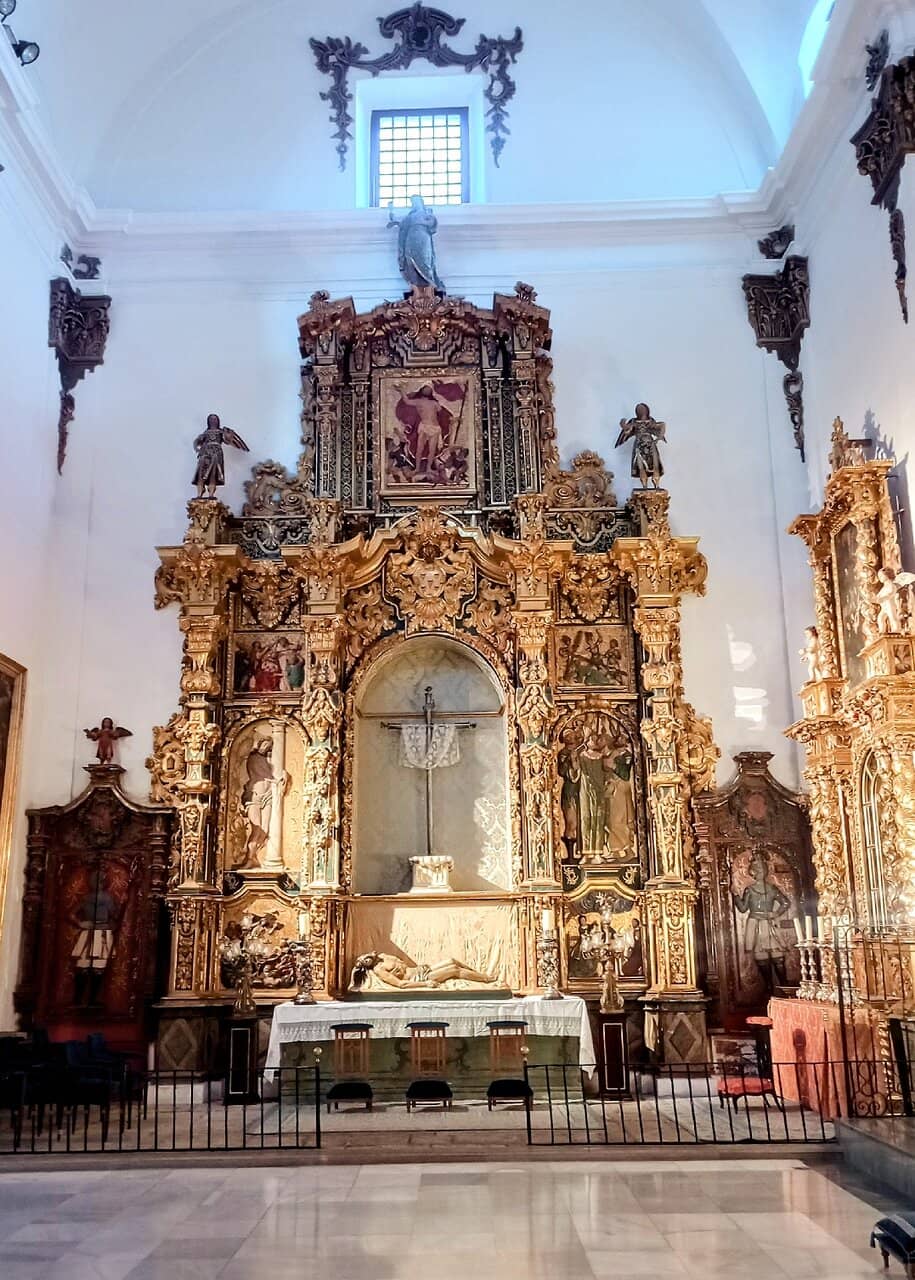
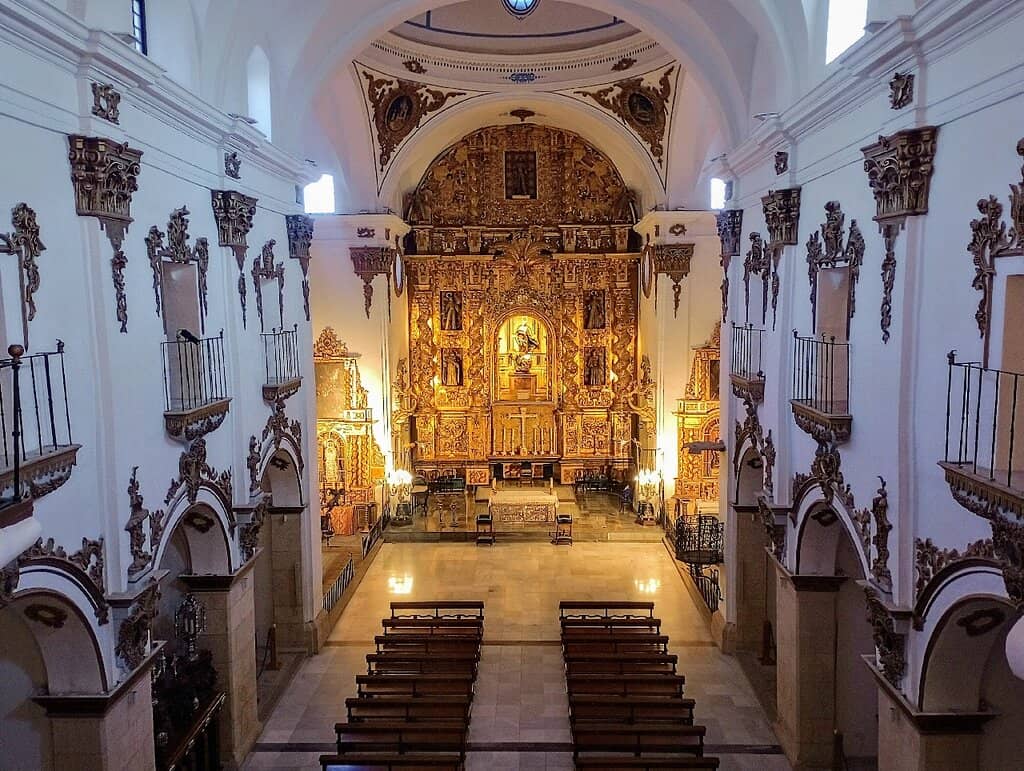
Baroque Altarpieces
Church Interior
Marvel at the stunning Baroque altarpieces, showcasing intricate wood carvings and gold leaf.
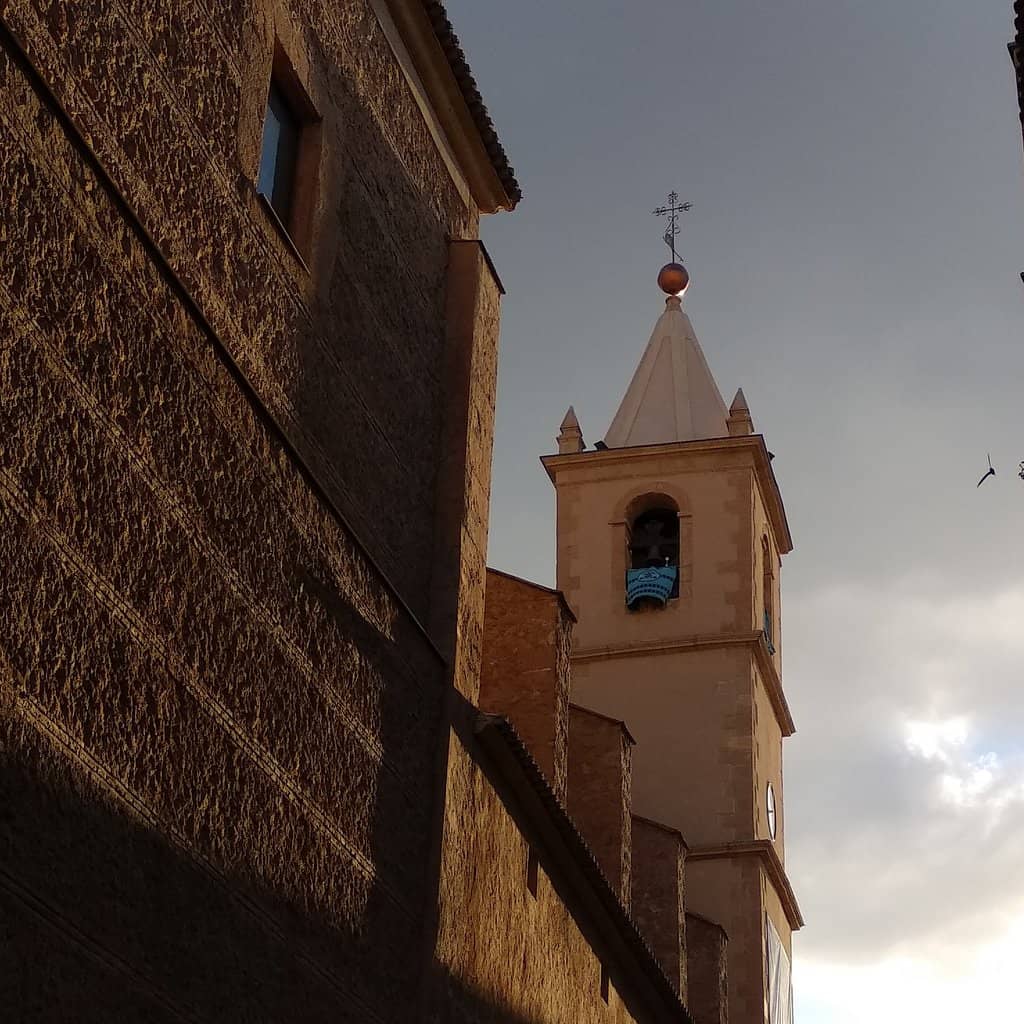
Austere Tower
Exterior
Admire the noteworthy, austere tower with its octagonal brick capital, a distinctive architectural feature.
Paso Azul Museum & Tapestries
Museum Section
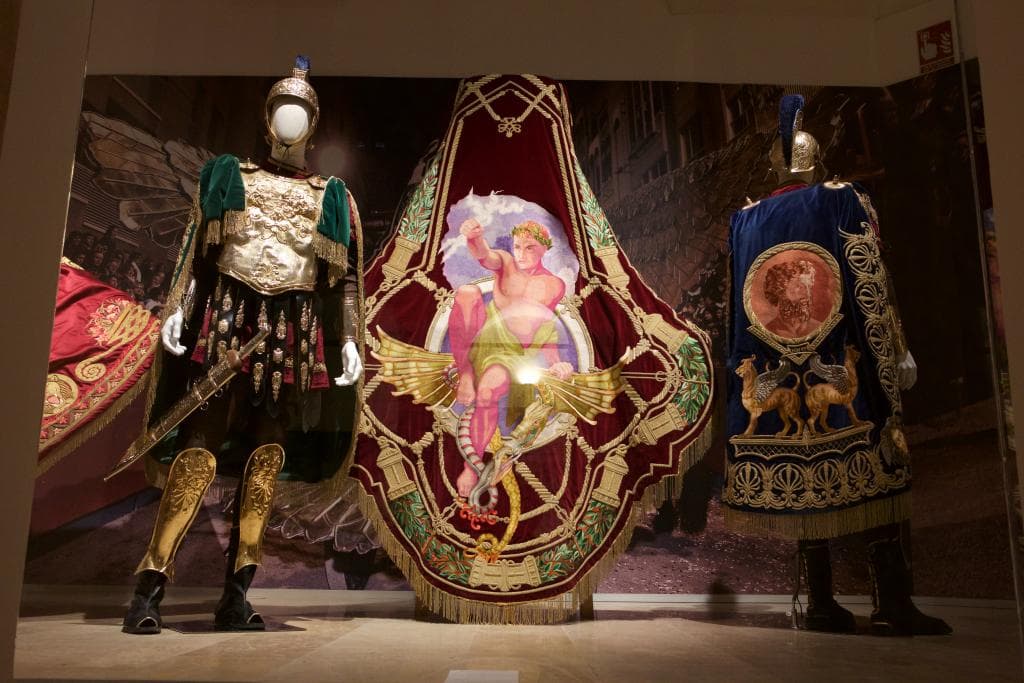
Explore the Paso Azul Museum, featuring incredibly beautiful and masterfully crafted Holy Week tapestries.
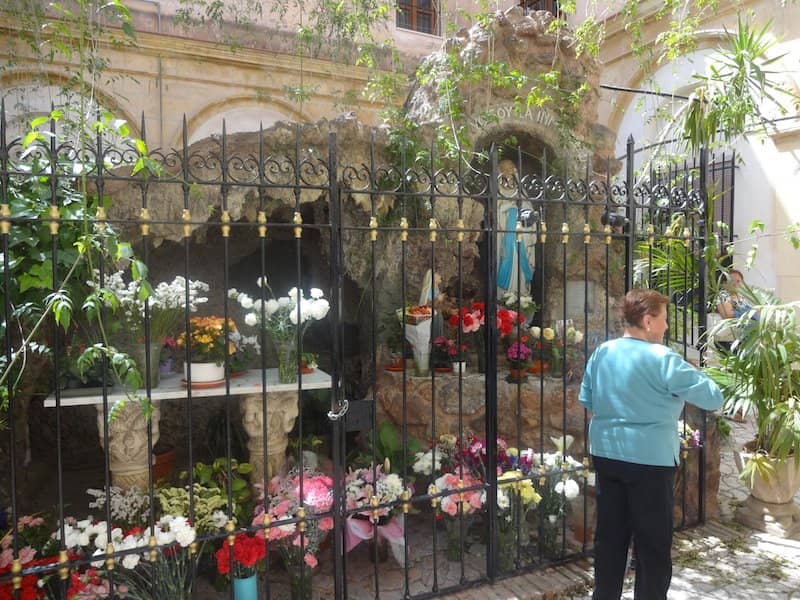
Catacombs Exploration
Underground Chambers
Venture into the historic catacombs for a unique and somber glimpse into the past.
Plans like a pro.
Thinks like you
Planning Your Visit
Timing is Key for the Best Experience
Understand the Scope of the Complex
Best Times
Insider Tips
from TikTok, Instagram & Reddit
Wear Comfortable Shoes
You'll be doing a lot of walking to explore the entire complex. :athletic_shoe:
Look for the Hidden Entrance
The church entrance can be a bit hidden; it's accessed through a small door from the MASS (Blue Museum of Holy Week). 🚪
Allow Ample Time
This is a large complex with museums and catacombs. Plan for at least 2-3 hours. :clock1:
Photography Opportunities
Capture the stunning architecture and intricate details. :camerawithflash:
Tips
from all over the internet
Wear Comfortable Shoes
You'll be doing a lot of walking to explore the entire complex. :athletic_shoe:
Look for the Hidden Entrance
The church entrance can be a bit hidden; it's accessed through a small door from the MASS (Blue Museum of Holy Week). 🚪
Allow Ample Time
This is a large complex with museums and catacombs. Plan for at least 2-3 hours. :clock1:
Photography Opportunities
Capture the stunning architecture and intricate details. :camerawithflash:
Check Museum Hours
The museum section has specific operating days and hours, usually Tuesday-Sunday. 📅
What Travellers Say
Reviews Summary
Visitors consistently praise the Convent of San Francisco for its stunning Baroque altarpieces and rich historical significance. The complex's architecture and the opportunity to explore its museum and catacombs are frequently highlighted as major draws. Some find the entrance a bit hidden, and the sheer size requires ample time for a thorough visit.
"The church is beautiful and is accessed through a small (somewhat hidden) door from the MASS (Blue Museum of Holy Week).
It has several striking altarpieces and can be seen from the highest part of the museum, accessing the second floor."
Rethna Cancionlejana
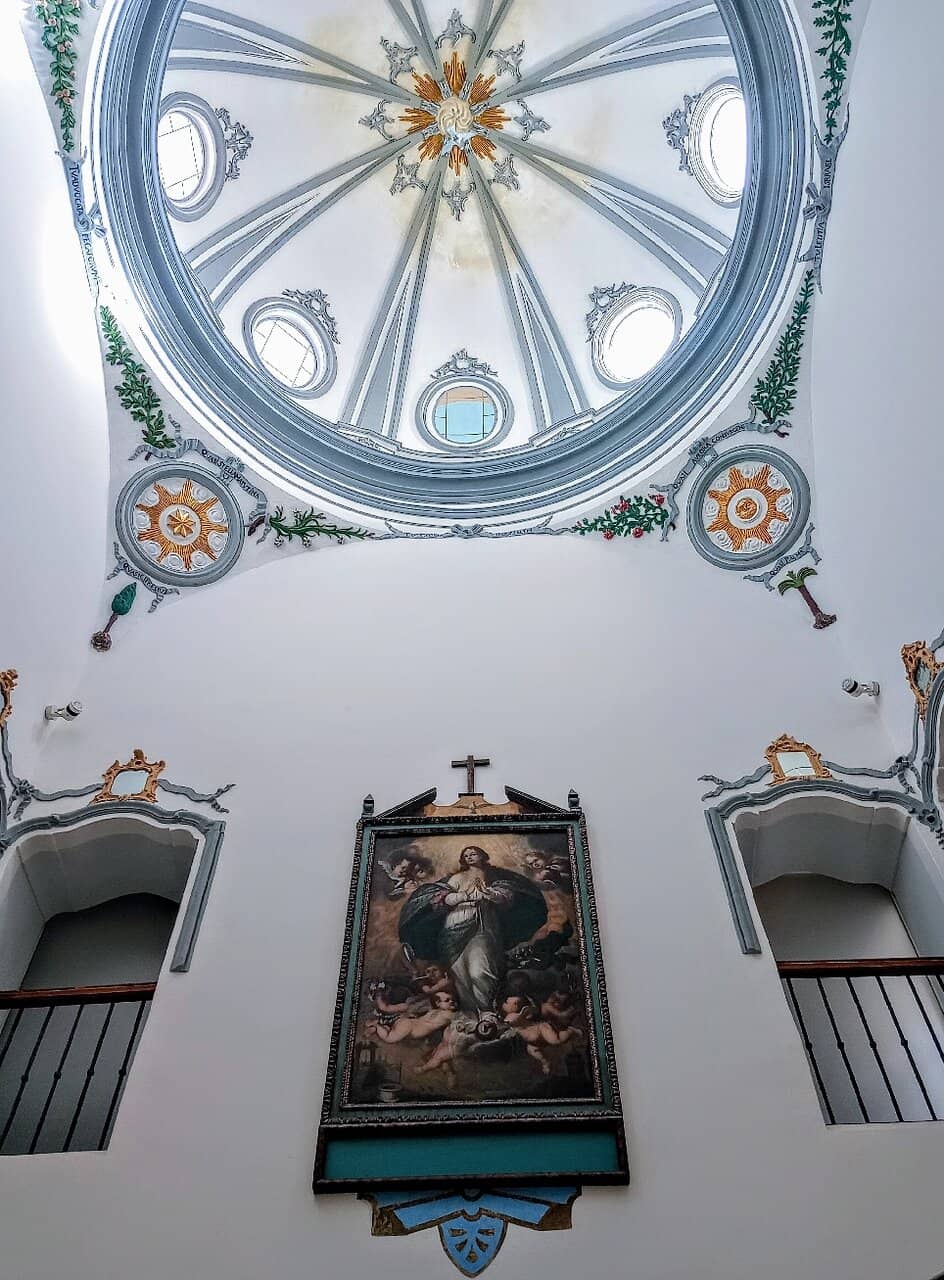
"Dating from the 16th century, it is Baroque in style. Its interior features various Baroque altarpieces. It has a single nave, covered by a barrel vault, and its austere, four-section tower with an octagonal brick capital is particularly noteworthy. It currently houses the Lorca Blue Step."
Doncelador
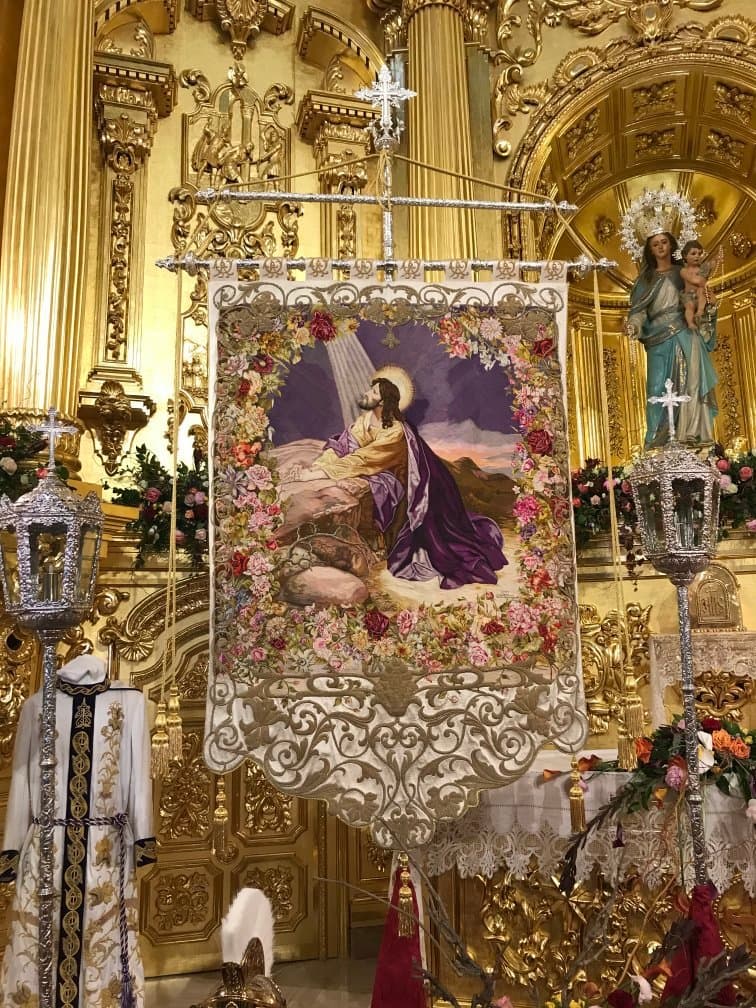
"Headquarters of the "Paso Azul" Brotherhood. Exhibition of Holy Week tapestries of incredible beauty and craftsmanship!"
Baltasar Gómez Berna
What People Like
What People Dislike
Frequently Asked Questions
🚇 🗺️ Getting There
The Convent of San Francisco is often located in the historic center of cities like Quito, Lima, or Lorca. If in Lorca, it's connected to the MASS (Blue Museum of Holy Week) and accessed via a small, somewhat hidden door. Public transport or a taxi are usually the best ways to reach these central historic areas.
Generally, yes. As a significant historical and religious site, it's usually well-served by local bus routes within the city. Check local transit maps for the specific city you are visiting.
Walking is often the best way to explore the historic centers where these convents are located. Wear comfortable shoes as the cobblestone streets can be uneven.
🎫 🎫 Tickets & Entry
Yes, typically an admission fee is required, especially for the museum sections and catacombs. It's advisable to check the official website or inquire locally for current ticket prices and availability.
Opening hours can vary, but many convent museums are open from Tuesday to Sunday. It's best to confirm the specific hours for the location you plan to visit, as they can change seasonally.
In some locations, the church may be freely accessible for prayer, while the museum and catacombs require a separate ticket. The church in Lorca, for example, is accessed through the museum.
Information on discounts for students, seniors, or children is usually available on the official website or at the ticket counter. It's always worth asking.
Booking tickets online in advance is often recommended, especially during peak tourist seasons, to secure your entry and potentially save time.
🎫 🏛️ Onsite Experience
Don't miss the stunning Baroque altarpieces, the austere tower, the catacombs, and the Paso Azul Museum with its Holy Week tapestries.
Photography is generally allowed in many areas, but it's always a good idea to check for specific restrictions, especially in sacred or exhibition spaces.
To fully appreciate the complex, including the church, museum, and catacombs, plan for at least 2 to 3 hours.
Guided tours can enhance your understanding of the history and art. Inquire at the ticket office or check the official website for tour availability and schedules.
These convents are often among the oldest religious sites in their respective cities, dating back to the 16th and 17th centuries, and have played a crucial role in local history, sometimes housing hospitals or schools.
📸 📸 Photography
The intricate altarpieces, the architectural details of the tower, and the atmospheric catacombs offer fantastic photo opportunities. The courtyards and cloisters are also picturesque. 
Drone photography is typically restricted in historic city centers and around religious sites due to privacy and safety regulations. Always check local drone laws before flying.
A versatile lens (like a 24-70mm) is useful for capturing both wide architectural shots and detailed close-ups of the art. A fast prime lens can be great for low-light interiors.
While general photography is often permitted, flash photography might be prohibited to protect delicate artworks. Always look for signage or ask staff.

Social
from TikTok, Instagram & Reddit