Clunia Sulpicia
Explore Clunia Sulpicia, a vast Roman city in Burgos with one of Hispania's largest theatres and stunning mosaics.

Highlights
Must-see attractions

Social
From TikTok & Reddit
Best Time
Beat the heat and crowds
Clunia Sulpicia
Best Time
Beat the heat and crowds
Highlights
Must-see attractions
Explore Clunia Sulpicia, a vast Roman city in Burgos with one of Hispania's largest theatres and stunning mosaics.
"A great surprise and a wonderful discovery! A must-see if you're visiting this area of Burgos."
🚗 Car is Essential
Clunia Sulpicia is best reached by car. Public transport options are limited, so plan your route accordingly.
👟 Comfortable Footwear
You'll be walking on uneven terrain and ancient stones. Sturdy shoes are a must for exploring the vast site.
Quick Facts
Hours
Rating
4.5 · 395 reviews
Type
Historical Landmark
Highlights
Discover the most iconic attractions and experiences
The Grand Roman Theatre
Peñalba de Castro
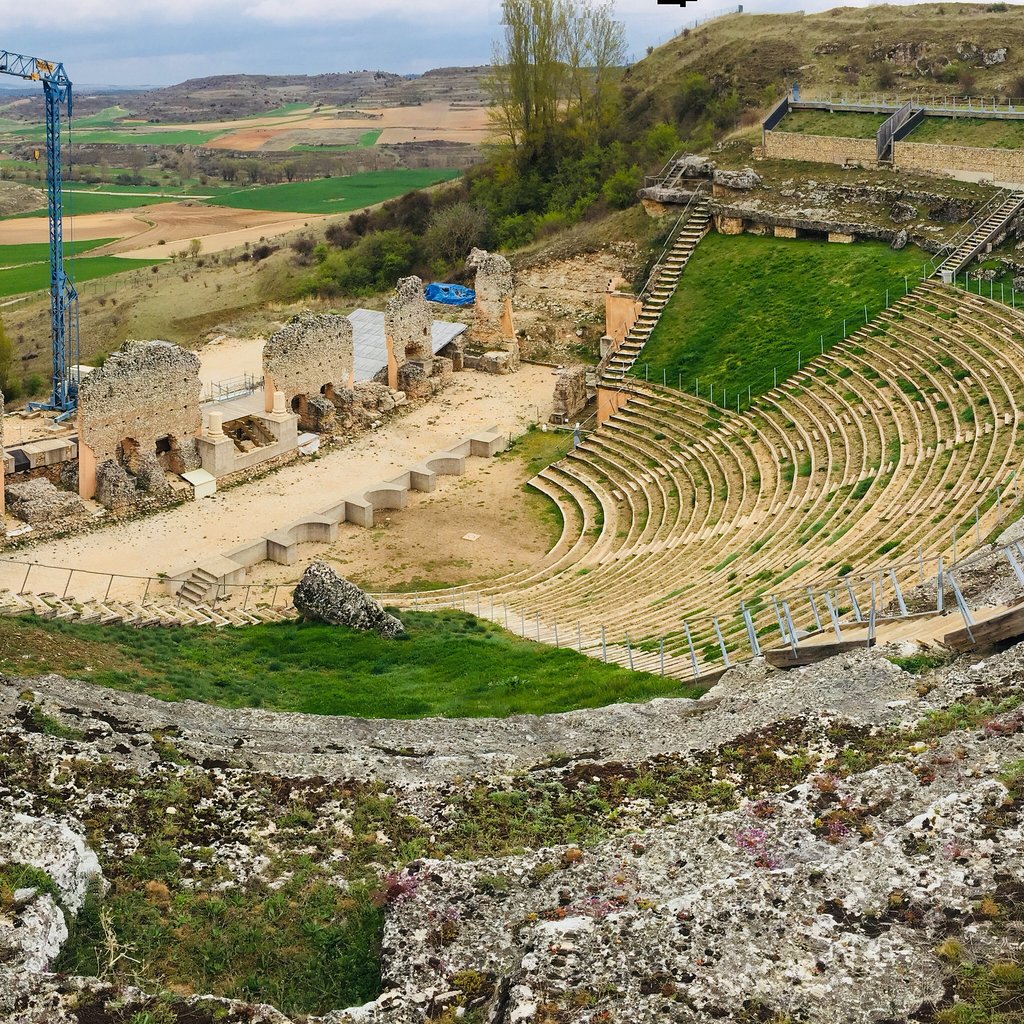
One of the largest in Hispania, this theatre could seat over 10,000 spectators. Imagine ancient performances here!
Vibrant Mosaics
Various excavated areas
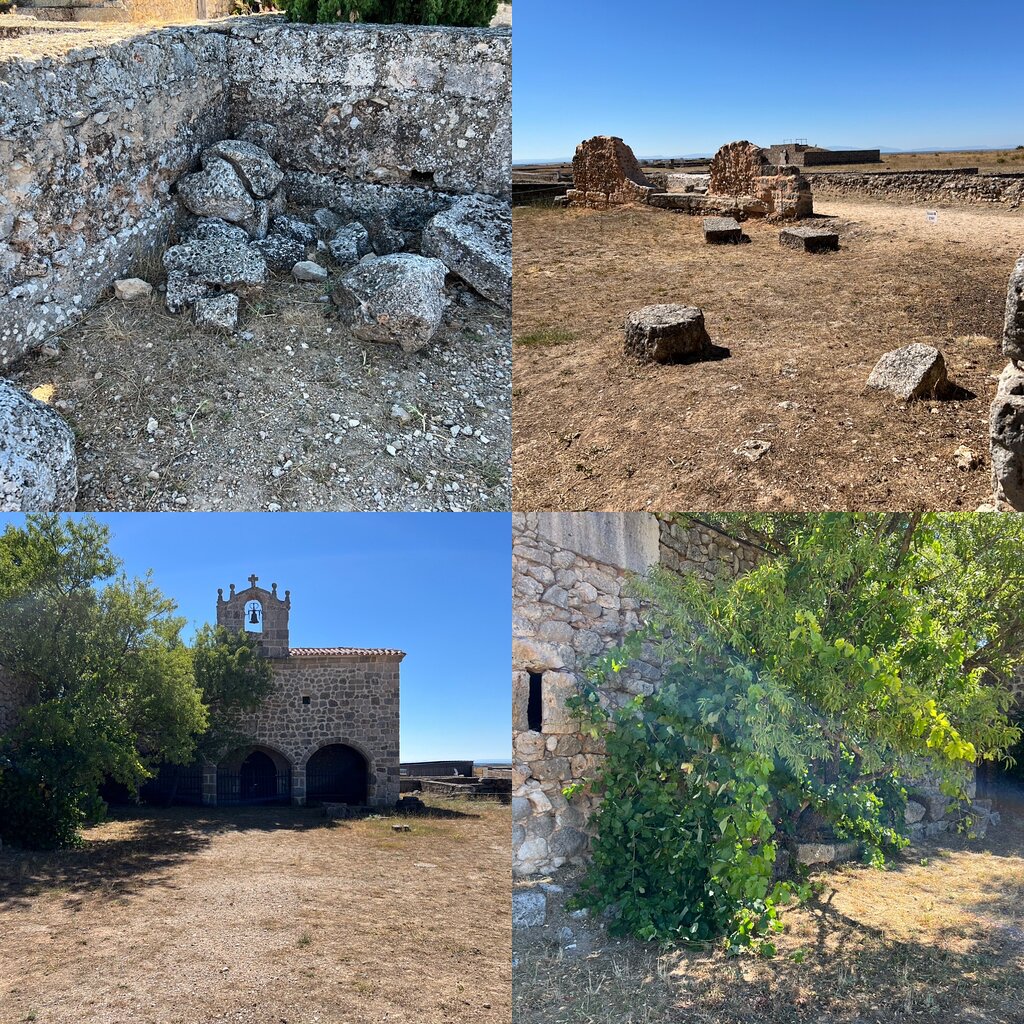
Discover remarkably preserved mosaics showcasing intricate designs and colors from Roman daily life.
Extensive City Ruins
Peñalba de Castro
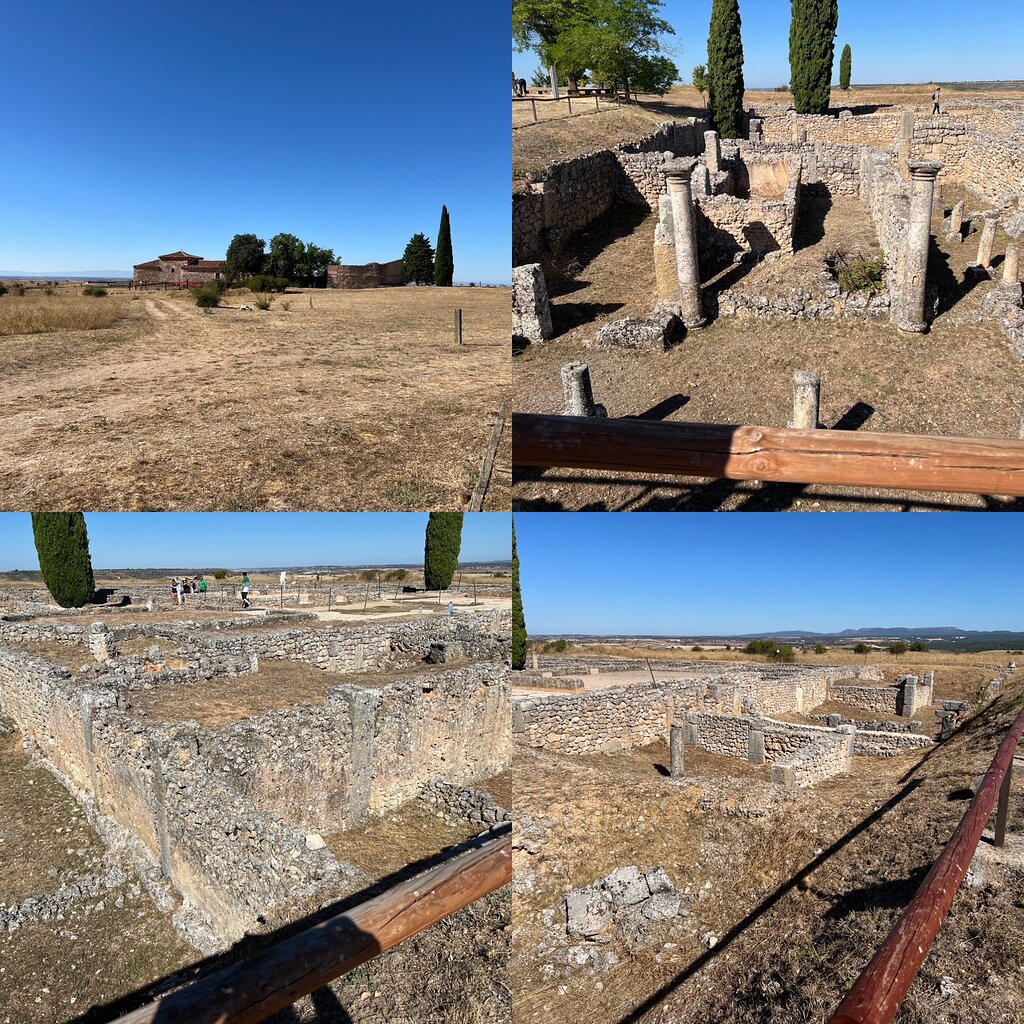
Explore the vast remnants of a once-major Roman city, including baths, forums, and temples.
Plans like a pro.
Thinks like you
Planning Your Visit
Timing Your Visit to Clunia Sulpicia
Navigating Clunia Sulpicia's Ruins
Best Times
Insider Tips
from TikTok, Instagram & Reddit
🚗 Car is Essential
Clunia Sulpicia is best reached by car. Public transport options are limited, so plan your route accordingly.
👟 Comfortable Footwear
You'll be walking on uneven terrain and ancient stones. Sturdy shoes are a must for exploring the vast site.
☀️ Sun Protection
The site is exposed with little shade. Bring sunscreen, a hat, and plenty of water, especially during warmer months.
⏳ Allow Ample Time
This is a large archaeological site. Dedicate at least 2-3 hours to truly appreciate its scale and history.

Tips
from all over the internet
🚗 Car is Essential
Clunia Sulpicia is best reached by car. Public transport options are limited, so plan your route accordingly.
👟 Comfortable Footwear
You'll be walking on uneven terrain and ancient stones. Sturdy shoes are a must for exploring the vast site.
☀️ Sun Protection
The site is exposed with little shade. Bring sunscreen, a hat, and plenty of water, especially during warmer months.
⏳ Allow Ample Time
This is a large archaeological site. Dedicate at least 2-3 hours to truly appreciate its scale and history.
🐶 Pet-Friendly Exploration
Well-behaved dogs are welcome to explore the site with you, but remember to clean up after them.
What Travellers Say
Reviews Summary
Visitors often praise Clunia Sulpicia for its impressive scale and historical significance, particularly the Roman Theatre and well-preserved mosaics. However, some note that large portions are in ruins and certain features may be covered for preservation, which can detract from the experience for those expecting more complete structures. The site's accessibility by car and its pet-friendly nature are also frequently mentioned positives.
"I am using the microphone to text to write this review as the sun is blinding me from seeing my phone screen. We arrived here excited to see the Roman ruins. We are currently looking at. Susan the dog. No. Susan the dog is pissing on the ruins. Sorry we are currently looking at the ruins of the public baths Susan get the dog. Flipper. Hey. Flipper get. The ruins here are not very complete. I am assuming that a big earthquake has knocked most of the how do you say. Knocked the rocks down. It is a nice place to walk with your family but almost all of the historical things are closed or covered. The mosaics are covered with sand or wood and cannot be seen. Flipper. Hey. Flipper no. Bag boy flipper. Get down. The only building there is locked and presumably not from the Romanic era as it has some dodgy brick work. Susan do we have poop bags. Yes we. We can't leave that here. Somebody will mistake that for a Roman relic. Don't be so. Lamb. Jesus Christ Susan. Watch your feet. You just walked straight through flippers s"
Ken Meri
"Clunia has some good remaining buildings and mosaics. A lot of it though is in ruins. Only really one for the Roman nerds, like me! Only accessible by car."
William Relton
"Definitely worth a visit if you are in the area."
Karina Pittoors
What People Like
What People Dislike
Frequently Asked Questions
🚇 🗺️ Getting There
Clunia Sulpicia is located near Peñalba de Castro in the province of Burgos, Spain. The most convenient way to reach the site is by car, as public transport options are scarce. The site is well-signposted from the nearest towns.
Unfortunately, direct public transport to Clunia Sulpicia is very limited. It is highly recommended to travel by car to fully experience the archaeological site.
From Burgos, take the A-1 motorway south and then follow signs towards Peñalba de Castro. The journey typically takes around 45-60 minutes by car.
Yes, there is parking available at the archaeological site, which is convenient for visitors arriving by car.
Absolutely! Clunia Sulpicia makes for an excellent day trip from Burgos or other nearby towns in the Ribera del Duero region.
🎫 🎫 Tickets & Entry
Opening hours can vary seasonally. It's best to check the official website or local tourist information for the most up-to-date hours before your visit.
Admission fees are generally very reasonable, often with a small charge for entry to the site and any visitor centers. Check for any special event pricing.
For general visits, advance booking is usually not required. However, for special events like the summer festival, booking tickets in advance is highly recommended.
Guided tours may be available, especially during peak season or for specific events. Inquire at the entrance or visitor center for details.
Yes, dogs are generally allowed at Clunia Sulpicia, provided they are kept on a leash and owners clean up after them.
🎫 🏛️ Onsite Experience
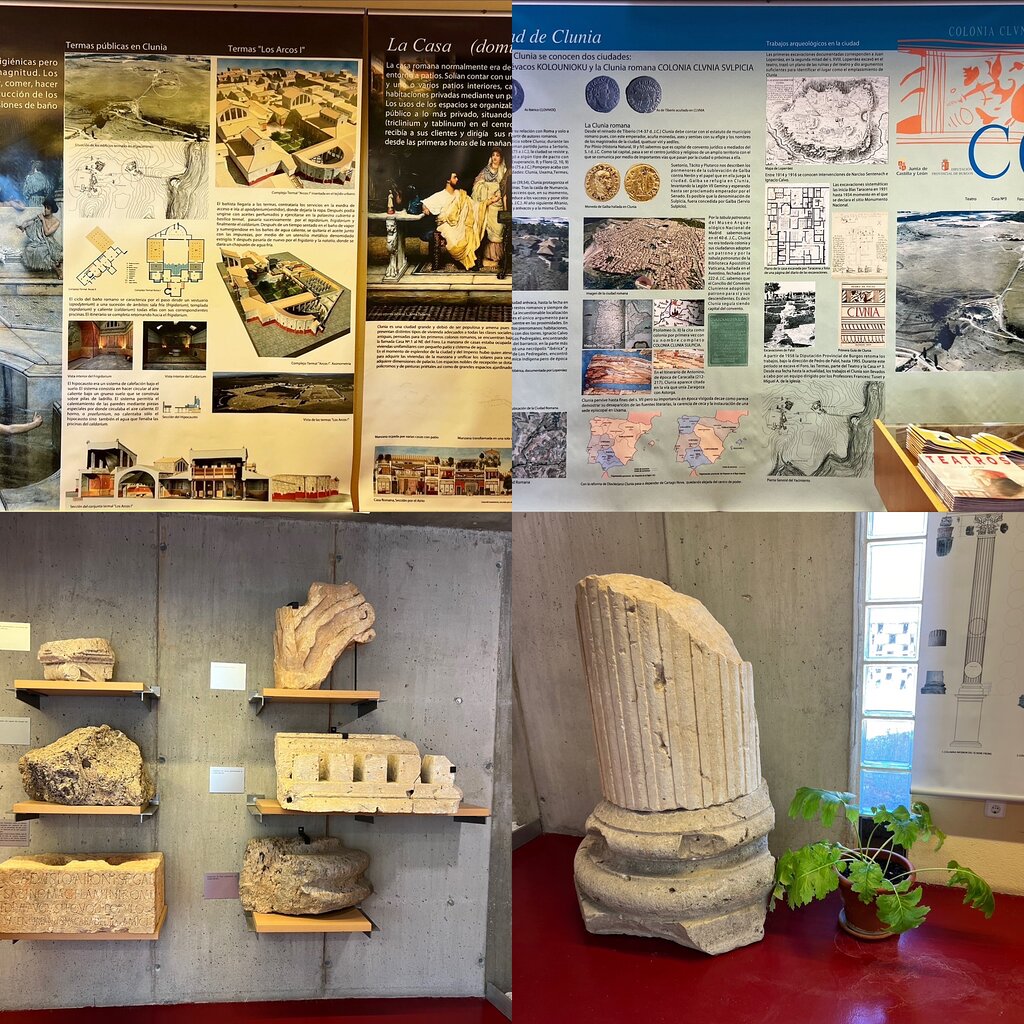
The main attractions include the impressive Roman Theatre, well-preserved mosaics, the remains of the forum, public baths, and temples, showcasing the grandeur of this ancient city.
The archaeological site is extensive, covering a large area. Be prepared for a significant amount of walking on uneven ground.
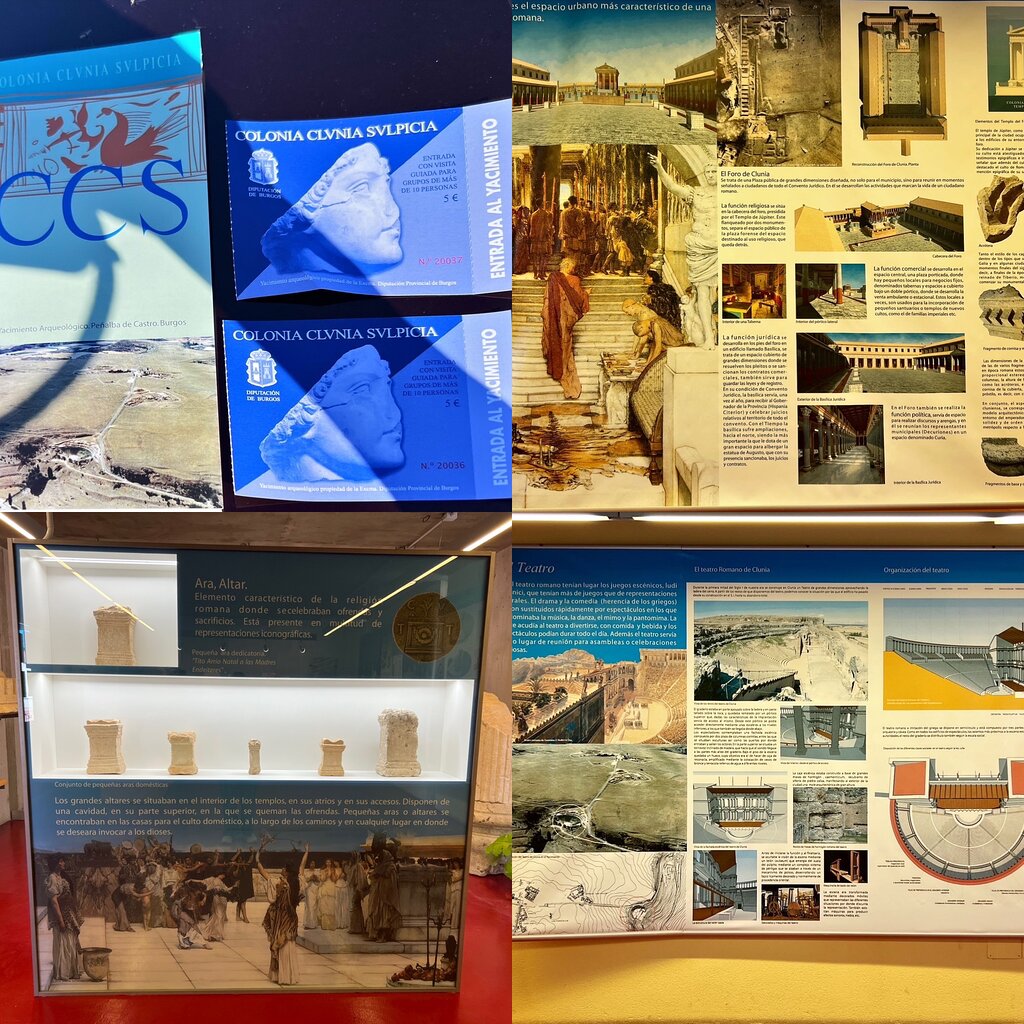
While many mosaics are a highlight, some may be covered with sand or protective materials for preservation, so not all might be visible at all times.
Facilities typically include parking, restrooms, and sometimes a small visitor center or information point. Check for current amenities.
Yes, Clunia Sulpicia is a great place for families. Children can enjoy exploring the ruins and imagining life in Roman times.
📸 📸 Photography
The Roman Theatre offers dramatic perspectives, especially during golden hour. The mosaic areas and panoramic views of the ruins are also highly photogenic.
Photography for personal use is generally allowed throughout the site. Be mindful of any restrictions in specific areas or during events.
Late afternoon, during the 'golden hour,' provides beautiful lighting for capturing the ruins. Early mornings can also offer softer light and fewer crowds.
Drone usage is typically restricted at archaeological sites to protect the ruins and ensure visitor safety. Check local regulations before flying.
Don't miss capturing the scale of the theatre, the intricate details of the mosaics, and the sweeping views of the ancient city from its elevated position.
You may also like
Lerma Ducal Palace and Plaza Mayor

Santo Domingo de Silos Monastery

Plaza del Mío Cid

Lagunas de Neila

Puente de Santa María

Cartuja de Miraflores Burgos
Lerma Ducal Palace and Plaza Mayor
Santo Domingo de Silos Monastery
Plaza del Mío Cid
Lagunas de Neila
Puente de Santa María
Cartuja de Miraflores Burgos

Iglesia de Santa María la Real y Antigua de Gamonal
Sabinares del Arlanza Natural Park
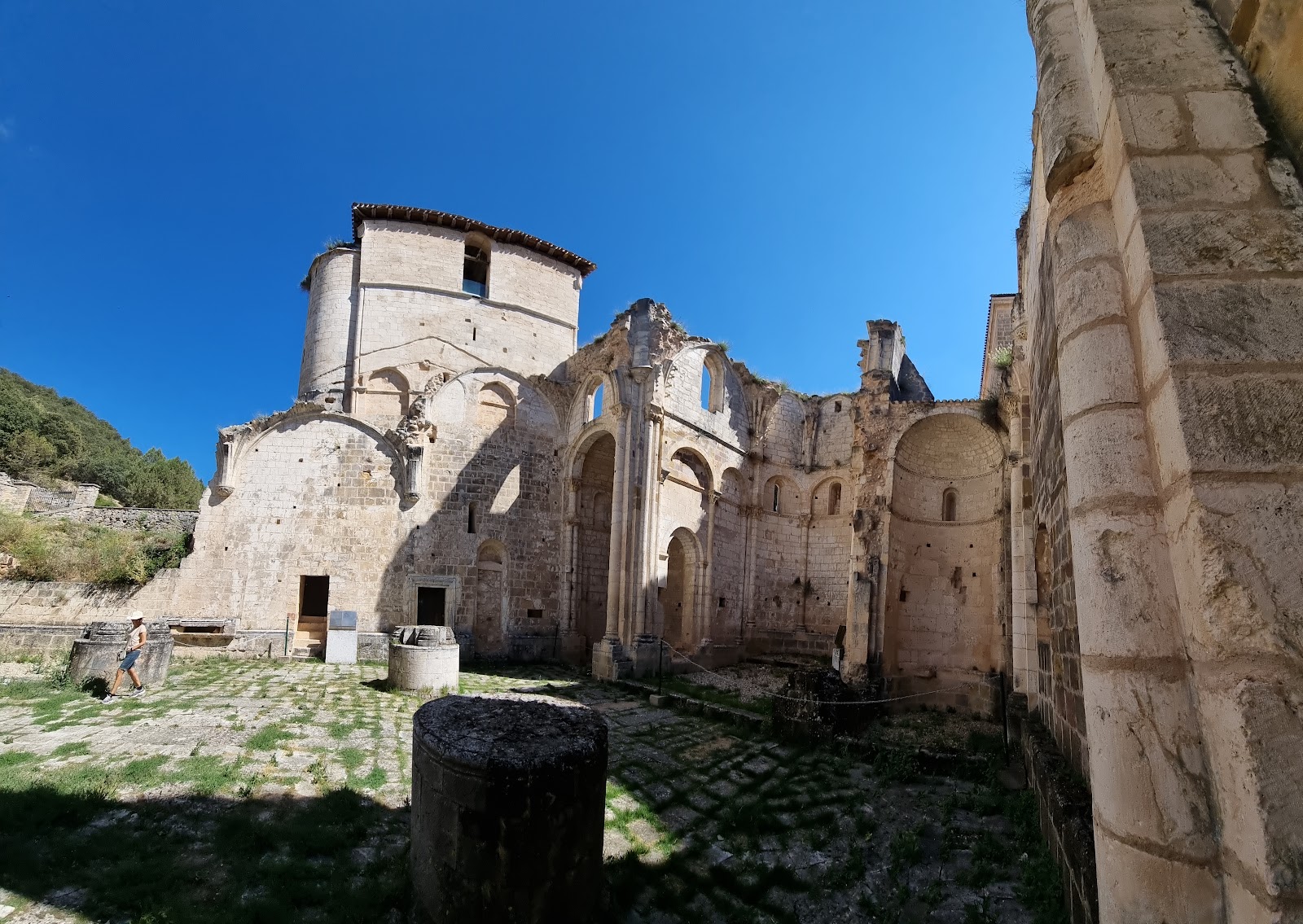
Monastery of San Pedro de Arlanza Ruins

Iglesia de San Gil Abad

Hospital del Rey University of Burgos
Social
from TikTok, Instagram & Reddit