Iglesia de San Martín
A monumental Baroque church in Santiago de Compostela, known for its art, history, and special exhibitions like 'Homo Ousios'.
Highlights
Must-see attractions

Social
From TikTok & Reddit
Best Time
Enhances the visit with unique displays
Iglesia de San Martín
Best Time
Enhances the visit with unique displays
Highlights
Must-see attractions
A monumental Baroque church in Santiago de Compostela, known for its art, history, and special exhibitions like 'Homo Ousios'.
"The exhibition is of great quality both for the pieces shown and for the route. It is very worth it."
🎟️ Rent the Tablet Guide
Enhance your understanding with the tablet guide; it's well-done and offers great insights for a small fee.
✨ Check for Exhibitions
The 'Homo Ousios' exhibition is highly recommended and adds significant value to the visit.

Quick Facts
Rating
4.4 · 45 reviews
Type
Historical Landmark
Highlights
Discover the most iconic attractions and experiences
Homo Ousios Exhibition
Main Hall
A spectacular exhibition celebrating the 1700th anniversary of the Council of Nicaea, featuring quality pieces and intuitive layout.
Baroque Architecture
Facade and Interior
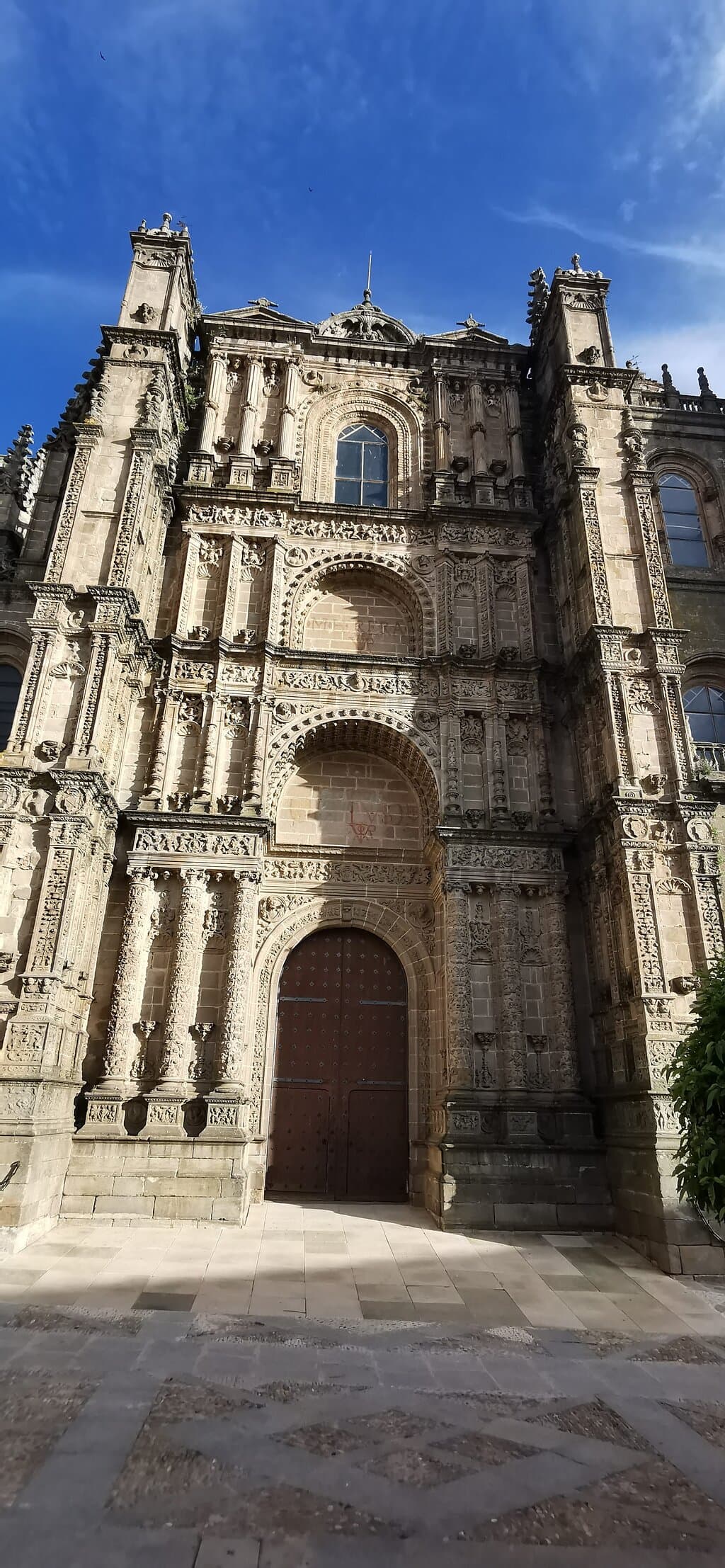
Marvel at the monumental 16th-century construction, showcasing the evolution of Baroque style in Galicia with rich ornamentation.

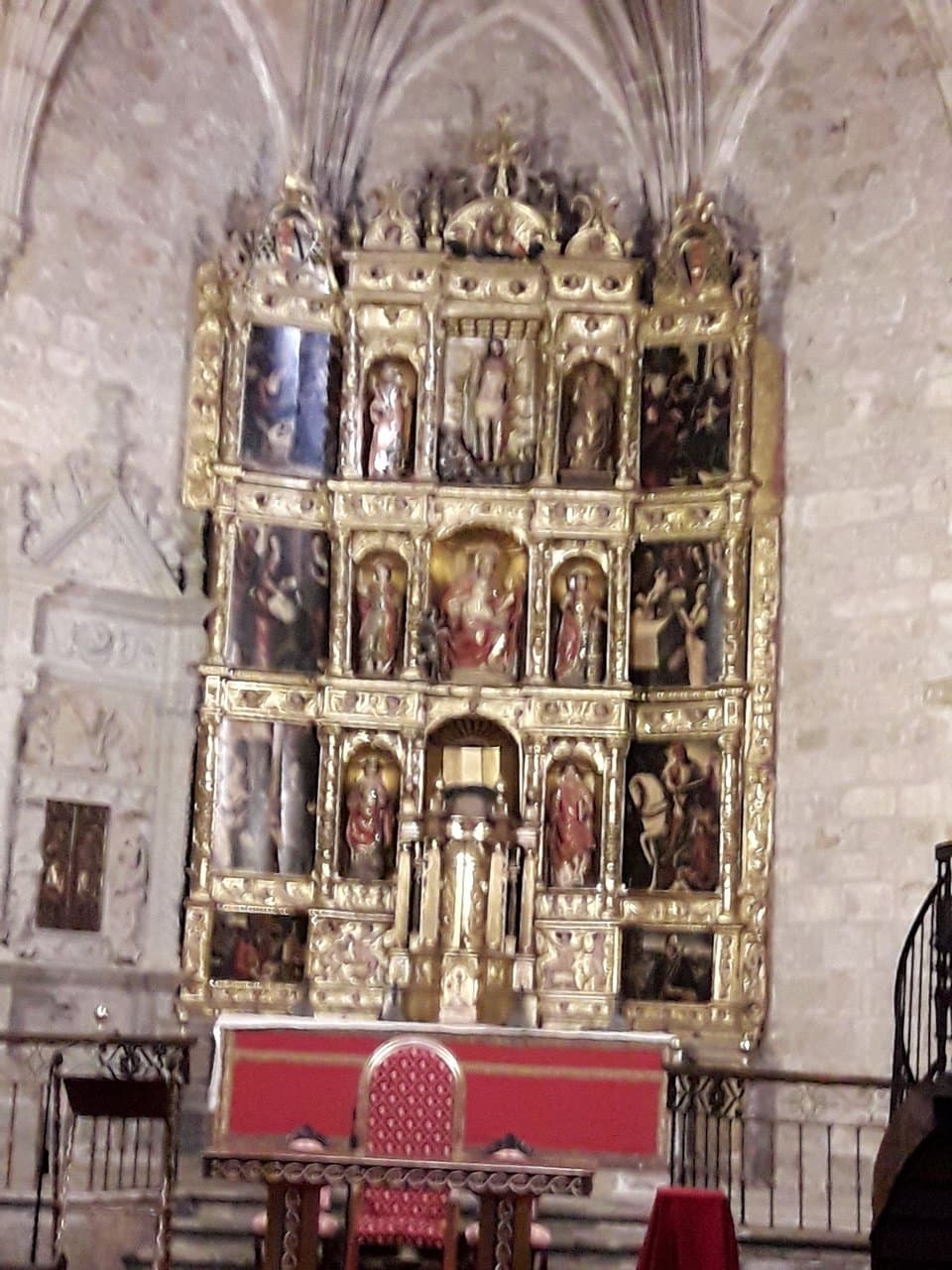
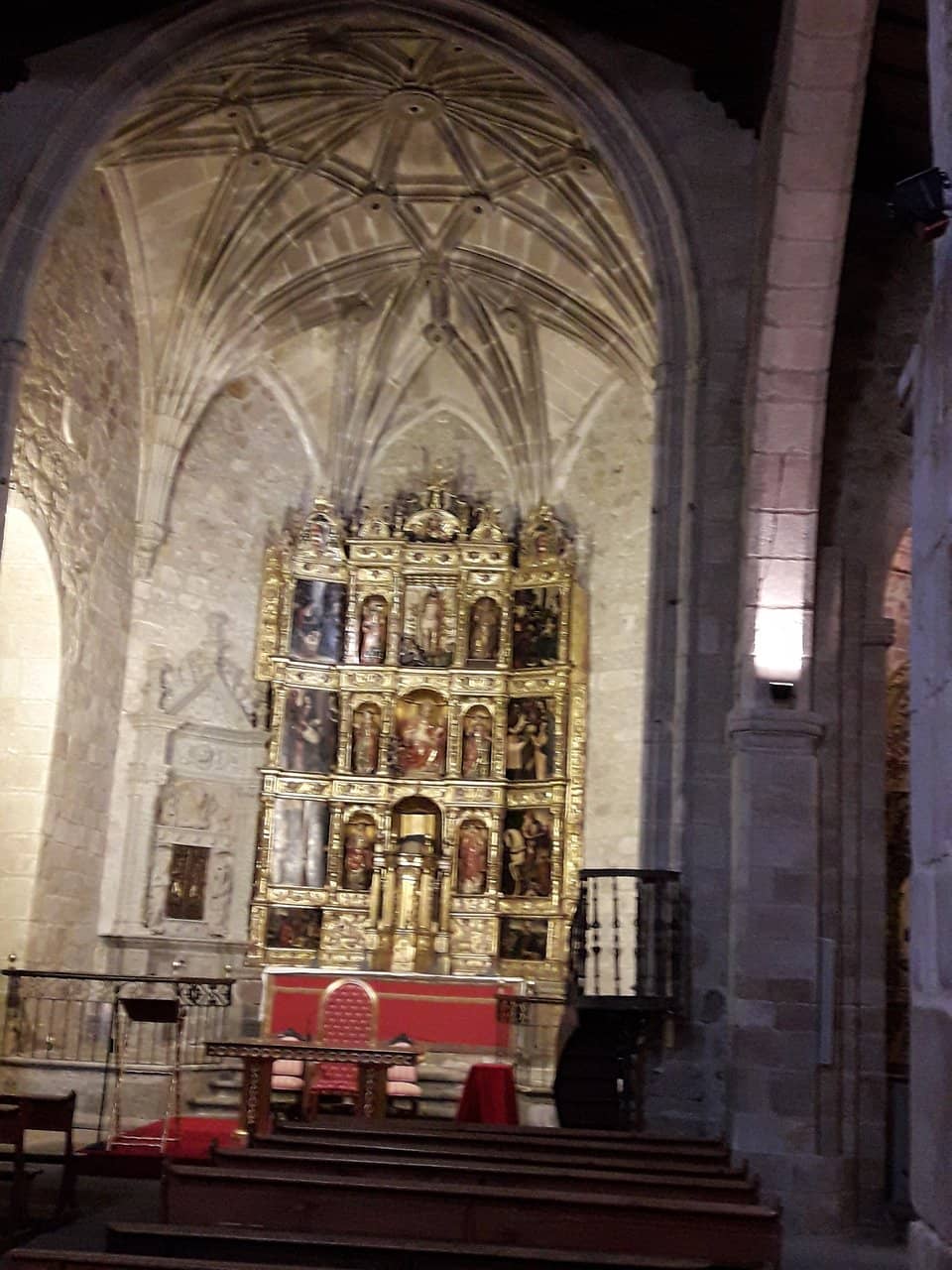
Retablo Mayor
Altar Area
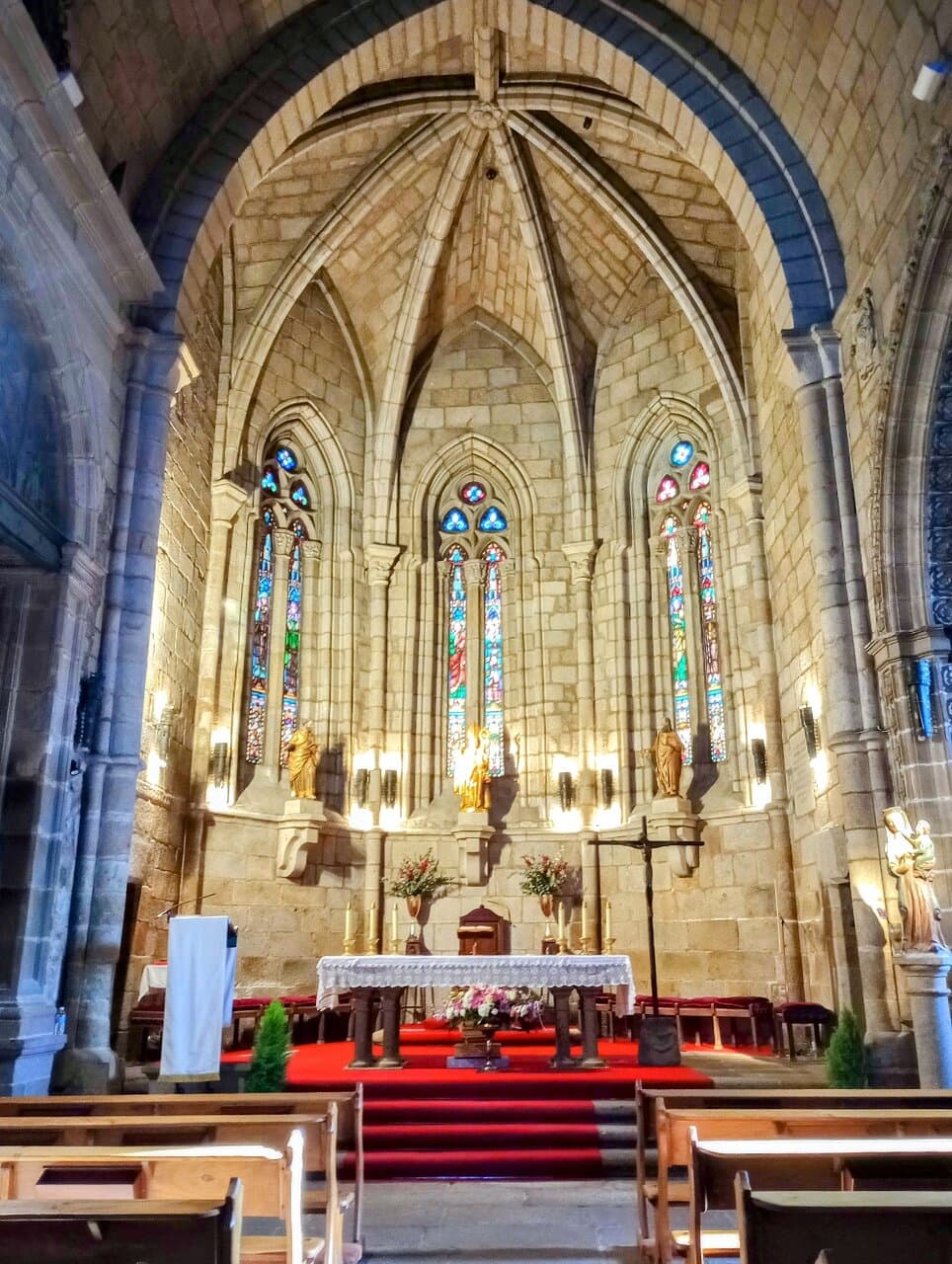
Admire the grandeur of the main altarpiece, a significant piece of religious art, though some panels may show effects of recent damage.
Romanesque Charm (Frómista)
Frómista, Palencia
Experience the purest Romanesque style at the Iglesia de San Martín in Frómista, a testament to ancient architectural prowess.
Plans like a pro.
Thinks like you
Planning Your Visit
Check for Exhibitions & Restoration
Enhance Your Visit with a Tablet Guide
Best Times
Insider Tips
from TikTok, Instagram & Reddit
🎟️ Rent the Tablet Guide
Enhance your understanding with the tablet guide; it's well-done and offers great insights for a small fee.
✨ Check for Exhibitions
The 'Homo Ousios' exhibition is highly recommended and adds significant value to the visit.
♿ Excellent Accessibility
The church offers notable access for people with reduced mobility, a thoughtful detail for all visitors.
🎨 Be Aware of Restoration
Some artworks, like Luis de Morales panels, may show damage from the 2020 fire.
Tips
from all over the internet
🎟️ Rent the Tablet Guide
Enhance your understanding with the tablet guide; it's well-done and offers great insights for a small fee.
✨ Check for Exhibitions
The 'Homo Ousios' exhibition is highly recommended and adds significant value to the visit.
♿ Excellent Accessibility
The church offers notable access for people with reduced mobility, a thoughtful detail for all visitors.
🎨 Be Aware of Restoration
Some artworks, like Luis de Morales panels, may show damage from the 2020 fire.
💰 Affordable Entry
The entrance fee is reasonable, especially considering the quality of the exhibition and the historical significance.
What Travellers Say
Reviews Summary
Visitors praise the Iglesia de San Martín for its monumental architecture and the quality of its exhibitions, particularly the 'Homo Ousios' event. The tablet guide is highly recommended for enhancing the experience, and the church's accessibility is a significant plus. However, some disappointment exists regarding fire damage to certain artworks, and occasional closures for works can be a drawback.
"With the exhibition "Homo Ousios" on the occasion of the 1700th anniversary of the Council of Nicaea, it looks spectacular. It is the first time that I have entered after the fire in 2020, of which unfortunately there are still remains of it in the panels of Luis de Morales "the Divine", leaving the two upper ones of the altarpiece almost lost, leaving the work of the recent "restoration" a little in question... For the rest, the structure and monumentality of the complex continues to enjoy the same value than before the fire. The exhibition is of great quality both for the pieces shown and for the route (very intuitive and very successful museologically). It only costs 5 euros to enter, and I was honestly happy to pay it. It is very worth it. I found the staff to be incredibly friendly and accommodating. Outstanding! The access for people with reduced mobility is very notable, quite a detail on their part. I wouldn't mind repeating it as many times as necessary."
Flix Lez
"Beautiful Romanesque church located in
Plaza San Martín. A shame not
to be able to see its interior why it is
ba closed for works."
Victor López Soriano
"Beautiful but not too big church. For two and a half euros you get a tablet with which you can view the church and get all the information."
Cor Ruizendaal
What People Like
What People Dislike
Frequently Asked Questions
🚇 🗺️ Getting There
Iglesia de San Martín Pinario is located in Santiago de Compostela. It's easily accessible by foot from the city center, being very close to the Cathedral. Public transport options within Santiago are also available, with bus stops nearby.
The Iglesia de San Martín in Frómista, Palencia, is a key stop on the Camino de Santiago. It's located in the town center and accessible by car or public transport to Frómista.
Parking in the historic center of Santiago de Compostela can be challenging. There are paid parking garages near the church, but walking is often the easiest way to reach it.
🎫 🎫 Tickets & Entry
The entrance fee is typically around 5 euros, especially when an exhibition like 'Homo Ousios' is on. This fee is considered very worthwhile by visitors for the experience provided.
Booking in advance is generally not required, but it's advisable to check the official website or contact the venue, especially if visiting during a special exhibition or peak season.
Opening hours can vary, particularly due to ongoing exhibitions or restoration work. It's best to check the official website or local listings for the most current information. Some visitors have noted it being closed for works.
As it is a church, modest dress is recommended. While not strictly enforced for exhibitions, covering shoulders and knees is generally appreciated out of respect.
🎫 🧭 Onsite Experience
The 'Homo Ousios' exhibition commemorates the 1700th anniversary of the Council of Nicaea. It features a high-quality collection of pieces presented in a well-organized and intuitive manner.
Some panels by Luis de Morales ('the Divine') are present, but unfortunately, the upper ones on the altarpiece were significantly affected by the 2020 fire and may be lost or in poor condition.
Yes, the church has made notable efforts to provide excellent access for people with reduced mobility, which is highly appreciated by visitors.
The tablet guide is highly recommended. It provides comprehensive information about the church and its artworks, allowing for a more in-depth and interactive experience.
Iglesia de San Martín Pinario is a large monumental complex in Santiago de Compostela, known for Baroque art and exhibitions. Iglesia de San Martín in Frómista, Palencia, is a prime example of pure Romanesque architecture. +1
📸 📸 Photography
Photography policies can vary, especially during exhibitions. It's best to look for signage or ask staff. Flash photography is usually prohibited to protect artworks.
The main altarpiece, the facade, and any areas with significant Baroque ornamentation are excellent photo opportunities. If an exhibition is on, the display areas themselves can be visually striking.
Drone usage is typically restricted in historic city centers and around religious buildings due to privacy and safety regulations. Always check local drone laws before flying.


Social
from TikTok, Instagram & Reddit