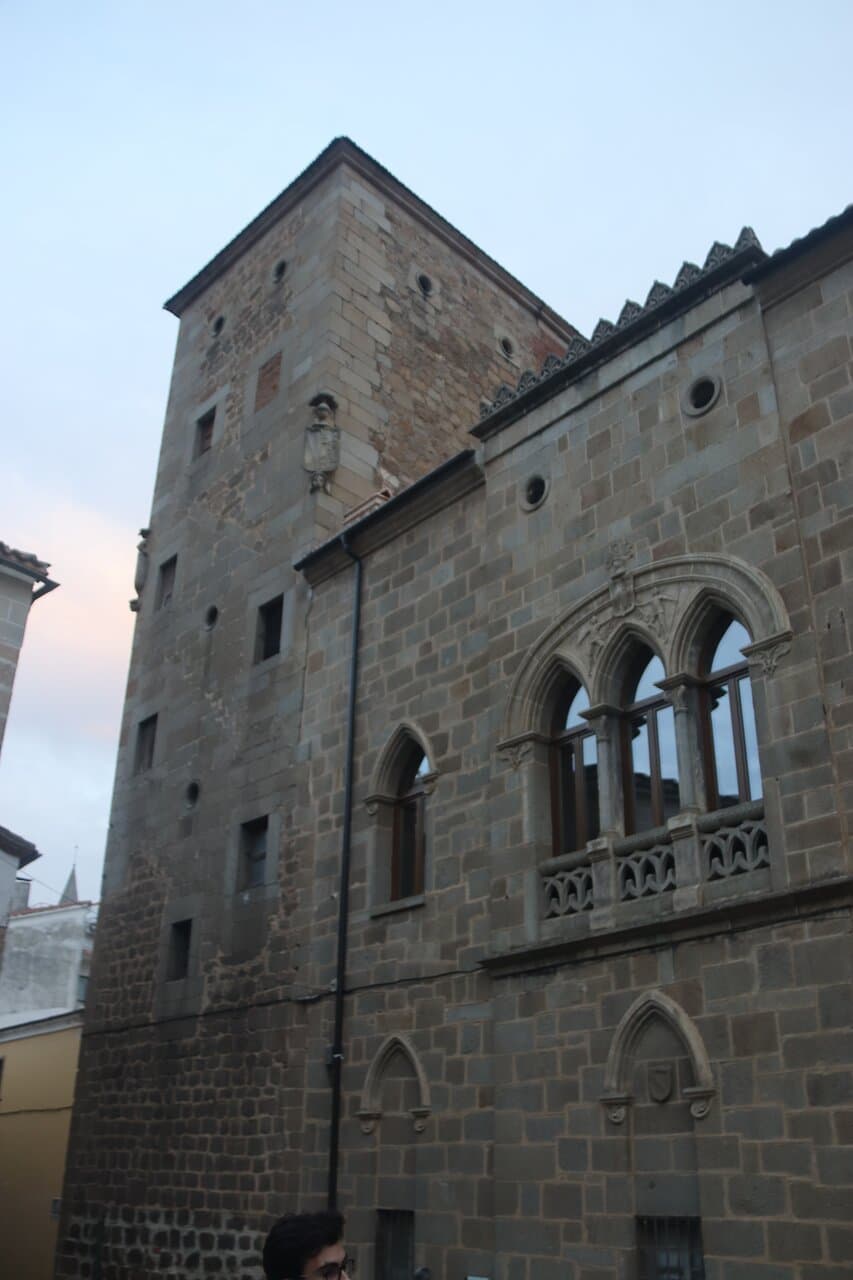
Palacio de Monroy Casa de las Dos Torres
A 14th-century medieval mansion in Plasencia, known for its historic significance, iconic lion reliefs, and blend of architectural styles.
Highlights
Must-see attractions

Social
From TikTok & Reddit
Best Time
Best light for exterior photos
Palacio de Monroy Casa de las Dos Torres
Best Time
Best light for exterior photos
Highlights
Must-see attractions
A 14th-century medieval mansion in Plasencia, known for its historic significance, iconic lion reliefs, and blend of architectural styles.
"A medieval mansion steeped in history, offering a glimpse into Plasencia's noble past."
Admire from the outside
As it's privately owned and undergoing restoration, enjoy the impressive facade and towers from the surrounding plazas. :camerawithflash:
Look for the lions
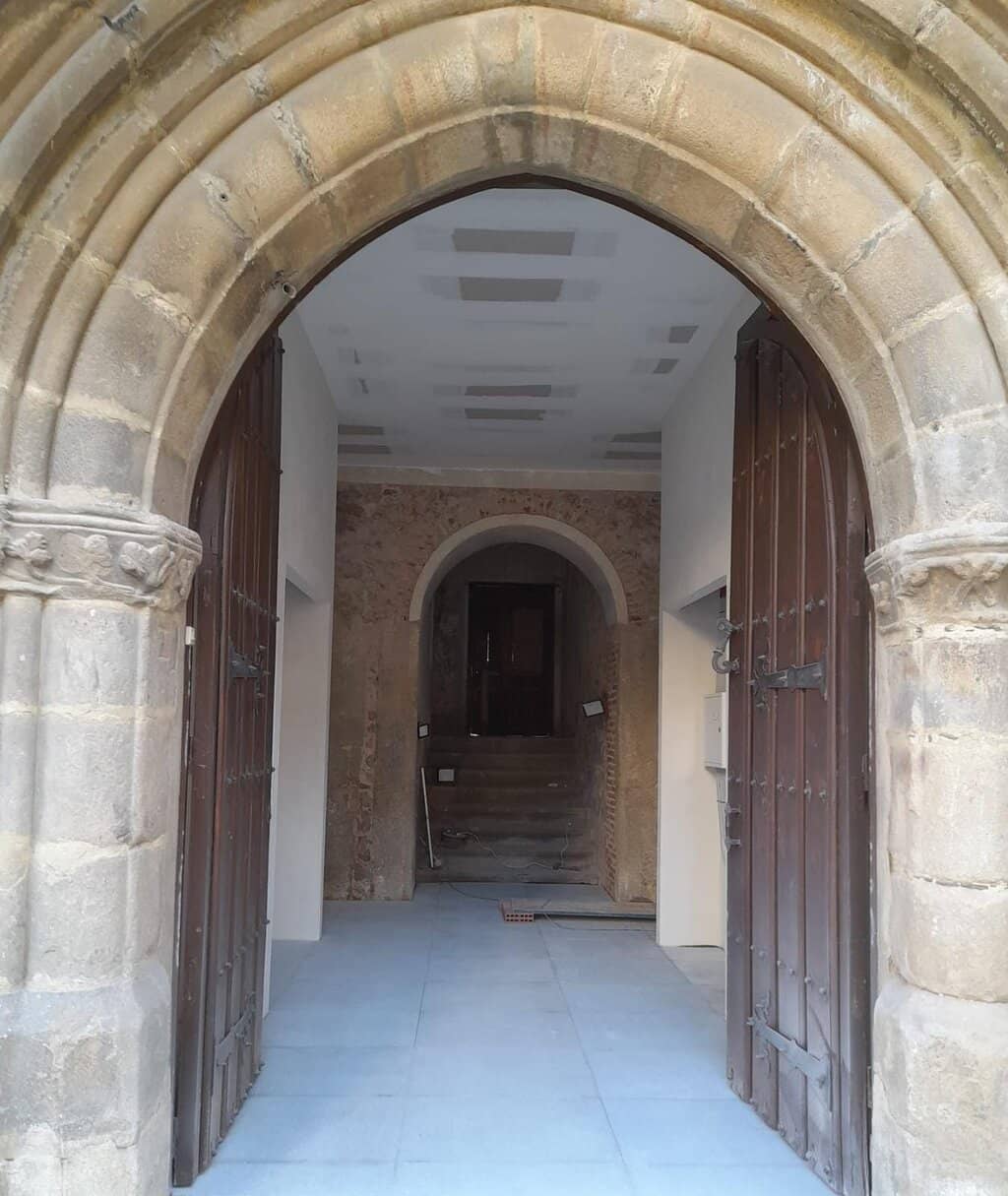
The original Gothic doorway features two lions, a symbol of the house's historical independence. :statueofliberty:
Quick Facts
Rating
4.2 · 9 reviews
Type
Historical Landmark
Highlights
Discover the most iconic attractions and experiences
The Gothic Doorway
Main Facade
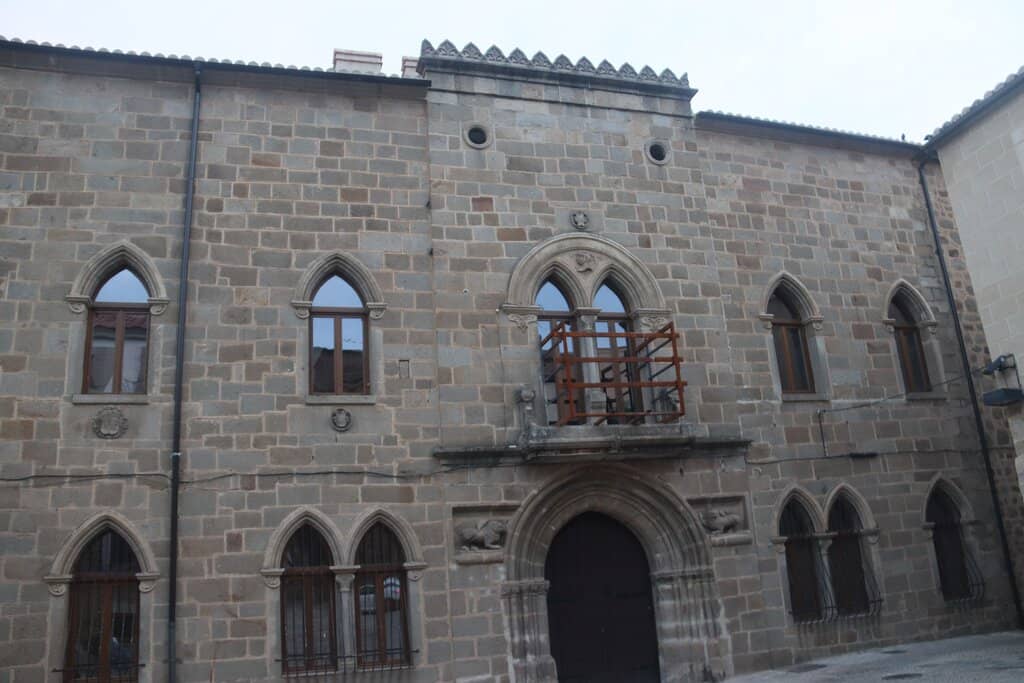
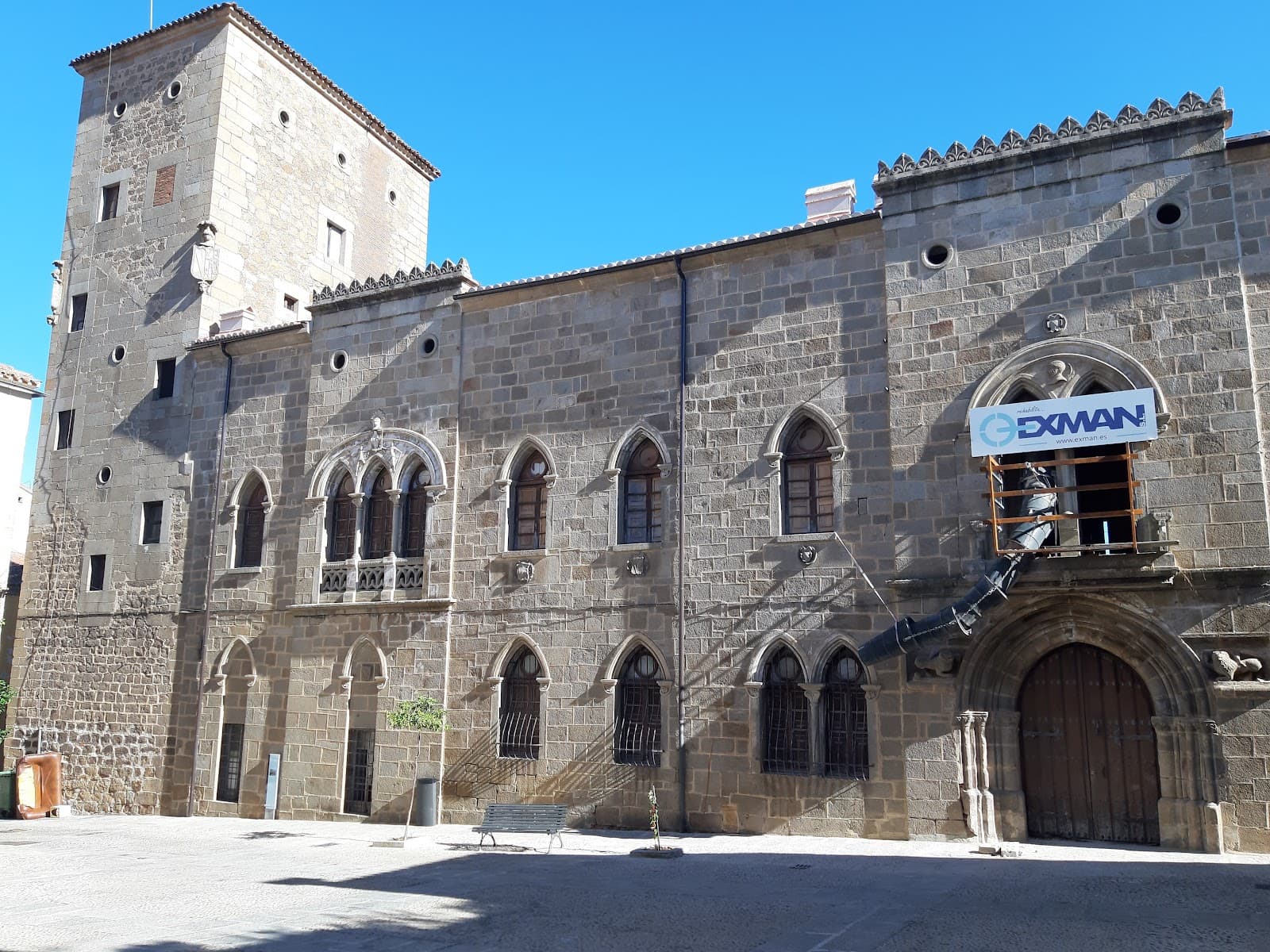
Admire the original 13th-century Gothic doorway adorned with high reliefs of two proud lions, symbolizing the house's historical autonomy.
The Carvajal Tower
Exterior
The oldest surviving part of the palace, this 13th-century tower proudly displays the Carvajal family coat of arms.

Neo-Gothic Facade
Main Facade
A 19th-century addition, this facade features large openings in the Neo-Gothic/Renaissance style, contrasting with the older elements.
Plans like a pro.
Thinks like you
Planning Your Visit
A Glimpse into History
Private Ownership & Access
Best Times
Insider Tips
from TikTok, Instagram & Reddit
Admire from the outside
As it's privately owned and undergoing restoration, enjoy the impressive facade and towers from the surrounding plazas. :camerawithflash:
Look for the lions
The original Gothic doorway features two lions, a symbol of the house's historical independence. :statueofliberty:
Check for events
Occasionally, the palace may open for special events or guided tours during restoration phases. Keep an eye out for announcements. 📅
Tips
from all over the internet
Admire from the outside
As it's privately owned and undergoing restoration, enjoy the impressive facade and towers from the surrounding plazas. :camerawithflash:
Look for the lions
The original Gothic doorway features two lions, a symbol of the house's historical independence. :statueofliberty:
Check for events
Occasionally, the palace may open for special events or guided tours during restoration phases. Keep an eye out for announcements. 📅
What Travellers Say
Reviews Summary
Visitors are drawn to Palacio de Monroy for its significant historical connections and striking medieval architecture, particularly the iconic lion reliefs on the Gothic doorway. While interior access is limited due to its private ownership and ongoing restoration, the exterior remains a compelling sight that evokes Plasencia's rich past.
"Monroy Palace or House of the Two Towers (14th century), located on Plaza de San Nicolás and Calle Blanca, 4, in Plasencia (Extremadura). This is the birthplace of Doña María Rodríguez de Monroy 'the Brave', leader of the Salamanca War of the Banderías (1465-1476) between the Manzano and Enríquez families. In the 15th century, it was sold by the Monroy family to the Carvajal family. The oldest part is the 13th-century tower, which bears the Carvajal coat of arms. The other tower was demolished in the 19th century, having been severely damaged in the 1755 earthquake. The neo-Gothic façade (19th century) has an original Gothic doorway (13th century) with high reliefs of two lions. Privately owned."
Ladelamanofurada
"The Monroy Palace, known in the city as the "House of the Two Towers," dates back to the 14th century and is one of the oldest stately buildings in the city.
Its rooms hosted figures such as María de Monroy the Brave, King Ferdinand the Catholic, Saint Peter of Alcántara, and the former Cardinal Bernardino de Carvajal.
It is currently uninhabited and is subject to conflicts between its numerous owners, although work is underway to consolidate it and repurpose it. The façade is noteworthy, having been modified in the 19th century with large openings in the Neo-Gothic/Renaissance style. The lions on its doors, which symbolize that the house was subject to no jurisdiction other than its own, are original."
M Vargas
"A medieval mansion steeped in history.
It welcomed Ferdinand "the Catholic" in his retirement home in Plasencia."
David Tierno Alonso
What People Like
What People Dislike
Frequently Asked Questions
🚇 🗺️ Getting There
Palacio de Monroy is centrally located in Plasencia, situated on Plaza de San Nicolás and Calle Blanca. It's easily accessible on foot within the historic center. If arriving by car, look for public parking areas nearby.
Plasencia's historic center is well-served by local buses. You can take a bus to a stop near Plaza Mayor and then enjoy a short walk to the palace.
🎫 🎫 Tickets & Entry
Palacio de Monroy is privately owned and currently undergoing restoration. Interior visits are not regularly available, but keep an eye out for potential special openings or events.
As it's privately owned and not a public museum, there are no set opening hours for interior visits. The exterior can be viewed at any time.
No tickets are required to view the exterior of Palacio de Monroy. You can admire its architecture from the surrounding streets and plazas.
📸 📸 Photography
The main facade on Calle Blanca offers the most iconic views, especially the Gothic doorway with its lion reliefs. The surrounding plazas also provide good vantage points for capturing the towers.
Yes, photography of the exterior of Palacio de Monroy is generally allowed. Be mindful of any private residences or ongoing restoration work.
🎫 🏛️ History & Architecture
Dating back to the 14th century, this medieval mansion was the birthplace of Doña María Rodríguez de Monroy. It has hosted historical figures like King Ferdinand the Catholic and Cardinal Bernardino de Carvajal.
The palace was historically known as the 'House of the Two Towers.' While one 13th-century tower remains, the second was demolished in the 19th century after damage from an earthquake.
The palace showcases a mix of styles, including its original medieval elements, a 13th-century Gothic doorway, and a 19th-century neo-Gothic/Renaissance facade.



Social
from TikTok, Instagram & Reddit