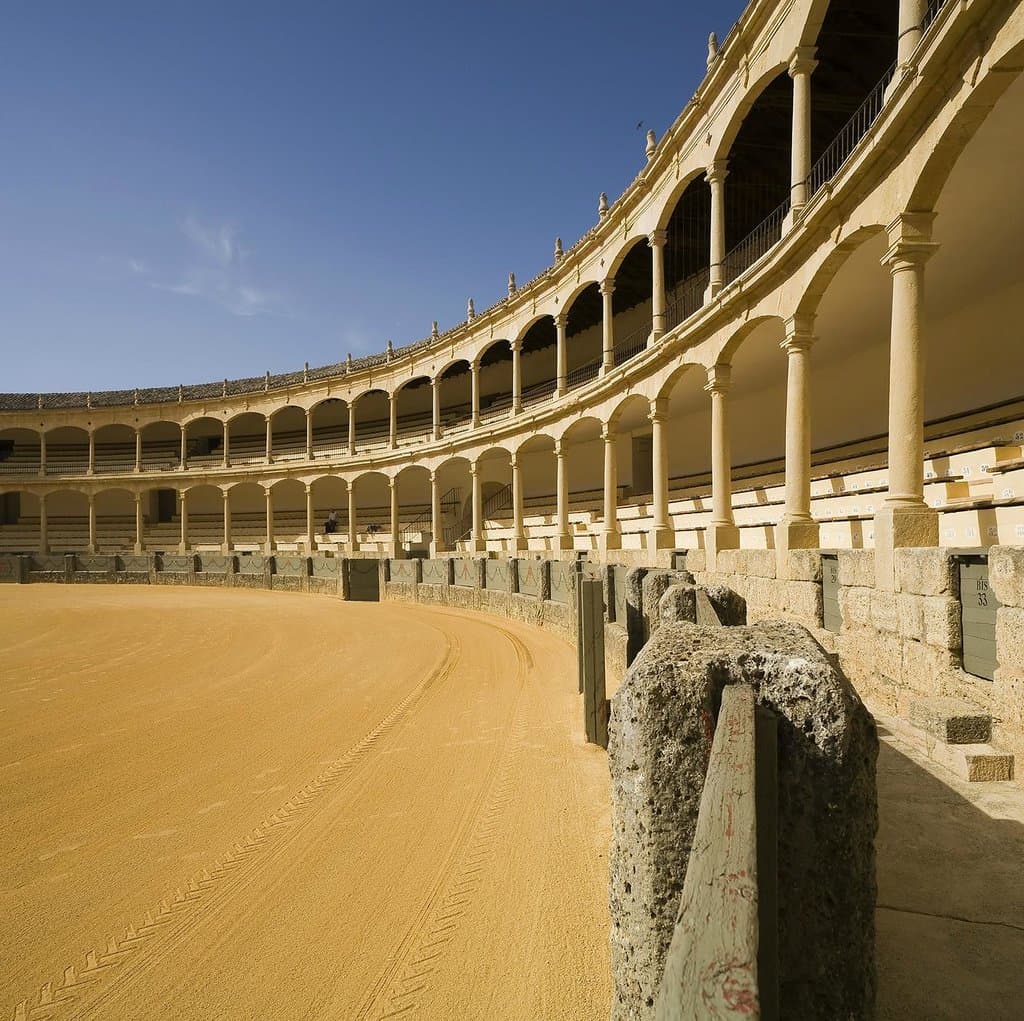
Plaza de Toros de Ronda
Step into Spain's oldest bullring, a marvel of 18th-century architecture and a cradle of bullfighting history.

Highlights
Must-see attractions

Social
From TikTok & Reddit
Best Time
Fewer crowds, more peaceful
Plaza de Toros de Ronda
Best Time
Fewer crowds, more peaceful
Highlights
Must-see attractions
Step into Spain's oldest bullring, a marvel of 18th-century architecture and a cradle of bullfighting history.
"Worth seeing for its history and architecture, even if you're not a fan of bullfighting."
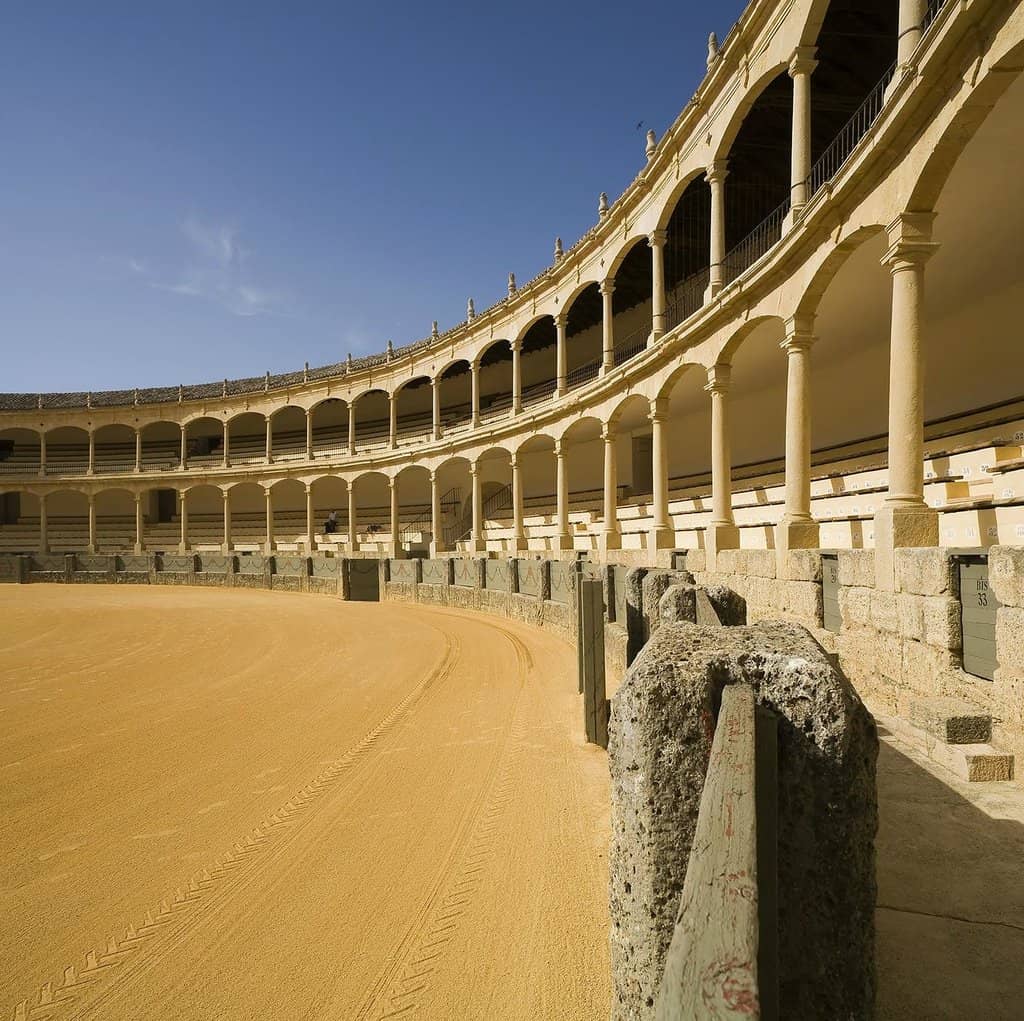
Don't Skip the Museum
The museum offers a deep dive into bullfighting history and artistry. :museum_insight:
Experience the Acoustics
Test the unique sound of the arena by clapping or speaking. :musical_note:
Quick Facts
Hours
Rating
4.4 · 2,492 reviews
Highlights
Discover the most iconic attractions and experiences
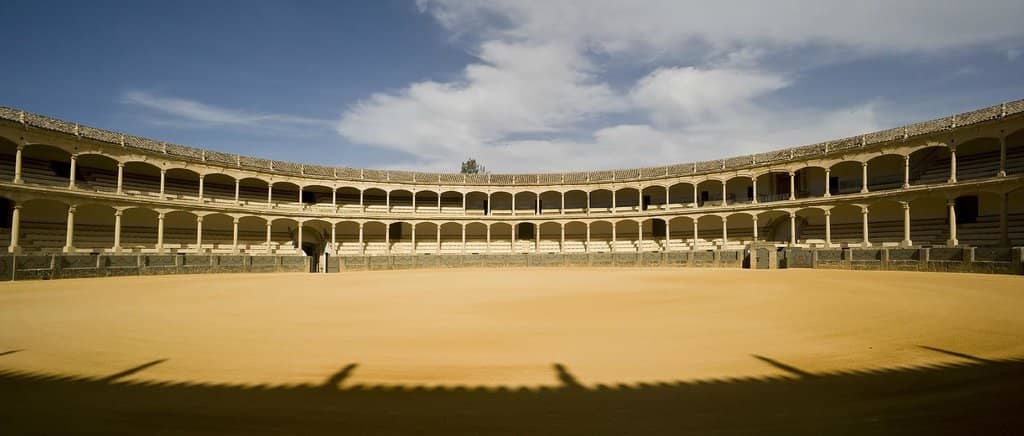
The Arena Floor
Center of the Plaza de Toros
Stand where matadors once faced bulls. The acoustics are surprisingly impressive!

Museum Collections
Adjacent to the arena
Explore antique bullfighter costumes, saddles, and weapons. A rich display of history.
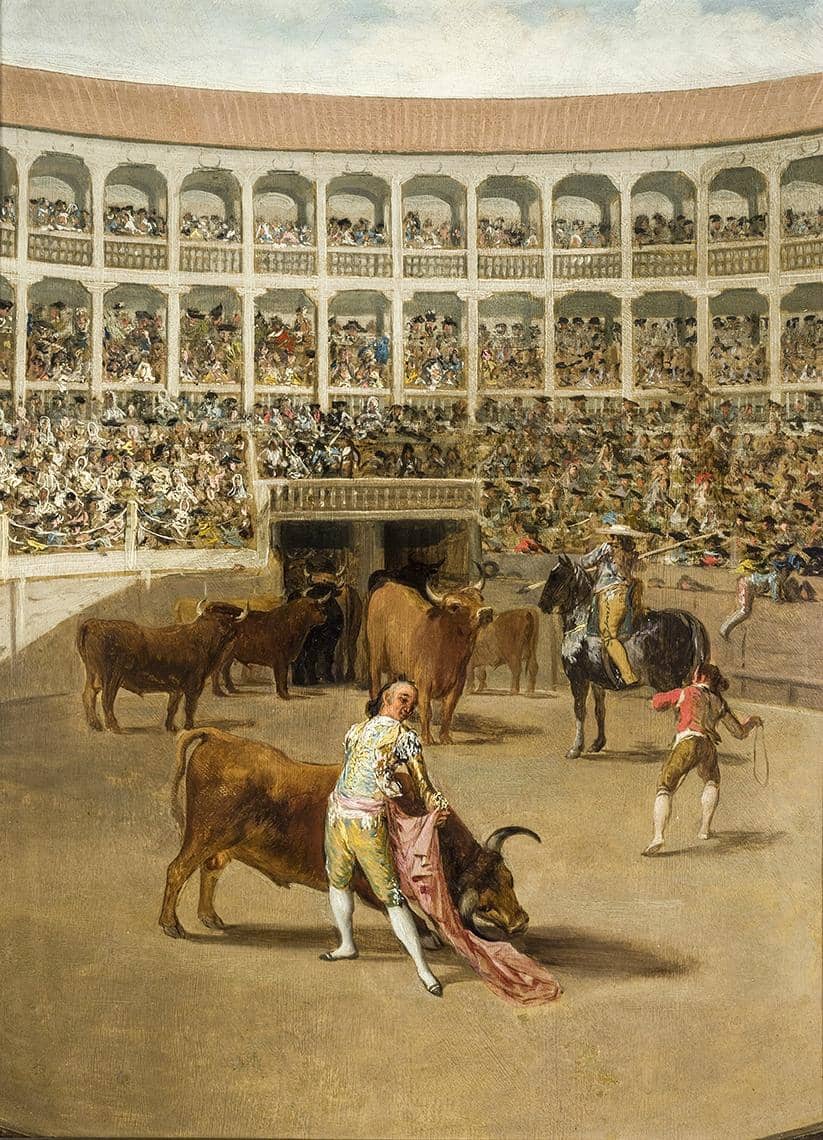
Architectural Grandeur
The entire bullring structure
Admire the oldest bullring in Spain, with its unique 66-meter diameter and 136 pillars.
Plans like a pro.
Thinks like you
Planning Your Visit
Timing Your Visit
Understanding the Experience
Best Times
Insider Tips
from TikTok, Instagram & Reddit
Don't Skip the Museum
The museum offers a deep dive into bullfighting history and artistry. :museum_insight:
Experience the Acoustics
Test the unique sound of the arena by clapping or speaking. :musical_note:
Visit the Old Town
The bullring is in the heart of Ronda's charming old town. :cityscape:
Consider the History
It's more than a bullring; it was an army base during the Civil War. :military_helmet:
Tips
from all over the internet
Don't Skip the Museum
The museum offers a deep dive into bullfighting history and artistry. :museum_insight:
Experience the Acoustics
Test the unique sound of the arena by clapping or speaking. :musical_note:
Visit the Old Town
The bullring is in the heart of Ronda's charming old town. :cityscape:
Consider the History
It's more than a bullring; it was an army base during the Civil War. :military_helmet:
What Travellers Say
Reviews Summary
Visitors consistently praise the Plaza de Toros de Ronda for its impressive architecture, rich history, and the fascinating museum collections. Even those not keen on bullfighting find the experience worthwhile for its cultural significance and unique atmosphere. Some acknowledge the controversial nature of bullfighting but appreciate its historical context.
"Amazing bull fighting arena. Loved it. People might say it was cruel, but probably not crueler than hundreds of thousands of bovine being cut up for food every day. It’s all in perspective, entertaining the masses. Must visit place to go."
Sean Rasmussen
"Visiting the Bullring of the Royal Cavalry of Ronda was one of the highlights of our trip. Even if you’re not a fan of bullfighting, the place is worth seeing for its history and architecture. Standing in the middle of the arena feels surreal, and the museum collections with costumes, saddles and antique weapons are really impressive. Easy to visit, and right in the heart of Ronda’s old town, definitely a stop we recommend. Greetings from Romania 🇷🇴🐾"
Online Cats Advertising
"The Plaza de Toros heritage site of the RMR is one of the most visited cultural complexes in Andalusia with more than nine million visitors in the last ten years.
Excellent architecture and location.
The Plaza de Toros de Ronda is a bullring in Ronda, it has a diameter of 66 metres (217 ft), surrounded by a passage formed by two rings of stone. There are two layers of seating, each with five raised rows and 136 pillars that make up 68 arches. The Royal Box has a sloping roof covered in Arabic tiles. The design of the main entrance to the bull ring features two Tuscan columns and the royal shield of Spain surround by baroque edging. The main door is large enough to allow horses and carriages to enter the ring, and above the door is an iron wrought balcony that embodies the bullfighting culture."
Barry Garnham
What People Like
What People Dislike
Frequently Asked Questions
🚇 🗺️ Getting There
The Plaza de Toros is located in the heart of Ronda's old town, making it easily accessible on foot if you're already exploring the city. If arriving by car, there are parking options nearby, though they can fill up quickly during peak season. Many visitors combine a trip to Ronda with other Andalusian cities, often arriving by bus or car from Malaga or Seville.
Yes, there are several parking lots and street parking options in Ronda. However, the old town can be narrow and busy, so it's advisable to arrive early or consider parking a short walk away.
Absolutely! Ronda is a popular day trip destination from cities like Malaga and Seville. The Plaza de Toros is a central attraction that can be easily visited within a few hours.
🎫 🎫 Tickets & Entry
Opening hours can vary seasonally, so it's best to check the official website or inquire locally before your visit. Generally, it's open daily, with shorter hours in winter.
Admission fees apply for entry to the bullring and its museum. Prices are reasonable and offer good value for the historical and cultural experience. Check the official website for current ticket prices.
While you can often purchase tickets at the entrance, buying in advance online might be an option, especially during busy periods, to save time.
Yes, the Plaza de Toros de Ronda is still used for bullfights, typically once a year during the Goyesca festival. However, it's primarily a historical site and museum for most of the year.
Guided tours may be available, offering deeper insights into the history and significance of the bullring. Inquire at the ticket office upon arrival.
📸 📸 Photography
The arena floor offers a unique perspective, as do the upper tiers looking down. The museum exhibits, especially the costumes, also make for great photos. The exterior architecture is also very photogenic. 
Yes, photography is generally allowed inside the Plaza de Toros and its museum. However, always be mindful of other visitors and avoid using flash in areas where it might be prohibited.
Late afternoon often provides beautiful golden hour light, enhancing the textures and colors of the architecture. Early mornings can also offer softer light and fewer people.
🎫 🏛️ History & Culture
Built in 1785, it's one of the oldest bullrings in Spain and is considered a cradle of modern bullfighting, associated with legendary matador Pedro Romero. It also served as an army base during the Spanish Civil War.
The museum houses impressive collections of antique bullfighter costumes, ornate saddles, antique weapons, and historical documents related to bullfighting and the Royal Cavalry of Ronda. +1
It features a unique 66-meter diameter, two tiers of seating supported by 136 pillars forming 68 arches, and a Royal Box with Arabic tiles. The main entrance is large enough for horses and carriages.






Social
from TikTok, Instagram & Reddit