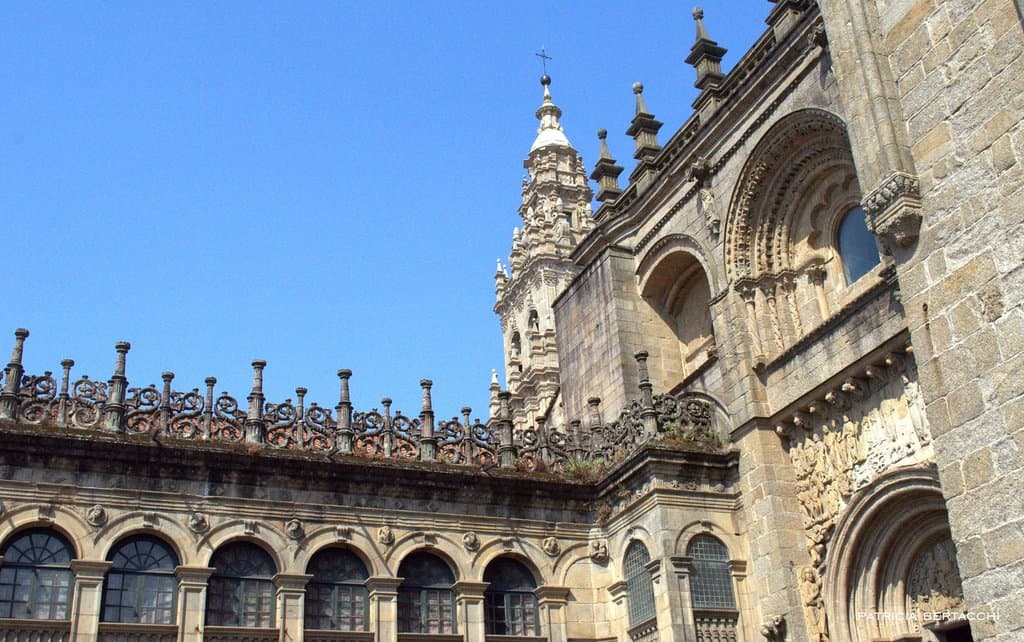
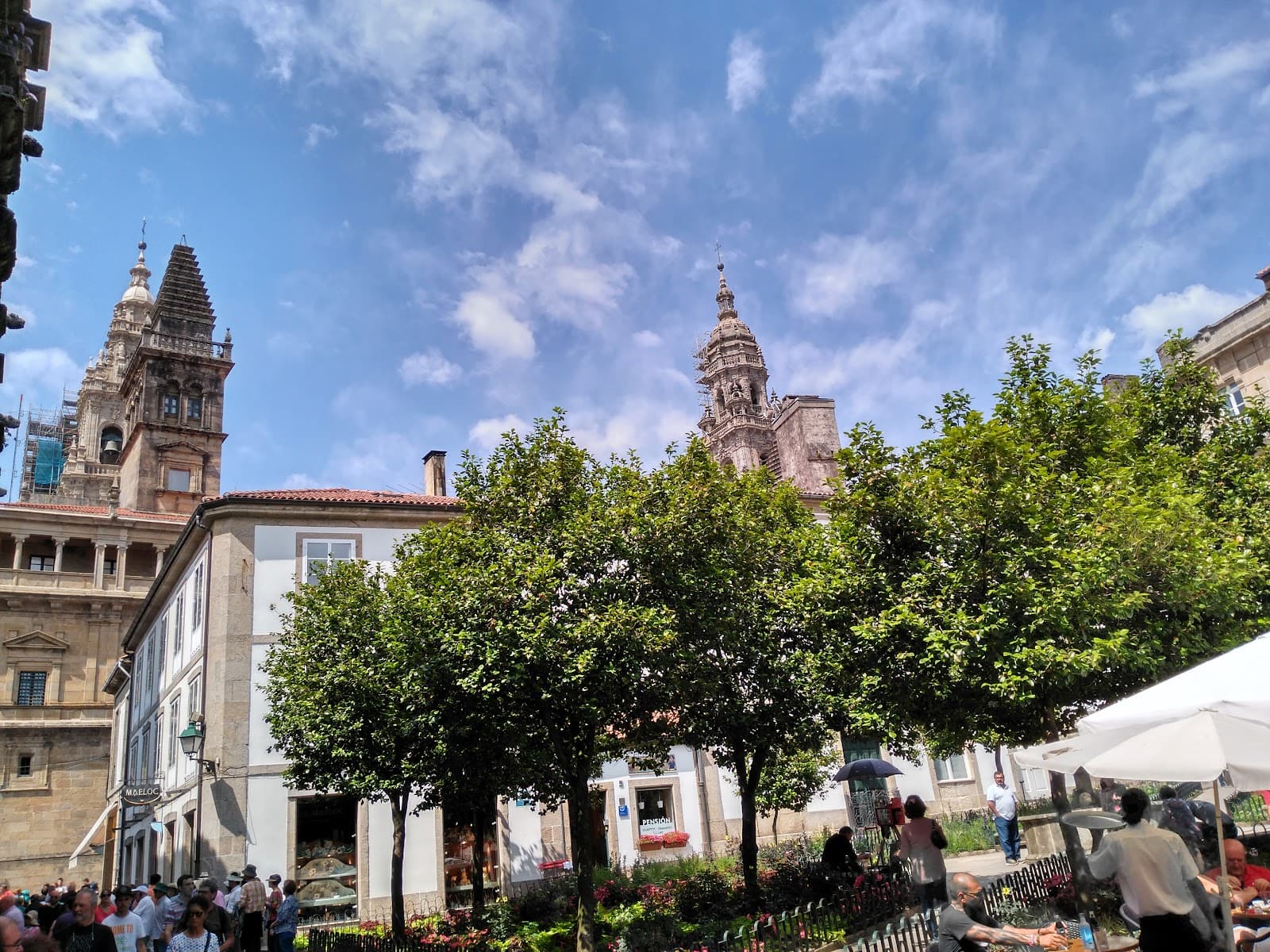
Praza das Praterías Santiago de Compostela
A city steeped in history and spirituality, Santiago de Compostela is the iconic endpoint of the Camino de Santiago, boasting a magnificent cathedral ...
Highlights
Must-see attractions

Social
From TikTok & Reddit
Best Time
Fewer crowds at the Cathedral
Praza das Praterías Santiago de Compostela
Best Time
Fewer crowds at the Cathedral
Highlights
Must-see attractions
A city steeped in history and spirituality, Santiago de Compostela is the iconic endpoint of the Camino de Santiago, boasting a magnificent cathedral and a charming medieval old town.
"The city has vibes that are indescribable, a place where history, spirituality, and vibrant life converge."
🎯 Try Tarta de Santiago
Don't leave without tasting this traditional almond cake! 🎂
🚶♀️ Explore the Old Town
Get lost in the medieval streets; it's like traveling back in time. 🚶
Quick Facts
Hours
Rating
4.8 · 595 reviews
Type
Historical Landmark
Highlights
Discover the most iconic attractions and experiences
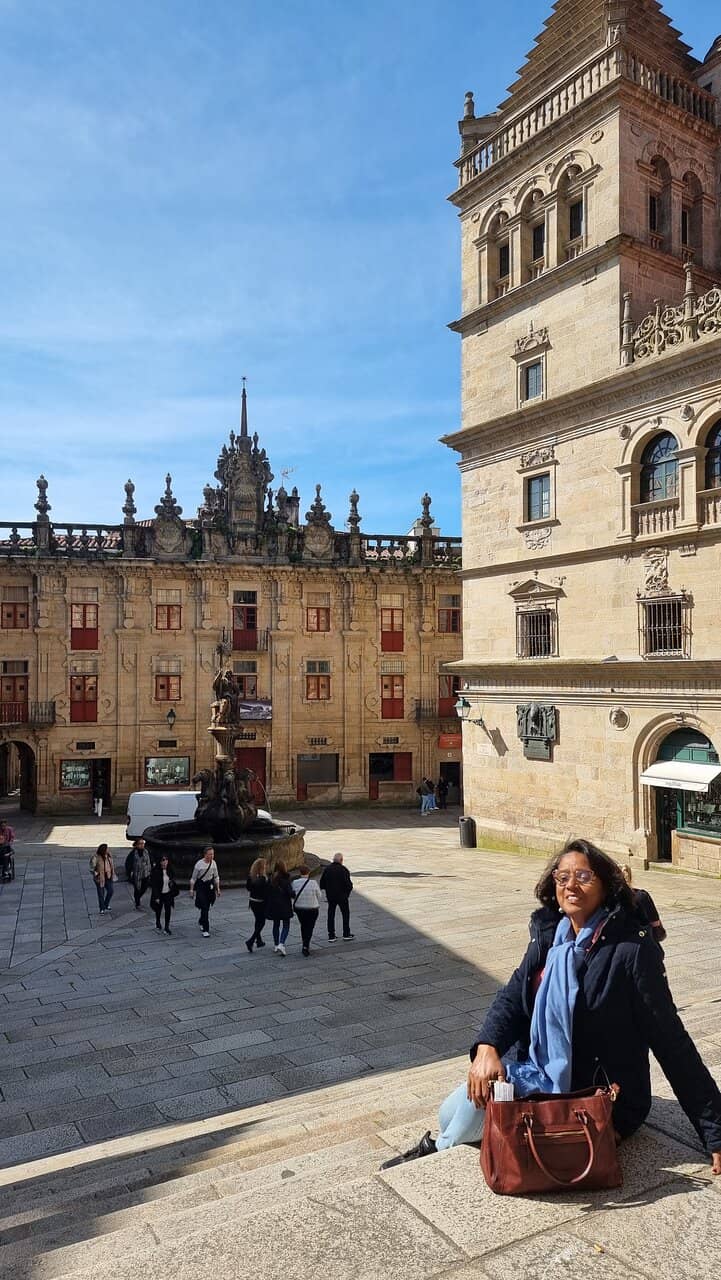
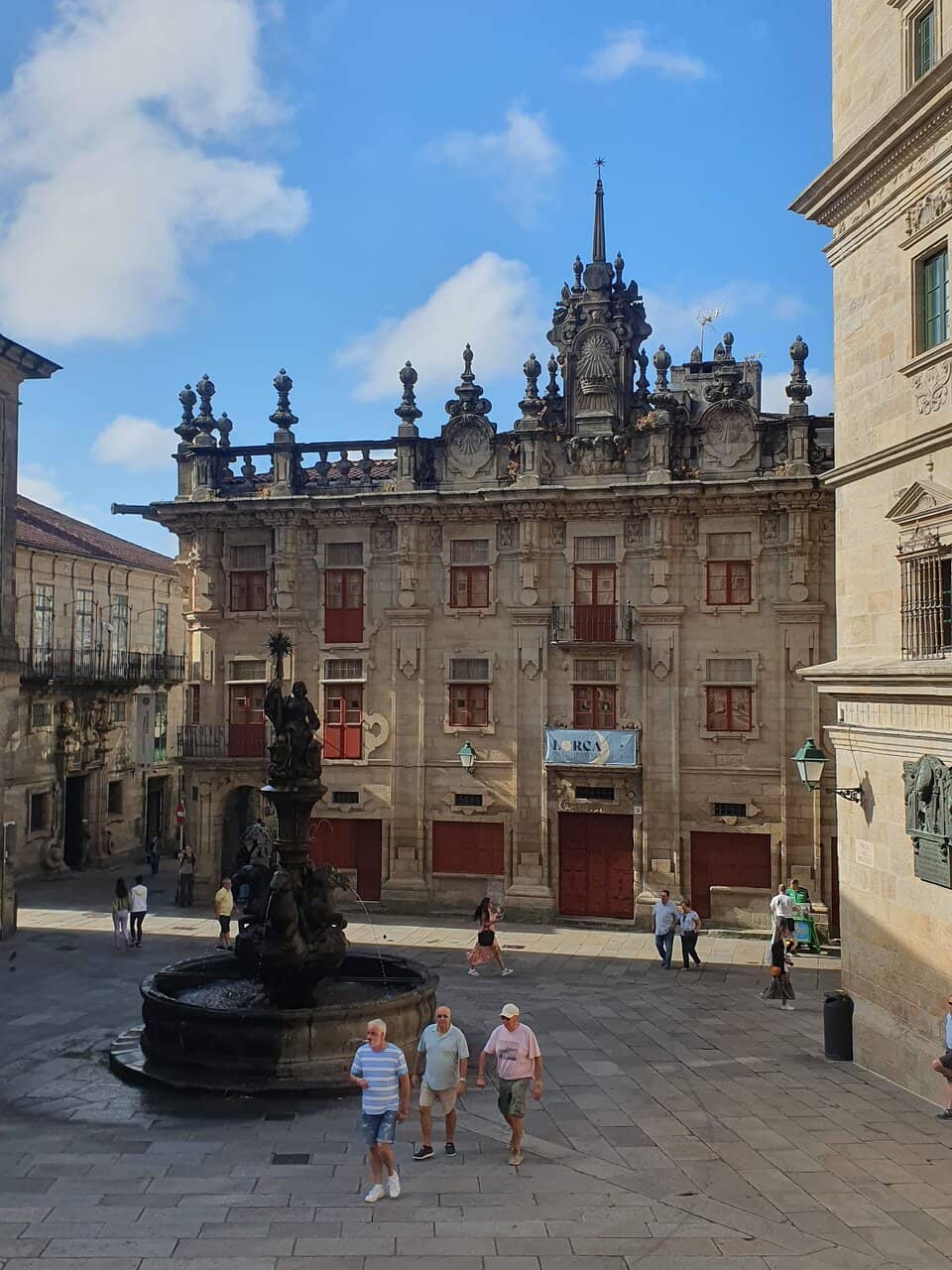
Praza das Praterías
Adjacent to the Cathedral
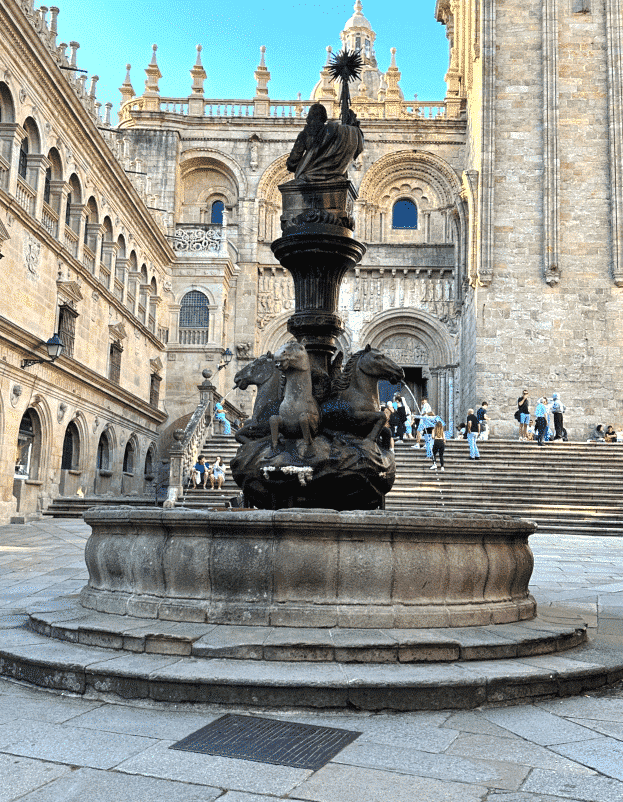
A historic square with stunning architecture and the often-missed fountain. Perfect for soaking in the atmosphere.
Cathedral of Santiago de Compostela
Praza do Obradoiro
The iconic pilgrimage endpoint, a masterpiece of Romanesque and Baroque architecture. Don't miss the Botafumeiro ceremony.
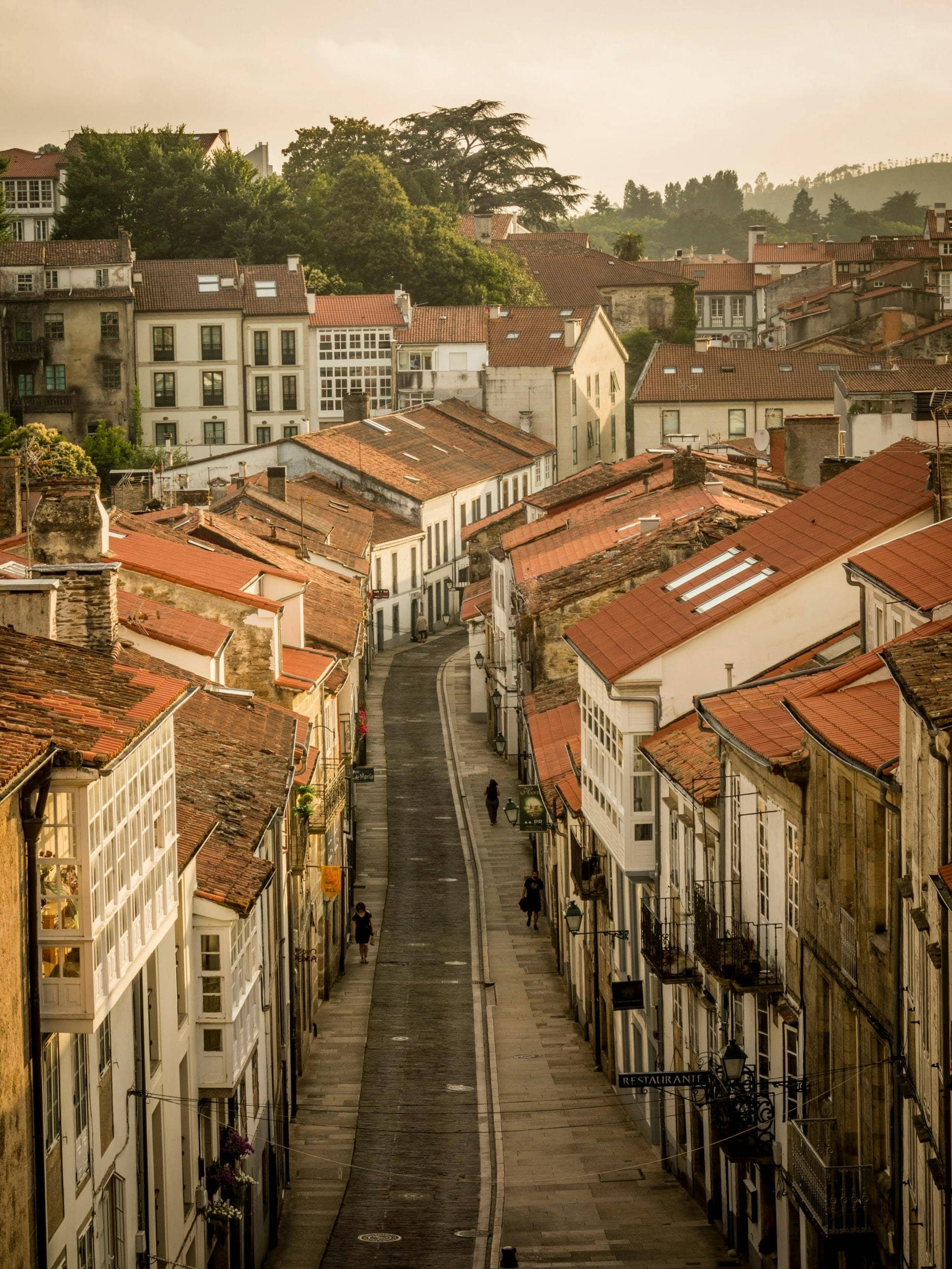
Old Town Streets
Throughout Santiago de Compostela
Wander through medieval streets, stone buildings, and charming alleys that transport you back in time.
Plans like a pro.
Thinks like you
Planning Your Visit
Embrace the Pilgrim Spirit
Navigating the Cathedral
Best Times
Insider Tips
from TikTok, Instagram & Reddit
🎯 Try Tarta de Santiago
Don't leave without tasting this traditional almond cake! 🎂
🚶♀️ Explore the Old Town
Get lost in the medieval streets; it's like traveling back in time. 🚶
🎟️ Cathedral Entry Tips
Arrive early for free entry, even with a small backpack. Be polite to security. 🎟️
🎶 Enjoy Street Performances
The city comes alive with music and dancing, especially in the evenings. :musical_note:
Tips
from all over the internet
🎯 Try Tarta de Santiago
Don't leave without tasting this traditional almond cake! 🎂
🚶♀️ Explore the Old Town
Get lost in the medieval streets; it's like traveling back in time. 🚶
🎟️ Cathedral Entry Tips
Arrive early for free entry, even with a small backpack. Be polite to security. 🎟️
🎶 Enjoy Street Performances
The city comes alive with music and dancing, especially in the evenings. :musical_note:
🎒 Camino Luggage Service
Consider an agency to transport your luggage if you're walking the Camino. 🧳
What Travellers Say
Reviews Summary
Visitors consistently praise Santiago de Compostela for its profound spiritual atmosphere, stunning historic architecture, and the vibrant energy of its old town. Many are moved by the culmination of the Camino de Santiago, finding the city deeply resonant. Some note that the Cathedral can get crowded, and while generally welcoming, navigating backpack policies requires attention.
"Beautiful place. You can see a lot of historic buildings here. Often missed is this fountain right here."
hunter
"Interesting place to visit"
Bruno Belanger
"Showed up to queue for the free entry into the main part at midday with about 100 people ahead of me, still only took 10 mins in the queue. No backpacks allowed, but I chanced it with my 20litre one post Camino, and let in with it (be very polite to the security guard 😉)"
Marie Casey
What People Like
What People Dislike
Frequently Asked Questions
🚇 🗺️ Getting There
Santiago de Compostela is the end point for many Camino de Santiago routes, with pilgrims arriving on foot. For general travel, you can fly into Santiago de Compostela Airport (SCQ), which has connections to major Spanish cities. The city also has a train station with routes connecting to Madrid and other parts of Spain. Buses are another common option for reaching the city. +1
The historic center of Santiago de Compostela is very walkable and best explored on foot. Public buses serve the wider city, and taxis are readily available. If you're walking the Camino, you'll be accustomed to navigating by foot.
Many choose to start the Camino Francés from Sarria, which is the last 100km and qualifies for the Compostela. Other popular starting points include O Cebreiro or Tui for the Camino Portugués. +2
Absolutely! Many people complete the Camino de Santiago solo, finding it a rewarding and transformative experience. The routes are well-marked, and you'll meet many fellow pilgrims along the way. +1
Costs vary greatly depending on your accommodation choices (albergues vs. hotels), how often you eat out, and whether you use luggage transport services. Budget around €50-€100 per day. +1
🎫 🎫 Tickets & Entry
Entry to the main part of the Cathedral is free, but there can be queues, especially around midday. Special access areas or tours may have a fee.
The Cathedral typically opens early in the morning and closes in the evening. It's best to check the official website for the most up-to-date hours, as they can vary seasonally.
Generally, large backpacks are not allowed inside the Cathedral. However, some visitors have reported success bringing smaller backpacks (around 20 liters) if they are polite to the security guards.
The Compostela is a certificate of completion awarded to pilgrims who have walked at least the last 100 kilometers (or 200 km by bicycle) to Santiago de Compostela. You'll need to collect stamps on your 'credencial' (pilgrim's passport) along the way. +1
The Compostela is issued by the Pilgrim's Office in Santiago de Compostela. You'll need to present your credencial with sufficient stamps to prove you've completed the required distance.
🎫 🧭 Onsite Experience
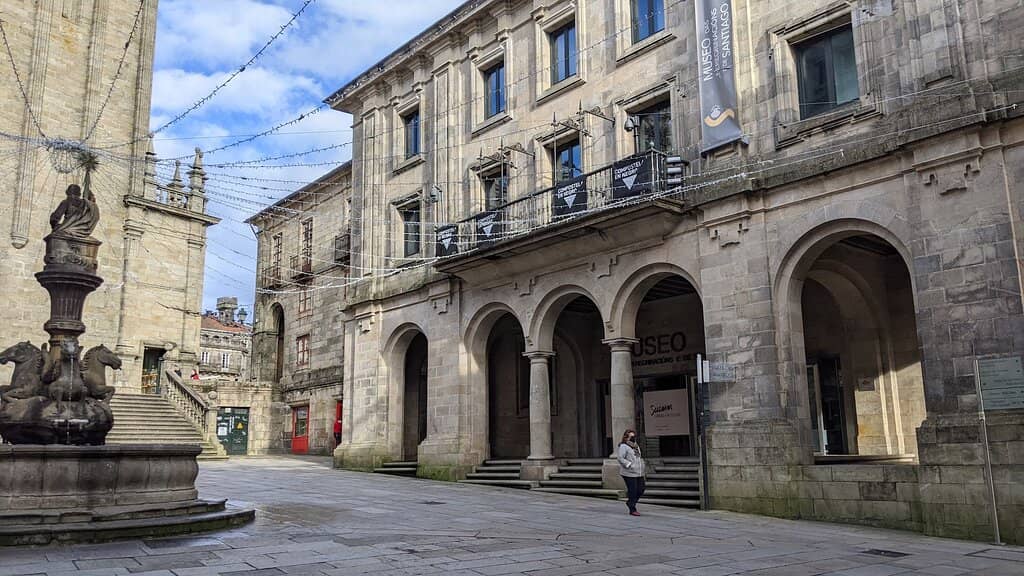
The Cathedral is paramount, but also explore the Praza das Praterías, wander the medieval streets, and visit the Pilgrimage Museum for historical context.
Yes, the Pilgrimage Museum offers fascinating insights into the history and significance of the Camino de Santiago, providing an hour or so of engaging exploration.
The Botafumeiro, a giant censer, is swung during specific services. Check the Cathedral's schedule for demonstration times to witness this impressive spectacle.
The Praza das Praterías itself is often overlooked, as is the fountain within it. Exploring the smaller side streets can also reveal charming architectural details and quiet corners.
The city has a unique spiritual and vibrant atmosphere, especially for pilgrims finishing their journey. Even for non-pilgrims, the historic streets and lively squares create an unforgettable ambiance. +1
🍽️ 🍽️ Food & Dining
You must try the Tarta de Santiago (almond cake). Also, look for local Galician specialties like pulpo a la gallega (octopus), empanada gallega, and fresh seafood.
The old town has many excellent restaurants and tapas bars. For a lively experience, check out bars in the old zone, known for their sandwiches and atmosphere. +1
While traditional Galician cuisine is often meat and seafood-heavy, many restaurants are increasingly offering vegetarian and vegan options. Look for vegetable stews, salads, and grilled vegetables.
The old zone is particularly known for its tapas scene. Bars like 'La Tita' or those around the Praza da Quintana often have good selections.
You can find a range of dining options, from budget-friendly tapas bars to more upscale restaurants. Eating tapas can be a cost-effective way to sample various local dishes.
📸 📸 Photography
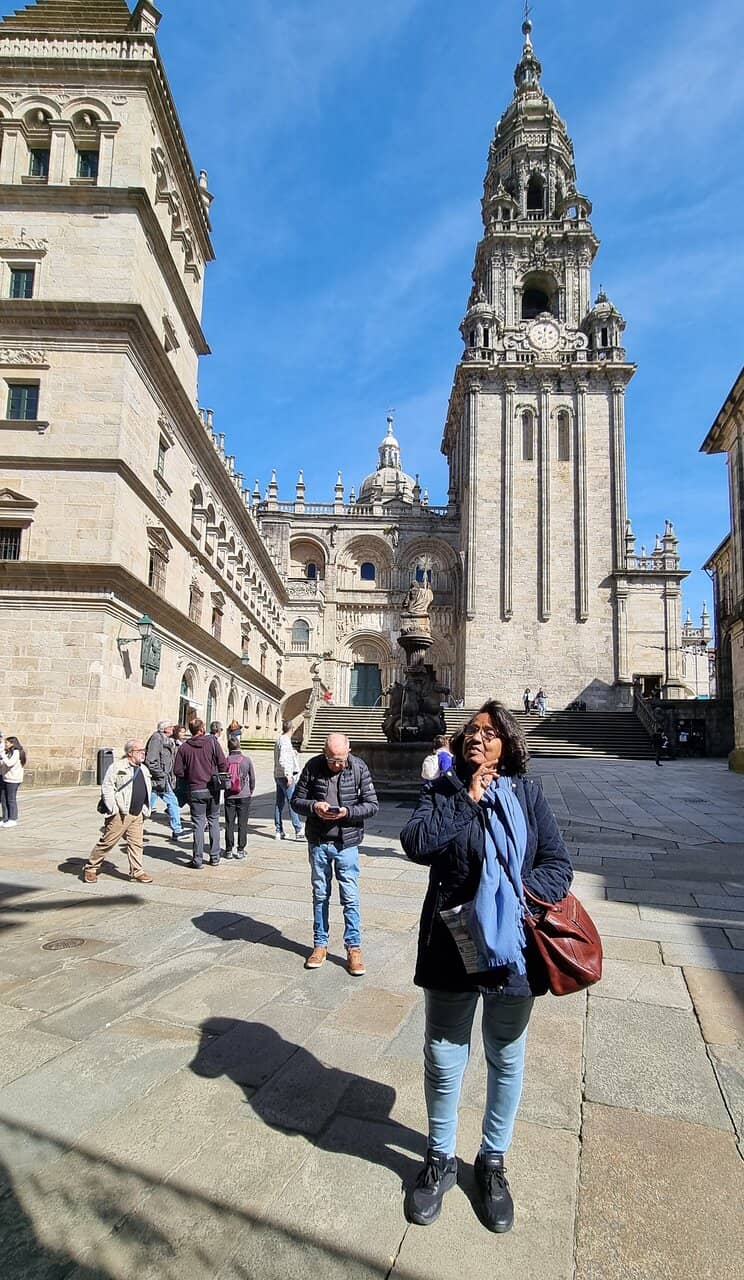
The Praza das Praterías offers stunning architectural views, especially with the fountain. The facade of the Cathedral and the surrounding squares like Praza do Obradoiro are iconic. Don't forget to capture the charming medieval streets.
Golden hour, just after sunrise and before sunset, provides beautiful light for photographing the historic buildings. Midday can be harsh, but also good for capturing the bustling atmosphere.
Photography is generally allowed inside the Cathedral, but be mindful of others and avoid using flash, especially during services. Check for any specific restrictions.
A wide-angle lens is useful for capturing the grandeur of the Cathedral and the squares. A standard zoom lens is versatile for street photography. A smartphone with good low-light capabilities is also excellent for capturing the ambiance.
Capture pilgrims arriving at the Cathedral, the iconic yellow arrows marking the routes, and the 'Kilometer Zero' marker. The sense of accomplishment is a powerful photographic theme. +1
You may also like

Museo das Peregrinacións e de Santiago Santiago de Compostela
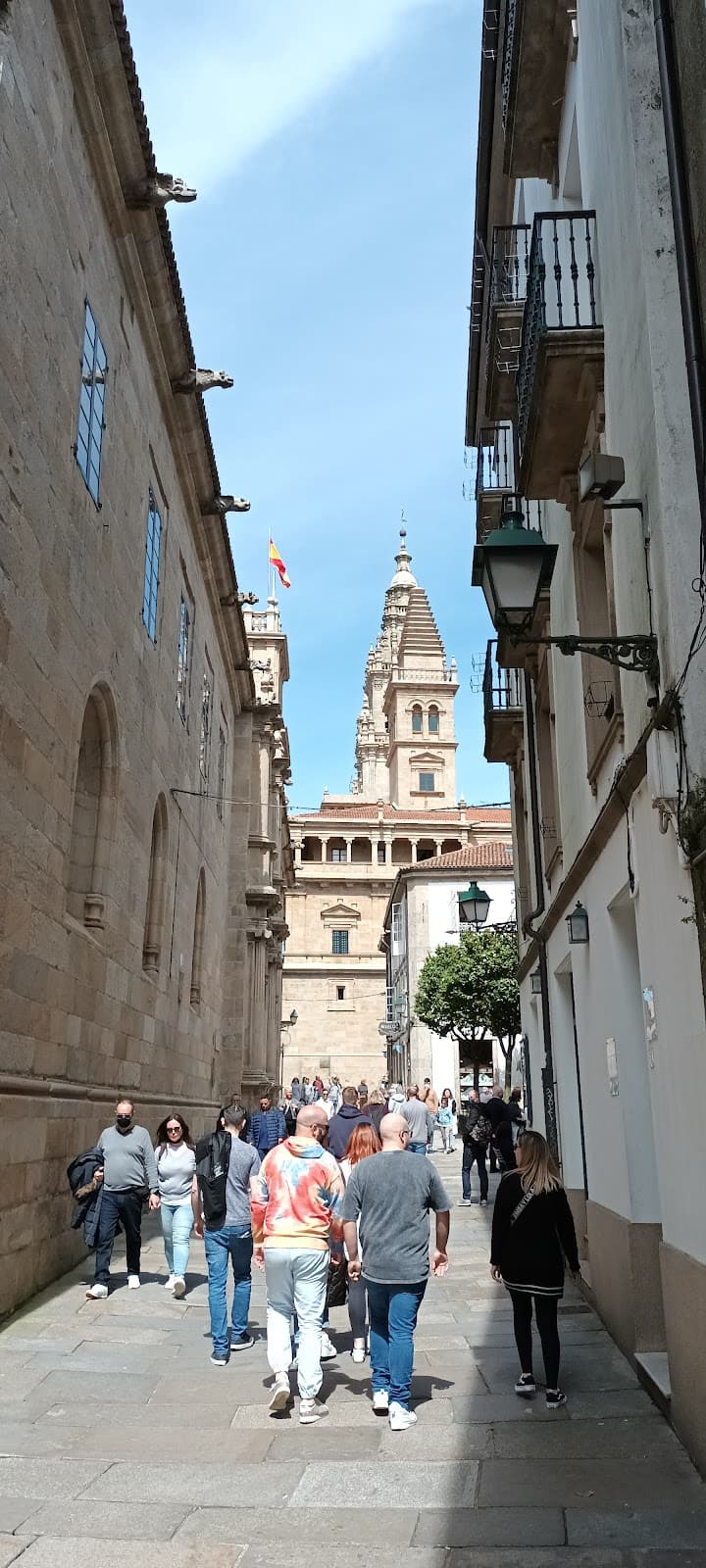
Rúa do Franco Santiago de Compostela

Museo da Catedral de Santiago

Holy Door Porta Santa

Colexio de Fonseca Santiago de Compostela

Hostal dos Reis Católicos
Museo das Peregrinacións e de Santiago Santiago de Compostela
Rúa do Franco Santiago de Compostela
Museo da Catedral de Santiago
Holy Door Porta Santa
Colexio de Fonseca Santiago de Compostela
Hostal dos Reis Católicos

Casa do Cabido Santiago de Compostela

Pazo de Raxoi

Pórtico da Gloria
Praza de Fonseca

Praza do Matadoiro

Social
from TikTok, Instagram & Reddit