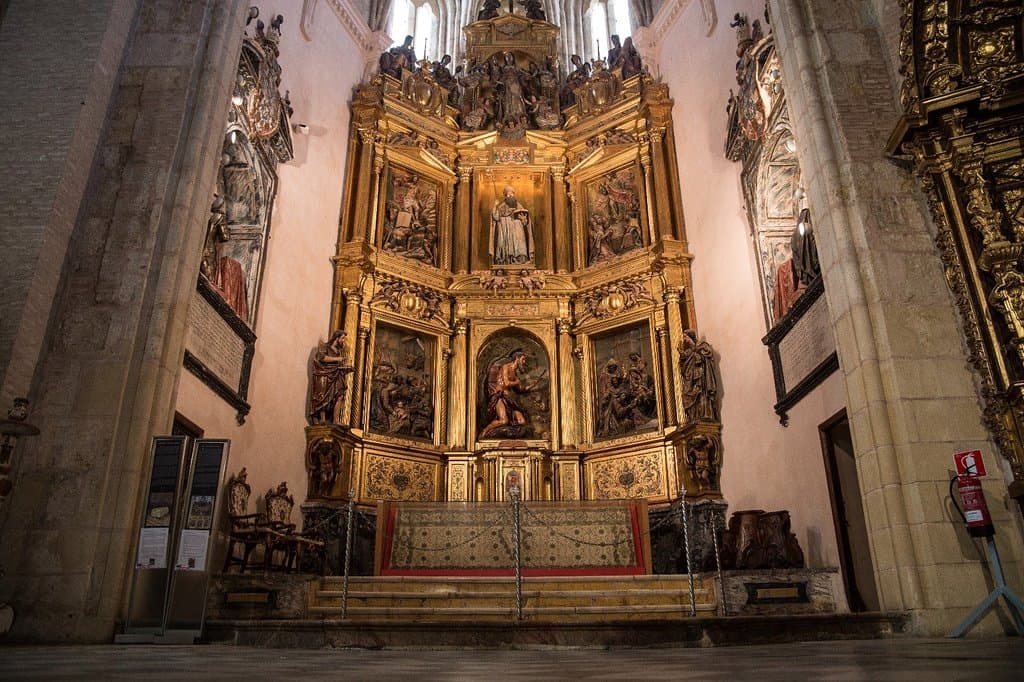
San Isidoro del Campo Monastery Santiponce
A 14th-century monastery in Santiponce, showcasing rich history, Mudéjar architecture, and free entry. A perfect historical pairing with nearby Italic...
Highlights
Must-see attractions

Social
From TikTok & Reddit
Best Time
Peaceful exploration
San Isidoro del Campo Monastery Santiponce
Best Time
Peaceful exploration
Highlights
Must-see attractions
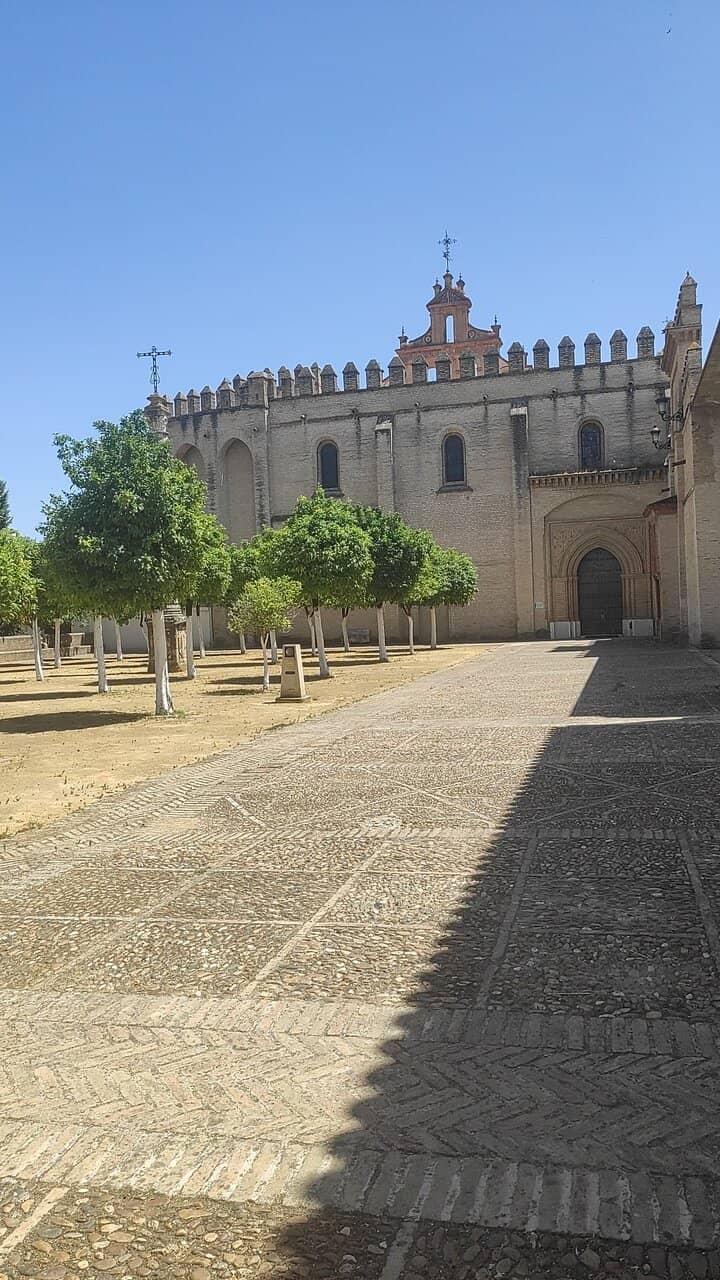
A 14th-century monastery in Santiponce, showcasing rich history, Mudéjar architecture, and free entry. A perfect historical pairing with nearby Italica.
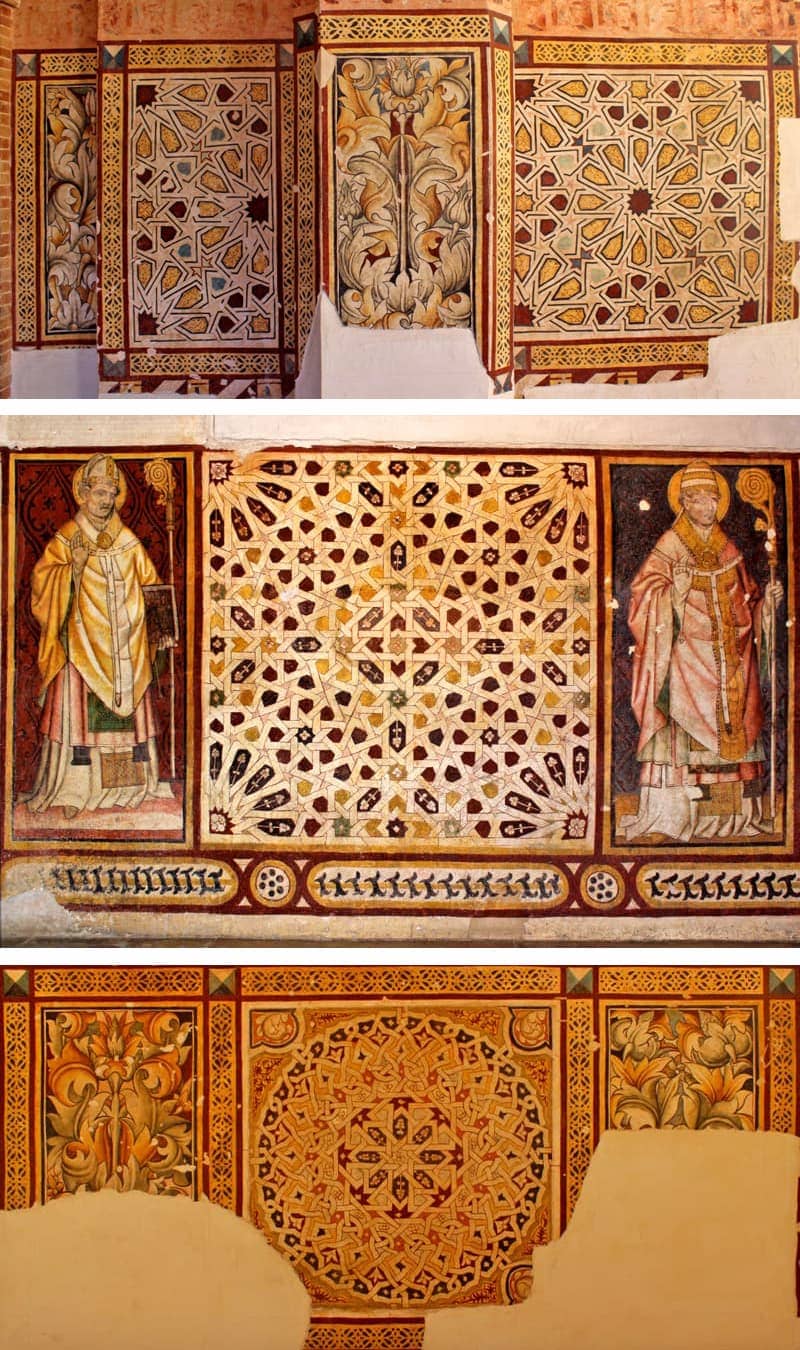
"Well worth the visit for its rich history, decorative ceilings and walls with tiled features."
Combine with Italica
Don't miss the nearby Roman ruins of Italica for a full historical experience! :world_map:
Free Entry
Enjoy the monastery's history and beauty without an admission fee. :moneywithwings:
Quick Facts
Hours
Rating
4.6 · 1,482 reviews
Type
Tourist Attraction
Highlights
Discover the most iconic attractions and experiences
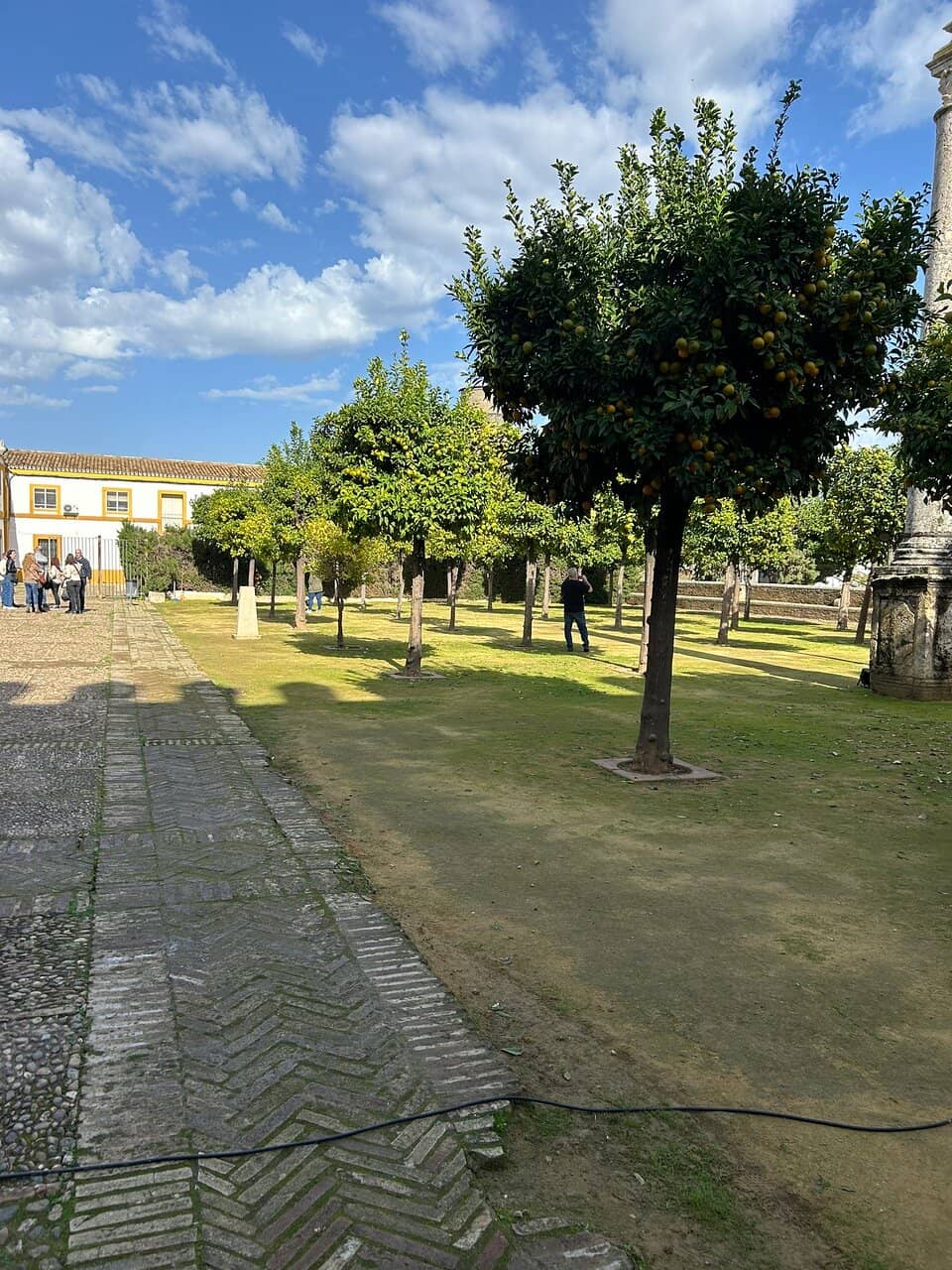
Moorish & Mudéjar Architecture
Main Cloister
Admire the intricate tilework and decorative ceilings, showcasing a blend of Islamic and Christian artistic influences.
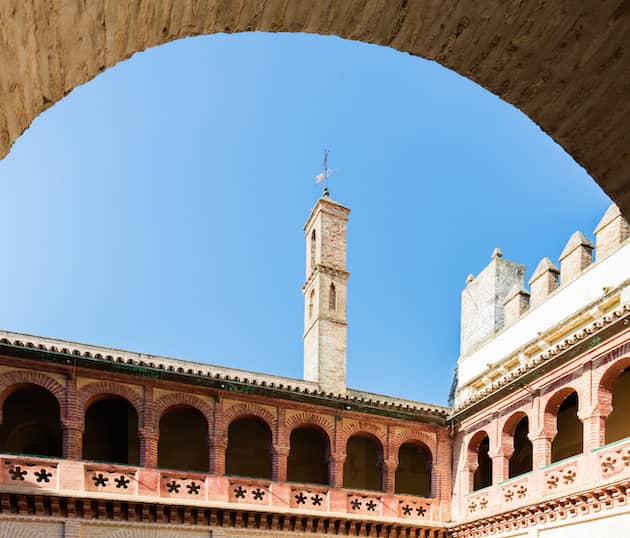
Historical Significance
Throughout the Monastery
Discover its role as a former Cistercian abbey and a site of early Spanish Bible translation.
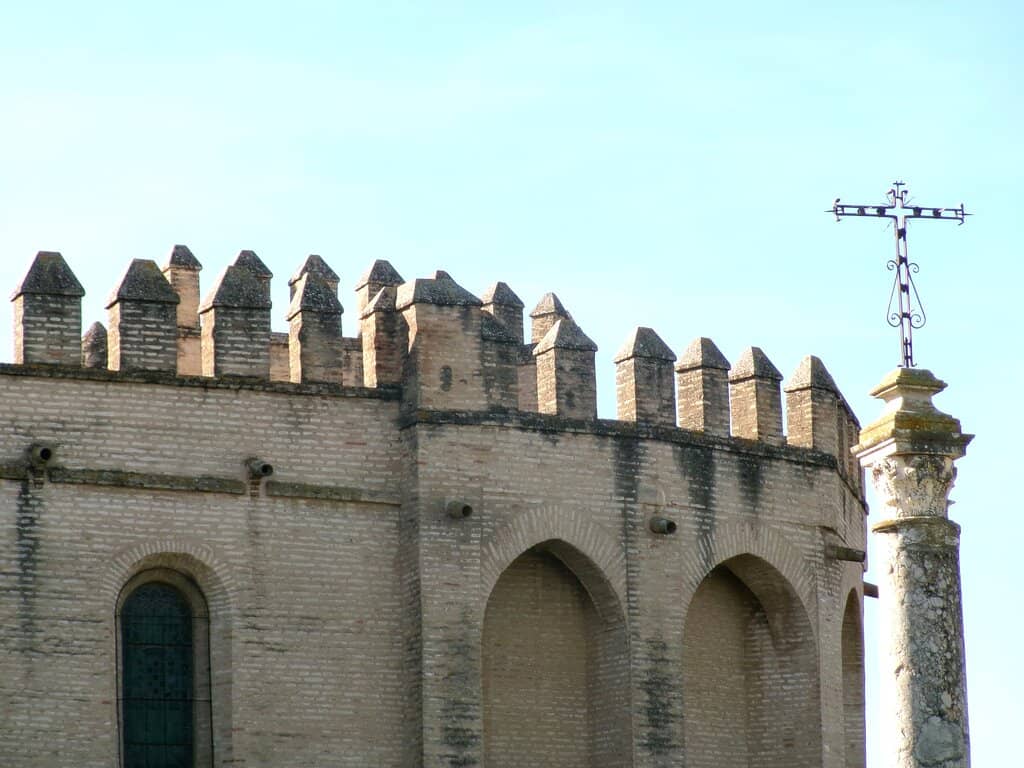
Proximity to Italica
Santiponce
Conveniently located near the ancient Roman city of Italica, perfect for a combined historical day trip.
Plans like a pro.
Thinks like you
Planning Your Visit
Timing Your Visit
Getting There & Around
Best Times
Insider Tips
from TikTok, Instagram & Reddit
Combine with Italica
Don't miss the nearby Roman ruins of Italica for a full historical experience! :world_map:
Free Entry
Enjoy the monastery's history and beauty without an admission fee. :moneywithwings:
Bus from Seville
Easy public transport via M170A or M170B bus from Plaza de Armas. 🚌
Explore the Tiles
Look closely at the beautiful tile works and ceilings inside. 🎨

Tips
from all over the internet
Combine with Italica
Don't miss the nearby Roman ruins of Italica for a full historical experience! :world_map:
Free Entry
Enjoy the monastery's history and beauty without an admission fee. :moneywithwings:
Bus from Seville
Easy public transport via M170A or M170B bus from Plaza de Armas. 🚌
Explore the Tiles
Look closely at the beautiful tile works and ceilings inside. 🎨
What Travellers Say
Reviews Summary
Visitors appreciate the monastery's rich history, beautiful decorative ceilings, and intricate tile work, especially given its free entry. Its proximity to the Roman ruins of Italica is a major draw for a combined historical experience. Some reviews note that the monastery's condition could be improved, with a mix of styles that some find less artistically cohesive.
"Well worth the visit of this 14th Century Monastery for its rich history, decorative ceilings and walls with tiled features. Easy to get to via the M170A or M170B bus from Plaza de Armas, Sevilla bus station."
Paul
"Sevilla, Monasterio de San Isidoro, the Monastery was founded in the year: 1301 by Alonso Pérez and María Alonso Coronel at a site near the ruins of Italica where, according to tradition, San Isidoro of Seville was buried, and since then it has been under the administration of successive religious orders, Cistercians, Hieronymite hermits and the Order of San Jerónimo, who have left their mark both in the construction and in the decoration of the building."
Csaba Biro
"Beautiful old historical monastery. Where the first Spanish Bible was translated from Latin by the monks. Interesting tile works and ceilings."
Bartley Casteel
What People Like
What People Dislike
Frequently Asked Questions
🚇 🗺️ Getting There
The easiest way is by public bus. Take the M170A or M170B bus from the Plaza de Armas bus station in Seville directly to Santiponce. The journey is short and convenient.
Yes, Santiponce is a walkable town, especially if you plan to visit both the monastery and the nearby Italica ruins. Comfortable shoes are recommended.
Yes, there is free parking available near the monastery, making it accessible for those who prefer to drive.
The San Isidoro del Campo Monastery is located very close to the ancient Roman city of Italica, making it ideal to visit both sites in one trip.
For a budget-friendly and straightforward option, the bus is highly recommended. It's a quick trip and drops you right in Santiponce.
🎫 🎫 Tickets & Entry
No, entry to the San Isidoro del Campo Monastery is free, making it an accessible historical site for all visitors.
Opening hours can vary, and it's best to check locally or on official websites before your visit. However, it is generally open during daylight hours.
Fortunately, there is no entrance fee to explore the San Isidoro del Campo Monastery.
Yes, you can explore the monastery independently. Information panels are available to guide you through its history and architecture.
Generally, visits are welcome during opening hours. It's advisable to be respectful of the religious nature of the site.
🎫 🏛️ Onsite Experience
Many visitors are drawn to the monastery's rich history, its beautiful decorative ceilings, and the intricate tile work that showcases a blend of artistic styles.
It was founded in 1301 and served as a Cistercian abbey. It's also noted as the place where the first Spanish Bible was translated from Latin by monks.
While it's a historical monument, some reviews suggest a mix of styles and a state that could be improved. However, its historical importance and unique features are still evident.
Yes, public restrooms are available for visitors at the monastery.
The monastery features a mix of styles, with notable Mudéjar elements, including decorative ceilings and tiled features, reflecting its long history.
🍽️ 🍽️ Food & Dining
Yes, Santiponce offers local eateries. One TikTok highlights a spot known for homemade stews, especially popular from Thursday to Sunday.
You can find traditional Spanish cuisine, including homemade dishes and tapas. Some places offer local specialties like stews and charcuterie.
While not explicitly mentioned, many Spanish restaurants offer vegetable-based tapas and salads. It's best to inquire at the restaurant.
No, there are no restaurants or cafes within the monastery itself. You'll need to explore the town of Santiponce for dining options.
Local recommendations include homemade stews, traditional tapas, and local charcuterie. Trying the local beer is also suggested.
📸 📸 Photography
Focus on the intricate tile work, decorative ceilings, and the cloister areas. The interplay of light and shadow can create beautiful shots.
Generally, photography for personal use is allowed, but it's always good practice to be mindful of other visitors and any specific signage.
Afternoon light can be quite flattering for architectural photography, highlighting the textures and details of the monastery.
Drone usage is typically restricted in historical and religious sites. It's best to check local regulations before attempting to fly a drone.
The Mudéjar ceilings and the detailed tile work are particularly photogenic and unique to this monastery.
You may also like

Monastery of La Cartuja (CAAC) Seville

Alamillo Bridge Seville

Italica Roman City Seville

La Giralda Seville

Palacio de las Dueñas Seville

Royal Alcázar of Seville
Monastery of La Cartuja (CAAC) Seville
Alamillo Bridge Seville
Italica Roman City Seville
La Giralda Seville
Palacio de las Dueñas Seville
Royal Alcázar of Seville

Real Maestranza Bullring Seville

CaixaForum Sevilla Seville

Centro Cerámica Triana Seville

Seville City Walls Seville

Pabellón de la Navegación Seville
Social
from TikTok, Instagram & Reddit