Vía de la Plata Camino
A historic pilgrimage route from Seville to Santiago, offering diverse landscapes, rich history, and a strong sense of community.
Highlights
Must-see attractions

Social
From TikTok & Reddit
Best Time
Pleasant temperatures, blooming nature
Vía de la Plata Camino
Best Time
Pleasant temperatures, blooming nature
Highlights
Must-see attractions
A historic pilgrimage route from Seville to Santiago, offering diverse landscapes, rich history, and a strong sense of community.
"A beautiful path with incredible wildlife and a lovely landscape, also great for cycling."
Pack Light, Walk Far
Every extra pound counts on a long trek. Pack only essentials and consider lighter gear for a more comfortable journey. :athletic_shoe:
Hydration is Key
Carry plenty of water, especially through the drier sections of Andalusia and Extremadura. Refill whenever possible. :droplet:
Quick Facts
Hours
Rating
4.4 · 23 reviews
Type
Hiking Area
Highlights
Discover the most iconic attractions and experiences
Seville's Historic Charm
Seville
Begin your journey in the vibrant Andalusian capital, soaking in its rich history and Moorish architecture before setting off.
Extremadura's Vast Landscapes
Extremadura
Experience the expansive plains and rolling hills of Extremadura, dotted with ancient ruins and charming villages.
Salamanca's Golden City
Salamanca
Marvel at the stunning sandstone architecture of Salamanca, a UNESCO World Heritage site, before continuing north.
Galicia's Green Embrace
Galicia
As you approach Santiago, the landscape transforms into the lush green hills of Galicia, signaling your nearing destination.
Plans like a pro.
Thinks like you
Planning Your Visit
Plan Your Vía de la Plata Journey
Navigating the Vía de la Plata
Best Times
Insider Tips
from TikTok, Instagram & Reddit
Pack Light, Walk Far
Every extra pound counts on a long trek. Pack only essentials and consider lighter gear for a more comfortable journey. :athletic_shoe:
Hydration is Key
Carry plenty of water, especially through the drier sections of Andalusia and Extremadura. Refill whenever possible. :droplet:
Embrace the Albergues
These pilgrim hostels offer affordable stays and a great community. Book ahead in popular towns, especially during peak season. 🛏️
Cycle with Caution
While great for cycling, be mindful of river crossings and service roads. Some sections might require detours. 🚲
Tips
from all over the internet
Pack Light, Walk Far
Every extra pound counts on a long trek. Pack only essentials and consider lighter gear for a more comfortable journey. :athletic_shoe:
Hydration is Key
Carry plenty of water, especially through the drier sections of Andalusia and Extremadura. Refill whenever possible. :droplet:
Embrace the Albergues
These pilgrim hostels offer affordable stays and a great community. Book ahead in popular towns, especially during peak season. 🛏️
Cycle with Caution
While great for cycling, be mindful of river crossings and service roads. Some sections might require detours. 🚲
Wildlife Spotting
The banks of the Huelva River are known for diverse wildlife. Keep an eye out for foxes, otters, and wild boar. :camerawithflash:
What Travellers Say
Reviews Summary
The Vía de la Plata is lauded for its stunning and diverse landscapes, rich history, and the sense of community among pilgrims. While generally well-signposted, some sections require careful navigation, and summer heat can be intense. The route offers a profound journey for walkers and cyclists alike.
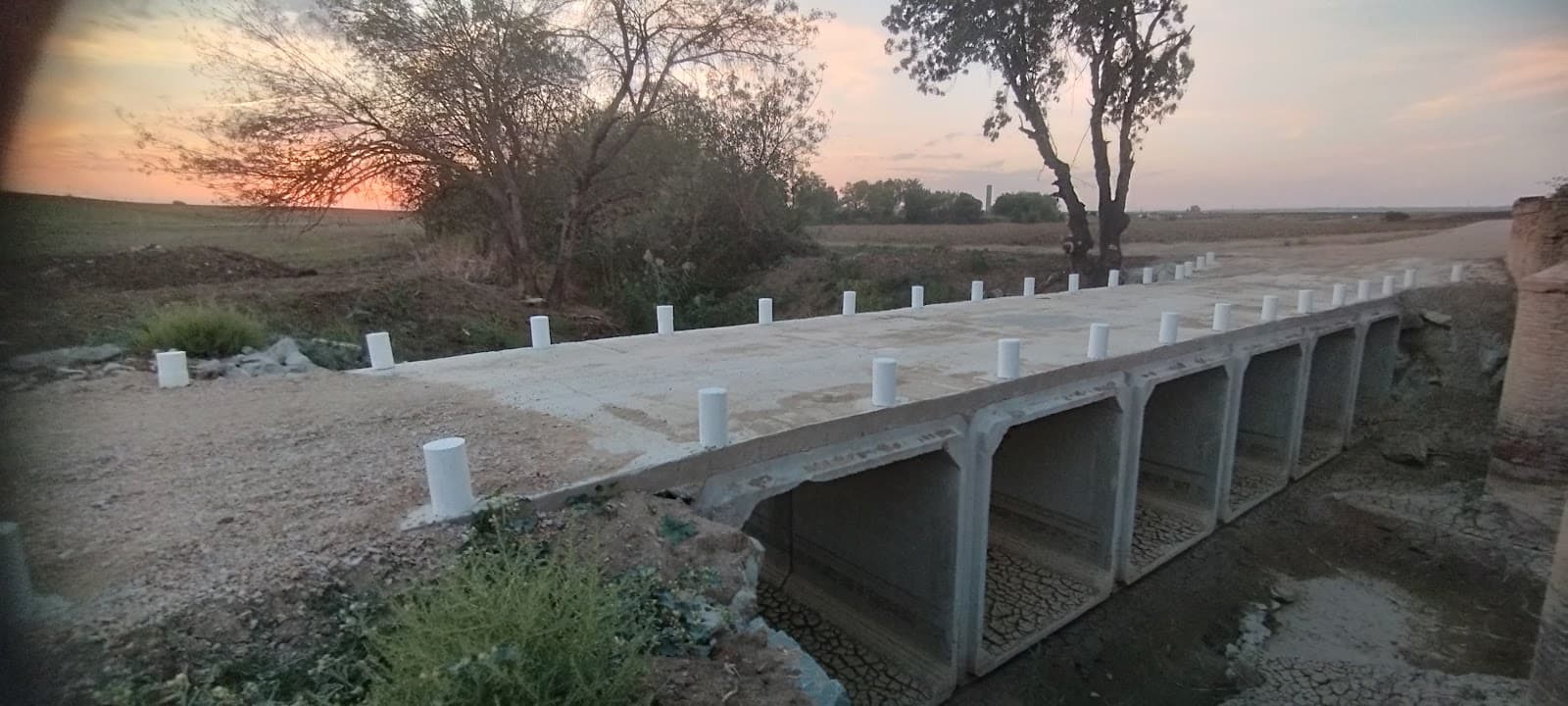
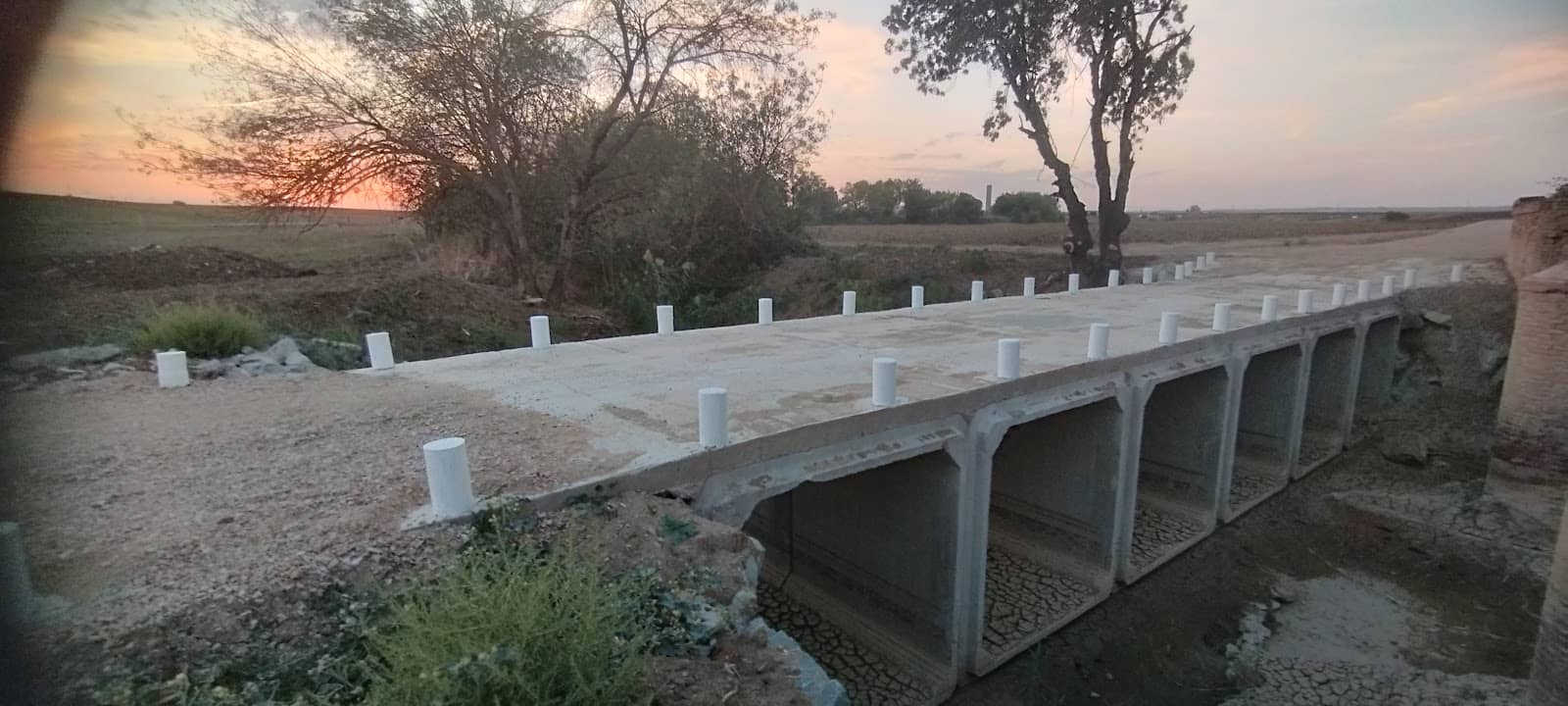
"It is a beautiful path. Just when it crosses the Friars River, the same river cuts off the passage. You have to detour a few meters before along an internal path to the right. There you will find a large beam that crosses over the river. Be careful if you are loaded or on a bike."
Ryu Takeshi
"Fantastic, very flat and well signposted."
Boni Garcia
"Beside the road is the Rivera de Huelva river. I set up my trail camera there and recorded an incredible variety of wildlife, from foxes, genets, badgers, mongooses, otters, and even sounders of wild boar."
landysky
What People Like
What People Dislike
Frequently Asked Questions
🚇 🗺️ Getting There
The most common starting point is Seville, marking the southern end of the Vía de la Plata. However, you can also begin in cities like Mérida or Salamanca, depending on your desired length and experience. Some pilgrims also join from the Camino Sanabrés, which branches off the Vía de la Plata. 
Seville has a major international airport (SVQ) with connections to many European cities. You can also reach Seville by high-speed train (AVE) from Madrid and other Spanish cities, or by bus.
Generally, the Vía de la Plata is well-signposted with the traditional yellow arrows and scallop shells. However, some sections, particularly those shared with other routes or service roads, might require extra attention.
Yes, the Vía de la Plata is a popular route for cyclists, often referred to as the 'Camino en bici'. The terrain varies, with some flat sections and some more challenging climbs.
The Camino Sanabrés is a branch of the Vía de la Plata that starts in Granja de Moreruela and heads towards Santiago through the Sanabria region. It's known for its beautiful natural landscapes.
🎫 🎫 Tickets & Entry
The Vía de la Plata itself is a public route and does not require tickets for access. However, you will need to pay for accommodation in albergues or other lodging, and for food and transport.
Albergue opening hours vary. Most open in the afternoon (around 1 PM or 2 PM) and close in the morning (around 8 AM). It's always best to check specific albergue times in advance, especially if arriving late.
No, there are no entrance fees for the towns and villages you pass through on the Vía de la Plata. You are free to explore them as you walk.
Yes, you can obtain a Credencial del Peregrino (pilgrim's passport) from the starting point or various albergues and churches along the route. This is stamped at each stop and is required to get your Compostela in Santiago.
Entry requirements for Spain depend on your nationality. EU citizens generally have free movement. Non-EU citizens should check visa requirements for the Schengen Area.
🎫 🧭 Onsite Experience
Spring (April-May) and Autumn (September-October) are generally considered the best times due to pleasant temperatures and beautiful scenery. Summer can be very hot, especially in the south.
The full Vía de la Plata from Seville to Santiago is approximately 1000 km and typically takes 35-40 days for walkers. Cyclists can complete it much faster, around 10-14 days.
The terrain is varied, starting with flatter, drier landscapes in Andalusia and Extremadura, gradually becoming more mountainous and greener as you enter Castilla y León and Galicia.
Yes, there are fountains and villages where you can refill water. However, it's always wise to carry enough for several hours, especially in more remote sections.
The route, particularly near the Huelva River, is known for its diverse wildlife, including foxes, genets, badgers, mongooses, otters, and wild boar.
🍽️ 🍽️ Food & Dining
The cuisine varies by region. In Andalusia, expect gazpacho and fried fish. Extremadura offers hearty stews and Iberian pork. Castilla y León is known for its roasted meats, and Galicia for its seafood.
Yes, you'll find restaurants, cafes, and bars in most towns and villages along the Vía de la Plata, offering local specialties and pilgrim menus.
Pan de Cea is a famous bread from the town of Cea in Galicia, known for its distinctive shape and delicious taste. It's a popular item for pilgrims to enjoy.
While traditional Spanish cuisine can be meat-heavy, you can often find vegetarian options like vegetable soups, salads, and patatas bravas. Vegan options might require more specific requests.
Pilgrim menus are special, often affordable, set meals offered by restaurants catering to pilgrims. They typically include a starter, main course, dessert, and a drink.
📸 📸 Photography
Seville's Alcázar and Plaza de España, the Roman ruins in Mérida, Salamanca's Plaza Mayor, and the rolling green hills of Galicia offer stunning photographic opportunities.
The 'golden hours' – shortly after sunrise and before sunset – offer the most beautiful light for landscape and architectural photography. Midday sun can be harsh.
Drone regulations in Spain are strict. You must register your drone, obtain necessary permits, and adhere to no-fly zones, especially near airports, cities, and natural parks. Always check current regulations.
A versatile camera with a good zoom lens is ideal for capturing diverse landscapes and details. A wide-angle lens is great for sweeping vistas. Consider a lightweight setup for easier carrying. :camerawithflash:
It's generally polite to ask for permission before taking close-up photos of other pilgrims. Respect their privacy and personal journey.


Social
from TikTok, Instagram & Reddit