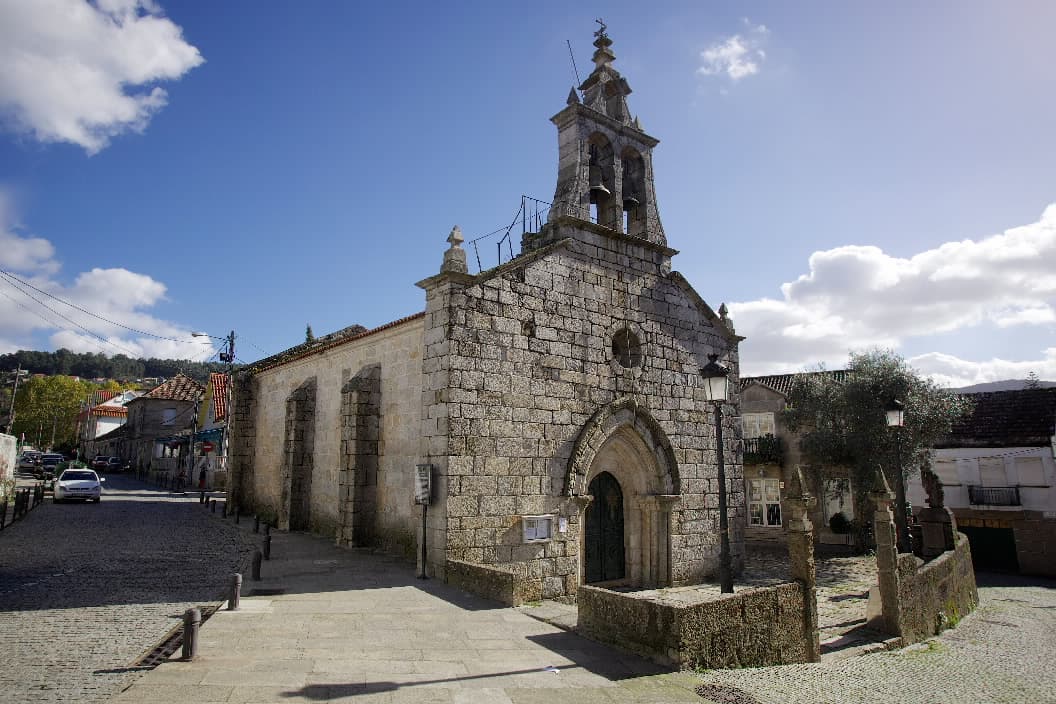
Santiago de Bembrive Church
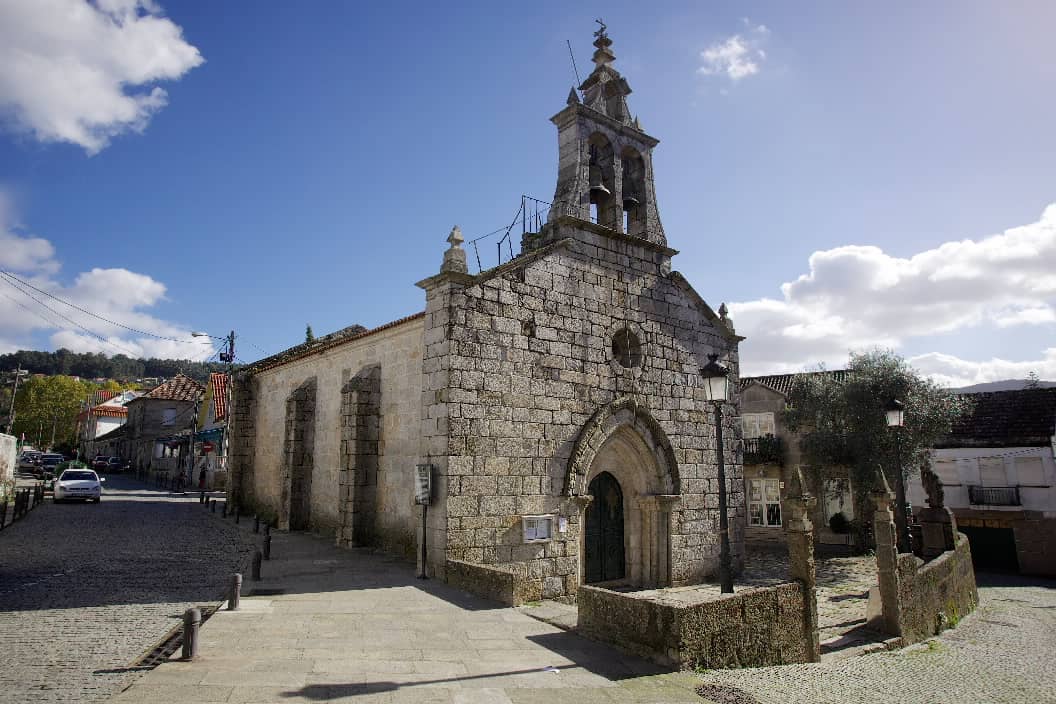
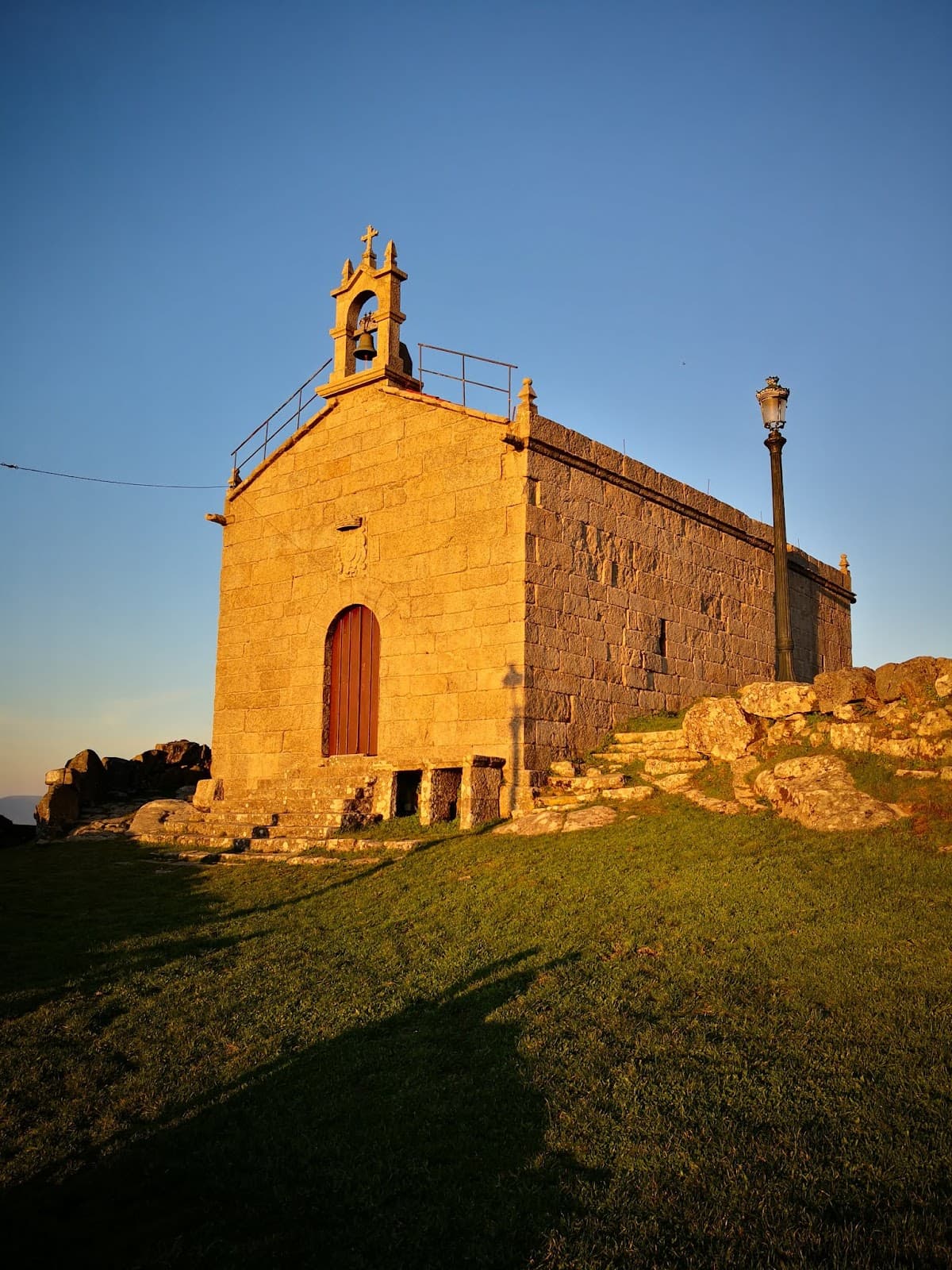
A stunning example of transitional Romanesque architecture, this 13th-century church boasts a well-preserved exterior and historical significance.

Highlights
Must-see attractions

Social
From TikTok & Reddit
Best Time
Likely access to interior
Santiago de Bembrive Church
Best Time
Likely access to interior
Highlights
Must-see attractions
A stunning example of transitional Romanesque architecture, this 13th-century church boasts a well-preserved exterior and historical significance.
"Beautiful Romanesque church on the outside, we couldn't see it inside, it was closed."
Check Opening Hours
Interior access is often limited. Verify service times or local event schedules before visiting. 📅
Admire the Exterior
The Romanesque architecture is stunning from the outside, even if the interior is closed. :camerawithflash:
Quick Facts
Hours
Rating
4.4 · 129 reviews
Type
Church
Highlights
Discover the most iconic attractions and experiences
Romanesque Exterior
Main Façade
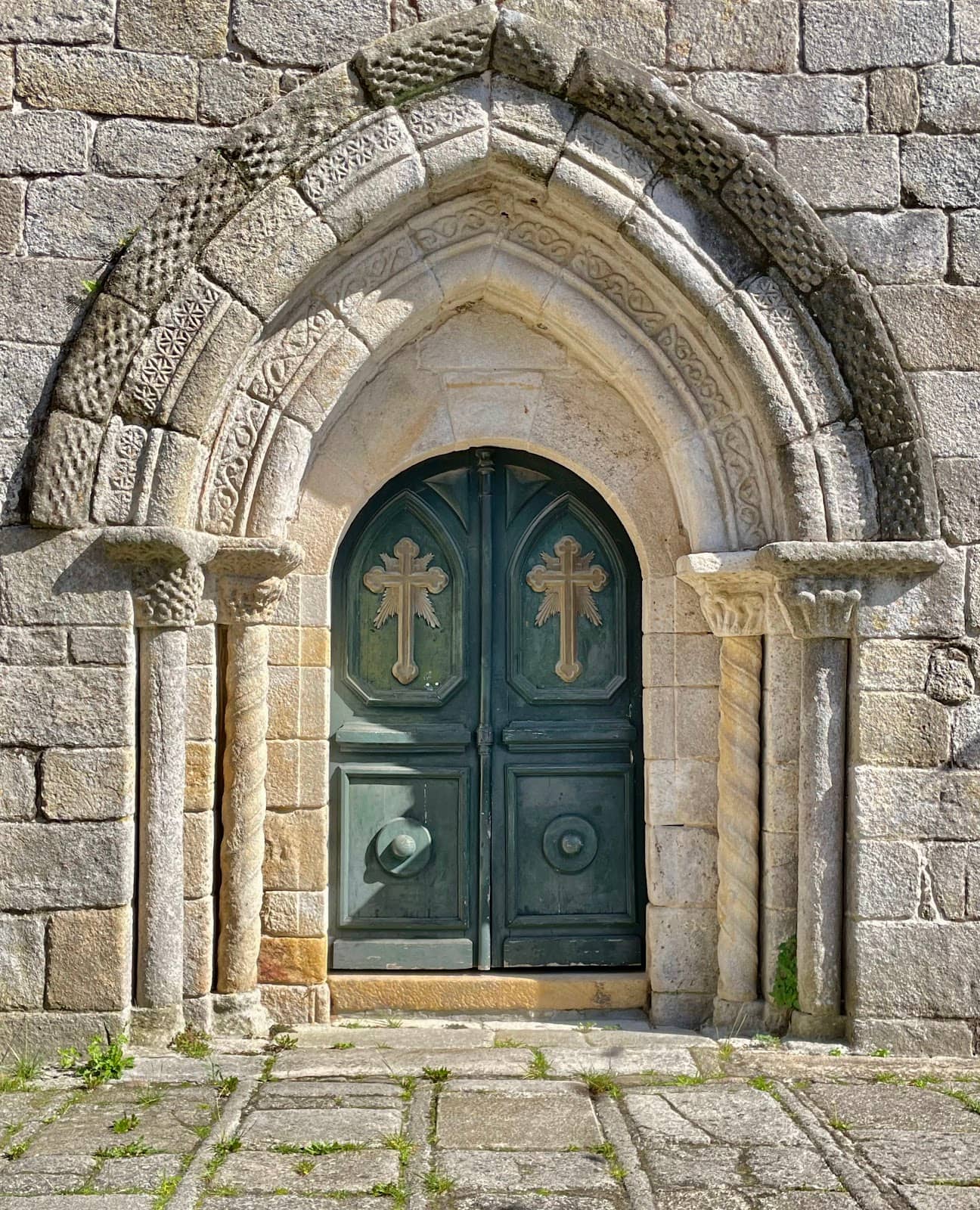
Admire the well-preserved stone structure, semicircular arch, and decorated columns of this 13th-century masterpiece.
Bell Tower
Western Façade
A distinctive feature rising above the main entrance, adding to the church's historic silhouette.
Ornate Arches
Presbytery
Discover the intricately decorated arches within, showcasing capitals with fascinating ornaments.
Plans like a pro.
Thinks like you
Planning Your Visit
Timing Your Visit
Accessibility & Exploration
Best Times
Insider Tips
from TikTok, Instagram & Reddit
Check Opening Hours
Interior access is often limited. Verify service times or local event schedules before visiting. 📅
Admire the Exterior
The Romanesque architecture is stunning from the outside, even if the interior is closed. :camerawithflash:
Starting from Vigo tomorrow…anything to look out for?
Little worried about my dad who is traveling with me, he can walk, but just at a slower 2-2.5/mph pace.
Wear Comfortable Shoes
Explore the charming surroundings of Bembrive comfortably. :athletic_shoe:
Camino from Vigo
Hi, I will be walking the last 100km Camino Portuguese spiritual variant in the summer. A couple of questions: Can you start from Vigo and still qualify for the compostella? Is the route from Vigo marked or would the safer option to go from porrino? I’d prefer to set off…
Tips
from all over the internet
Check Opening Hours
Interior access is often limited. Verify service times or local event schedules before visiting. 📅
Admire the Exterior
The Romanesque architecture is stunning from the outside, even if the interior is closed. :camerawithflash:
Wear Comfortable Shoes
Explore the charming surroundings of Bembrive comfortably. :athletic_shoe:
What Travellers Say
Reviews Summary
Visitors praise the Santiago de Bembrive Church for its beautiful and well-preserved Romanesque exterior architecture, noting its historical significance. However, many reviewers mention that the church is often closed, limiting interior access and leading to disappointment for those hoping to see inside.
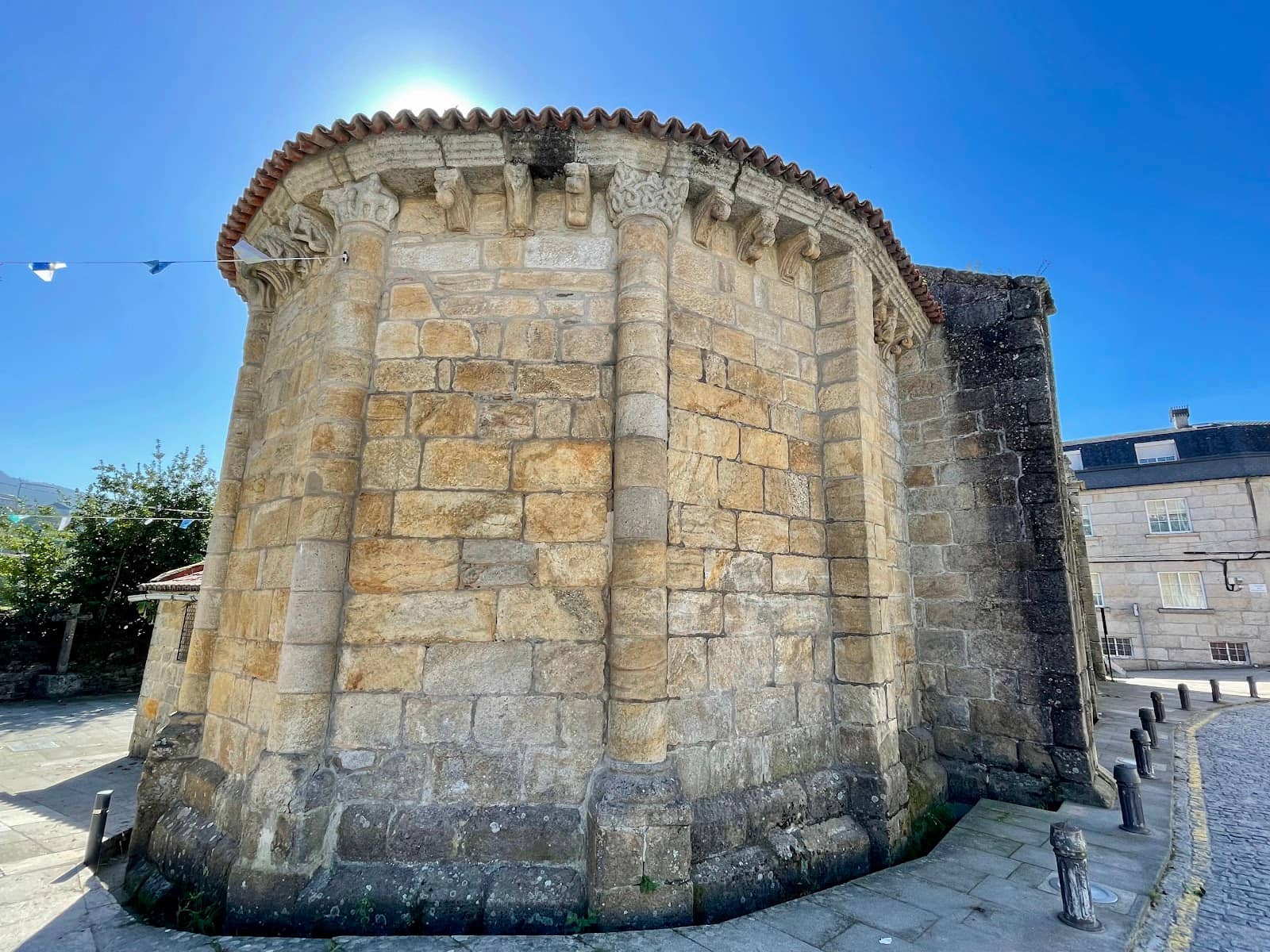
"The church of Santiago de Bembrive, frequently mentioned in medieval documents, belonged to the Bene Vivere sanctuary. It has well preserved its Romanesque structure, with a nave and a semicircular apse on the inside and a pentagonal one on the outside. It has three Romanesque doors with an ogival tendency and a good collection of canzorriños. In the lintels, engraved pieces have been discovered, which suggests that there was another previous church that had been rebuilt. The arches of the presbytery, which are very ornate, offer capitals with interesting ornaments. From the inscriptions that appear in various parts of the building, it seems that the church was built at the end of the 12th century."
VICTOR MARTINEZ
"The parish church of Santiago de Bembrive is a Catholic church in the transitional Romanesque style, built in the late 12th and early 13th centuries. It can be attributed to Master Rodrigo, according to an inscription dated around 1185, although another from 1223 also survives. It has two side doors, one of them blocked, and another on the main façade, with slightly pointed archivolts over columns on jambs. It also preserves a varied collection of corbels."
Diego SG
"It was built in the late 12th and early 13th centuries. It can be attributed to Maestro Rodrigo according to an inscription dated around 1185, although another from 1223 is also preserved. The church underwent several modifications throughout history."
Carlos Gago Dorna
What People Like
What People Dislike
Frequently Asked Questions
🚇 🗺️ Getting There
Santiago de Bembrive Church is located in the town of Bembrive, part of the municipality of Vigo. You can reach it by car, which is the most convenient option, taking approximately 15-20 minutes from central Vigo. Public transport options might involve local buses, but checking routes and schedules in advance is recommended for ease of travel.
While direct bus routes might exist, they can be infrequent. It's advisable to check with local transport providers in Vigo for the most up-to-date information on bus lines serving Bembrive. Driving or using a taxi service offers more flexibility.
For most visitors, driving is the most straightforward method. Parking availability should be considered, especially during local events. Taxis are also an option if you prefer not to drive.
🎫 🎫 Tickets & Entry
Generally, there is no admission fee to view the exterior of Santiago de Bembrive Church. However, access to the interior is often restricted to religious services or special events. It's best to inquire locally about any potential entry requirements for specific times.
The church's interior opening hours are not consistently published and are often tied to religious services. Visitors are advised to check local parish information or inquire at nearby establishments for the most accurate times. The exterior is always visible.
Interior visits are typically limited to when services are being held. If you wish to see the inside, try to time your visit with a scheduled mass or event. Otherwise, you can admire its beautiful Romanesque architecture from the outside.
Information on official guided tours is scarce. However, local historical societies or tourism offices in Vigo might offer insights or arrange visits. It's worth checking with the Vigo tourism board for any available options.
📸 📸 Photography
The main façade with its Romanesque arch and decorated columns offers excellent photo opportunities. The bell tower against the sky is also a picturesque element. Consider different angles from the surrounding streets to capture the church's charm.
If you are able to visit the interior during a service, photography rules may apply. It's always respectful to ask for permission or observe if others are taking photos before doing so, especially during religious ceremonies.
🎫 🏛️ History & Architecture
Santiago de Bembrive Church is a prime example of transitional Romanesque style, dating back to the late 12th and early 13th centuries. It features well-preserved stone masonry, semicircular arches, and decorated columns, characteristic of this period.
The church was constructed in the late 12th and early 13th centuries. Inscriptions found on the building suggest a construction date around 1185, with further work or preservation noted around 1223.
Mentioned in medieval documents, the church was once part of the Bene Vivere sanctuary. Its well-preserved Romanesque structure and surviving inscriptions offer valuable insights into the region's history and architectural evolution.





Social
from TikTok, Instagram & Reddit