Adarró Iberian Site
Explore ancient ironworks and Roman villa remains, brought to life by expert archaeologists. A deep dive into Iberian and Roman history.
Highlights
Must-see attractions

Social
From TikTok & Reddit
Best Time
Open for visits
Adarró Iberian Site
Best Time
Open for visits
Highlights
Must-see attractions
Explore ancient ironworks and Roman villa remains, brought to life by expert archaeologists. A deep dive into Iberian and Roman history.
"Highly recommended visit with attentive and friendly archaeologists offering educational and informative tours."
🎯 Book a Guided Tour
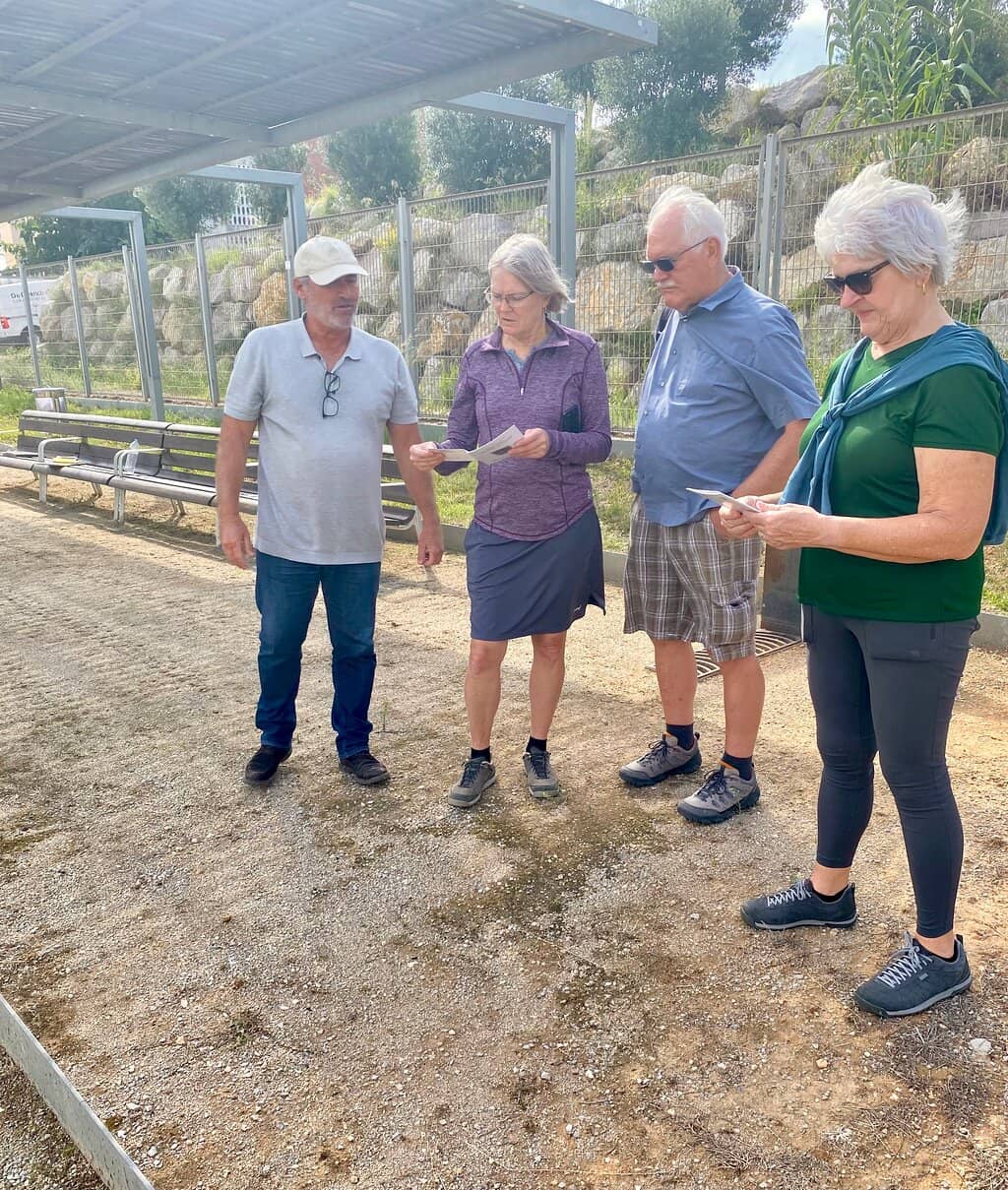
Highly recommended! Archaeologists offer free, engaging tours that make the site come alive.
⏰ Check Opening Hours
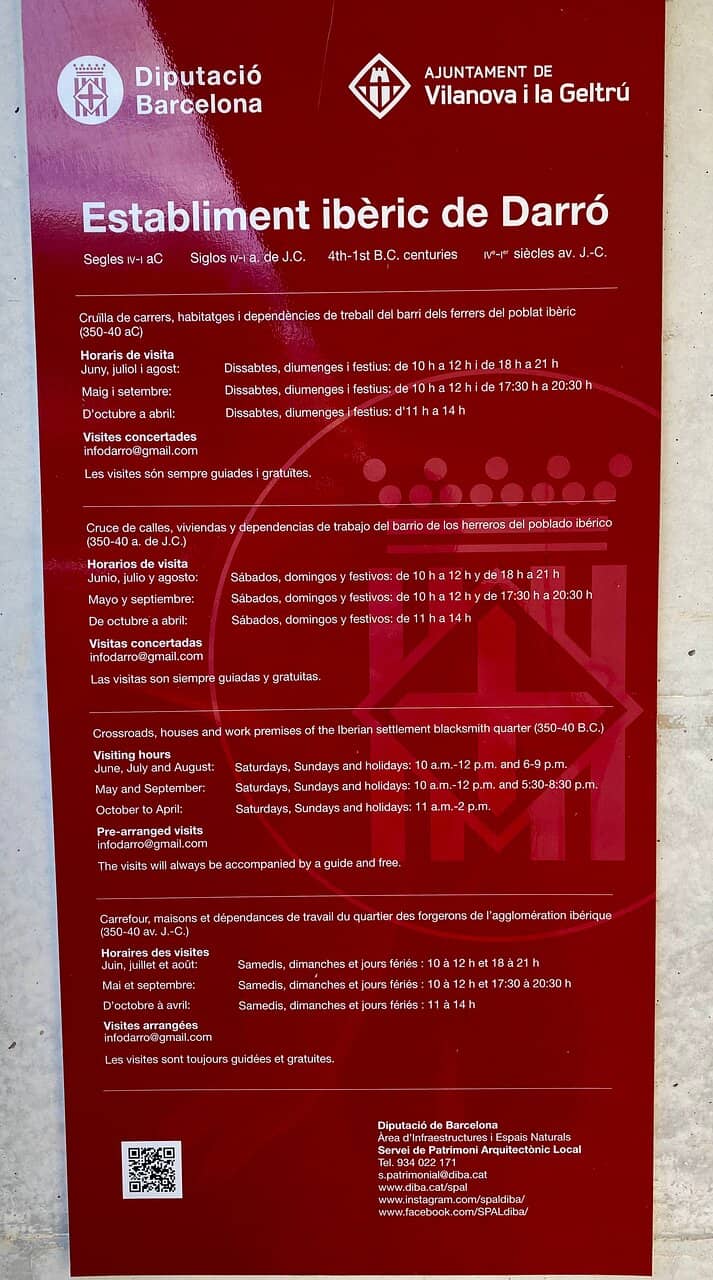
The site is fenced and has set hours. Verify them before you go to avoid disappointment.
Quick Facts
Rating
4.5 · 33 reviews
Type
Historical Landmark
Highlights
Discover the most iconic attractions and experiences
Iberian Metalworking District
Foot of the hill
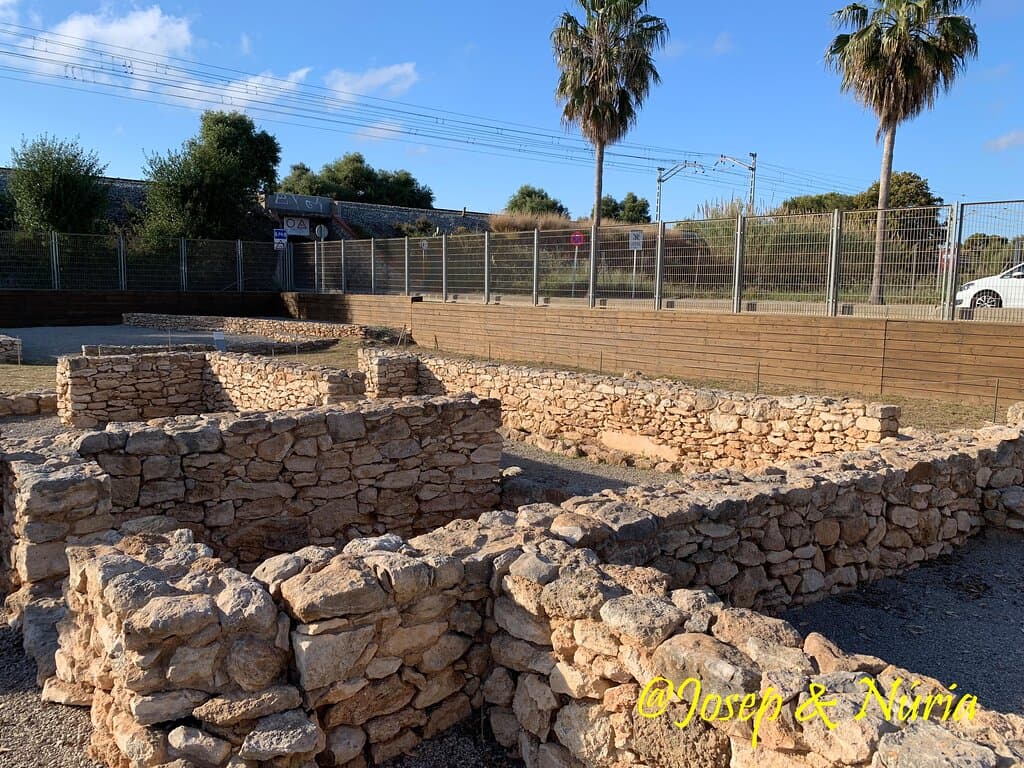
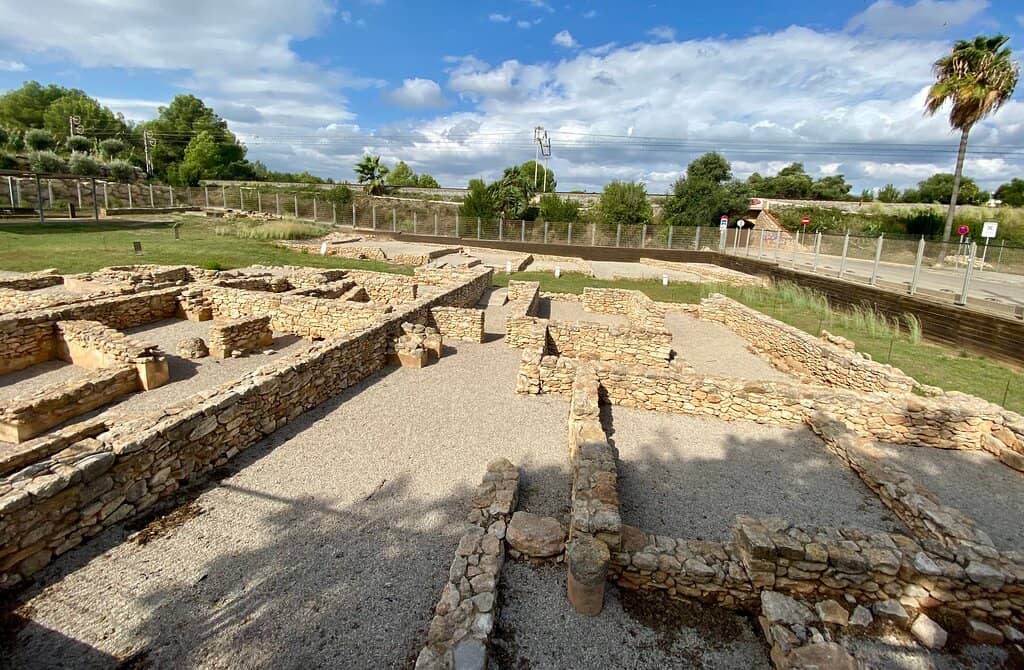
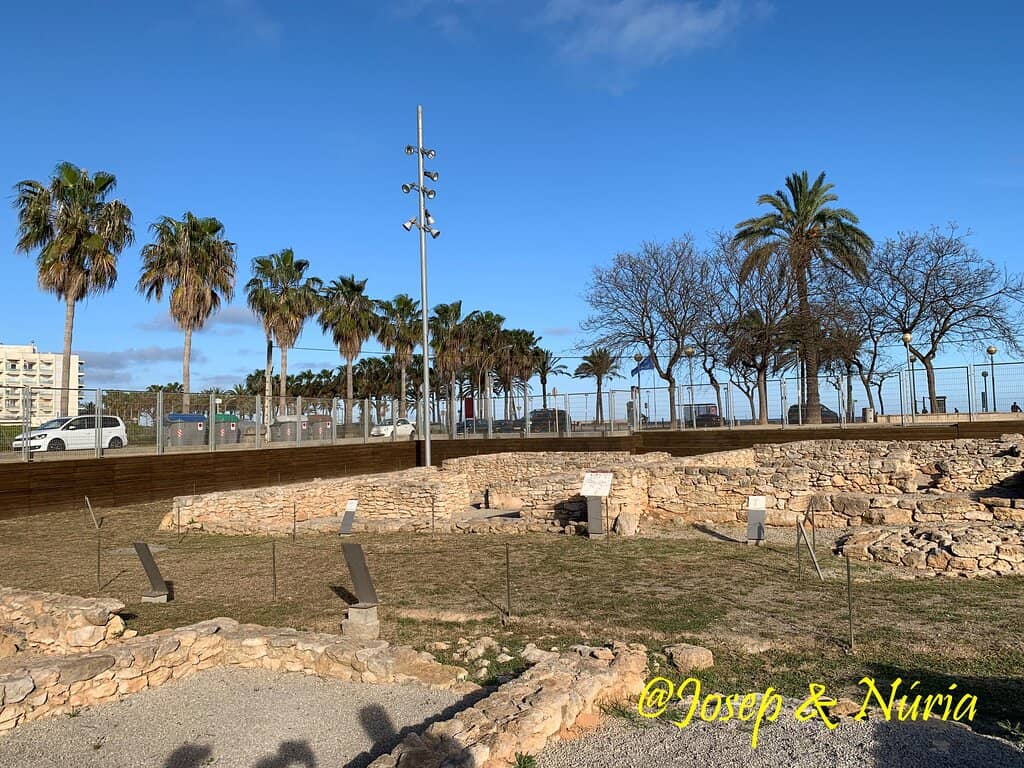
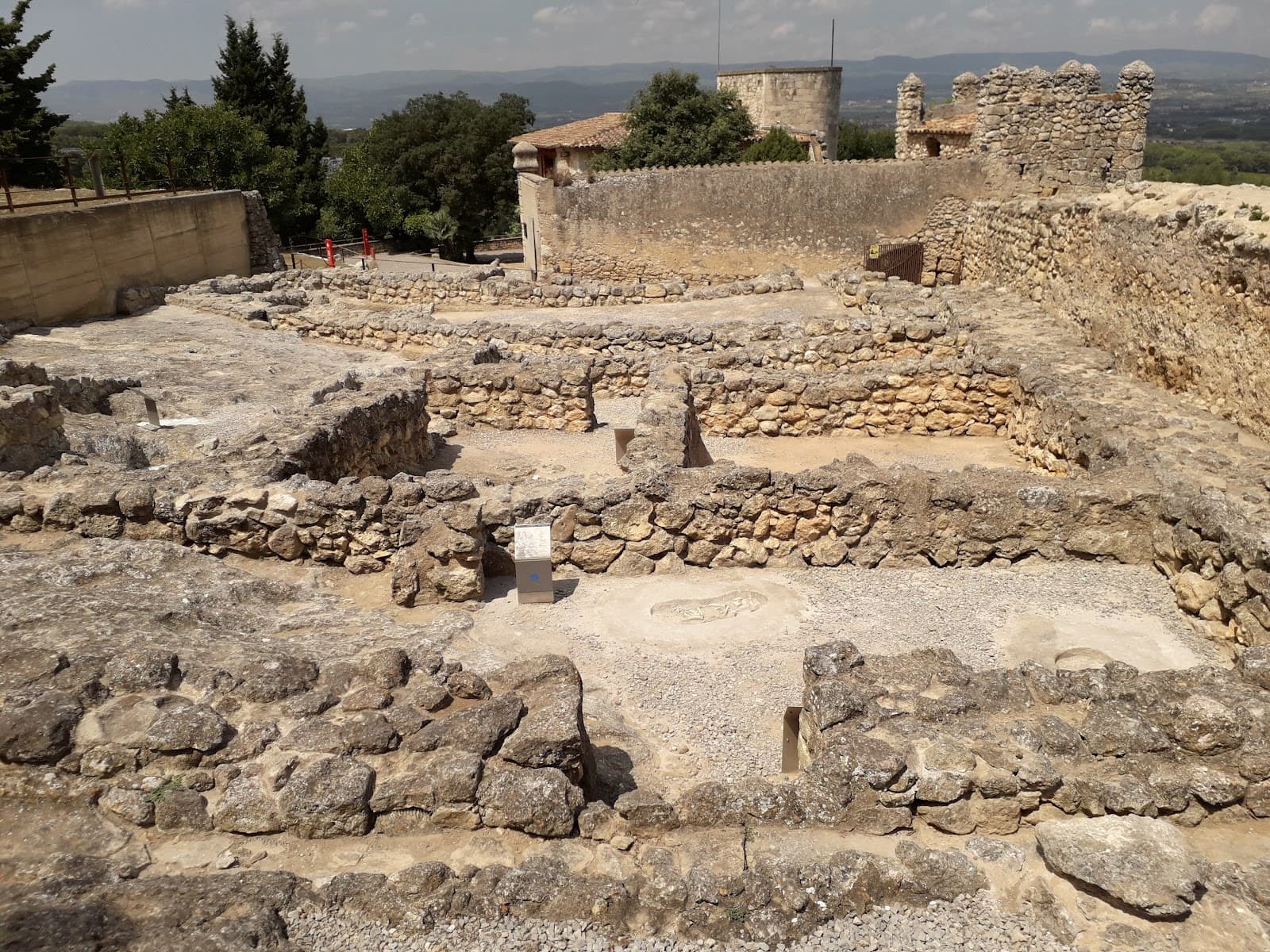
Explore the remains of an ancient artisanal district focused on iron production, with streets and buildings from the 2nd-1st centuries BC.
Roman Villa Remains
Adjacent to Iberian site
Discover the foundations of a significant Roman villa, occupied from around 50 BC to the 6th century AD.
Guided Tours with Archaeologists
Site entrance
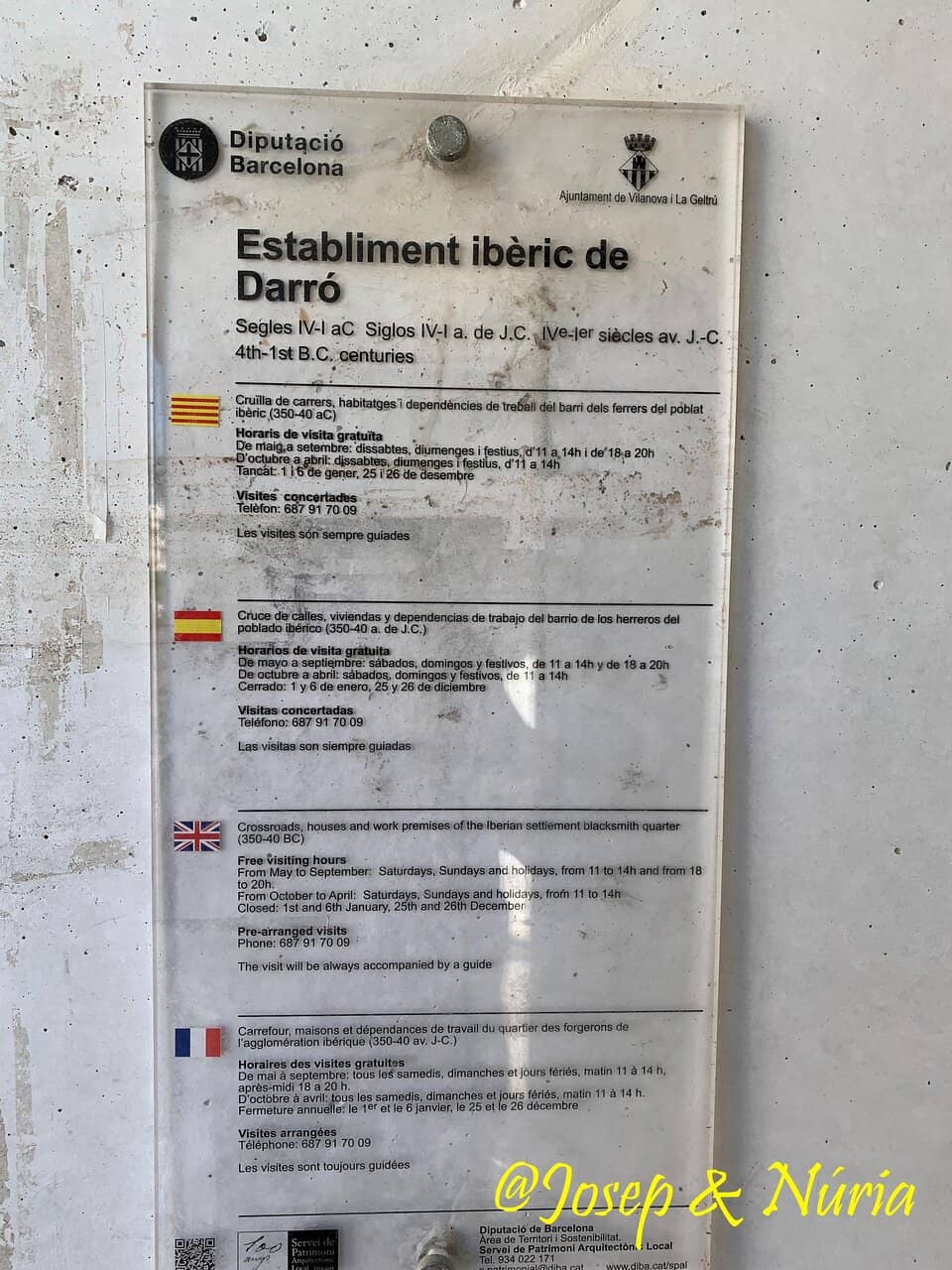
Experience a free, informative guided tour led by knowledgeable archaeologists who bring the history to life.
Plans like a pro.
Thinks like you
Planning Your Visit
Timing is Key for Access
Specialist Interest Site
Best Times
Insider Tips
from TikTok, Instagram & Reddit
🎯 Book a Guided Tour
Highly recommended! Archaeologists offer free, engaging tours that make the site come alive.
⏰ Check Opening Hours
The site is fenced and has set hours. Verify them before you go to avoid disappointment.
🧐 For History Buffs
Best appreciated by those interested in Iberian culture and ancient metallurgy.
📍 Location Insight
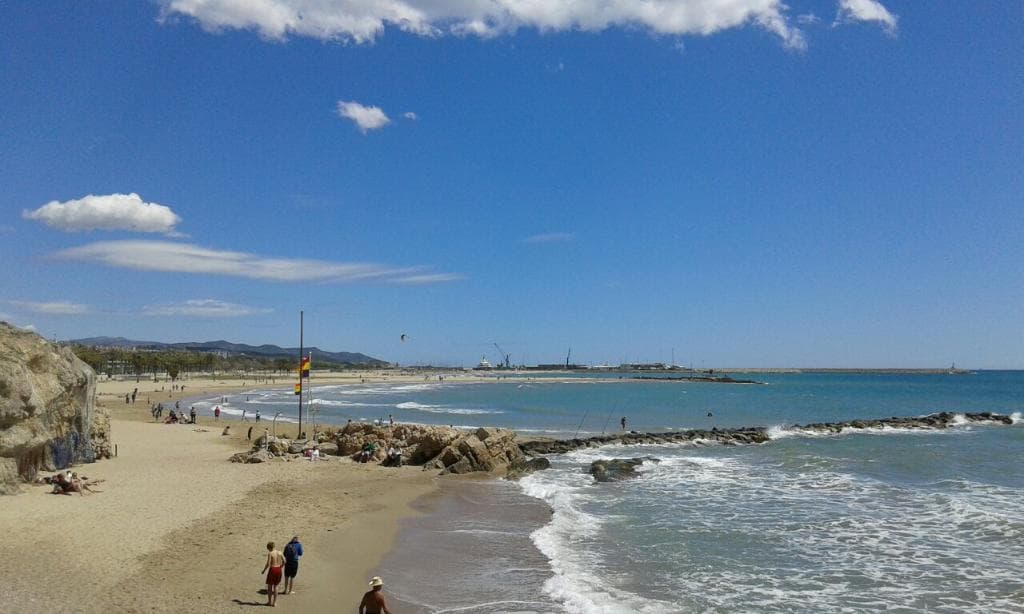
Find it at the end of the Ribes Roges promenade in Vilanova i la Geltrú.
Tips
from all over the internet
🎯 Book a Guided Tour
Highly recommended! Archaeologists offer free, engaging tours that make the site come alive.
⏰ Check Opening Hours
The site is fenced and has set hours. Verify them before you go to avoid disappointment.
🧐 For History Buffs
Best appreciated by those interested in Iberian culture and ancient metallurgy.
📍 Location Insight
Find it at the end of the Ribes Roges promenade in Vilanova i la Geltrú.
What Travellers Say
Reviews Summary
Adarró Iberian Site offers a fascinating look into ancient Iberian metalworking and Roman villa life, particularly appreciated by history enthusiasts. While some find it to be 'just a few stones,' the free guided tours by knowledgeable archaeologists are consistently praised for bringing the history to life. Visitors should be aware of the site's specific opening hours and fenced access.
"Just a few stones, not very interesting, except for specialists in Iberian culture..."
Frank Bergmann
"The Darró complex is located at the end of the Ribes Roges promenade in Vilanova i la Geltrú.
It comprises two archaeological sites that, in some places, overlap: an Iberian settlement, occupied between the mid-6th century and the mid-1st century BC, and a Roman villa, founded around 50 BC and abandoned in at least the 6th century AD. The Iberian settlement, which occupies the Sant Gervasi hill and a good part of the coastal plain along the Ribes Roges beach, was one of the most important in the Cosset area and the villa gradually gained momentum, until it became one of the most remarkable in the ager tarraconensis during the Late Roman Empire.
Currently, part of the Iberian ruins located at the foot of the hill can be visited, basically corresponding to an artisanal district that had the greatest activity in the 2nd and 1st centuries BC. In the middle of the village there is a main dirt street, with stone sidewalks and porches, on both sides of which a series of buildings are grouped.
The facilities were mainly dedicated to obtaining iron, based on a process of reducing the mineral in furnaces. In these buildings, the ground floor would be dedicated to artisanal activity and the first floor would be where the domestic facilities would be located. The metallurgical process required the use of water that was extracted from open wells within the buildings themselves, or was stored in tanks.
A highly recommended visit."
Montserrat Hernandez
"Remains of an Iberian metalworking village and, right next door, the remains of an ancient Roman villa. Free guided tour by Joan, an attentive and friendly archaeologist who not only offers his knowledge in an educational way, but also provides a friendly and informative tour guide."
jose catalan
What People Like
What People Dislike
Frequently Asked Questions
🚇 🗺️ Getting There
The Adarró Iberian Site is located at the end of the Ribes Roges promenade in Vilanova i la Geltrú. It's accessible by car and public transport within the town. Parking might be available nearby, but it's advisable to check local parking regulations.
Yes, it's situated at a prominent location along the promenade, making it relatively easy to locate. Look for signage indicating the archaeological site.
Yes, if you are in Vilanova i la Geltrú, you can likely reach the site by local bus or even a pleasant walk along the promenade, depending on your starting point.
🎫 🎫 Tickets & Entry
The site often offers free guided tours, suggesting that general admission might also be free or very low cost. It's best to confirm current pricing on their official channels or upon arrival.
The site has specific opening hours, particularly on Saturdays, Sundays, and public holidays, often with morning and afternoon slots during summer. It's crucial to check the latest schedule as it can vary.
While not always explicitly stated, booking in advance might be beneficial, especially if you want to secure a spot on a guided tour. Some visitors suggest the site can be fenced, implying controlled access.
No, the site is typically fenced and has set opening hours. Visitors are advised to adhere to these times for access.
🎫 🧭 Onsite Experience
You can explore the remains of an Iberian settlement, including an artisanal district focused on iron production, and the adjacent Roman villa. Key features include ancient streets, buildings, and evidence of metallurgical processes. +1
Yes, free guided tours are highly recommended. Archaeologists provide detailed and friendly explanations of the site's history and significance.
While children can visit, the site's appeal might be greater for adults and older children with an interest in history, archaeology, and ancient cultures. The 'just a few stones' description suggests it might not hold younger children's attention for long.
A visit, especially with a guided tour, could take around 1-2 hours. If you're exploring independently, it might be shorter, depending on your level of interest.
The site features remains from the Iberian period (mid-6th to mid-1st century BC) and the Roman period (founded around 50 BC, abandoned by the 6th century AD).
📸 📸 Photography
Generally, personal photography is allowed at archaeological sites for non-commercial purposes. Be mindful of any specific rules posted at the entrance.
Focus on the ancient street layouts, the stone structures of the buildings, and any visible remnants of the iron furnaces. The contrast between the ruins and the surrounding landscape can also be picturesque.

Drone usage is typically restricted at historical and archaeological sites due to preservation concerns and privacy. Always check local regulations before flying a drone.
Social
from TikTok, Instagram & Reddit