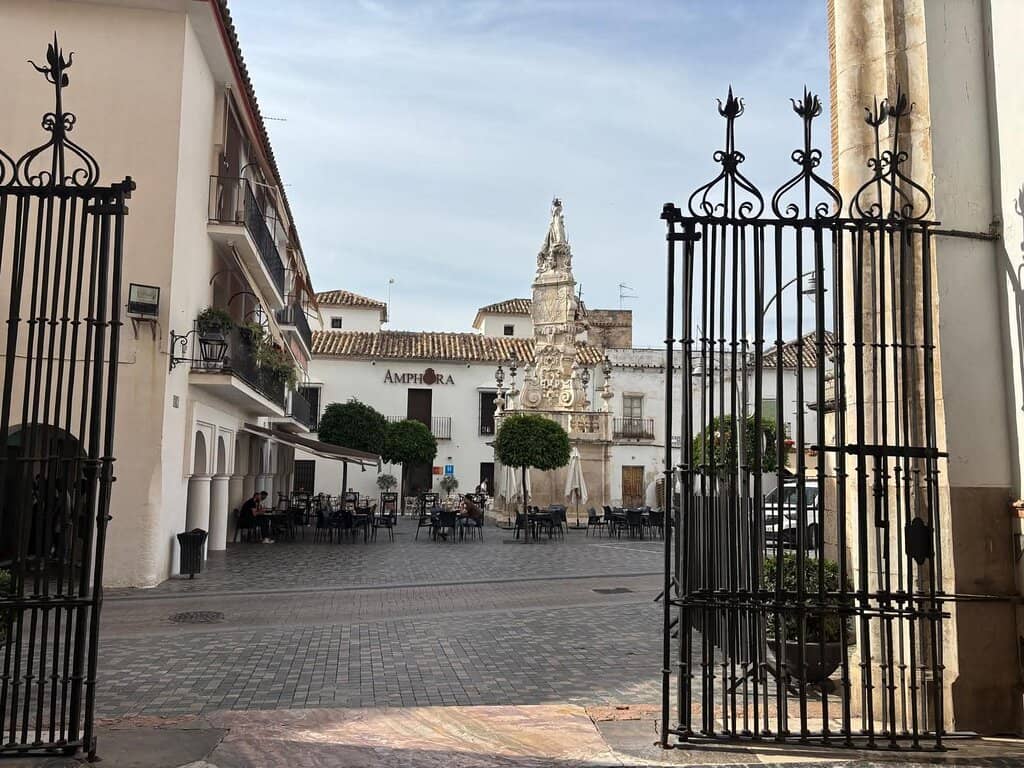
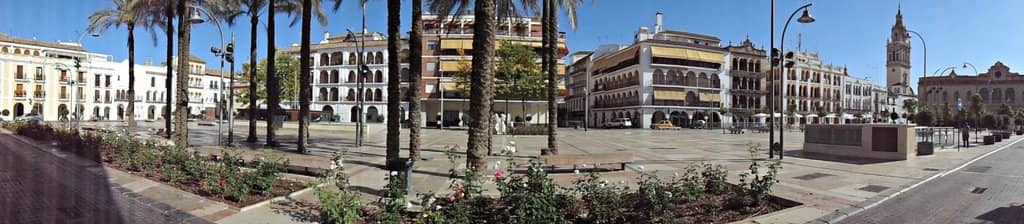
Plaza de Santa María
A historic plaza featuring an 18th-century church with a Giralda-inspired tower and a rich collection of sacred art.
Highlights
Must-see attractions

Social
From TikTok & Reddit
Best Time
Fewer crowds, peaceful atmosphere
Plaza de Santa María
Best Time
Fewer crowds, peaceful atmosphere
Highlights
Must-see attractions
A historic plaza featuring an 18th-century church with a Giralda-inspired tower and a rich collection of sacred art.
"How beautiful! Especially the chapel."
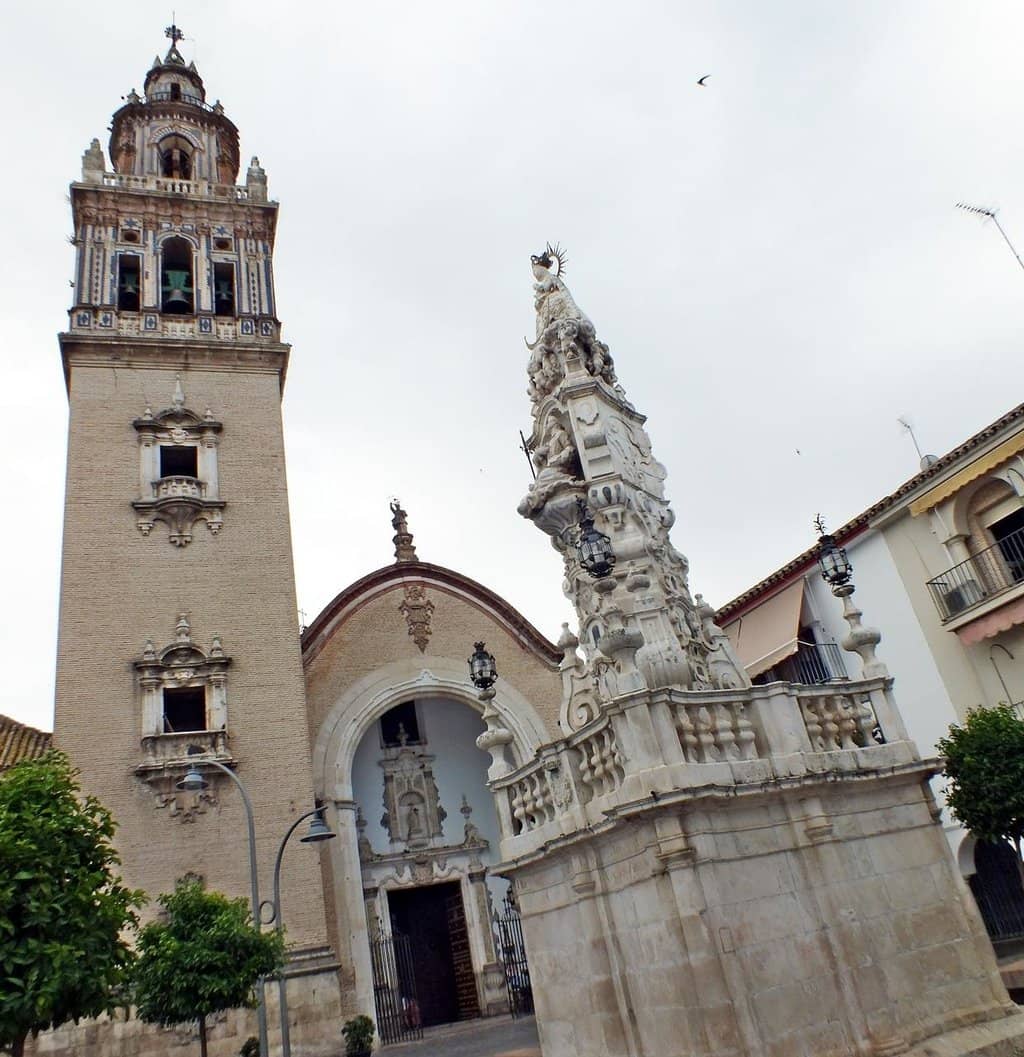
📸 Capture the Tower's Charm
Don't miss photographing the tower, a striking resemblance to Seville's Giralda! :camerawithflash:
🙏 Respect Sacred Spaces
Remember this is an active place of worship. Dress modestly and maintain a quiet demeanor inside. :pray:
Highlights
Discover the most iconic attractions and experiences
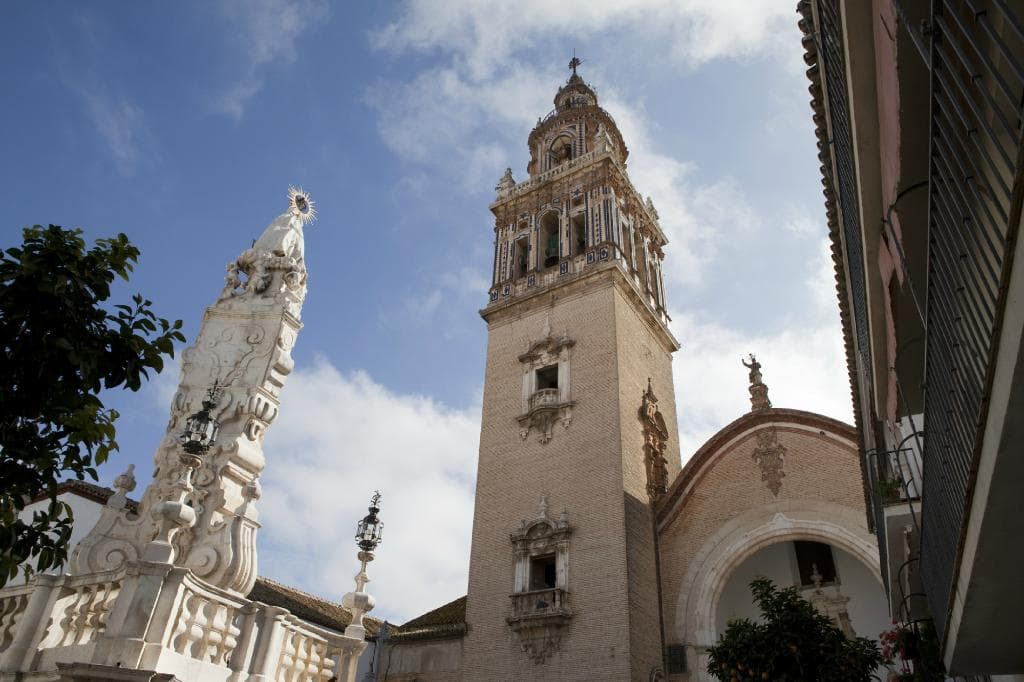
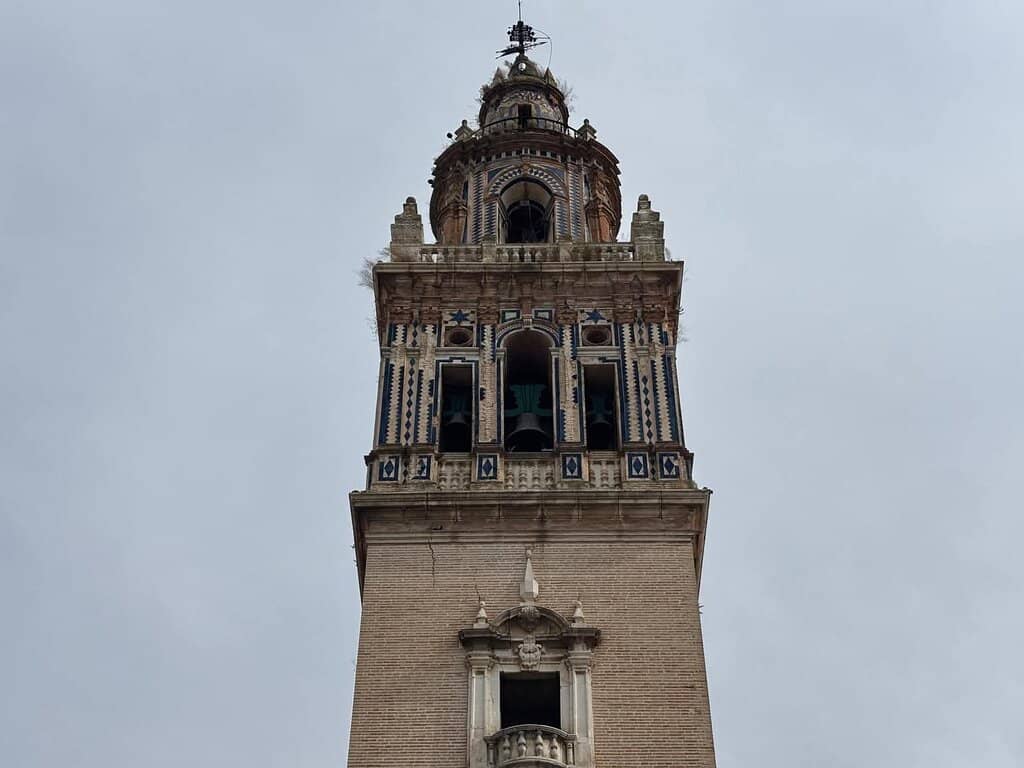
The Giralda-esque Tower
Facade
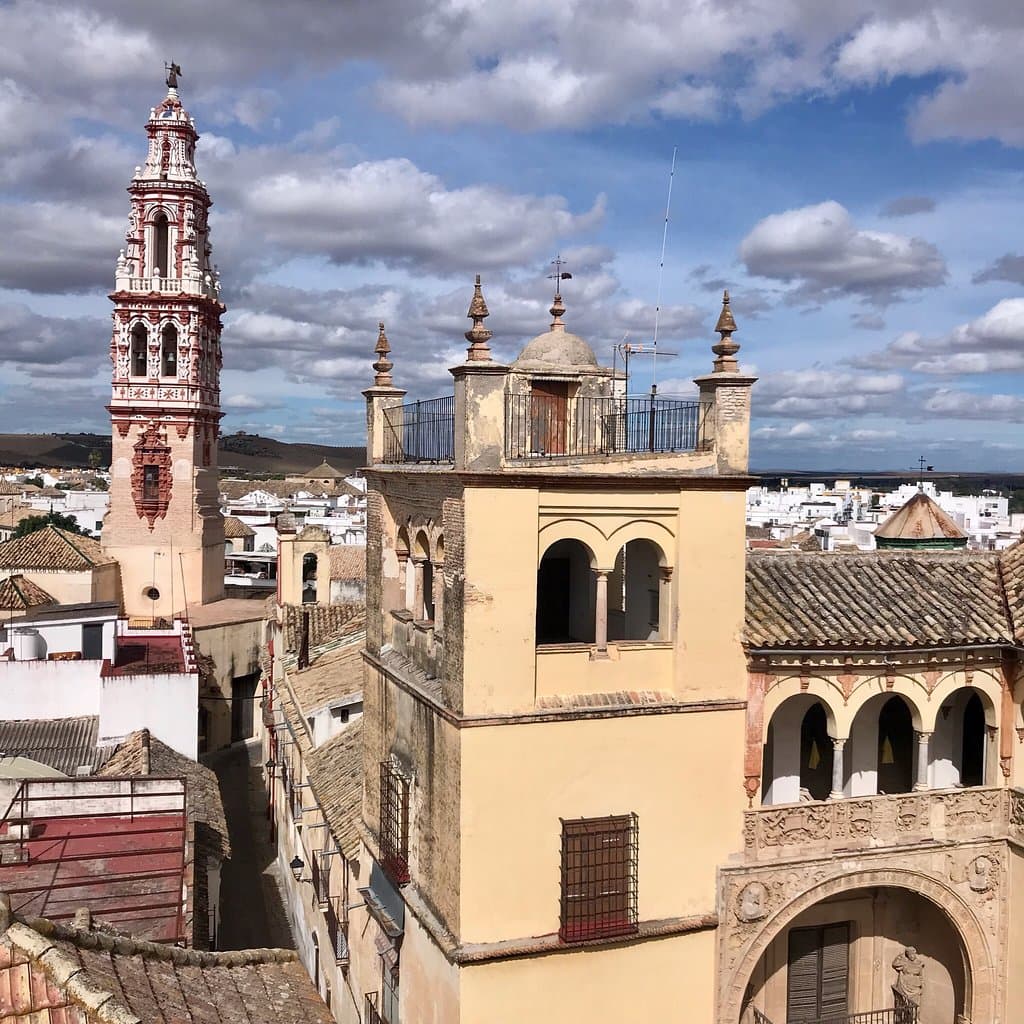
An impressive tower, strikingly similar to Seville's Giralda, offering a unique architectural landmark.
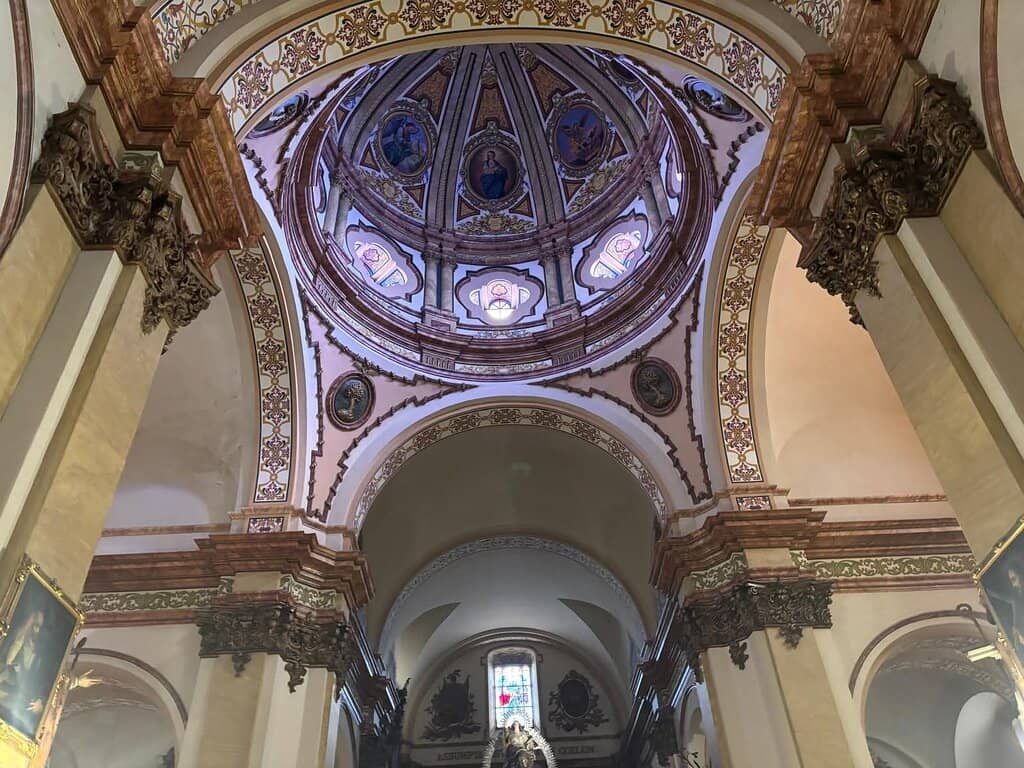
Chapel of the Virgin of Pilar
Interior
A truly marvelous space housing the revered image of the Virgin of Pilar, a highlight for many visitors.
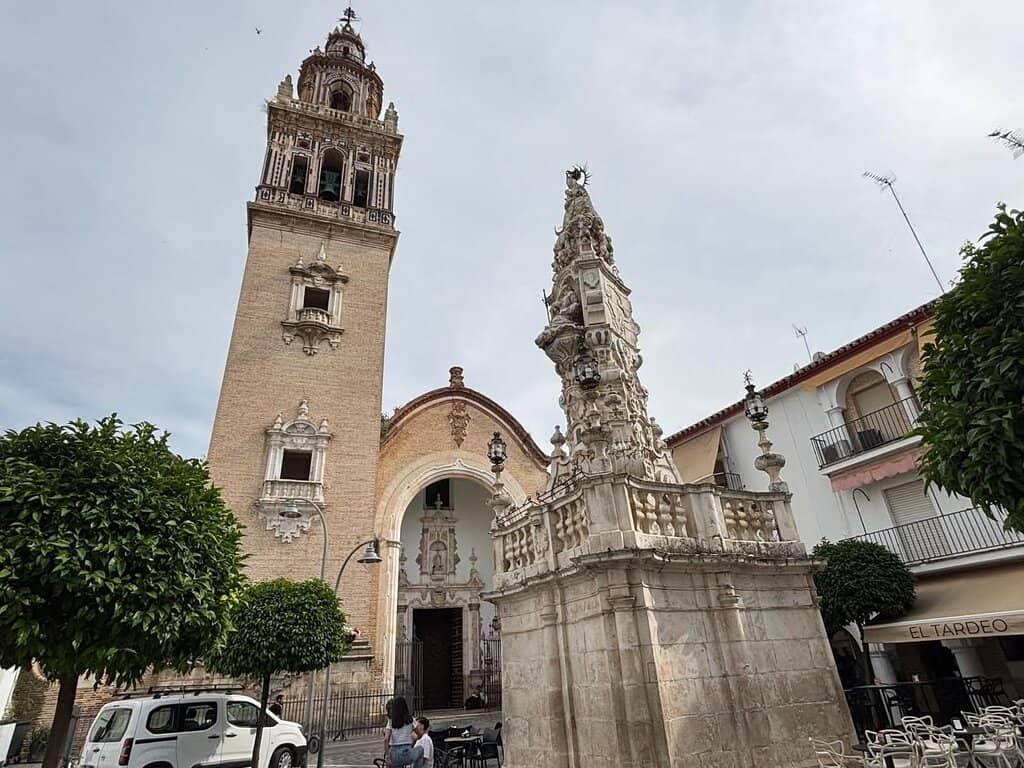
Rococo High Altarpiece
Main Chapel
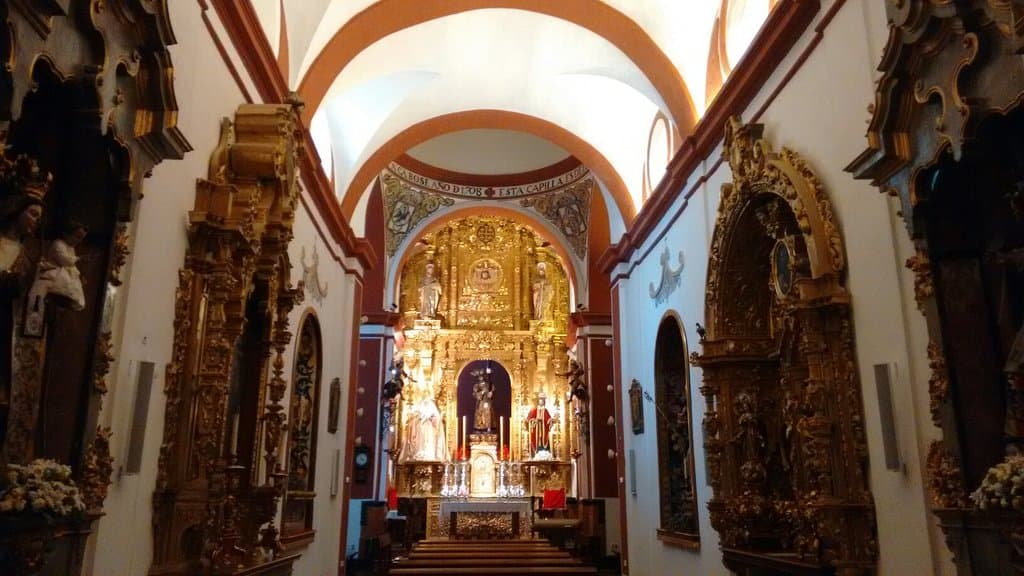
A stunning Rococo altarpiece featuring an interesting 1575 panel painting of the Virgin of Antigua.
Collection of Sacred Art
Sacristy and Aisles
Discover a rich collection including choir books, vestments, goldsmith objects, and a 16th-century crucifix.
Plans like a pro.
Thinks like you
Planning Your Visit
Timing Your Visit
Exploring the Sacred Art
Best Times
Insider Tips
from TikTok, Instagram & Reddit
📸 Capture the Tower's Charm
Don't miss photographing the tower, a striking resemblance to Seville's Giralda! :camerawithflash:
🙏 Respect Sacred Spaces
Remember this is an active place of worship. Dress modestly and maintain a quiet demeanor inside. :pray:
🕰️ Allow ample exploration time
With its art and history, dedicate at least 1-2 hours to truly appreciate everything. :clock1:
✨ Seek out the Chapel
The Chapel of the Virgin of Pilar is described as truly marvelous and a must-see. :sparkles:
Tips
from all over the internet
📸 Capture the Tower's Charm
Don't miss photographing the tower, a striking resemblance to Seville's Giralda! :camerawithflash:
🙏 Respect Sacred Spaces
Remember this is an active place of worship. Dress modestly and maintain a quiet demeanor inside. :pray:
🕰️ Allow ample exploration time
With its art and history, dedicate at least 1-2 hours to truly appreciate everything. :clock1:
✨ Seek out the Chapel
The Chapel of the Virgin of Pilar is described as truly marvelous and a must-see. :sparkles:
What Travellers Say
Reviews Summary
Visitors consistently praise the beauty of the church, particularly its authentic altarpiece and well-kept chapels. The architectural resemblance of the tower to Seville's Giralda is a frequent point of admiration, as is the significant collection of sacred art housed within. Some note the historical depth, stemming from its 18th-century origins on a site destroyed by earthquake.
"How beautiful! Especially the chapel.
The building dates from the 18th century and was built on the site of an old 16th and 17th-century Mudejar church destroyed in 1755 by the Lisbon earthquake. However, its current appearance is neoclassical thanks to its rebuilder, José Álvarez.
Inside, the profuse decorative work stands out, both sculptural and pictorial, on the altarpieces and walls. Particularly noteworthy are the Rococo high altarpiece with the interesting panel painting of the Virgin of the Ancient, from 1575; the choir stalls; and two altarpieces in the right aisle that house a life-size crucifix from the 16th century.
This church houses an important collection of sacred art, such as the sacristy chest of drawers, the abundant and rich religious vestments, the important collection of choir books, and numerous goldsmith objects.
Next to the tacas room and the left nave is the church courtyard, whose galleries contain a collection of prehistoric, Roman, and Arab archaeological remains.
Of interest is the pulpit, which has been preserved since Saint John of Ávila preached here.
To one side of the façade is the tower, which closely resembles the Giralda tower in Seville.
But if there is anything truly marvelous, it is the Chapel of the Virgin of Pilar, whose image was saved and now occupies one of the most beautiful spaces within the church."
Tabita Fernandes
"Beautiful baroque church near the square with a very authentic altarpiece and small, well-kept chapels."
Andres Vol
"The building dates from the 18th century and was built on the site of a former Mudéjar temple from the 16th and 17th centuries, destroyed by the Lisbon earthquake. The hall church has a three-aisled layout, covered by groin vaults, and a main chapel with a barrel vault. Its Rococo altarpiece is particularly noteworthy, featuring an interesting panel painting of the Virgin of Antigua from around 1575. The tower rises to one side of the façade. Clearly inspired by the Giralda, it has two square sections and a cylindrical spire, and underwent renovations after losing its bell tower in the aforementioned 1755 earthquake."
Katy
What People Like
What People Dislike
Frequently Asked Questions
🚇 🗺️ Getting There
Plaza de Santa María is typically located in a town center, making it accessible by local transport or a short walk if you're already in the vicinity. If arriving by car, look for nearby public parking. Specific directions will depend on your starting point, but it's often a central landmark.
Parking availability can vary. It's advisable to look for designated public parking areas in the town center. Street parking might be limited, especially during peak hours or local events.
Yes, if Plaza de Santa María is a central plaza in a town or city, it's usually well-served by local bus routes. Check local public transport schedules for the most convenient options.
🎫 🎫 Tickets & Entry
Plaza de Santa María itself is a public square and generally free to access. The church within the plaza may have specific visiting hours and potentially a small entry fee or donation request, especially for certain areas like museums or chapels.
Opening hours for the church can vary. It's best to check locally or look for signs posted at the entrance. Many churches have specific hours for worship and may close for a period in the afternoon.
While the plaza is free, access to specific art collections or museums within the church complex might incur a fee. It's recommended to inquire on-site or check official websites for current pricing.
Generally, yes, churches are open for visitors outside of mass times, though there might be specific visiting hours. It's always respectful to be mindful of ongoing services.
📸 📸 Photography
Photography rules can differ. Many churches allow photography without flash, but it's crucial to check for signage or ask a church official. Some areas, like the altar or specific chapels, might have restrictions.
The tower, reminiscent of the Giralda, is a prime photo opportunity. Inside, the Rococo altarpiece and the Chapel of the Virgin of Pilar are highly photogenic. The courtyard with archaeological remains also offers unique shots.
Drone usage is typically restricted in and around religious sites and public squares due to privacy and safety regulations. Always check local drone laws before flying.
Late afternoons often provide beautiful golden hour light, enhancing the architecture. Weekday mornings can offer fewer people, making it easier to capture unobstructed shots.
🎫 🏛️ Onsite Experience
You can admire the Giralda-inspired tower, explore the beautiful Rococo altarpiece, visit the Chapel of the Virgin of Pilar, and view a significant collection of sacred art, including choir books and vestments. The church courtyard also holds archaeological finds. +1
Accessibility can vary. Older buildings may have limitations. It's advisable to contact the venue directly to inquire about ramps, elevators, and accessible restrooms.
Guided tours might be available, especially for the art collections and historical aspects. Inquire at the church or local tourist information centers for details and schedules.
The current church dates from the 18th century, built on the site of an older Mudejar church destroyed by an earthquake. It showcases neoclassical architecture and houses significant sacred art and historical artifacts, including a pulpit used by Saint John of Ávila.
The church features neoclassical elements, particularly in its rebuilding after the 1755 earthquake. However, it retains elements from its Mudejar predecessor and boasts a notable Rococo altarpiece.
For Different Travelers
Tailored advice for your travel style
👨👩👧 Families with Kids
Keep in mind that prolonged periods of quiet might be challenging for younger children. Consider focusing on the most visually striking elements like the altarpiece and the tower. If possible, look for any interactive exhibits or simpler explanations of the history that can be shared with kids. Visiting during less crowded times, like weekday mornings, will make the experience more relaxed for everyone.
🏛️ History Buffs
The extensive collection of sacred art, including 16th-century pieces and historical choir books, offers deep insights into religious and artistic traditions. Don't miss the archaeological remains in the courtyard, which add another dimension to the site's historical depth, spanning prehistoric, Roman, and Arab periods.
🎨 Art & Architecture Admirers
The collection of sacred art, including vestments and goldsmith objects, highlights the craftsmanship of different eras. The Chapel of the Virgin of Pilar is often cited as a particularly beautiful space, offering a serene environment to appreciate its artistic merit.
Deep Dives
In-depth insights and expert knowledge
Architectural Marvels and Historical Echoes
Internally, the church is a rich tapestry of artistic expression. The hall church design, with its three aisles covered by groin vaults, leads to a main chapel adorned with a barrel vault. The Rococo high altarpiece is a particular highlight, featuring an intriguing panel painting of the Virgin of Antigua, believed to date back to around 1575. The choir stalls also draw attention, as do two altarpieces in the right aisle housing a life-size crucifix from the 16th century. The very pulpit preserved here is significant, having been used by Saint John of Ávila, adding a layer of spiritual history to the physical space.
Beyond the main sanctuary, the church complex holds a remarkable collection of sacred art. This includes a sacristy chest of drawers, an abundant and rich collection of religious vestments, important choir books, and numerous goldsmith objects. The church courtyard, adjacent to the tacas room and left nave, offers a unique glimpse into the past with its galleries displaying a collection of prehistoric, Roman, and Arab archaeological remains. This juxtaposition of sacred art and ancient artifacts makes Plaza de Santa María a multifaceted historical and cultural site.
The Sacred Art Collection: A Spiritual Journey
Further exploration reveals other treasures. The choir stalls speak to the communal aspect of worship, while the altarpieces in the right aisle house a poignant life-size crucifix from the 16th century, a powerful symbol of Christian faith. The sacristy itself is a treasure trove, containing not only a beautiful chest of drawers but also an extensive and rich collection of religious vestments, each likely telling its own story of ceremonial use and craftsmanship. The important collection of choir books offers insight into the musical traditions of the church, and the numerous goldsmith objects showcase the skill and devotion of artisans who created items for divine service.
One of the most captivating spaces is the Chapel of the Virgin of Pilar. Described as truly marvelous, this chapel is a sanctuary within a sanctuary, where the image of the Virgin of Pilar, miraculously saved, now resides. Its beauty and spiritual significance make it a focal point for many visitors, offering a moment of quiet contemplation and reverence.

Social
from TikTok, Instagram & Reddit