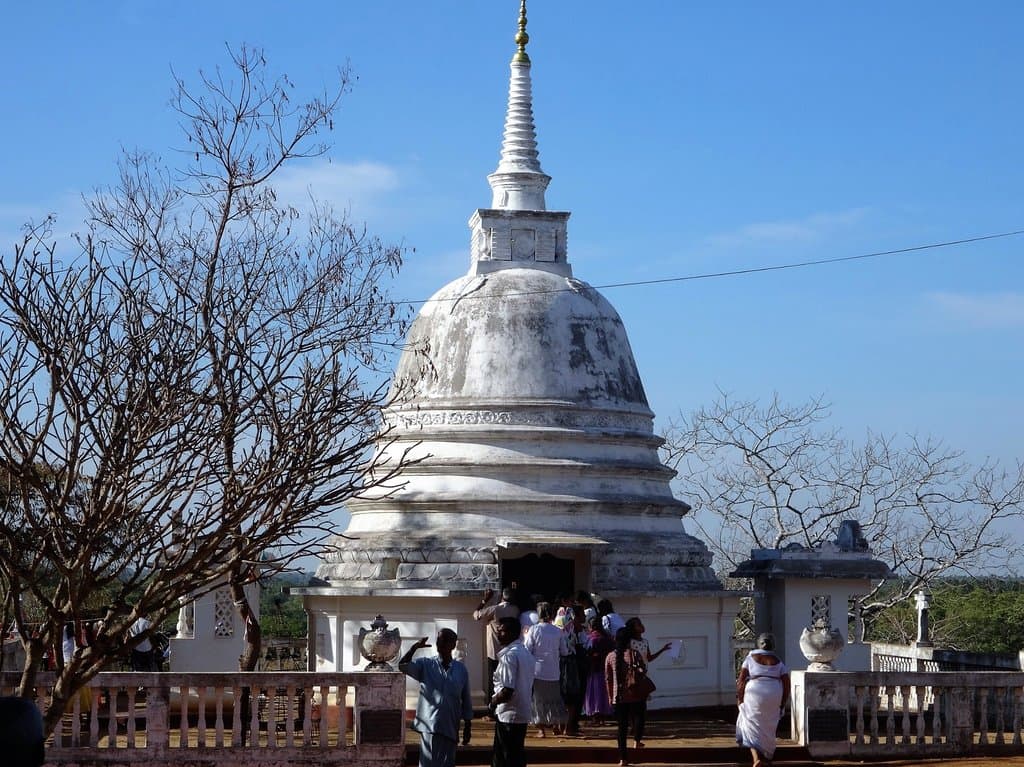
Lovamahapaya Brazen Palace
The remnants of a magnificent nine-story palace, Lovamahapaya's 1600 stone pillars stand as a testament to ancient Sri Lankan architectural prowess an...
Highlights
Must-see attractions

Social
From TikTok & Reddit
Best Time
Beat the heat and crowds
Lovamahapaya Brazen Palace
Best Time
Beat the heat and crowds
Highlights
Must-see attractions
The remnants of a magnificent nine-story palace, Lovamahapaya's 1600 stone pillars stand as a testament to ancient Sri Lankan architectural prowess and devotion.
"Standing among the ancient pillars of Lovamahapaya, you can truly feel the echoes of a glorious past."
🚶♀️ Wear Comfortable Shoes
You'll be walking on uneven ground among ancient pillars. Good footwear is essential for exploring the site comfortably.
👗 Dress Modestly
Cover shoulders and knees out of respect for this sacred site. Light, breathable clothing is recommended.
Quick Facts
Rating
4.9 · 82 reviews
Type
Historical Landmark
Highlights
Discover the most iconic attractions and experiences
The Thousand Pillars
Main grounds
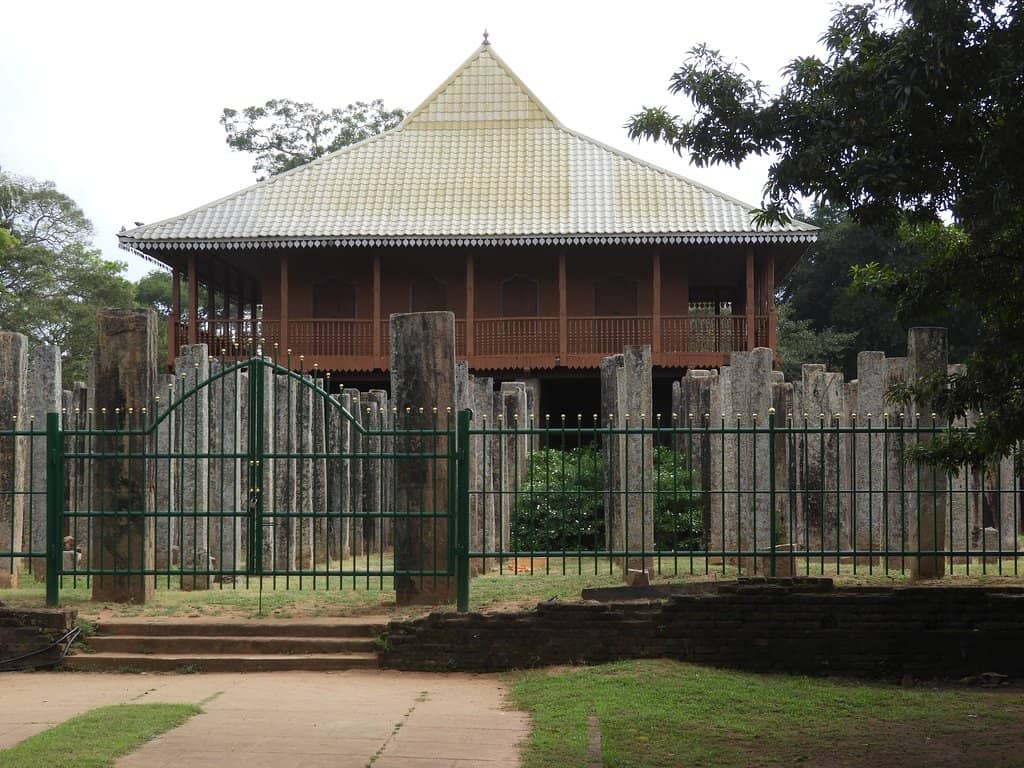
Rows of ancient stone pillars, remnants of a grand nine-story palace, evoke a sense of awe and history.
Architectural Footprint
Grounds
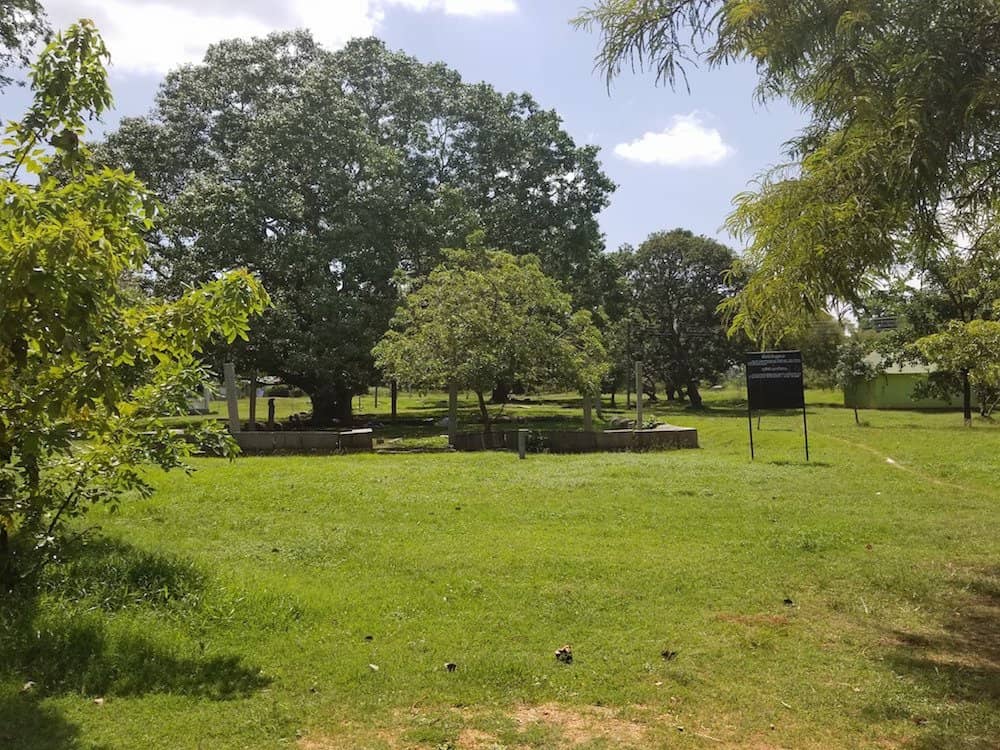
Visualize the immense scale of the original Brazen Palace, once the tallest building in Sri Lanka.
Sacred Proximity
Between Jaya Sri Maha Bodhi and Ruwanweliseya
Its location between two of Sri Lanka's most sacred sites highlights its historical and religious importance.
Plans like a pro.
Thinks like you
Planning Your Visit
Respectful Attire is Key
Timing Your Visit for Serenity
Best Times
Insider Tips
from TikTok, Instagram & Reddit
🚶♀️ Wear Comfortable Shoes
You'll be walking on uneven ground among ancient pillars. Good footwear is essential for exploring the site comfortably.
👗 Dress Modestly
Cover shoulders and knees out of respect for this sacred site. Light, breathable clothing is recommended.
💧 Stay Hydrated
Sri Lanka can be hot and humid. Carry plenty of water, especially if visiting during the warmer parts of the day.
📸 Capture the Scale
Use wide-angle shots to convey the vastness of the pillar arrangements and the historical significance.
Tips
from all over the internet
🚶♀️ Wear Comfortable Shoes
You'll be walking on uneven ground among ancient pillars. Good footwear is essential for exploring the site comfortably.
👗 Dress Modestly
Cover shoulders and knees out of respect for this sacred site. Light, breathable clothing is recommended.
💧 Stay Hydrated
Sri Lanka can be hot and humid. Carry plenty of water, especially if visiting during the warmer parts of the day.
📸 Capture the Scale
Use wide-angle shots to convey the vastness of the pillar arrangements and the historical significance.
🗺️ Combine with Nearby Sites
Lovamahapaya is ideally visited alongside the Ruwanweliseya Stupa and Jaya Sri Maha Bodhi for a complete experience.
What Travellers Say
Reviews Summary
Visitors are impressed by the sheer scale of the remaining stone pillars at Lovamahapaya, which offer a powerful glimpse into the grandeur of ancient Sri Lankan architecture. Its historical significance and location within the sacred city are highly appreciated, though some note that only pillars remain, requiring imagination to envision the original palace.
"Lovamahapaya (Brazen Palace), located in Anuradhapura, Sri Lanka, was built by the great King Dutugemunu. According to historical records, the original structure was an architectural masterpiece, rising nine stories high and containing about 1,000 chambers that served as residences for Buddhist monks. It stands between two of Anuradhapura’s most sacred landmarks — the Jaya Sri Maha Bodhi and the Ruwanweliseya Stupa — making it an important site of both religious and historical significance."
Lakmal Munasinghe
"Lovamahapaya is an impressive and historically important site in Anuradhapura. Though only the stone pillars remain today, you can still imagine the grandeur of the ancient Brazen Palace that once stood here. The scale of the ruins is remarkable, and it gives a real sense of the architectural brilliance and cultural significance of ancient Sri Lanka. A must-see for anyone interested in history and heritage"
Janaka Neranjan
"Historical Significance of Lovamahapaya
Origins and Construction
Built by King Dutugemunu (161–137 BCE), Lovamahapaya was an extraordinary religious structure, constructed as part of his ambitious building campaign
It served as an Uposathaghara (chapter house) and a refectory, hosting important monastic gatherings and rituals
The architectural design was monumental: nine stories tall, spanning about 120 meters (400 feet) on each side, supported by 1600 stone pillars arranged in a 40×40 grid
The roof, famously, was covered in bronze tiles, giving rise to its names “Lovamahapaya” (Great Palace) and the “Brazen Palace” or “Loha Pasada”
Religious & Cultural Importance
Serving as a hub for the Maha Vihara monastic order, the building wasn’t just a meeting place but also a center for meditation, study, and administration
Its creation symbolized the close alliance of kingly authority and Buddhism, reinforcing the religious legitimacy of the reign of King Dutugemunu
From 155 BCE until approximately 993 CE, Lovamahapaya remained the tallest building in Sri Lanka, maintaining that status for over a millennium even as taller stupas like Jetavanaramaya and Abhayagiriya were constructed
Destruction, Restoration & Later History
Initial destruction occurred during King Saddhathissa’s reign (137–119 BCE) due to a fire—possibly from an oil lamp—after which he rebuilt it, albeit with seven stories instead of nine
Over the centuries, several rulers—Bhatikabhaya, Amandagamini, Siri Naga I, Gotabhaya, Jetthatissa I, and others—undertook restorations, sometimes scaling it down in height
During King Mahasena’s reign, following a schism with the monks of Maha Vihara, Lovamahapaya was dismantled and its materials repurposed for the Abhayagiriya monastery
The site's final downfall came during the Chola invasions in the late 10th or early 11th century, which left the structure in ruins
The stone pillars that stand today date from a 12th-century restoration by King Parakramabahu I, which is what we see preserved
Present-Day Legacy
Today, all that remains of this awe-inspiring structure are the rows of 1600 stone pillars, many about 12 feet tall, laid out across the original footprint
A modern Uposatha building now stands at the center, continuing the site's ritual significance as the chapter house for the Maha Vihara monastery
Lovamahapaya is one of the “Atamasthana”—the eight sacred sites in Anuradhapura, visited by the Buddha during his legendary three visits to Sri Lanka
In Summary
Lovamahapaya embodies centuries of Sri Lankan history, from its grand origin as a towering monastic complex to its later restorations and eventual ruin. Its enduring pillars evoke the architectural prowess, devotional spirit, and cultural resilience of the Anuradhapura period. Even today, the site remains a sacred and evocative space, bridging the past and present in Sri Lanka’s Buddhist heritage.
Let me know if you'd like a timeline summary, architectural diagrams, or connections to other Anuradhapura monuments!"
Shaluka Karunarathna
What People Like
What People Dislike
Frequently Asked Questions
🚇 🗺️ Getting There
Lovamahapaya is located within the Sacred City of Anuradhapura. You can hire a tuk-tuk or taxi from Anuradhapura town to reach the site. Many visitors combine it with visits to the Ruwanweliseya Stupa and Jaya Sri Maha Bodhi, which are nearby.
There are designated parking areas for vehicles and tuk-tuks near the main Anuradhapura sacred sites, including Lovamahapaya. Parking is generally straightforward.
Yes, Lovamahapaya is situated between the Jaya Sri Maha Bodhi and the Ruwanweliseya Stupa, making it walkable between these major attractions. However, the entire Sacred City is quite spread out, so a tuk-tuk might be useful for longer distances.
Many travelers opt for tuk-tuks to navigate the vast Anuradhapura ancient city, allowing flexibility to visit multiple sites like Lovamahapaya. Bicycles are also a popular and eco-friendly option for exploring.
While not always advertised, local guides can often be hired at the entrance to the Sacred City or near major sites like Lovamahapaya. They can provide historical context and stories.
🎫 🎫 Tickets & Entry
Yes, a ticket is required to enter the Anuradhapura Sacred City, which includes Lovamahapaya. Tickets can be purchased at the main ticket office near the entrance to the sacred zone.
The Anuradhapura Sacred City, including Lovamahapaya, is generally open from early morning until late evening. Specific hours can vary, so it's best to check locally or at the ticket office.
The entrance fee is for the entire Anuradhapura Sacred City. Prices can change, but it's advisable to budget for the ticket, which covers multiple historical sites.
While the site is accessible during daylight hours, visiting in the early morning or late afternoon is recommended to avoid the midday sun and larger crowds.
Photography is generally allowed at Lovamahapaya, but always be respectful. Avoid taking photos of people without their permission and refrain from using flash inside any structures if applicable.
🎫 🧭 Onsite Experience
Today, Lovamahapaya is primarily known for its impressive rows of ancient stone pillars, which are the only remaining structures of the once magnificent nine-story Brazen Palace.
You can spend anywhere from 30 minutes to an hour exploring the pillar grounds and imagining the grandeur of the ancient palace. It's often visited as part of a larger tour of Anuradhapura's sacred sites.
These pillars are the foundation of the original Lovamahapaya, which was a massive monastic complex. They represent the architectural prowess of ancient Sri Lanka and the scale of the religious structures built.
The grounds are largely uneven and consist of ancient ruins, so wheelchair accessibility may be limited. Visitors should be prepared for walking on rough terrain.
Local guides can sometimes be found near the major Anuradhapura sites, including Lovamahapaya. They can offer insights into the history and significance of the ruins.
📸 📸 Photography
The rows of stone pillars offer fantastic photographic opportunities. Try capturing them from different angles, especially during sunrise or sunset for dramatic lighting.
Early morning or late afternoon provides the best light for photography, with softer shadows and a more atmospheric feel. It also helps avoid harsh midday sun.
Drone usage is often restricted in and around sacred sites and historical monuments in Sri Lanka. It's best to check local regulations before flying a drone.
A wide-angle lens is great for capturing the scale of the pillar grounds. A standard zoom lens is versatile for general shots. Consider a tripod for low-light conditions.
Focus on the intricate carvings on some of the pillars, the patterns formed by the rows of stones, and the contrast between the ancient ruins and the surrounding landscape.




Social
from TikTok, Instagram & Reddit