Mahapali Alms Hall
Explore the Mahapali Alms Hall, an ancient marvel of engineering and history in Anuradhapura, featuring a deep well and massive rice trough.
Highlights
Must-see attractions

Social
From TikTok & Reddit
Best Time
Beat the heat and crowds
Mahapali Alms Hall
Best Time
Beat the heat and crowds
Highlights
Must-see attractions
Explore the Mahapali Alms Hall, an ancient marvel of engineering and history in Anuradhapura, featuring a deep well and massive rice trough.
"An amazing engineering construction, still the well is full of water after centuries!"

Wear Comfortable Shoes
You'll be walking on ancient ruins and uneven ground. :athletic_shoe:
Stay Hydrated
Sri Lanka can be hot and humid. Carry plenty of water. :droplet:
Highlights
Discover the most iconic attractions and experiences
The Deep Well
Mahapali Alms Hall
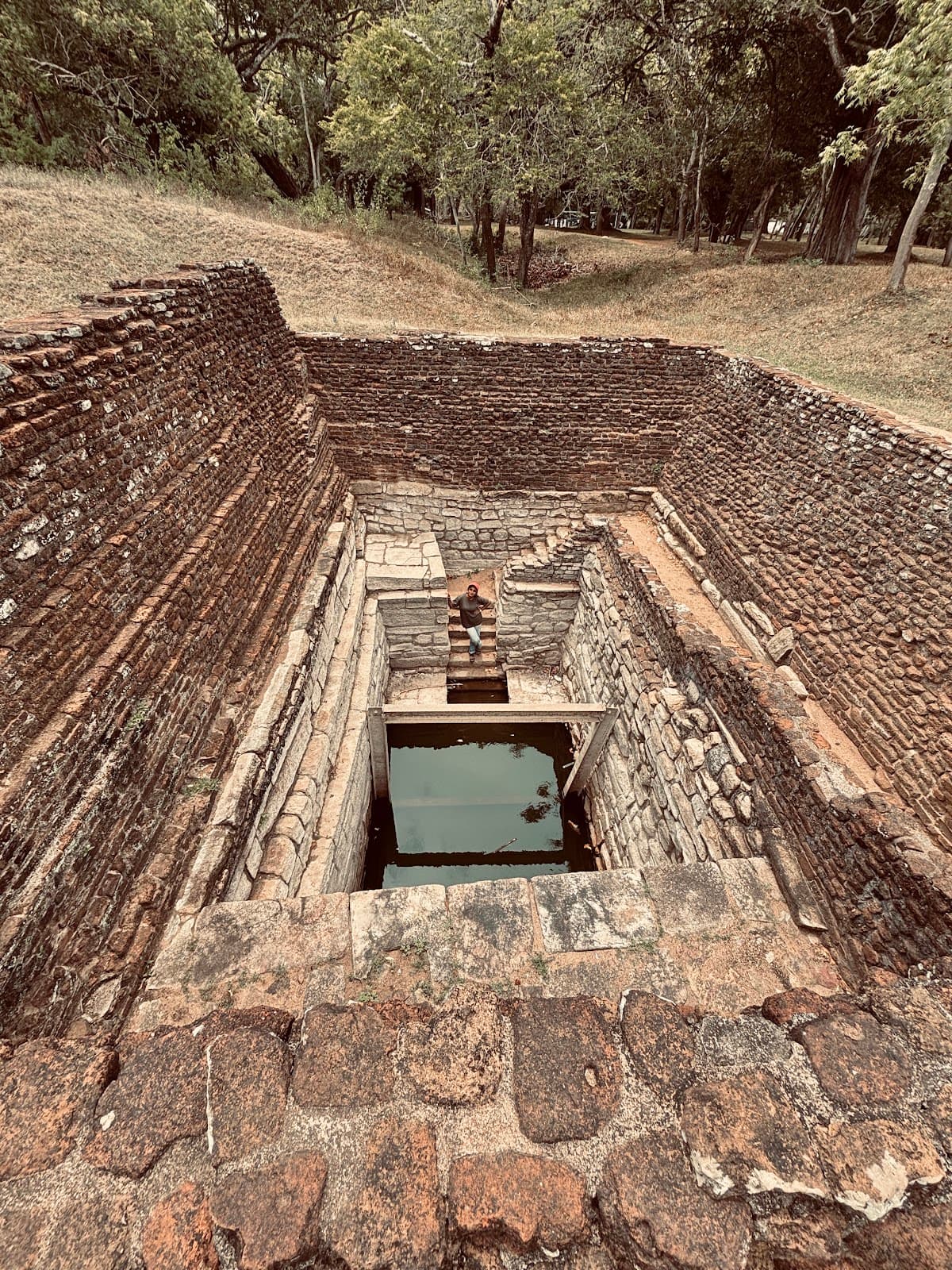
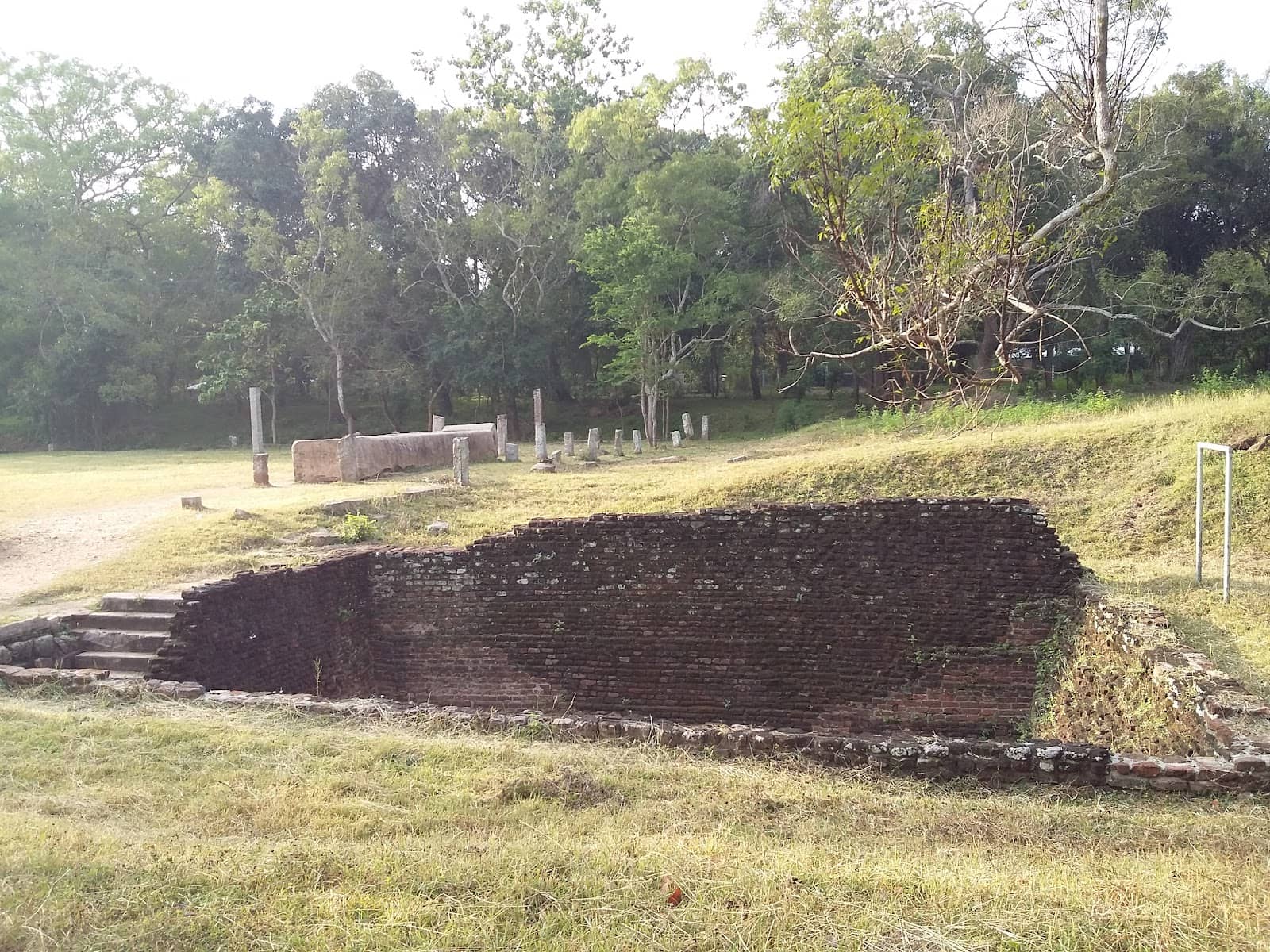
An ancient well with stone steps descending to the water, showcasing remarkable engineering. Still full of water after centuries!
Granite Rice Trough
Mahapali Alms Hall
A massive granite trough, 27.5 feet long, believed to be where rice was distributed to monks.

Stone Pillars
Mahapali Alms Hall
Remnants of 33 stone pillars that once supported a grand building, hinting at its former scale.
Plans like a pro.
Thinks like you
Planning Your Visit
Ancient Engineering Marvel
Historical Significance
Best Times
Insider Tips
from TikTok, Instagram & Reddit
Wear Comfortable Shoes
You'll be walking on ancient ruins and uneven ground. :athletic_shoe:
Stay Hydrated
Sri Lanka can be hot and humid. Carry plenty of water. :droplet:
Explore the Well
Carefully descend the stone steps of the ancient well for a unique perspective. :scroll:
Imagine the Past
Visualize the thousands fed here daily. It's a powerful historical experience. :thought_balloon:
Tips
from all over the internet
Wear Comfortable Shoes
You'll be walking on ancient ruins and uneven ground. :athletic_shoe:
Stay Hydrated
Sri Lanka can be hot and humid. Carry plenty of water. :droplet:
Explore the Well
Carefully descend the stone steps of the ancient well for a unique perspective. :scroll:
Imagine the Past
Visualize the thousands fed here daily. It's a powerful historical experience. :thought_balloon:
What Travellers Say
Reviews Summary
Visitors are consistently impressed by the Mahapali Alms Hall's ancient engineering, particularly the deep well with its stone steps and the massive granite rice trough. The site offers a tangible connection to the past, showcasing the impressive scale of historical institutions that once served thousands. While it's a ruin, its historical significance and engineering marvels make it a worthwhile stop in Anuradhapura.
"The ancient water source for the Mahapali refectory. The well is constructed in different depth stages. walls are lined with stones to avoid side collapses."
Dakshina Shakya
"Massive granite pillars where a massive building stood and a rice trough made of granite lies within these ruins of Mahapali Alms Hall covering over 1/4 acres. One of the main attractions is the deep well which would have supplied water to the alms hall. Built with granite and bricks, steps are placed around the perimeter of the square well so you can climb down the water."
Janaka Sampath Walakuluarachchi
"An amazing engeering construction.Still the well is full of water after centuries."
Samitha Abeysinghe
What People Like
What People Dislike
Frequently Asked Questions
🚇 🗺️ Getting There
Mahapali Alms Hall is located in the ancient city of Anuradhapura, a UNESCO World Heritage site. It's easily accessible by tuk-tuk or car from Anuradhapura town. Many visitors combine it with a tour of other nearby ancient ruins. +1
Yes, Mahapali Alms Hall is situated within the vast ancient city of Anuradhapura, which includes numerous stupas, temples, and ruins. It's often visited alongside sites like Ruwanwelisaya and the Temple of the Tooth Relic.
Many travelers rent bicycles or hire a tuk-tuk for the day to explore the sprawling ancient city. This allows you to cover more ground and visit multiple sites efficiently.
🎫 🎫 Tickets & Entry
Yes, a ticket for the Anuradhapura Ancient City is required to enter the archaeological zone where Mahapali Alms Hall is located. This ticket usually covers multiple sites within the complex.
The ancient city of Anuradhapura is generally open from sunrise to sunset. It's best to check with local authorities or your guide for the most up-to-date hours.
You can explore the main features of Mahapali Alms Hall, including the well and rice trough, in about 30-45 minutes. However, if you're interested in the history and context, allow more time.
🎫 🧭 Onsite Experience
The key attractions are the remarkably preserved deep well with stone steps, the massive granite rice trough, and the remaining stone pillars that once supported the alms hall.
The well has stone steps for descent, but exercise caution as they can be slippery. It's advisable to go slowly and be mindful of your footing.
Yes, photography is allowed. The ancient structures and the well offer unique photographic opportunities, especially during the golden hours of sunrise and sunset.
Restroom facilities might be limited within the immediate vicinity of Mahapali Alms Hall. It's best to use facilities at the entrance to the ancient city or other major sites. Carry your own water.
🍽️ 🍽️ Food & Dining
While there are no dining facilities directly at Mahapali Alms Hall, you can find restaurants and local eateries in Anuradhapura town or near the main entrance to the ancient city.
Expect traditional Sri Lankan cuisine, including rice and curry, hoppers, and kottu. Many places offer vegetarian options.
📸 📸 Photography
The golden hours around sunrise and sunset offer beautiful lighting for capturing the ancient ruins and the well. Midday sun can be harsh.
The deep well with its stone steps, the intricate details of the granite rice trough, and the remaining stone pillars are excellent subjects for photography.
For Different Travelers
Tailored advice for your travel style
👨👩👧 Families with Kids
Encourage children to use their imagination to picture the bustling activity that once took place here. While the site is primarily ruins, the scale of the remaining structures and the well can be engaging. Ensure children wear comfortable shoes for exploring and stay hydrated, as the area can get warm.
🏛️ History Buffs
Study the architectural remnants, including the 33 stone pillars and the well's ingenious design. Consider the administrative aspects highlighted by the tablet from King Mahinda IV's reign. The nearby Gedige ruins, with their Pallava influences, offer further avenues for historical exploration.
📸 Photographers
Aim to visit during the golden hours of sunrise or sunset for dramatic lighting that enhances the ancient atmosphere. The wide-open spaces around the ruins also allow for capturing the scale of the site.
Deep Dives
In-depth insights and expert knowledge
The Engineering Prowess of the Mahapali Well
This well likely served the critical purpose of supplying water to the refectory of the Mahapali Alms Hall, a massive institution capable of feeding thousands of monks daily. The depth and accessibility of the well suggest a well-planned system for water management, crucial for the daily operations of such a large establishment. Travelers often express awe at this ancient feat of engineering, imagining the daily routines that depended on this vital water source.
When visiting, take a moment to appreciate the craftsmanship involved. The careful lining of the walls with stones to prevent collapses and the thoughtful placement of steps are details that speak volumes about the builders' understanding of structural integrity and user convenience. It's a tangible link to the past, offering a glimpse into the daily lives and technological capabilities of ancient Anuradhapura.
Historical Accounts and the Scale of the Alms Hall
Evidence of its grandeur is found in the ruins, including a remarkable stone rice boat measuring about 27.5 feet long and 5.25 feet wide. An inscription on this boat, dating back to the 10th century, reads, "As long as the great assembly takes rice, I will give it to you," further solidifying its identification as the Maha Pali Almshouse. The presence of 33 remaining stone pillars also hints at the substantial size of the building that once stood here, likely supporting a roof for the distribution of alms.
The alms hall underwent renovations by various kings, including King Devanam Piyatissa who initiated its construction, and King Mahinda IV who rebuilt it after destruction. A tablet from Mahinda IV's reign, found at the site, details rules for managing village lands and income distribution, underscoring the administrative importance of the alms hall. The ruins of a building called Gedige, with Pallava architectural characteristics, are also visible nearby, adding layers to the historical narrative of the site.




Social
from TikTok, Instagram & Reddit