
Austfonna
Europe's largest ice cap, a breathtaking frozen expanse in Svalbard, showcasing raw Arctic power and the urgent reality of climate change.
%2Fhttps%3A%2F%2Ftf-cmsv2-photocontest-smithsonianmag-prod-approved.s3.amazonaws.com%2F39380f39-1961-47ce-a2e0-38d0aad55fa7.jpg&w=2048&q=70)
Highlights
Must-see attractions

Social
From TikTok & Reddit
Best Time
Best chance for wildlife
Austfonna
Best Time
Best chance for wildlife
Highlights
Must-see attractions
Europe's largest ice cap, a breathtaking frozen expanse in Svalbard, showcasing raw Arctic power and the urgent reality of climate change.
"A frozen giant shaping the Arctic landscape, rapidly changing with global warming."

Book Expeditions Early
Expedition cruises to Austfonna sell out fast. Book your Arctic adventure months in advance! 🎟️
Pack for Arctic Weather
Layers are key! Expect cold, wind, and potential rain. Waterproof gear is a must. :cloud_rain:

Quick Facts
Rating
5 · 8 reviews
Type
Natural Feature
Highlights
Discover the most iconic attractions and experiences
The Immense Ice Cap
Northeast Nordaustlandet, Svalbard
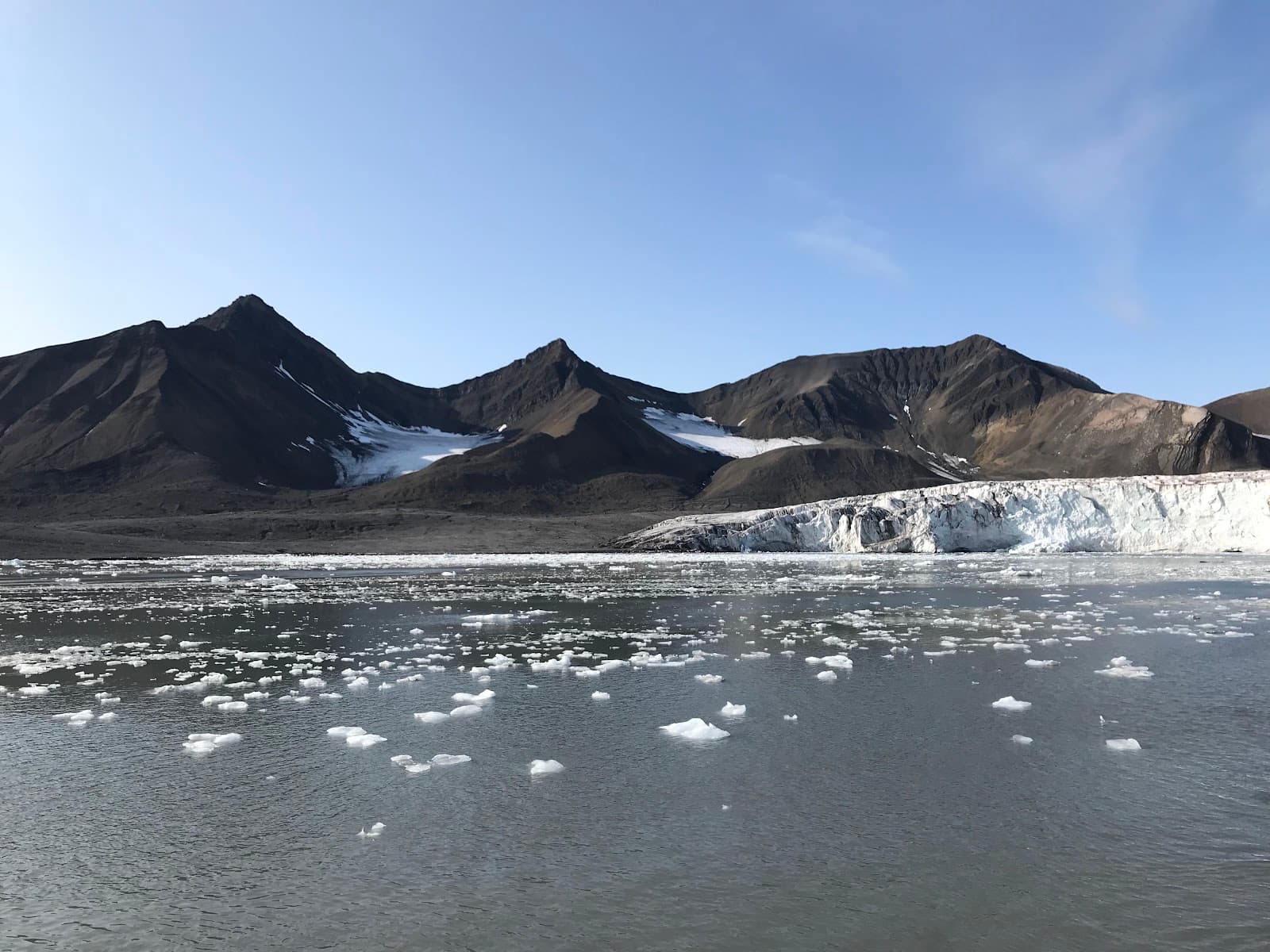
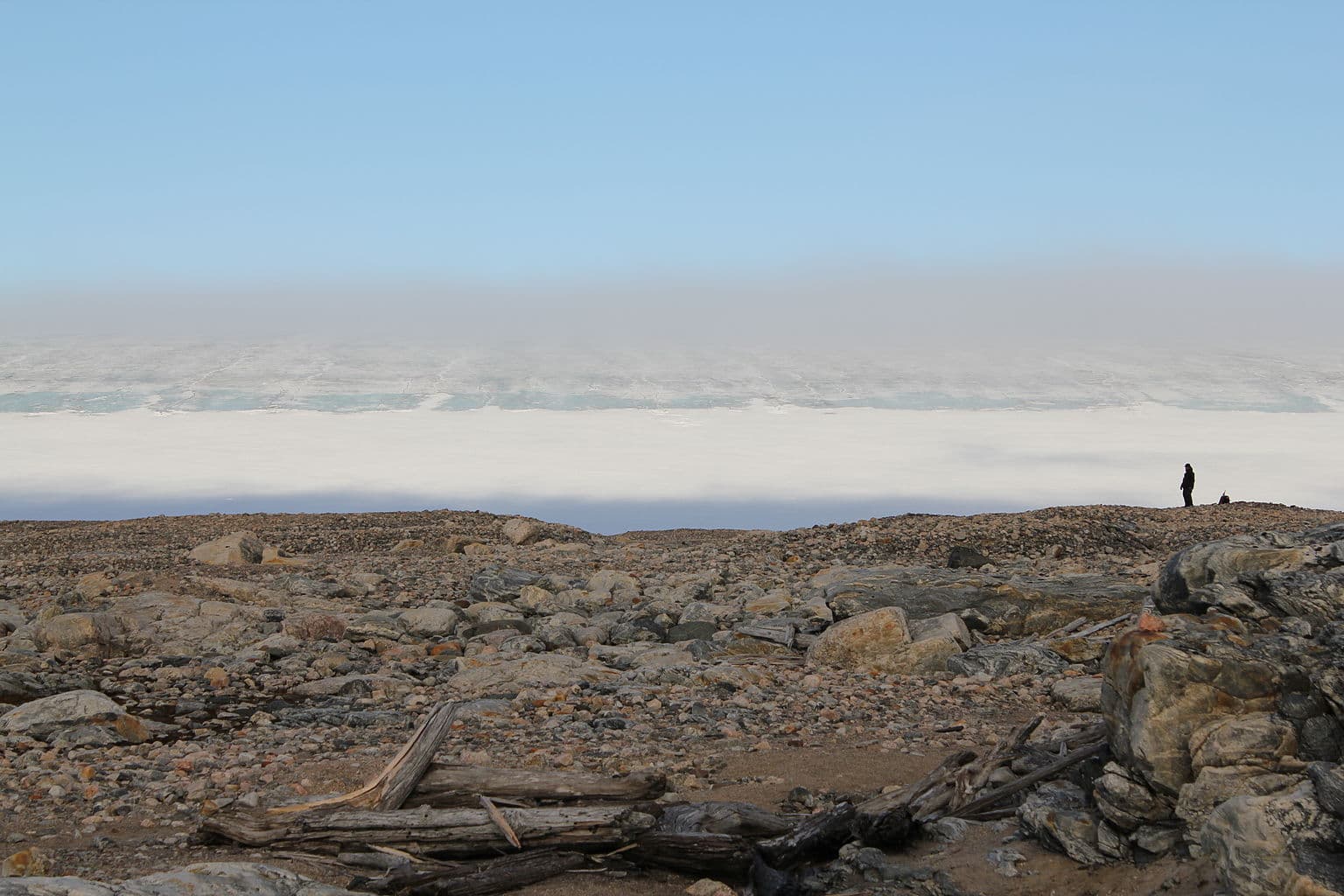
Europe's largest ice sheet, a breathtaking expanse of ice shaping the Arctic landscape.
Glacier Front & Calving
Coastal edge of Austfonna
Witness massive icebergs break off into the sea, a powerful display of glacial dynamics.

Arctic Wildlife Encounters
Surrounding waters and ice floes
Spot walruses resting on ice, and keep an eye out for white-beaked dolphins.
Plans like a pro.
Thinks like you
Planning Your Visit
Accessing Austfonna: Expedition Crucial
Environmental Sensitivity & Climate Change
Best Times
Insider Tips
from TikTok, Instagram & Reddit
Book Expeditions Early
Expedition cruises to Austfonna sell out fast. Book your Arctic adventure months in advance! 🎟️
Pack for Arctic Weather
Layers are key! Expect cold, wind, and potential rain. Waterproof gear is a must. :cloud_rain:
Respect Wildlife Distances
Observe walruses and other animals from a safe and respectful distance. :camerawithflash:
Be Mindful of Melting
Austfonna is a stark reminder of climate change. Observe its beauty while understanding its fragility. :earth_americas:
Tips
from all over the internet
Book Expeditions Early
Expedition cruises to Austfonna sell out fast. Book your Arctic adventure months in advance! 🎟️
Pack for Arctic Weather
Layers are key! Expect cold, wind, and potential rain. Waterproof gear is a must. :cloud_rain:
Respect Wildlife Distances
Observe walruses and other animals from a safe and respectful distance. :camerawithflash:
Be Mindful of Melting
Austfonna is a stark reminder of climate change. Observe its beauty while understanding its fragility. :earth_americas:
What Travellers Say
Reviews Summary
Visitors are awestruck by the immense scale and raw beauty of Austfonna, Europe's largest ice cap. The opportunity to witness calving glaciers and spot Arctic wildlife like walruses is a major highlight. However, the remote nature and the stark reality of climate change's impact are also frequently noted.
"Austonna covers the eastern part of Nordaustlandet, an island located in the northeast of Svalbard, a Norwegian archipelago in the Arctic Ocean. Covering an area of 8,492 km², it is the largest ice sheet in Europe before Vatnajökull in Iceland and the seventh largest in the world. Its volume is 1,900 km², its maximum thickness is 560 meters, and its elevation is 700 meters.
Its base is located largely below sea level. This ice shelf, interrupted only by rare rocky outcrops, is 180 kilometers long. Two ice domes at its center, the Serdømen (South Dome) and the Norddomen (North Dome), are the highest and culminating points of the glacier and Nordauslandet, at 700 meters above sea level. Its surface is marked by crevasses, and during the summer meltwater flows across its surface in the form of crevasses forming waterfalls that reach the glacial front. The largest icebergs on Svalbard are produced by the calving of the glacier."
Martine Favrot
""
Bradin Vallozzi
"Unique Charming"
Annabell Vélez
What People Like
What People Dislike
Frequently Asked Questions
🚇 🗺️ Getting There
Austfonna is primarily accessible via specialized expedition cruises departing from Longyearbyen, Svalbard. These tours are the only practical way to reach this remote ice cap. Booking these trips well in advance is crucial, as availability is limited.
The most immersive way to experience Austfonna is by joining an expedition cruise. These vessels navigate the waters around the glacier, offering unparalleled views of its vast ice front and opportunities for wildlife spotting.
Independent travel to Austfonna is extremely difficult and not recommended due to its remote location and hazardous conditions. Expedition cruises are the standard and safest method for visitors.
Flights to Longyearbyen, Svalbard, typically depart from Oslo, Norway. The flight duration is around 1.5 to 2 hours. From there, you'll board your expedition cruise.
No, land-based tours directly to Austfonna are not feasible. Its immense size and remote Arctic location necessitate sea-based exploration via expedition ships.
🎫 🎫 Tickets & Entry
You don't buy individual tickets for Austfonna itself. Instead, you purchase a package for an expedition cruise that includes visits to the glacier. Prices vary significantly based on the cruise duration and operator.
Expedition cruises to Svalbard, including potential visits to Austfonna, can range from several thousand to tens of thousands of dollars, depending on the length of the trip, cabin type, and included activities.
Expedition cruises typically operate during the Arctic summer months, from May to September, when sea ice conditions are most favorable for navigation.
There are no direct entry fees for Austfonna. The cost is incorporated into the overall expedition cruise package.
It's highly recommended to book your expedition cruise at least 6-12 months in advance, especially if you have specific dates or cabin preferences, as popular trips fill up quickly.
🎫 🧭 Onsite Experience
You'll witness Europe's largest ice cap, a vast frozen landscape with a dramatic glacier front. Keep an eye out for calving events, meltwater streams, and potentially Arctic wildlife like walruses. 
Near Austfonna, you might spot walruses resting on ice floes, white-beaked dolphins in the water, and various Arctic seabirds.
Austfonna is a wild and remote environment. While expedition cruises are designed for safety, conditions can be challenging. Always follow your guide's instructions.
The sheer scale of the ice cap, the dramatic glacier front, and any wildlife encounters offer incredible photographic moments. Sunrise and sunset can also create stunning light.
Austfonna is significantly impacted by climate change, with rapid melting and calving observed. It serves as a powerful visual representation of global warming's effects.
📸 📸 Photography
Use a wide-angle lens to capture the vastness. Consider a telephoto lens for wildlife. Shoot in RAW for post-processing flexibility, and protect your gear from the cold and moisture.
Include elements like expedition ships or wildlife in your frame to provide a sense of scale against the immense ice cap.
Early morning and late afternoon light can offer dramatic shadows and softer illumination. However, the Arctic summer has long daylight hours, so be prepared to shoot at various times.
A tripod can be useful for low-light conditions or capturing long exposures of calving ice, but ensure it's stable in windy conditions.
Keep your camera warm by storing it in an insulated bag when not in use. Allow it to acclimatize gradually to warmer temperatures to prevent condensation.





Social
from TikTok, Instagram & Reddit