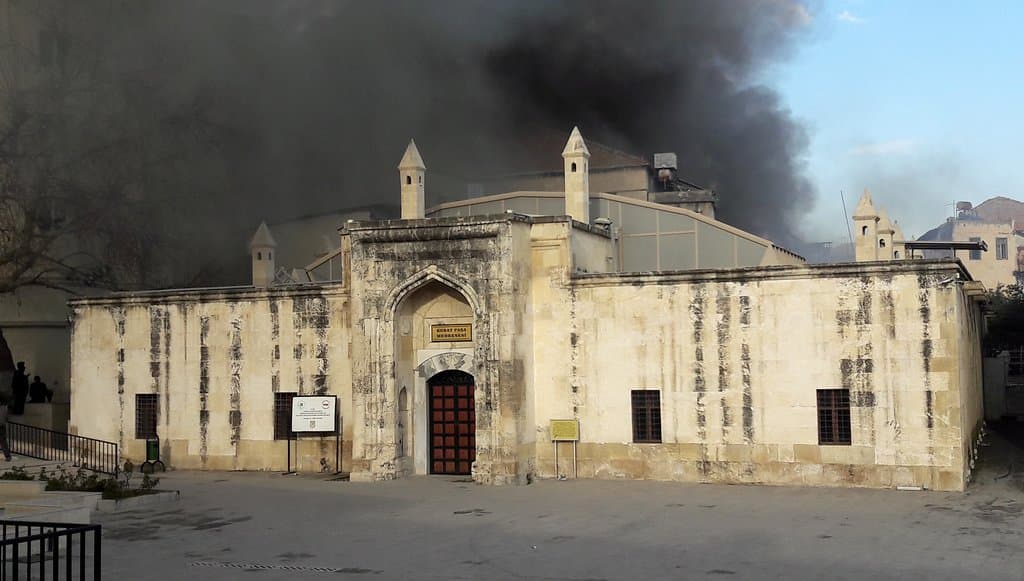
Kubat Pasha Madrasa
Explore Kubat Pasha Madrasa, a stunning Seljuk architectural gem in Tarsus, now a Culture House preserving centuries of educational history.
Highlights
Must-see attractions

Social
From TikTok & Reddit
Best Time
Quieter exploration
Kubat Pasha Madrasa
Best Time
Quieter exploration
Highlights
Must-see attractions
Explore Kubat Pasha Madrasa, a stunning Seljuk architectural gem in Tarsus, now a Culture House preserving centuries of educational history.
"A calm and inspiring stop, offering a glimpse into the city’s cultural and educational heritage."
Talk to the Staff! 🗣️
Friendly staff can share fascinating historical facts you might otherwise miss. Ask questions!
Appreciate the Stone Work 🧱
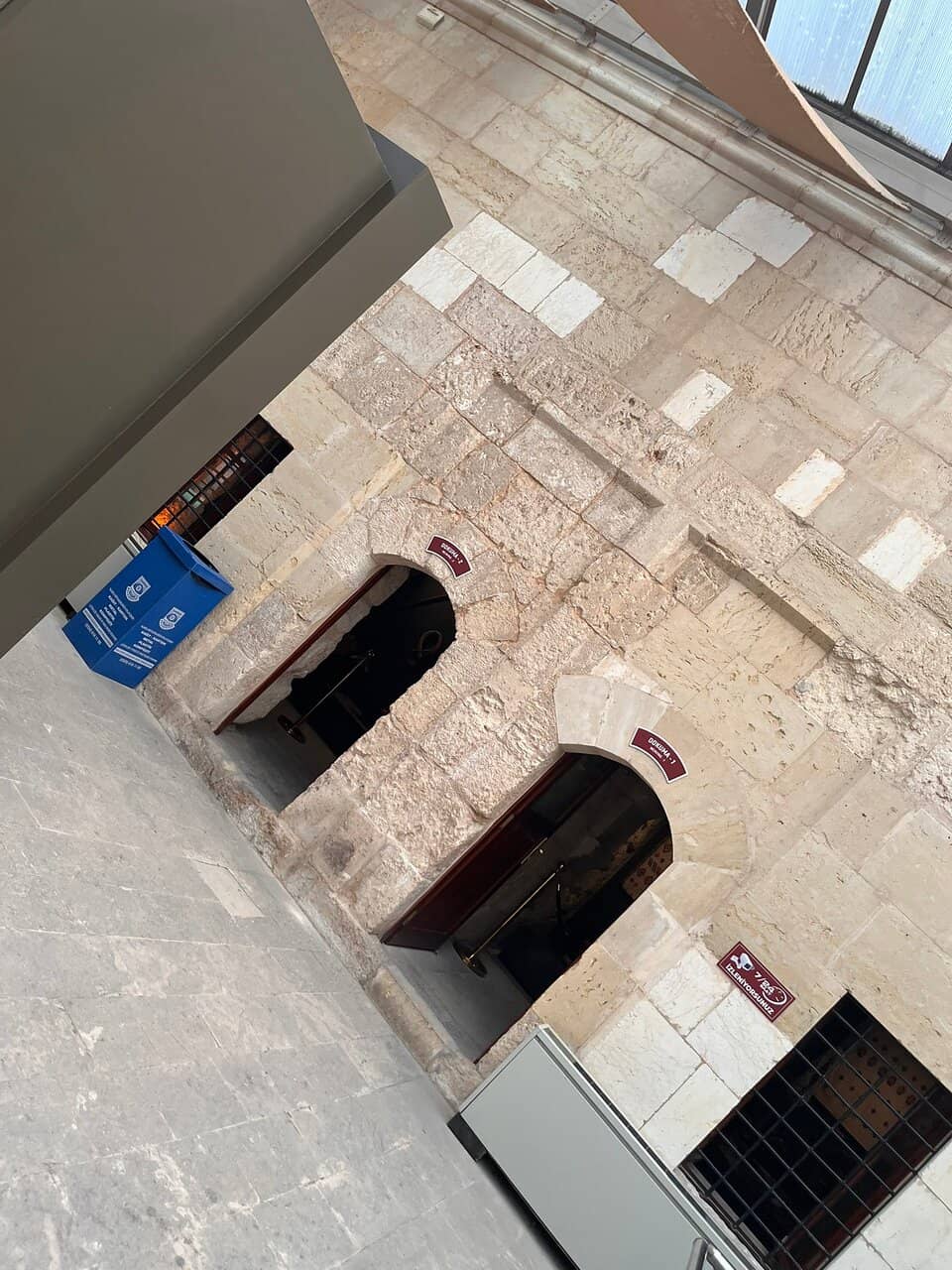
The traditional Seljuk architecture is a highlight. Take time to admire the details.
Quick Facts
Rating
4.7 · 389 reviews
Type
Tourist Attraction
Highlights
Discover the most iconic attractions and experiences
Seljuk Architecture
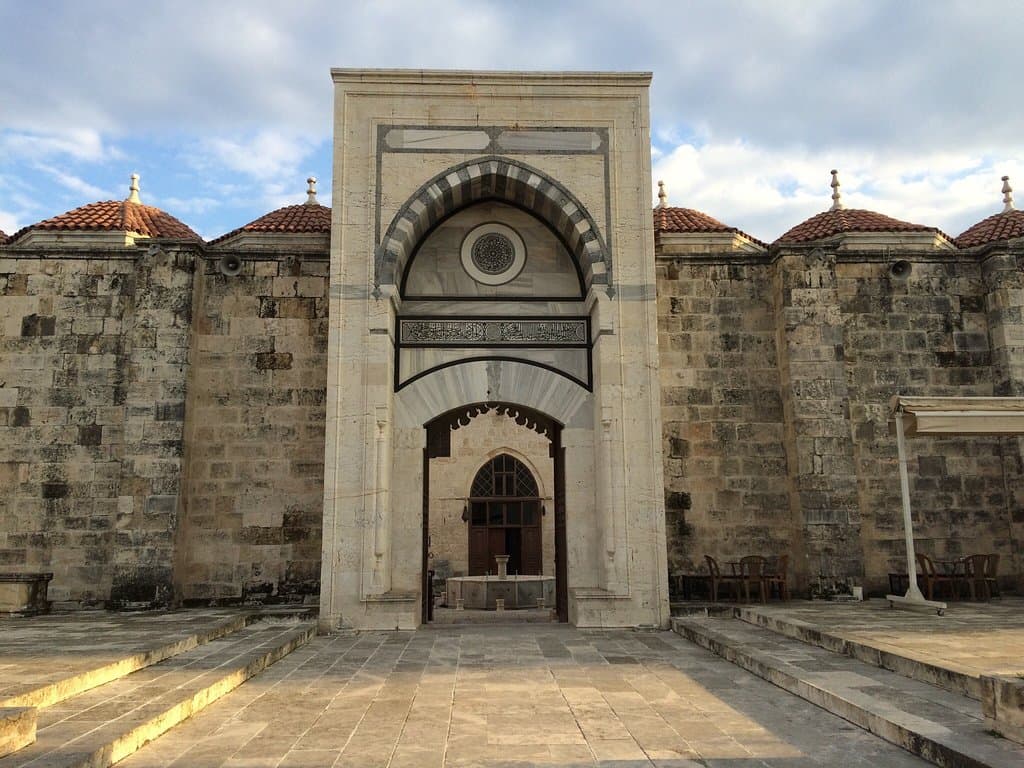
Courtyard and Entrance
Admire the intricate stone carvings and traditional Seljuk design of this well-preserved educational center.
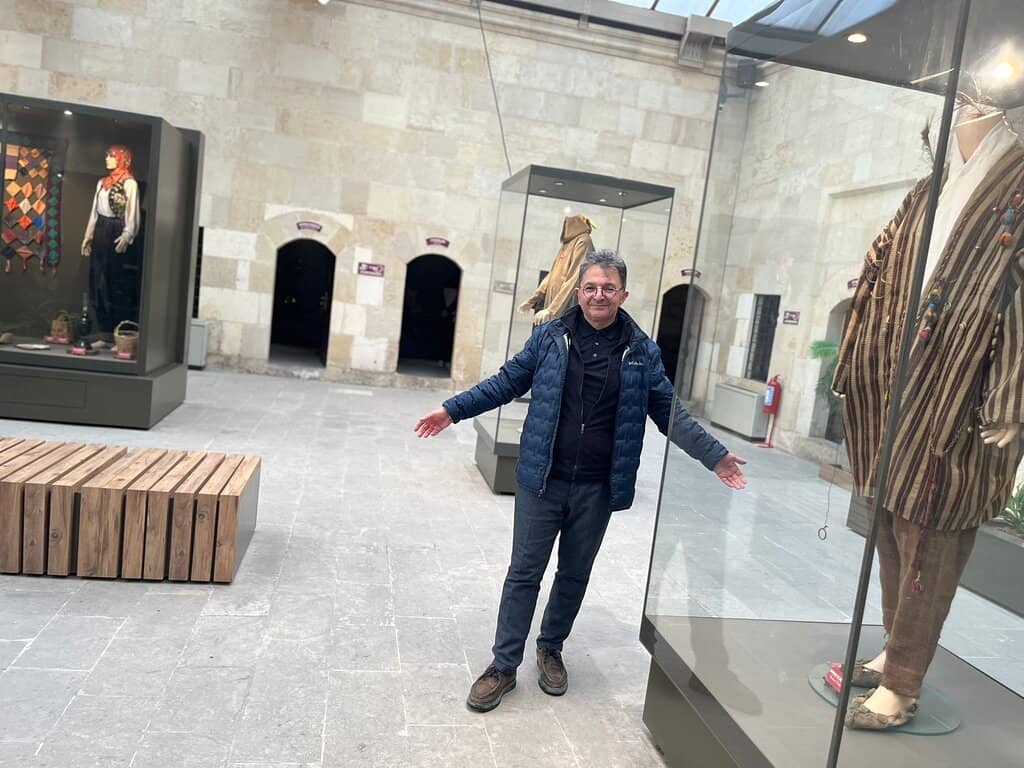
Historical Courtyard
Central Courtyard
Walk through the open courtyard, imagining students learning centuries ago in this peaceful, inspiring space.
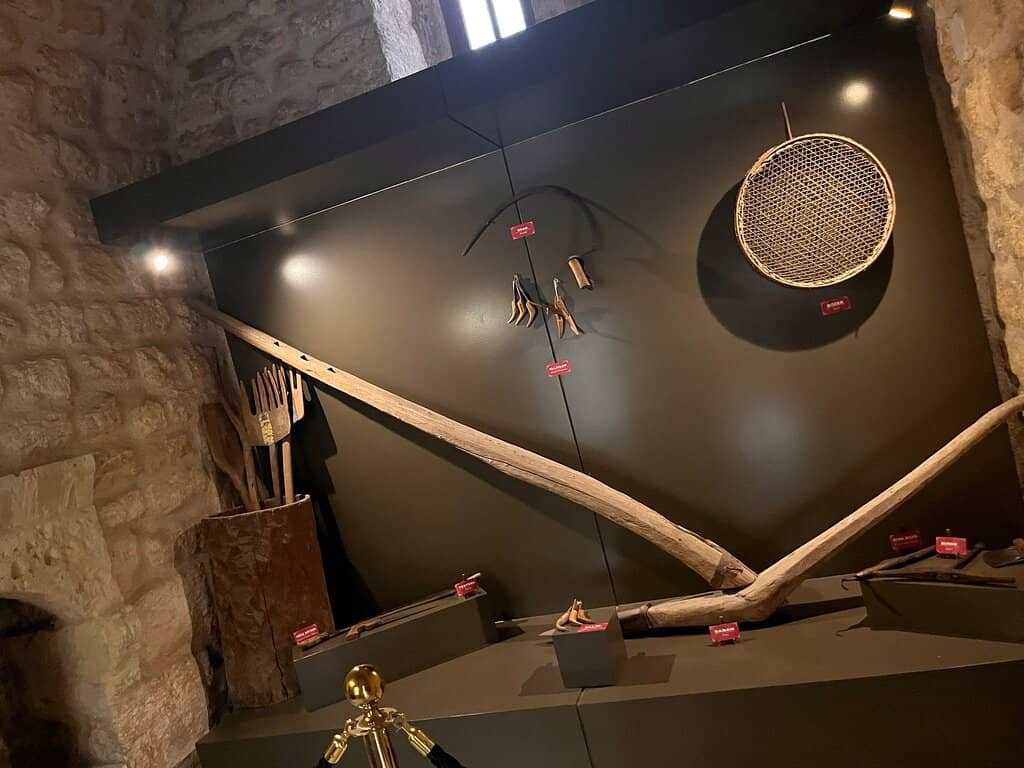
Cultural Exhibits
Inside the Madrasa Rooms
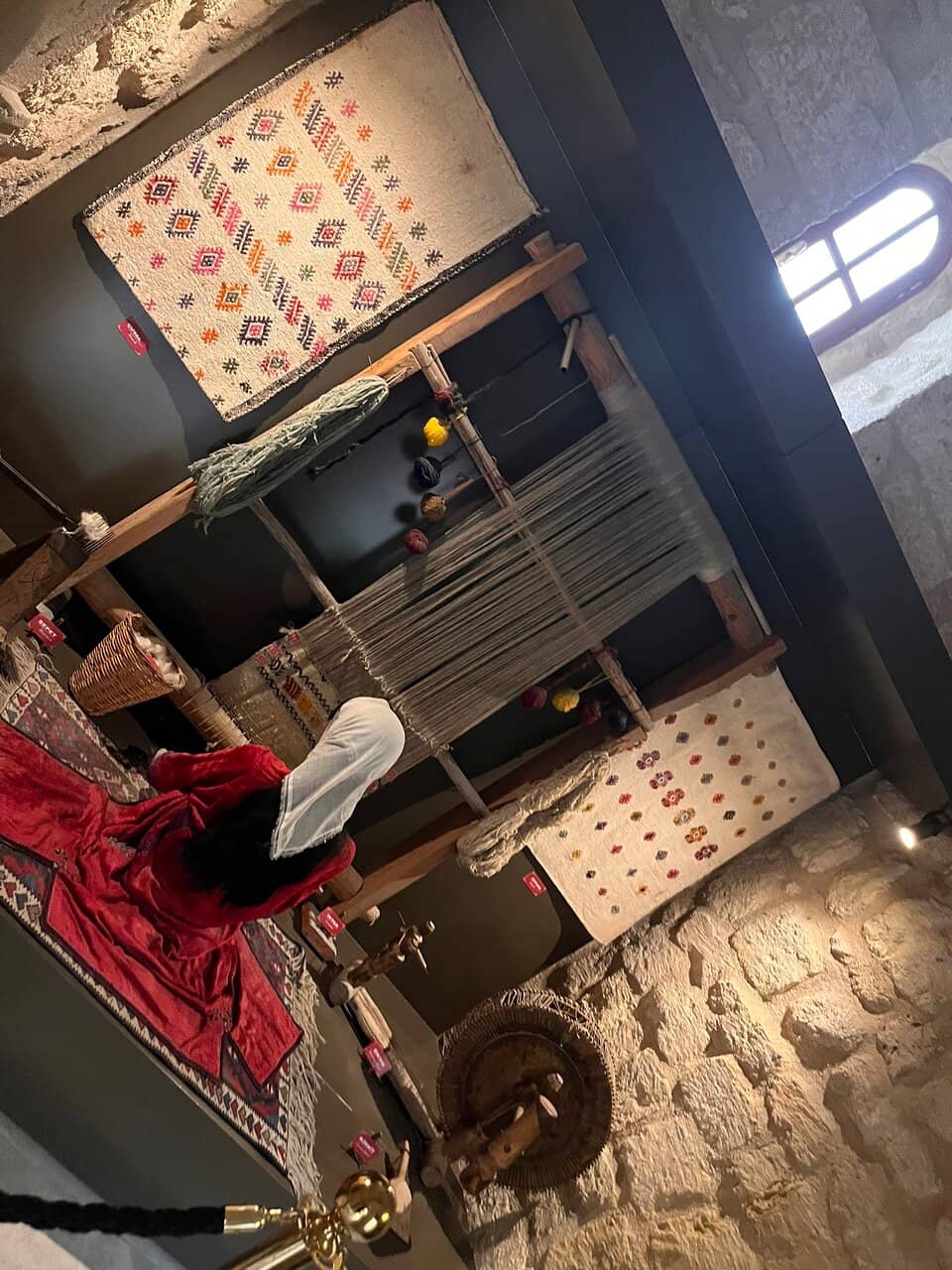
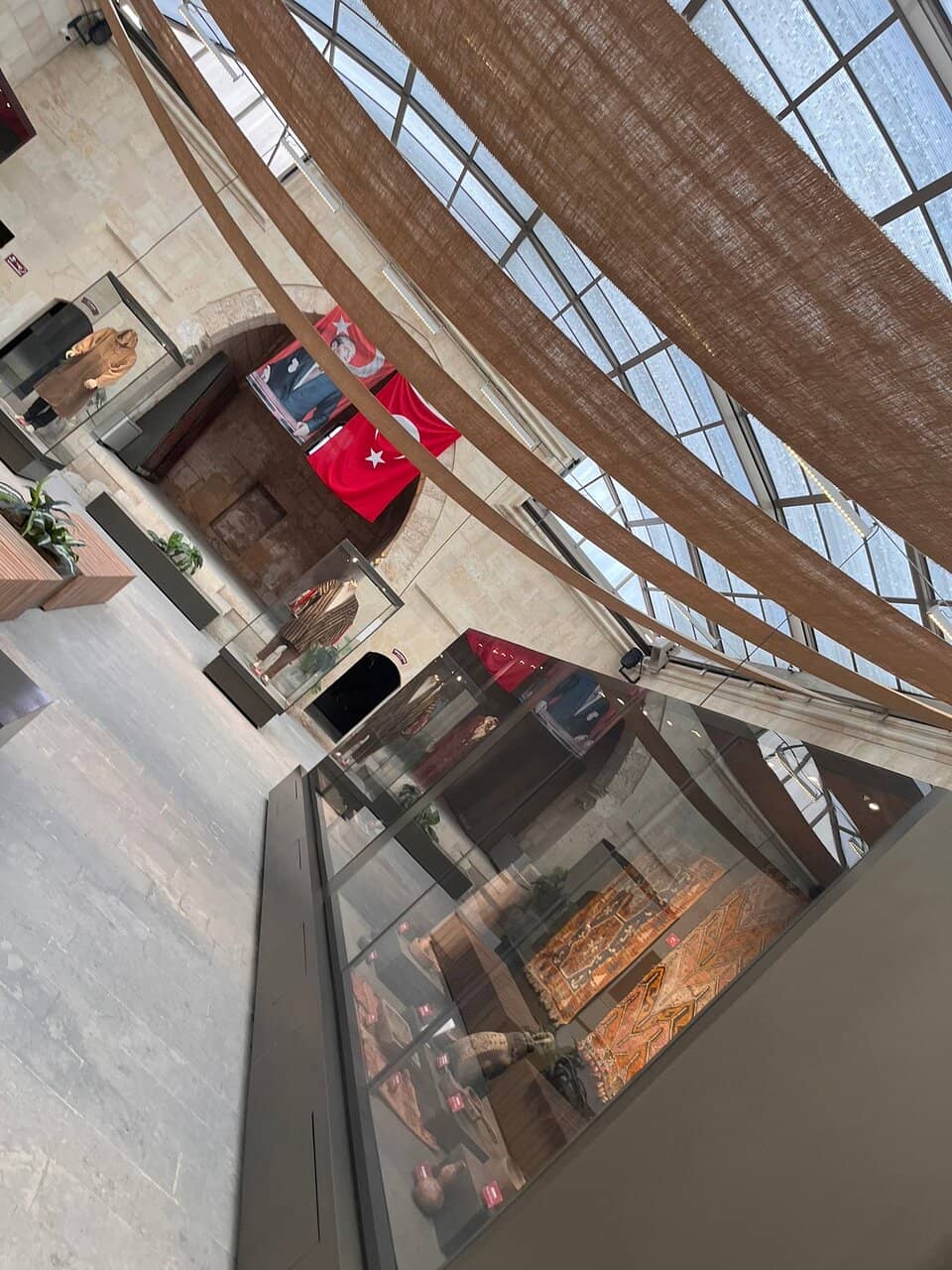
Explore the rooms that now house exhibitions, offering a glimpse into Tarsus's rich cultural and historical heritage.
Plans like a pro.
Thinks like you
Planning Your Visit
Timing Your Visit
Engage with Local History
Best Times
Insider Tips
from TikTok, Instagram & Reddit
Talk to the Staff! 🗣️
Friendly staff can share fascinating historical facts you might otherwise miss. Ask questions!
Appreciate the Stone Work 🧱
The traditional Seljuk architecture is a highlight. Take time to admire the details.
Combine with Mosque Visit 🕌
Located near the Great Mosque, plan a combined visit for a fuller historical experience.
Wear Comfy Shoes 👟
You'll be walking around the courtyard and rooms, so comfortable footwear is key.
Tips
from all over the internet
Talk to the Staff! 🗣️
Friendly staff can share fascinating historical facts you might otherwise miss. Ask questions!
Appreciate the Stone Work 🧱
The traditional Seljuk architecture is a highlight. Take time to admire the details.
Combine with Mosque Visit 🕌
Located near the Great Mosque, plan a combined visit for a fuller historical experience.
Wear Comfy Shoes 👟
You'll be walking around the courtyard and rooms, so comfortable footwear is key.
What Travellers Say
Reviews Summary
Visitors praise Kubat Pasha Madrasa for its beautiful, well-preserved Seljuk architecture and its role as a historical Culture House. Many highlight the inspiring atmosphere and the opportunity to connect with Tarsus's educational heritage. The friendly and knowledgeable staff are frequently mentioned as enhancing the visitor experience.
"Kubat Paşa Medrese, now used as a Culture House, is a fascinating historical site in Tarsus. The stone architecture is beautiful, and walking inside feels like touching centuries of history.
It has been well preserved and gives visitors a glimpse into the city’s cultural and educational heritage. A calm and inspiring stop during a tour of Tarsus."
Samira Saraeian
"KUBAT PASA MADRASAH is located in the city center of Tarsus, approximately 150 m. northeast of the Great Mosque. Built in the traditional Seljuk architectural style by Ramazanoğlu Bey Kubat Paşa, the work has a rare place among the historical education and training centers that have survived from centuries ago to the present day. The structure, built with regular cut stone and having a rectangular plan, has an open courtyard madrasah plan in terms of architecture and draws attention with its main entrance door protruding to the west. The single-story structure with an open courtyard is entered through a portal and the entrance is passed to the courtyard from the entrance iwan. Directly opposite the entrance is the main iwan. Both iwans are covered with a dome. The building has 16 rooms that open to the courtyard in the middle. The doors and windows of the rooms are wooden, and the railings of the windows are in a square form with polygonal connections, in accordance with the style of Ottoman mosques and madrasah buildings. The building, which was used as a museum for a while after its restoration, draws attention as an important work on cultural and touristic routes with its admirable architecture."
Ramil Khasanov
"One of the best places to visit in Tarsus! Great exhibition in an old, restaurated Koran school. Very friendly and kind staff! I was so glad to have met Mr. Nadir Durgun - he told me so many interesting facts about Tarsus and its history, which I otherwise would have missed! If you want to know more about this amazing city and its thousands of years of history, this is definitely the place to go😁"
Jörn Fischer
What People Like
What People Dislike
Frequently Asked Questions
🚇 🗺️ Getting There
Kubat Pasha Madrasa is conveniently located in the city center of Tarsus, about 150 meters northeast of the Great Mosque. It's easily accessible by local transport or a short walk if you're already exploring the city center.
Yes, its central location makes it straightforward to find. It's a prominent historical site, often mentioned alongside other Tarsus landmarks like the Great Mosque.
Tarsus city center is quite walkable. For longer distances, local dolmuş (minibuses) are a common and affordable option. Taxis are also readily available.
🎫 🎫 Tickets & Entry
Entry to Kubat Pasha Madrasa, functioning as a Culture House, is generally free. However, it's always a good idea to check for any special exhibition fees or if policies have changed.
As a Culture House, it typically follows standard daytime operating hours. It's best to confirm the exact opening and closing times, especially on public holidays or during specific events.
Visitors generally report that there is no admission fee to enter Kubat Pasha Madrasa, making it an accessible historical site for everyone.
Yes, it is usually open on weekends, but it might be busier. Weekday mornings are recommended for a more peaceful experience.
🎫 🧭 Onsite Experience
You can explore the traditional Seljuk architecture, walk through the historical courtyard, and view cultural exhibits housed within the former student rooms. It offers a glimpse into Tarsus's past as an educational center.
Absolutely! The unique stone architecture, the courtyard, and the historical ambiance make it a very photogenic spot. Capture the details of the Seljuk design.
A visit typically takes about 1 to 1.5 hours, allowing time to appreciate the architecture and any current exhibitions. You might spend longer if you engage in deep conversations with staff.
The madrasa is a historical building with a courtyard. While efforts are made for accessibility, some areas might present challenges due to the original structure. It's a single-story building with an open courtyard.
Built in the traditional Seljuk architectural style by Ramazanoğlu Bey Kubat Pasha, it's a rare surviving historical education and training center, offering insight into centuries-old learning practices.
🍽️ 🍽️ Food & Dining
Kubat Pasha Madrasa itself functions as a Culture House and does not typically have on-site dining facilities. However, the surrounding city center of Tarsus offers numerous restaurants and cafes.
You'll find a variety of local eateries and cafes in the vicinity of the madrasa, especially around the Great Mosque and the main city center streets. Explore for traditional Turkish cuisine.
📸 📸 Photography
The main entrance portal with its protruding design, the central courtyard with its open-air feel, and the details of the stone carvings are excellent for photography. The iwan structures are also very picturesque.
Yes, photography is generally allowed inside the madrasa and its courtyard. However, always be respectful of any ongoing exhibitions or other visitors.
Morning light offers softer shadows and a pleasant glow on the stone architecture. Midday can be harsh, but the shaded areas of the courtyard can still yield good results.
Social
from TikTok, Instagram & Reddit