Chenghuang Temple Hualien
A historic temple in Hualien, known for its resilience, intricate architecture, and proximity to iconic local eateries.
Highlights
Must-see attractions

Social
From TikTok & Reddit
Best Time
Peaceful atmosphere
Chenghuang Temple Hualien
Best Time
Peaceful atmosphere
Highlights
Must-see attractions
A historic temple in Hualien, known for its resilience, intricate architecture, and proximity to iconic local eateries.
"One of the greatest temples in Taiwan, with divine power and majestic architecture."
📸 Capture the Details
Focus on the intricate brick carvings and the unique 'Dragon Well' ceiling for stunning photos.
🚶♀️ Prepare for Queues
The famous Gongzheng Baozi and Miaokou Red Tea shops next door are always busy.
Quick Facts
Hours
Rating
4.4 · 170 reviews
Type
Place of Worship
Highlights
Discover the most iconic attractions and experiences
Majestic Architecture
Main Hall
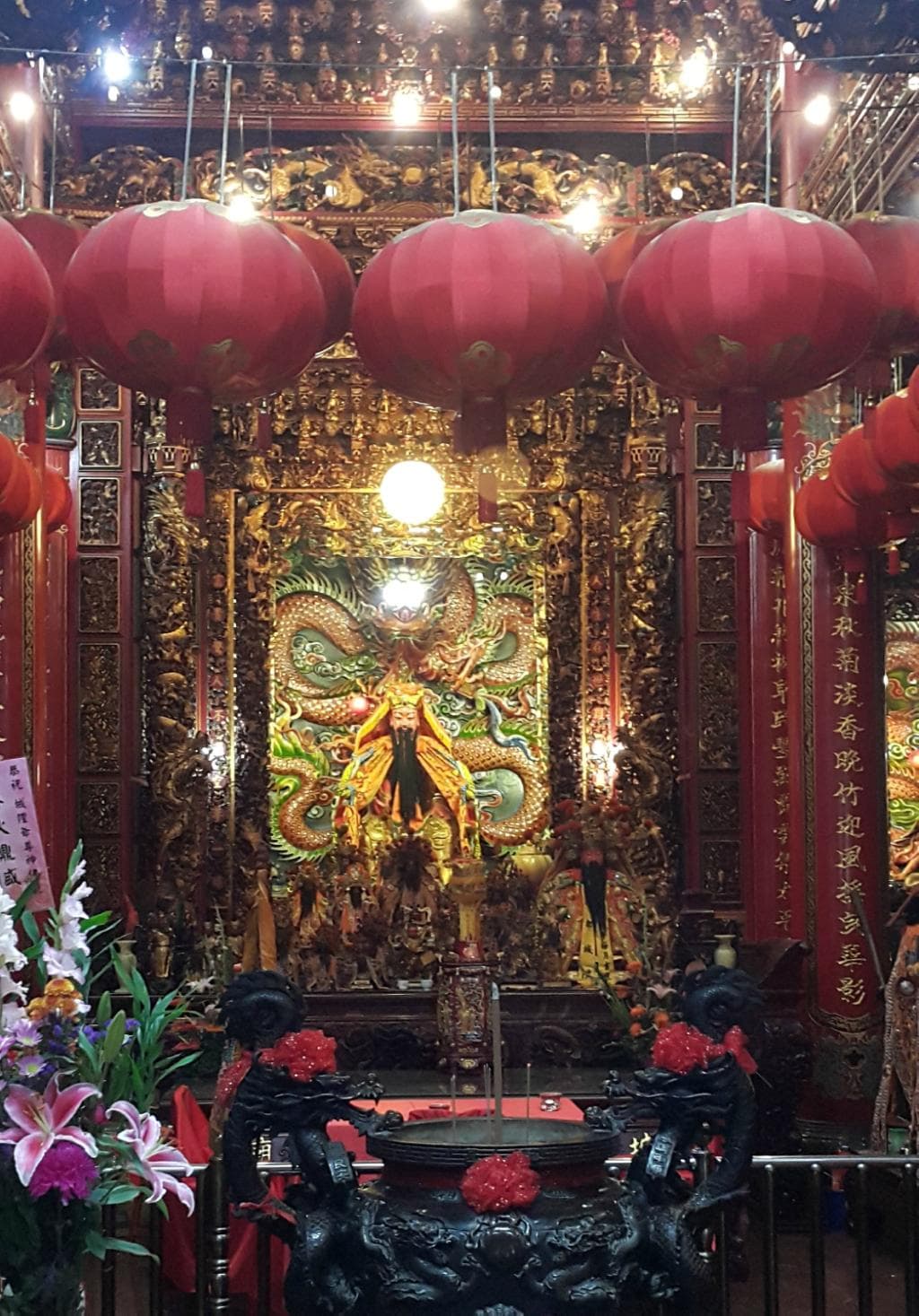
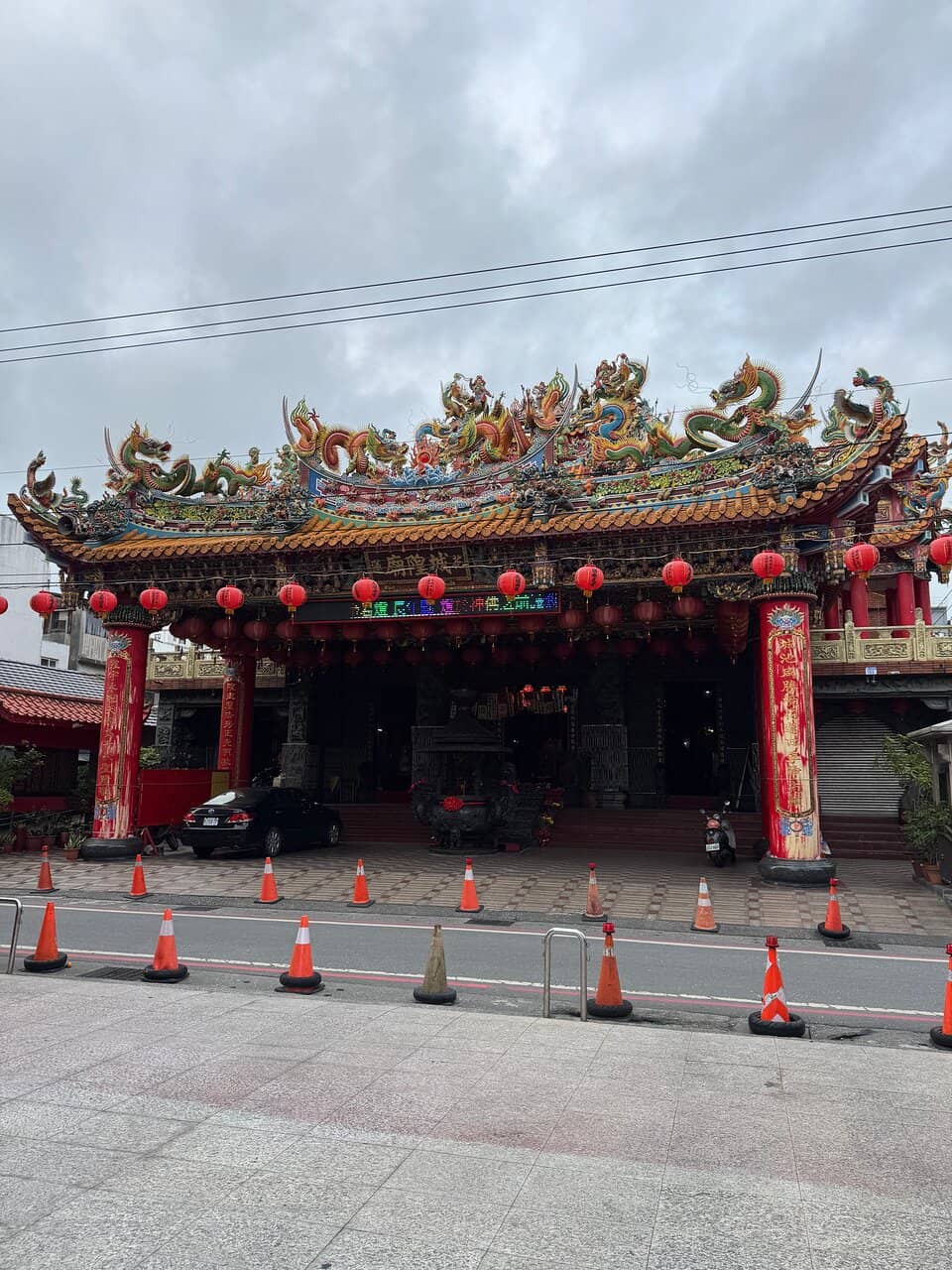
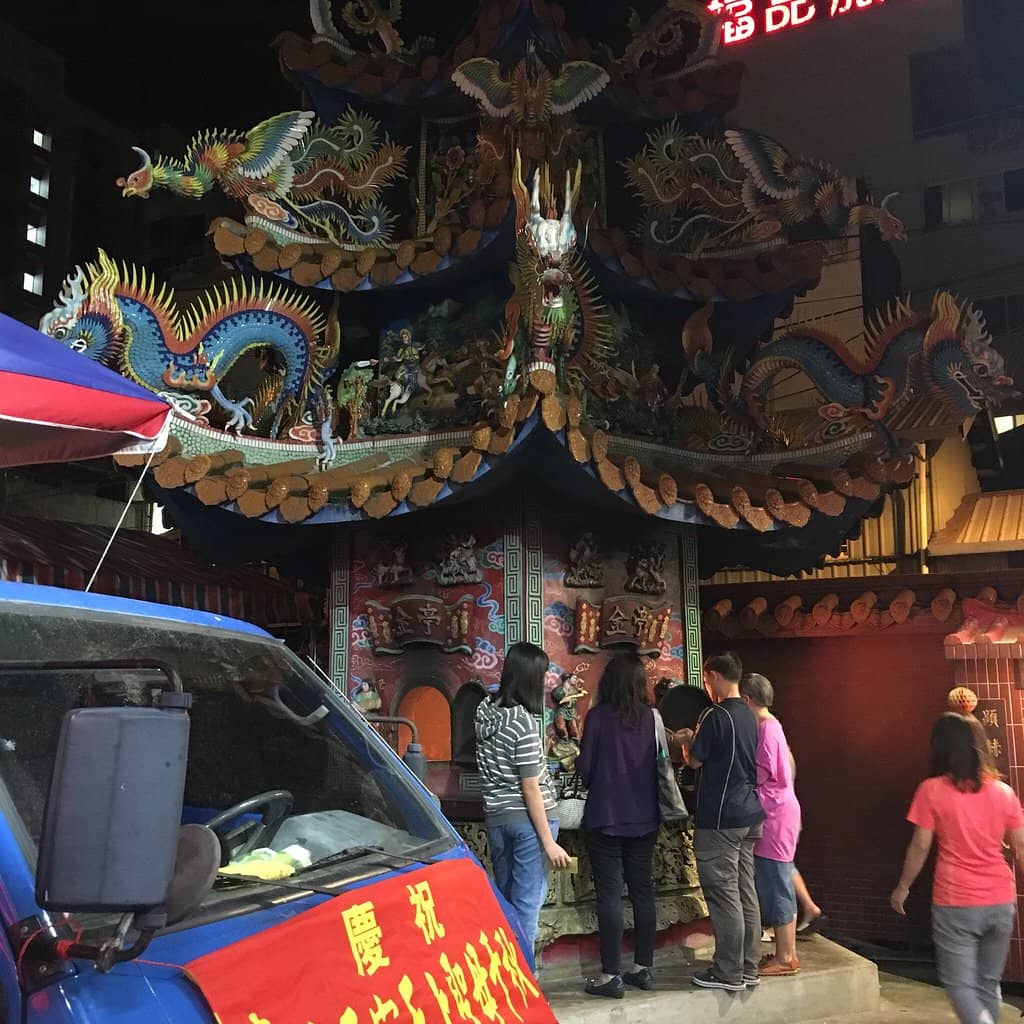
Admire the intricate brick carvings and the stunning 'Dragon Well' caisson ceiling, showcasing exquisite craftsmanship.
Judge Wuchang Statue
Main Hall
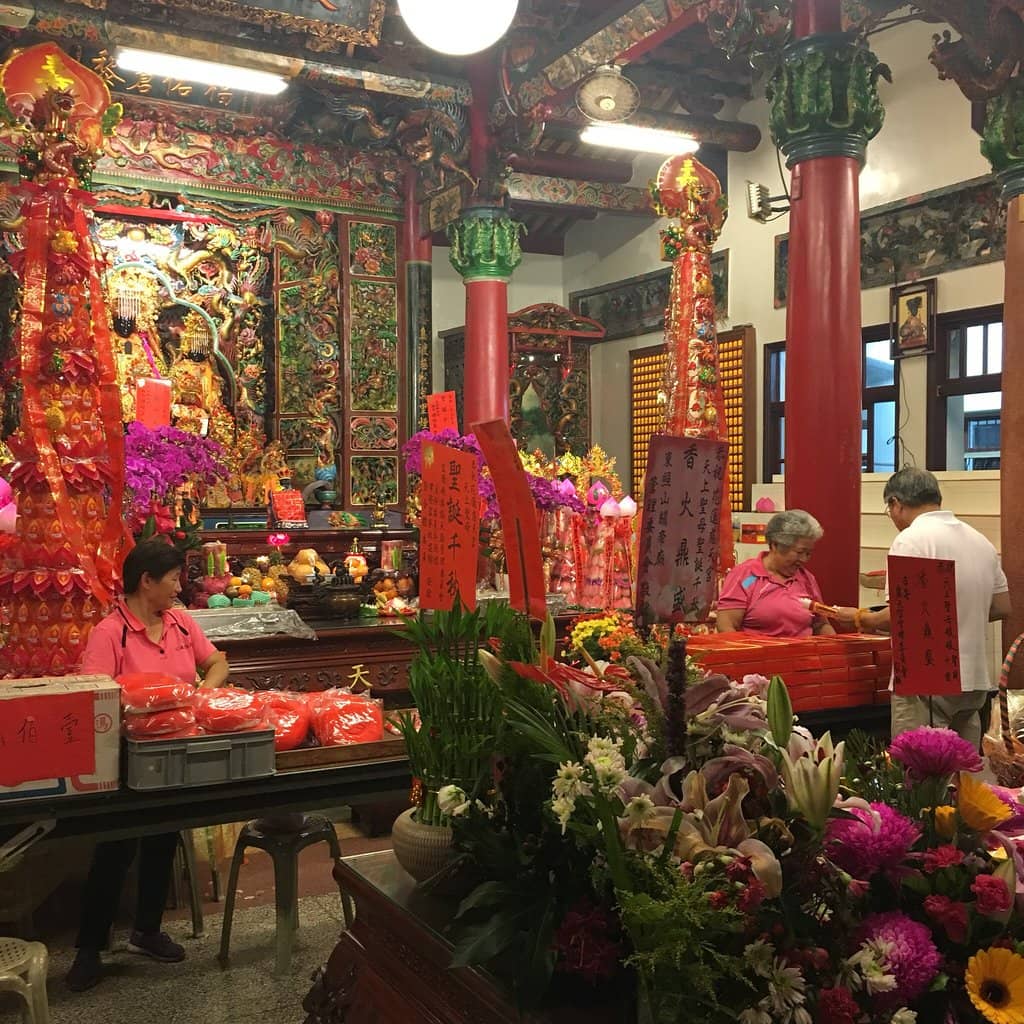
Witness the vivid and imposing statue of Judge Wuchang, a striking figure within the temple's sacred space.
Historic Donation Lists
Left and Right Walls
Reflect on history with donation lists dating back over seventy years, offering a glimpse into the temple's past.
Plans like a pro.
Thinks like you
Planning Your Visit
Timing Your Visit for Authenticity
Local Delicacies Nearby
Best Times
Insider Tips
from TikTok, Instagram & Reddit
📸 Capture the Details
Focus on the intricate brick carvings and the unique 'Dragon Well' ceiling for stunning photos.
🚶♀️ Prepare for Queues
The famous Gongzheng Baozi and Miaokou Red Tea shops next door are always busy.
🚽 Restroom Alert!
Be aware that public restrooms are scarce. Plan accordingly before your visit.
🙏 Respectful Attire
Dress modestly when visiting this religious site to show respect for local customs. 🙏
Tips
from all over the internet
📸 Capture the Details
Focus on the intricate brick carvings and the unique 'Dragon Well' ceiling for stunning photos.
🚶♀️ Prepare for Queues
The famous Gongzheng Baozi and Miaokou Red Tea shops next door are always busy.
🚽 Restroom Alert!
Be aware that public restrooms are scarce. Plan accordingly before your visit.
🙏 Respectful Attire
Dress modestly when visiting this religious site to show respect for local customs. 🙏
What Travellers Say
Reviews Summary
Visitors praise the Hualien City God Temple for its significant religious importance, divine power, and majestic architecture, particularly the intricate brick carvings and 'Dragon Well' ceiling. Its historical narrative of preservation is also a key highlight. However, a recurring downside is the notable lack of public restrooms, which can be inconvenient for visitors.
"Top, one of the greatest temples in Taiwan. Will come back again for sure."
Rennstahl Falkenjagd
"A place of great religious significance and divine power!
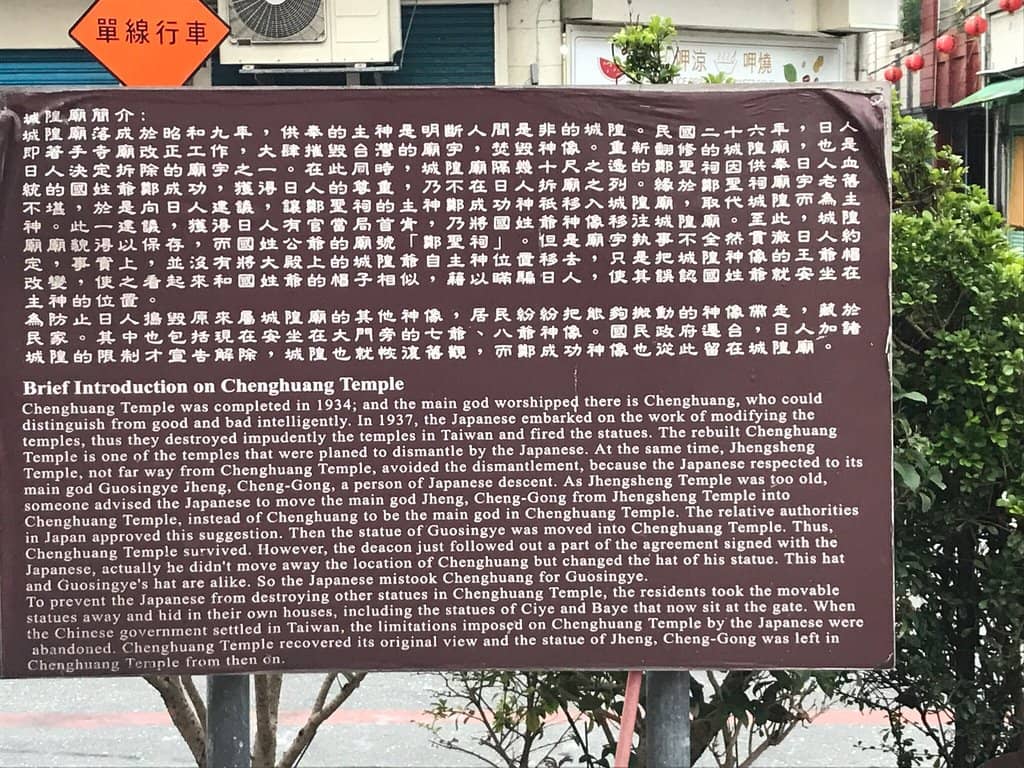
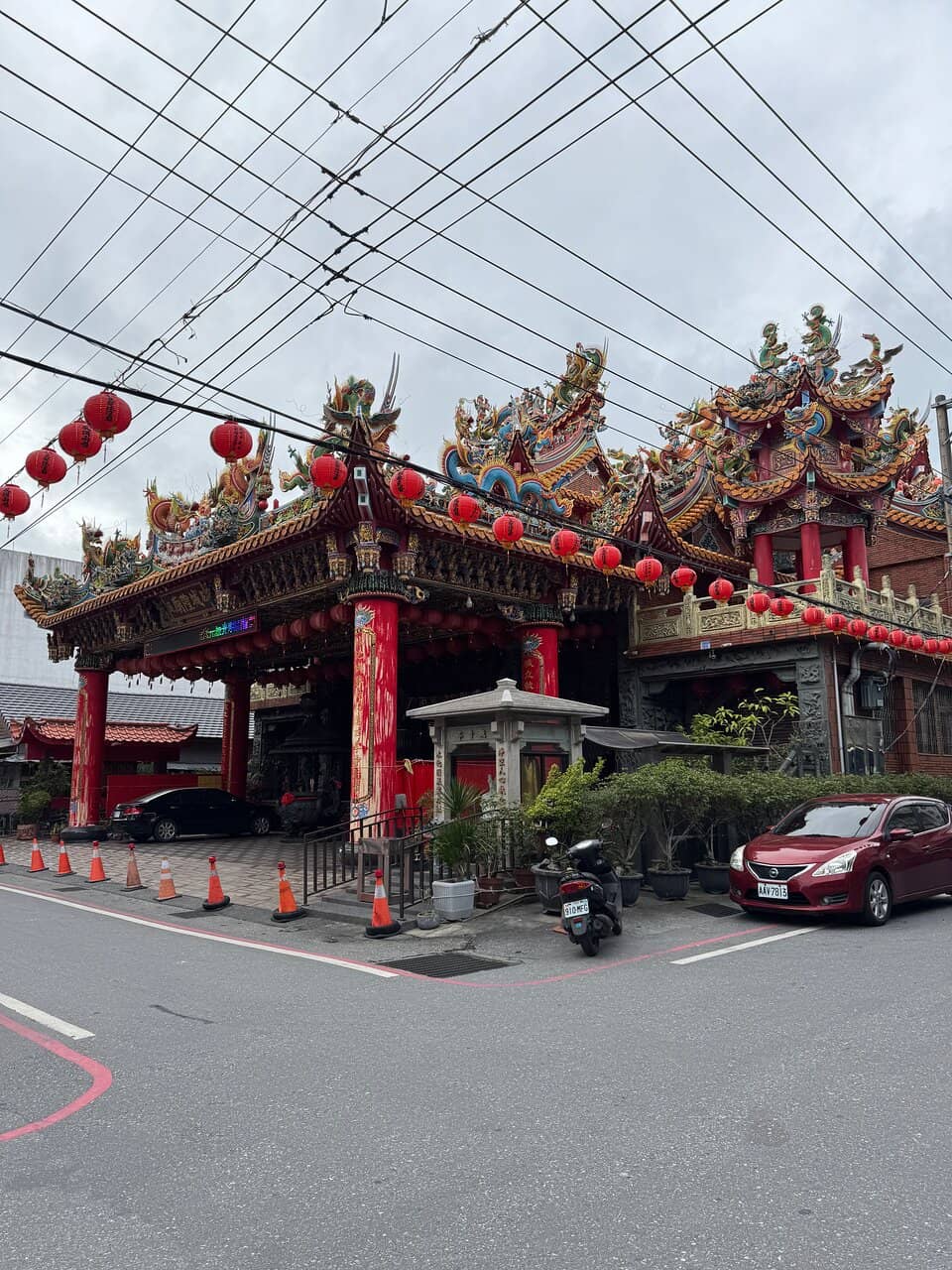
The Hualien City God Temple is located at No. 169, Chenggong Road, Hualien City, Hualien County, Taiwan. It is one of the oldest temples in Hualien City. Built in 1941 (Showa 9), it enshrines the City God. In 1943 (Showa 12), because the main deity worshipped was a Han Chinese deity, the Hualien Port Office of the Taiwan Governor-General's Office decided to demolish the temple. Locals preserved the Hualien City God Temple by relocating the statue of Zheng Chenggong, originally enshrined at the nearby Zheng Sheng Shrine, to the temple. (Wikipedia!) Next door are the Gongzheng Baozi (steamed buns) and Miaokou Red Tea & Cold Drinks shops, which are always crowded!
The downside is the lack of public restrooms! It's quite inconvenient!
Hualien City God Temple: An Introduction and History
Located in Hualien City, Hualien County, the Hualien City God Temple is the oldest temple in Hualien. Its architectural features, primarily brick carvings, add to its historical value. The donation lists on the left and right walls, with the earliest records dating back over seventy years, evoke a sense of historical reflection.
The History of Hualien City God Temple
The City God Temple was built in 1940 (Showa 9), and its main deity was the City God. In 1937 (Republic of China Year 26), the Japanese began their temple renovation project, extensively destroying temples and burning statues in Taiwan. Therefore, the Hualien City God Temple was among the temples targeted for demolition. However, the Zheng Sheng Shrine, located just a few dozen feet away, was not among the temples targeted for demolition because it enshrined Zheng Chenggong, a figure of Japanese descent. Later, locals, finding the Zheng Sheng Shrine dilapidated, suggested to the Japanese that the statue of Zheng Chenggong, the owner of the Zheng Sheng Shrine, be moved to the City God Temple, replacing the City God as the main deity.
To this day, the Hualien City God Temple has been preserved in its original state. The temple name for Koxinga (Guoxing Gongye), "Zheng Sheng Ci," was not actually used to move the City God from his position as the main deity in the main hall. Instead, the hat worn by the City God statue was altered to resemble Koxinga's hat, misleading people into believing that Koxinga was seated in the main deity's position. To prevent the Japanese from destroying other statues originally belonging to the City God Temple, residents took any movable statues and hid them in their homes. This included the statues of the Seventh and Eighth Lords, now seated beside the main gate. The restrictions imposed on the City God by the Japanese were lifted in 1949 when the Nationalist government relocated to Taiwan, and the City God Temple was restored to its former appearance. The statue of Zheng Chenggong has remained in the Hualien City God Temple ever since.
The architectural style of Hualien City God Temple
Inside the main hall of Hualien City God Temple, the caisson ceiling, also known as the "Dragon Well," is a canopy-shaped roof formed by brackets that continuously project inwards towards the center, creating a net-like structure. It is an octagonal or nearly circular "central mirror," and is called the Dragon Well because the central mirror is often painted with dragon designs. The original function of caisson ceilings was to support skylights. Later, due to their ornate decoration, craftsmen began to showcase their superb skills, resulting in the style we see today. Even more unique are the floors in the Hualien City God Temple, with patterns composed of auspicious motifs such as bats, gourds, and swords, rich in Chinese flavor. The Imperial Road, located between the two sets of steps in front of the Sanchuan Hall or the main hall, features stone slabs carved with dragons or dragon heads. Under the ancient feudal system, only the emperor could use this Imperial Road; ordinary people or sedan chair bearers would ascend from the east and west steps. Unfortunately, the Imperial Road no longer serves this function and is now merely decorative, unable to allow the public to experience the true atmosphere.
Compiled by Zheng Xuanyi
TravelKing strives to maintain the accuracy of attraction information. If there are any omissions, please contact us."
熊霸天
"Visited on August 26, 2025. The Chenghuang Temple boasts majestic architecture and a vivid statue of Judge Wuchang. The temple complements two popular online shops, Miaokou Black Tea and Gongzheng Baozi, which have attracted significant pilgrims."
鍾道明
What People Like
What People Dislike
Frequently Asked Questions
🚇 🗺️ Getting There
The Hualien City God Temple is conveniently located at No. 169, Chenggong Road, Hualien City. It's easily accessible by local bus or a short taxi ride from most parts of Hualien City. Many visitors find it a straightforward destination to reach.
Parking can be challenging in the immediate vicinity due to its central location and proximity to popular eateries. It's advisable to consider public transport or be prepared to search for parking on nearby streets. 🚗
Walking from Hualien Train Station to Chenghuang Temple is possible, but it's a bit of a trek, approximately 20-30 minutes. Taxis are readily available at the station for a quicker journey. 🚶
🎫 🎫 Tickets & Entry
No, there is no entrance fee to visit the Hualien City God Temple. It is a place of worship and is open to the public free of charge. Donations are welcome. :moneybag:
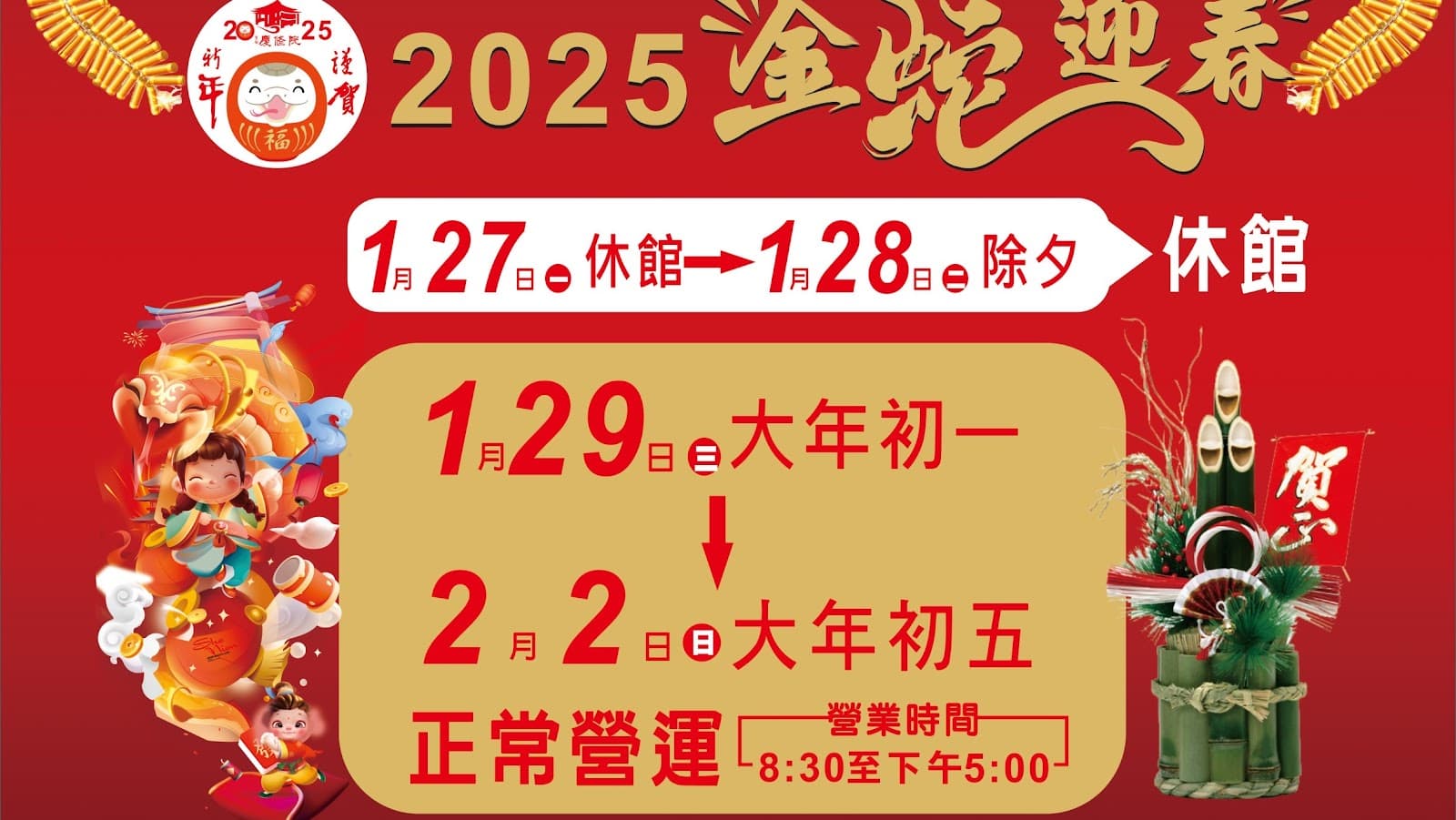
The temple is generally open from early morning until late evening, allowing visitors to experience its atmosphere throughout the day. Specific hours can vary, but it's typically accessible from around 6 AM to 10 PM. :clock1:
Photography is usually permitted inside the temple, but it's always respectful to be mindful of worshippers and avoid flash photography in sensitive areas. Always observe any posted signs. :camerawithflash:
The Hualien City God Temple was originally built in 1941 (Showa 9). It has a rich history of preservation and adaptation.
🎫 🧭 Onsite Experience
It is one of the oldest and most significant temples in Hualien City, dedicated to the City God. It holds deep religious importance for locals and is known for its divine power.
Key architectural features include intricate brick carvings, a 'Dragon Well' caisson ceiling, and unique floor patterns with auspicious motifs. The Imperial Road, though now decorative, adds to its historical charm.
Unfortunately, a common point of feedback is the lack of public restrooms. Visitors are advised to plan accordingly and use facilities before or after their visit.
The temple's history involves preserving the statue of Zheng Chenggong by relocating it from a nearby shrine to become the main deity, a strategic move to protect the temple from demolition during a historical period.
Visitors often mention spotting a cute little lion statue, though one was noted to be missing an ear. The vivid statue of Judge Wuchang is also a notable feature.
🍽️ 🍽️ Food & Dining
The temple is adjacent to two extremely popular food spots: Gongzheng Baozi (steamed buns) and Miaokou Red Tea & Cold Drinks. Expect significant crowds at both.
The temple itself is a place of worship and does not typically house restaurants. However, the surrounding area, especially next to the temple, is a hub for local eateries and street food.
Gongzheng Baozi is famous for its steamed buns, which are a must-try for many visitors. They are a simple yet delicious local specialty.
Miaokou Red Tea is a beloved local beverage spot. It's a great place to grab a refreshing drink, especially after exploring the temple or waiting for your baozi.
📸 📸 Photography
Focus on the detailed brick carvings, the impressive 'Dragon Well' ceiling, and the statues within the main hall. The exterior architecture also offers great photographic opportunities.
While generally allowed, it's important to be respectful. Avoid using flash photography directly at worshippers or in areas where it might be disruptive. Always check for any posted signage. :camerawithflash:
Natural daylight provides the best illumination for capturing the temple's details. Early morning or late afternoon light can create beautiful, soft shadows that enhance the architectural features. 🌅


Social
from TikTok, Instagram & Reddit