Pompey Museum of Slavery and Emancipation
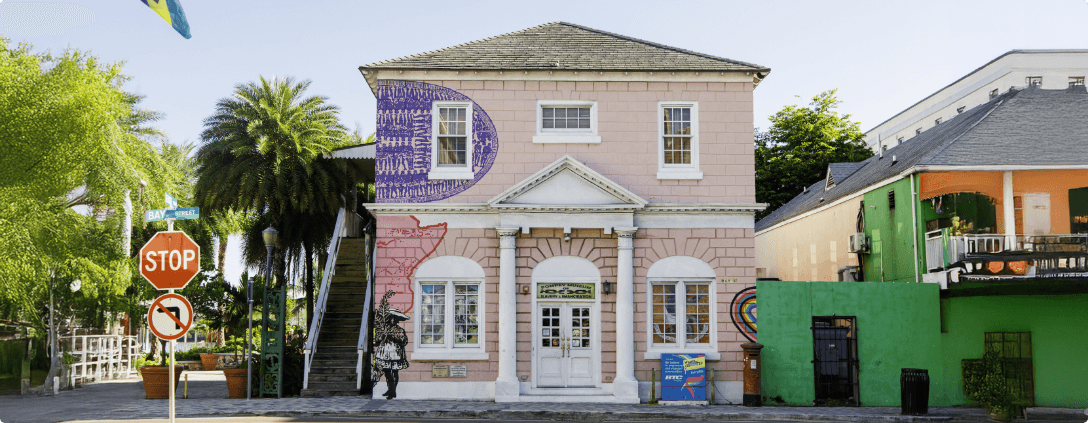
Step into history at the Pompey Museum, housed in Nassau's oldest building, the Vendue House, a former site of slave auctions.
Highlights
Must-see attractions

Social
From TikTok & Reddit
Best Time
Escape cruise ship crowds
Pompey Museum of Slavery and Emancipation
Best Time
Escape cruise ship crowds
Highlights
Must-see attractions
Step into history at the Pompey Museum, housed in Nassau's oldest building, the Vendue House, a former site of slave auctions.
"Extremely instructive and interactive, a wonderful small museum about slavery and Bahamas history."
Budget-Friendly Admission
For just $5-$5.50, you get an incredibly informative experience. A true bargain for Nassau! :moneybag:
Allow an Hour
You'll need about 45-60 minutes to fully appreciate the exhibits and historical context. 🕐
Quick Facts
Hours
Rating
4.4 · 431 reviews
Type
Museum
Highlights
Discover the most iconic attractions and experiences
Vendue House Architecture
Exterior
Explore the oldest building in downtown Nassau, a historic brick structure that once served as a market and auction site.
Slavery & Emancipation Exhibits
Interior
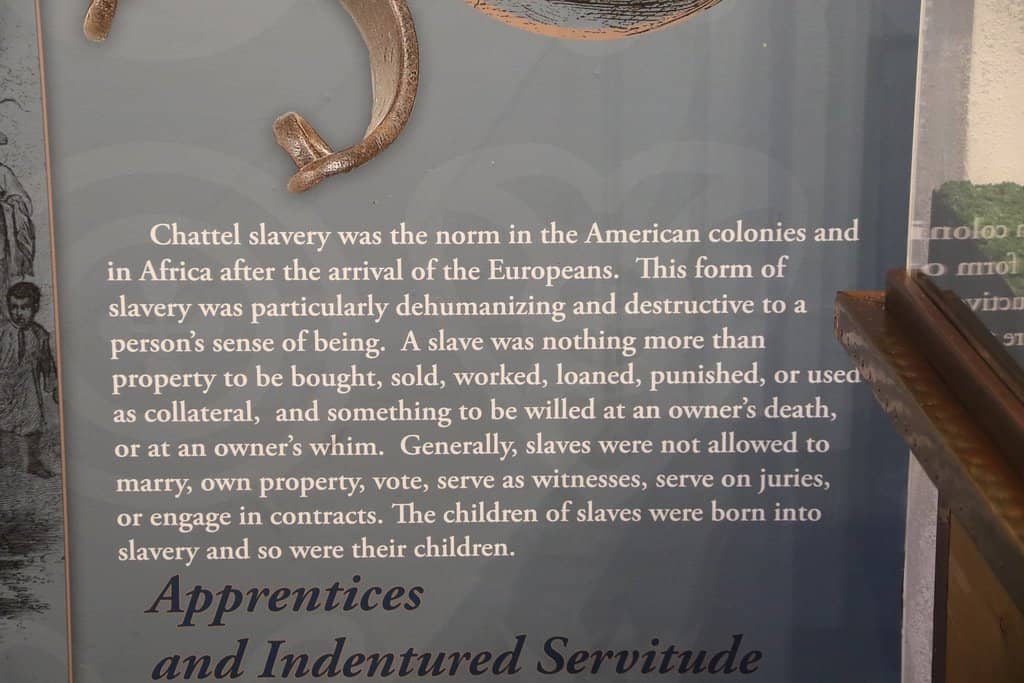
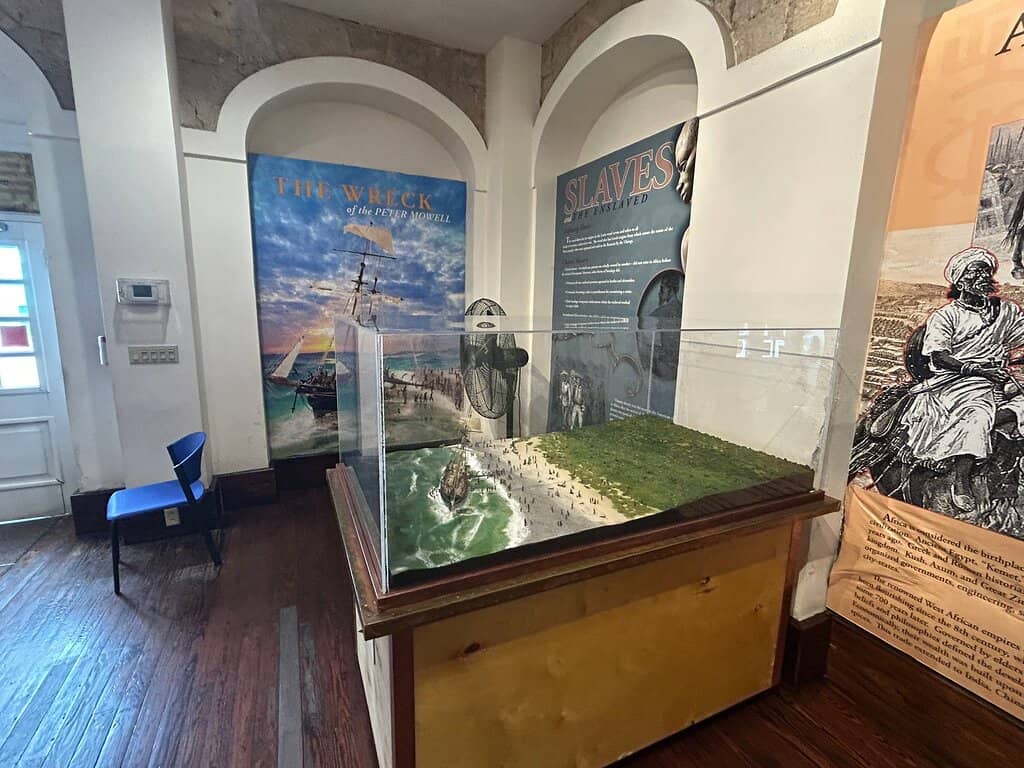
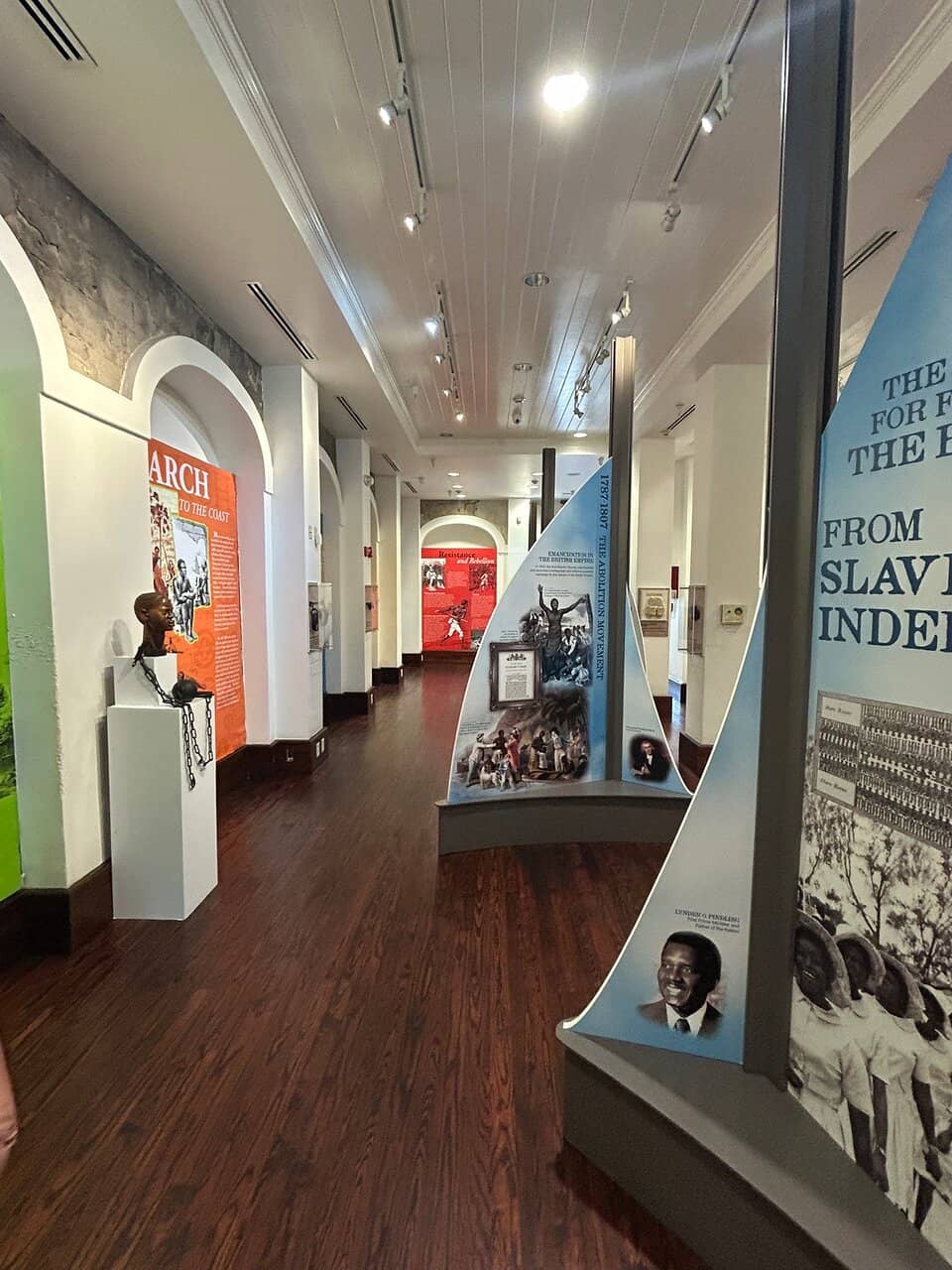
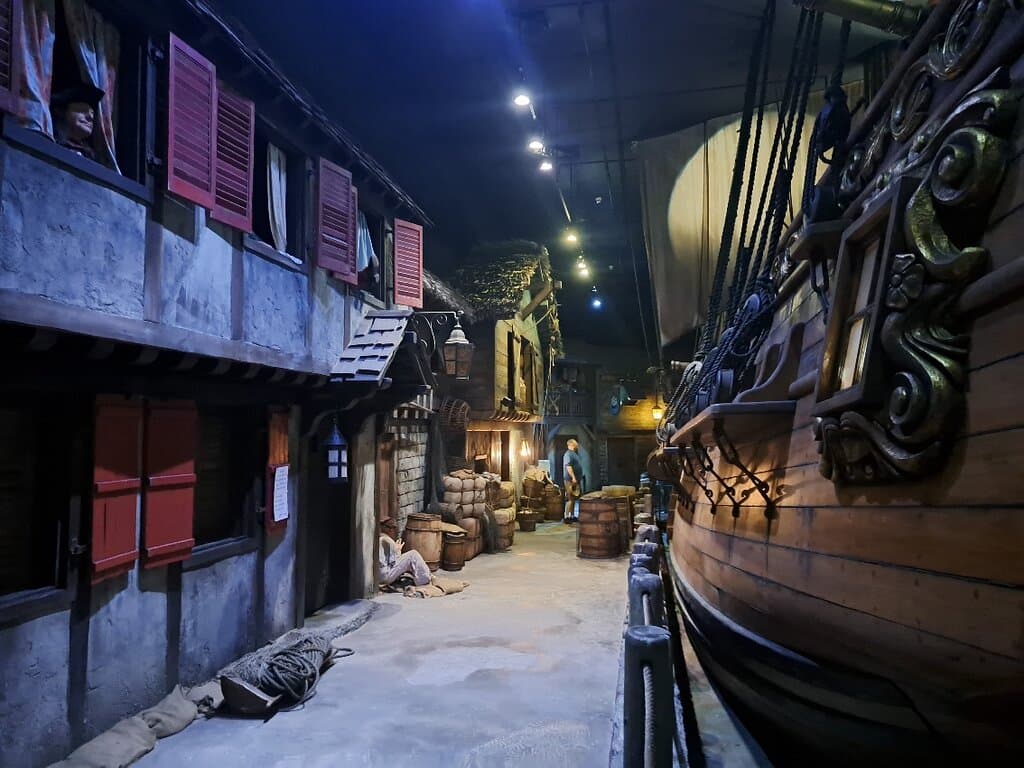
Gain insight into the brutal history of slavery, revolts, and the path to freedom for Bahamians through artifacts and displays.
Lucayan History
Interior
Learn about the indigenous Lucayan population and their tragic decimation following Columbus's arrival.
Plans like a pro.
Thinks like you
Planning Your Visit
Embrace the History
Location & Accessibility
Best Times
Insider Tips
from TikTok, Instagram & Reddit
Budget-Friendly Admission
For just $5-$5.50, you get an incredibly informative experience. A true bargain for Nassau! :moneybag:
Allow an Hour
You'll need about 45-60 minutes to fully appreciate the exhibits and historical context. 🕐
Cool Off Inside
Escape the heat and humidity in the museum's refreshing, cold A/C. A peaceful sanctuary. :snowflake:
Respectful Visit
Consider leaving a donation to honor ancestors and help preserve this vital history. 🙏
Tips
from all over the internet
Budget-Friendly Admission
For just $5-$5.50, you get an incredibly informative experience. A true bargain for Nassau! :moneybag:
Allow an Hour
You'll need about 45-60 minutes to fully appreciate the exhibits and historical context. 🕐
Cool Off Inside
Escape the heat and humidity in the museum's refreshing, cold A/C. A peaceful sanctuary. :snowflake:
Respectful Visit
Consider leaving a donation to honor ancestors and help preserve this vital history. 🙏
Learn Bahamian History
Understand the historical background of over 90% of Bahamian people. Essential for context. 📚
What Travellers Say
Reviews Summary
Visitors consistently praise the Pompey Museum for its affordability and deeply informative content, offering crucial insights into Bahamian history and the legacy of slavery. While small, the museum is highly regarded for its educational value and the respectful way it presents a difficult past. Some note it's a brief visit, but overwhelmingly, reviewers find it a worthwhile and essential stop.
"The Bahamas didn’t receive independence from the British until July 10, 1973; however, the prolonged period of torment, bondage, and colonization was not without resistance. I’m enamored with culture and history, so during my first visit to Nassau I made a point to visit the educational Pompey Museum of Emancipation & Slavery.
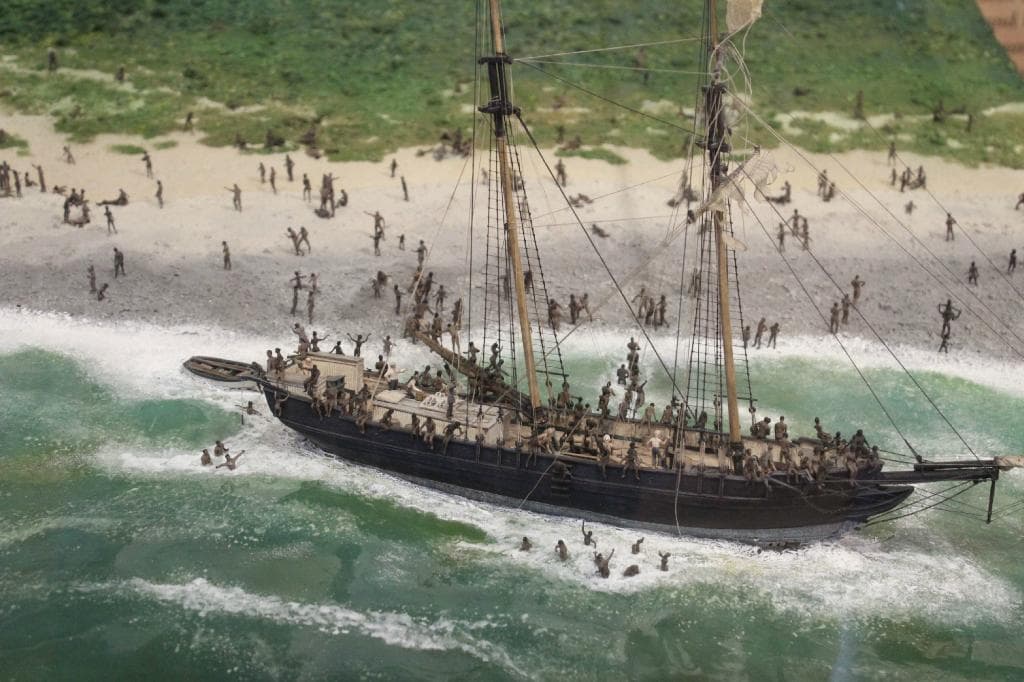
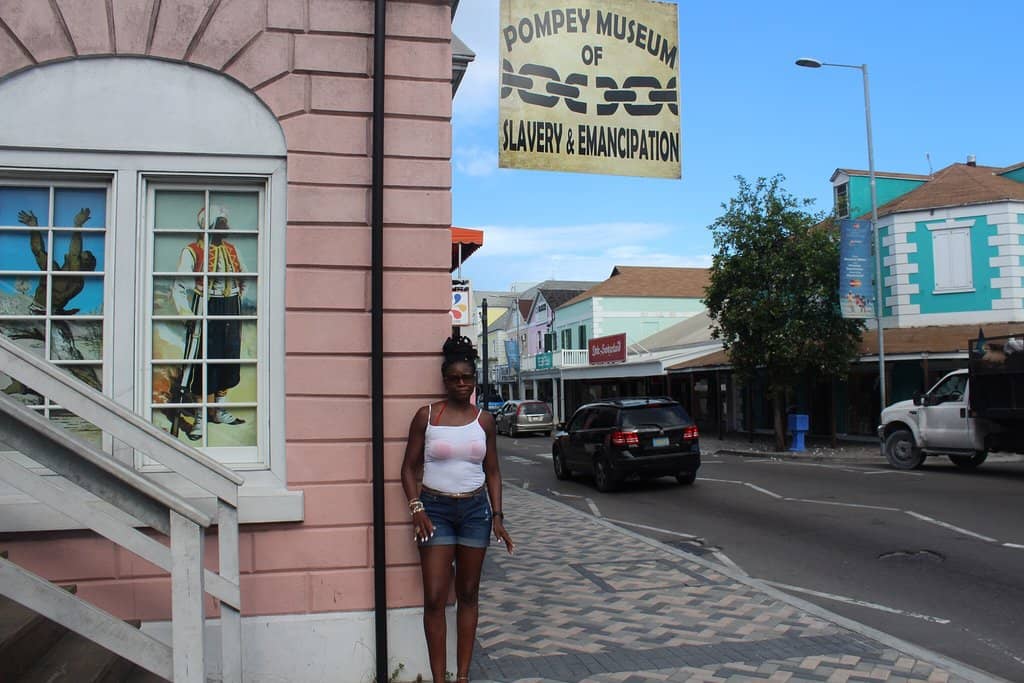
Situated among the shops and cruise ship activities in the heart of downtown on Bay Street, the Pompey Museum offers an opportunity to learn about the brutal chronology of slavery, the revolts, and the eventual freedom of the Bahamians. The colorful and artsy building, known as the Vendue House, enslaved Africans here and subsequently sold them on the auction block.
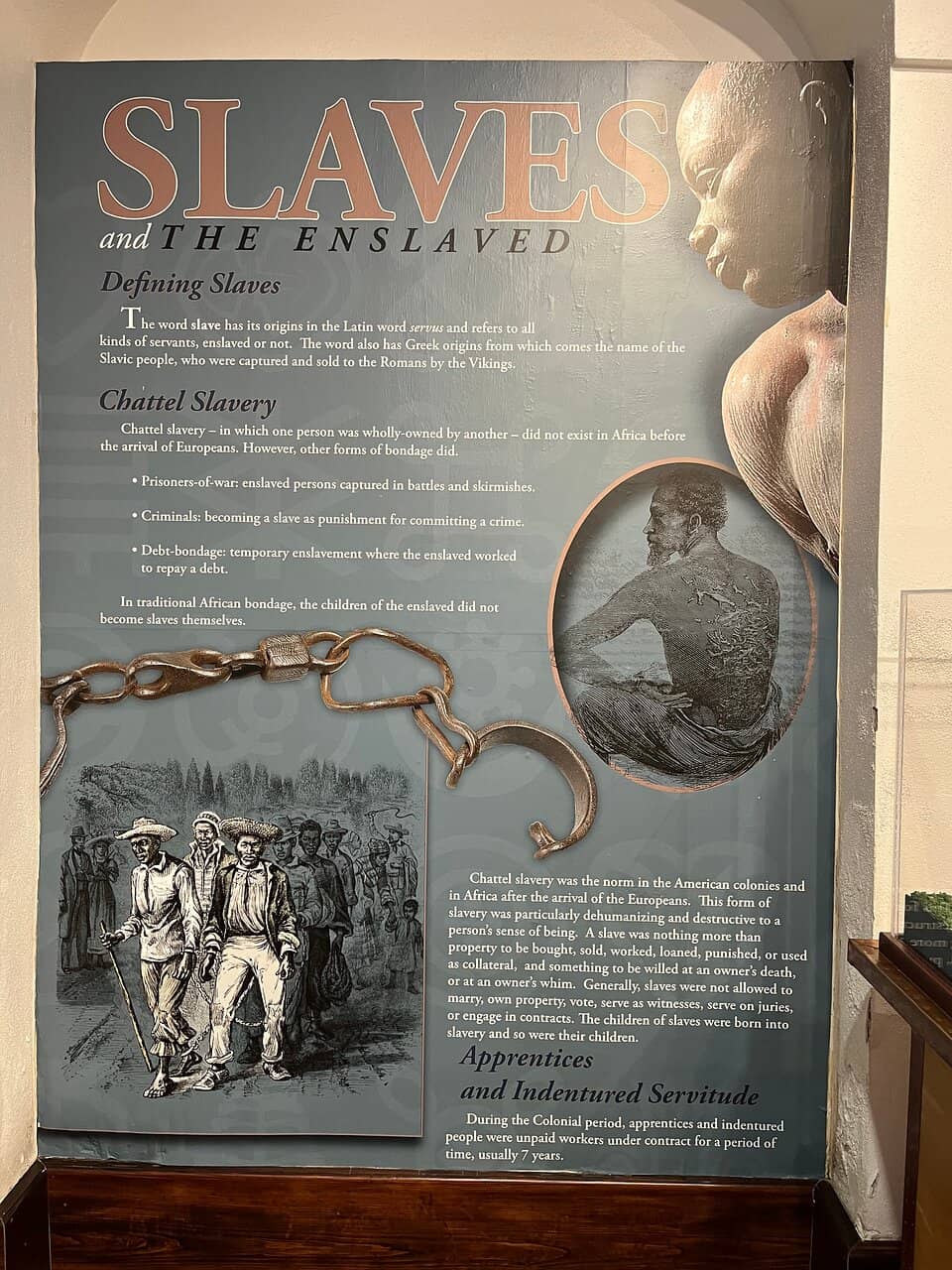
The fee is only $5, and you can expect to spend 45 minutes to an hour learning about Bahamian slavery and the Transatlantic Slave Trade through visual presentations, slave artifacts, and kiosks filled with information.
The timeline begins with the origin story of the indigenous Lucayan population, who were native to The Bahamas and Turks and Caicos before the era of slavery. Unfortunately, they were decimated by disease, murder, hardship, and enslavement within a few decades by Christopher Columbus who arrived in 1492 thinking he had discovered a shorter route to Asia. Surrounded by shallow waters, the tropical island was originally called Guanahani by the Lucayans, but the Italian explorer selfishly deemed it San Salvador.
“If there is no struggle, there is no progress.” -- Frederick Douglass
Full review = www.PoeticThought.com"
Kimatni Rawlins
"Extremely instructive and interactive. Wonderful small museum about slavery and Bahamas history, I wish more people would pay it a visit, it truly deserves it and for a minimal price (5.50$), which for Nassau prices it’s literally nothing. Highly recommend!"
Melissa Galia
"Cold A/C step away from crowds and catch your breath in calming dark peaceful place. Leave a donation to respect ancestors and preserve history."
Leah Swain
What People Like
What People Dislike
Frequently Asked Questions
🚇 🗺️ Getting There
The Pompey Museum is conveniently located on Bay Street, a short and safe walk from the Prince George Wharf cruise port. Many visitors find it an easy stroll, perfect for a quick educational stop. 🚶
While walking is the most common and recommended method from the cruise port, local jitneys (buses) also serve Bay Street, offering an affordable way to get around downtown Nassau if you're coming from further afield. 🚌
Yes, the walk along Bay Street is generally considered safe, especially during daylight hours when cruise ship passengers are active. It's a well-trafficked area. 🛡️
Downtown Nassau is very walkable. For longer distances, jitneys are a cheap and cheerful option. Taxis are also readily available, but agree on the fare beforehand. 🚕
Parking in downtown Nassau can be challenging. If you're not arriving by cruise ship, look for public parking lots or street parking, but be prepared for limited availability. 🚗
🎫 🎫 Tickets & Entry
Admission is very affordable, typically around $5 to $5.50 USD per person. It's considered an excellent value for the historical insights provided. 🎟️
Opening hours can vary, but generally, the museum is open during typical daytime business hours, often from around 9 AM or 10 AM to 5 PM. It's always a good idea to check their official website or social media for the most current hours before your visit. 📅
Advance booking is usually not required for the Pompey Museum due to its modest size and pricing. You can typically purchase tickets upon arrival. 💳
While specific discounts aren't always advertised, the admission price is already very low. Children or seniors might occasionally receive reduced rates, but it's best to inquire directly at the ticket counter. :discount:
The museum is housed in a historic building, which can present accessibility challenges. While efforts are made, some areas might be difficult to navigate for those with mobility issues. It's advisable to contact the museum directly for specific accessibility information. ♿
🎫 🏛️ Onsite Experience
Most visitors find that 45 minutes to an hour is sufficient to explore the exhibits and absorb the historical information presented. :stopwatch:
The museum features visual presentations, artifacts, touch screens, and audio-visual stories detailing the history of slavery, revolts, emancipation, and the indigenous Lucayan population. 🎨
Yes, the museum incorporates interactive elements like touch screens and audio-visual stories to make the historical narrative engaging and informative. :iphone:
Photography policies can vary. Generally, personal photography without flash is often permitted for educational purposes, but it's best to check for signage or ask staff upon arrival. :camerawithflash:
While not always heavily advertised, some smaller museums may have a small selection of books or souvenirs related to Bahamian history. Inquire at the front desk. 🎁
🍽️ 🍽️ Food & Dining
The Pompey Museum itself does not typically have a restaurant or cafe. However, it is located on Bay Street, which is lined with numerous restaurants, cafes, and bars offering a wide range of cuisines. 🍴
You'll find everything from local Bahamian dishes like conch fritters and grilled fish to international cuisine. Many options cater to cruise ship visitors. :tropical_fish:
It's generally not permitted to bring food or drinks into museum exhibits to protect the artifacts. There are plenty of places to eat before or after your visit. :water_wave:
Yes, look for local eateries or food stalls slightly off the main tourist drag for more affordable options. Jollification's and Bahamian Cookin' are often recommended for authentic, reasonably priced meals. :moneywithwings:
For authentic Bahamian flavors, try local spots like Bahamian Cookin' or The Fish Fry at Arawak Cay (a short taxi ride away) for a true taste of the islands. 🏝️
📸 📸 Photography
The historic Vendue House building itself offers great exterior shots. Inside, the exhibits, particularly any artistic visualizations or artifacts, can be photogenic, though check photography rules. 📷
Flash photography is generally discouraged or prohibited in museums to protect delicate artifacts and exhibits from damage. Always look for signs or ask staff. :no_flash:
Absolutely! Bay Street offers a vibrant backdrop with colonial architecture. Pompey Square, right next door, is also a picturesque spot, often featuring local performers or markets. :cityscape:
Late afternoon, as the sun begins to set, can offer beautiful golden hour light for photos of the square and surrounding buildings. Early morning can also be quieter and less crowded. 🌅
Pompey Square itself, with its historical significance and often lively atmosphere, is a popular spot. The colorful colonial buildings along Bay Street also make for great backdrops. ✨



Social
from TikTok, Instagram & Reddit