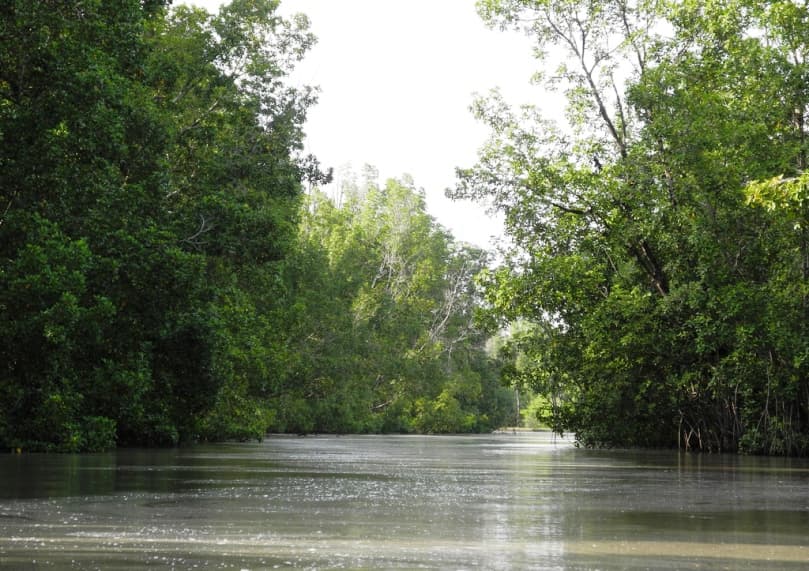
Bao Bolong Wetland Reserve The Gambia
Discover the serene beauty of Bao Bolong Wetland Reserve, a haven for diverse birdlife and intricate mangrove ecosystems in The Gambia.
Highlights
Must-see attractions

Social
From TikTok & Reddit
Best Time
Dry season, pleasant weather
Bao Bolong Wetland Reserve The Gambia
Best Time
Dry season, pleasant weather
Highlights
Must-see attractions
Discover the serene beauty of Bao Bolong Wetland Reserve, a haven for diverse birdlife and intricate mangrove ecosystems in The Gambia.
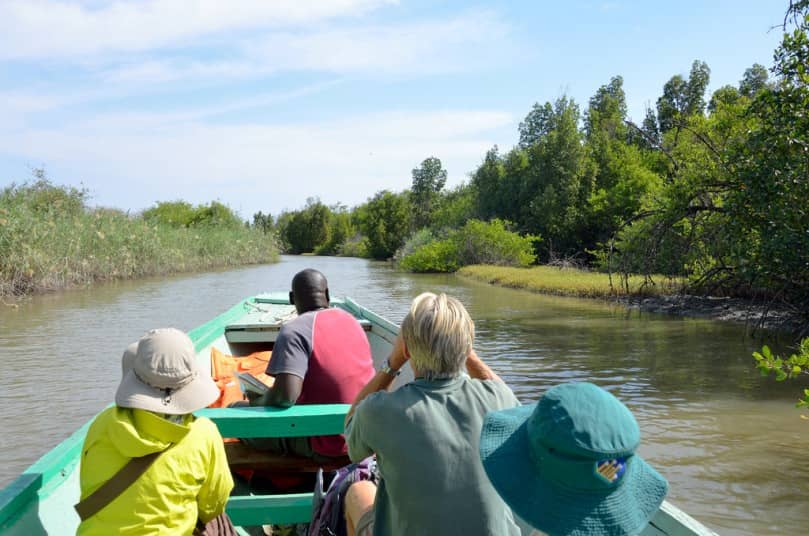
Hire a Local Guide
Essential for navigation & wildlife spotting. They know the best spots! :bustsinsilhouette:
Pack Insect Repellent
Mosquitoes can be prevalent, especially at dawn and dusk. :bug:

Quick Facts
Address
Highlights
Discover the most iconic attractions and experiences
Birdwatching Paradise
Throughout the reserve
Spot diverse avian species, from kingfishers to pelicans, in their natural habitat. A must-see for bird enthusiasts!
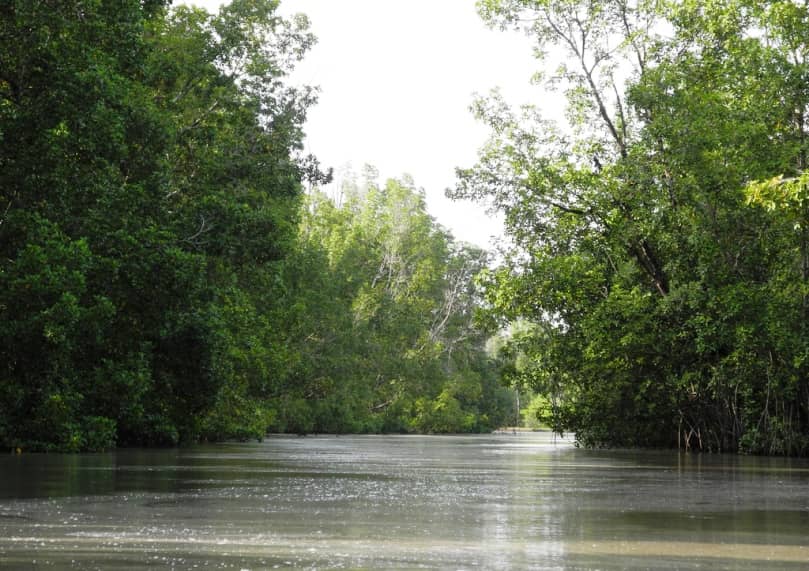
Mangrove Exploration
Along the waterways
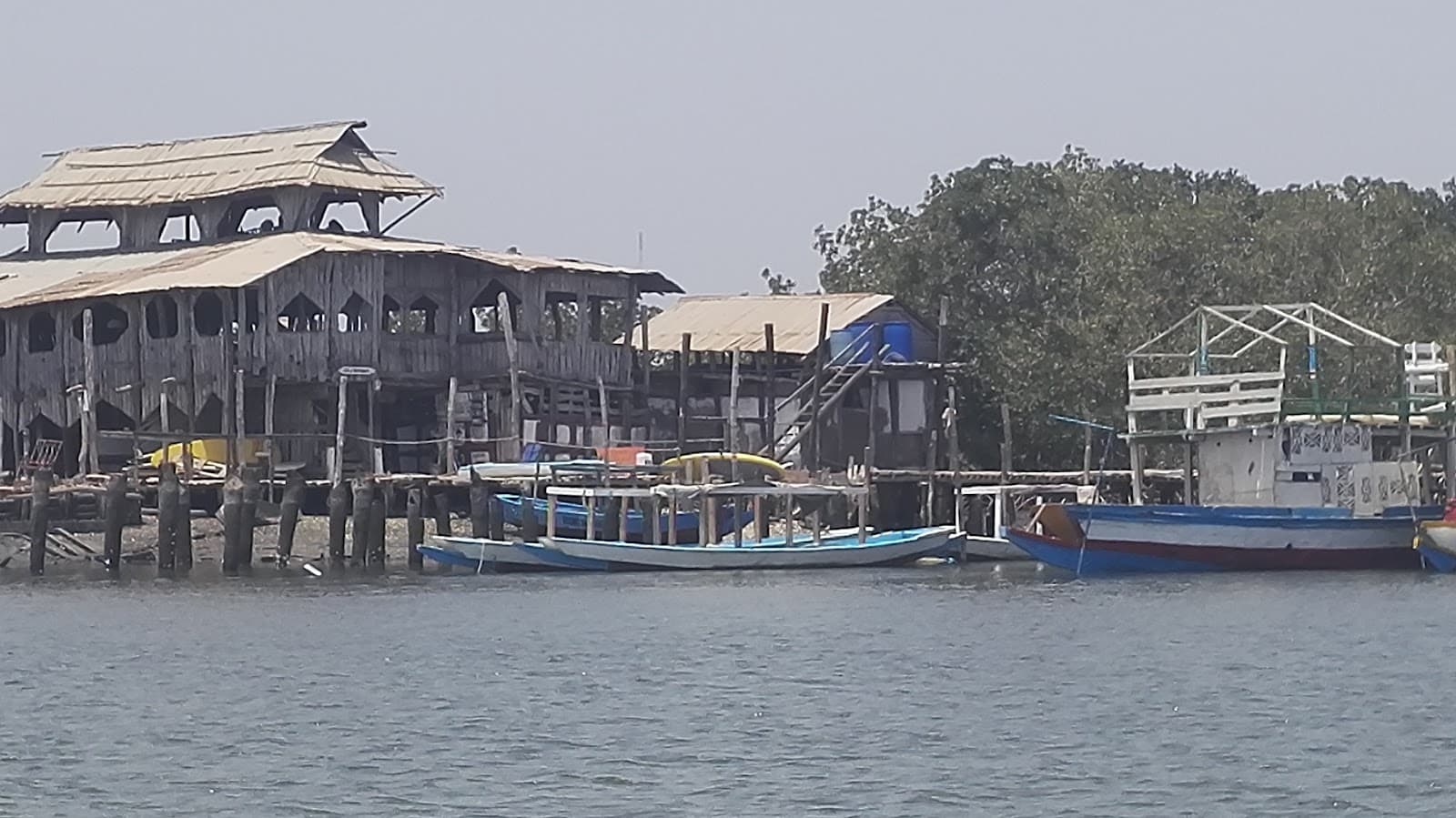
Navigate the intricate mangrove channels by boat, a unique ecosystem teeming with life.
Local Village Visits
Adjacent communities
Experience authentic Gambian culture and hospitality by visiting nearby fishing villages.
Plans like a pro.
Thinks like you
Planning Your Visit
Best Time to Visit Bao Bolong
Getting Around Bao Bolong
Best Times
Insider Tips
from TikTok, Instagram & Reddit
Hire a Local Guide
Essential for navigation & wildlife spotting. They know the best spots! :bustsinsilhouette:
Pack Insect Repellent
Mosquitoes can be prevalent, especially at dawn and dusk. :bug:
Bring Binoculars
Enhance your birdwatching experience and spot distant wildlife. :binoculars:
Wear Light, Quick-Dry Clothing
Comfortable for boat trips and humid conditions. :athletic_shoe:
Tips
from all over the internet
Hire a Local Guide
Essential for navigation & wildlife spotting. They know the best spots! :bustsinsilhouette:
Pack Insect Repellent
Mosquitoes can be prevalent, especially at dawn and dusk. :bug:
Bring Binoculars
Enhance your birdwatching experience and spot distant wildlife. :binoculars:
Wear Light, Quick-Dry Clothing
Comfortable for boat trips and humid conditions. :athletic_shoe:
What Travellers Say
Reviews Summary
Visitors rave about the stunning natural beauty and incredible birdlife at Bao Bolong Wetland Reserve. The immersive boat tours through the mangroves and the opportunity to connect with local culture are frequently praised. However, some note that facilities are basic and that planning with a reliable guide is essential for a smooth experience.
What People Like
What People Dislike
Frequently Asked Questions
🚇 🗺️ Getting There
The reserve is typically accessed by boat from nearby villages like Lamin or Kartong. Many visitors arrange transport through their accommodation or local tour operators. The journey itself is part of the adventure, offering scenic views of the Gambian coastline and river systems.
Boat trips are the primary mode of transport within Bao Bolong Wetland Reserve. Local guides will navigate you through the intricate mangrove channels and waterways, providing excellent opportunities for wildlife viewing.
Direct road access to the core wetland areas is limited. The most practical approach is to arrange a boat tour from a coastal village. Some areas might be accessible by 4x4 vehicles during the dry season, but this is less common for general tourism.
Yes, numerous tour operators in The Gambia offer day trips or multi-day excursions to Bao Bolong Wetland Reserve. These tours often include boat hire, guide services, and sometimes village visits.
Bao Bolong Wetland Reserve is located in the western part of The Gambia, near the border with Senegal. While there isn't a single 'major town' directly adjacent, towns like Brikama are relatively accessible and serve as hubs for arranging transport.
🎫 🎫 Tickets & Entry
Entry fees may apply, often collected by local guides or community representatives. It's advisable to confirm pricing with your guide or tour operator beforehand to avoid surprises.
The reserve is generally accessible during daylight hours. However, the best times for wildlife viewing are early morning and late afternoon. Access is dependent on boat availability and guide schedules.
Advance booking is usually done through tour operators or by contacting local guides. For independent travelers, it's best to arrange your boat trip and guide upon arrival at a departure point.
Information on discounts is not widely publicized. It's recommended to inquire directly with tour providers or local guides when making arrangements for your visit.
Entry fees typically contribute to the conservation of the reserve and support local communities. The exact inclusions can vary, but it generally grants access to the protected area for exploration.
🎫 🧭 Onsite Experience
The reserve is a haven for birdlife, with species like pelicans, kingfishers, herons, and various waders. You might also spot monkeys, monitor lizards, and if you're very lucky, hippos or crocodiles in the waterways.
The main activities include boat tours through the mangroves, birdwatching, nature photography, and visiting local fishing villages. It's a serene destination for nature lovers.
Yes, children can enjoy the boat rides and spotting wildlife. However, ensure they are supervised closely, especially near the water, and are comfortable with the natural environment.
Lightweight, quick-drying clothing is recommended due to the humidity. Comfortable walking shoes or sandals that can get wet are ideal. A hat and sunglasses are also advisable.
Facilities are very basic. Restrooms might be available at departure points or in nearby villages. It's best to bring your own snacks and water, as dining options within the reserve are non-existent.
📸 📸 Photography
The intricate mangrove roots, diverse bird species in flight or perched, local fishing scenes, and the serene water reflections offer fantastic photographic subjects. Sunrise and sunset can provide dramatic lighting.
A telephoto lens is highly recommended for capturing wildlife, especially birds. A wide-angle lens can be useful for landscape shots of the mangroves and waterways. A waterproof camera or protective casing is a good idea due to the water.
Early morning and late afternoon offer the softest, most flattering light for photography, minimizing harsh shadows and enhancing colors. This is also when wildlife is most active.
Drone usage regulations can be strict in protected areas. It's best to check with local authorities or your guide before flying a drone to ensure compliance and avoid any issues.
Focus on the textures of the roots, the play of light and shadow on the water, and the unique shapes of the mangrove trees. Shots of small creatures and the reflections in the water can also be very evocative.



Social
from TikTok, Instagram & Reddit