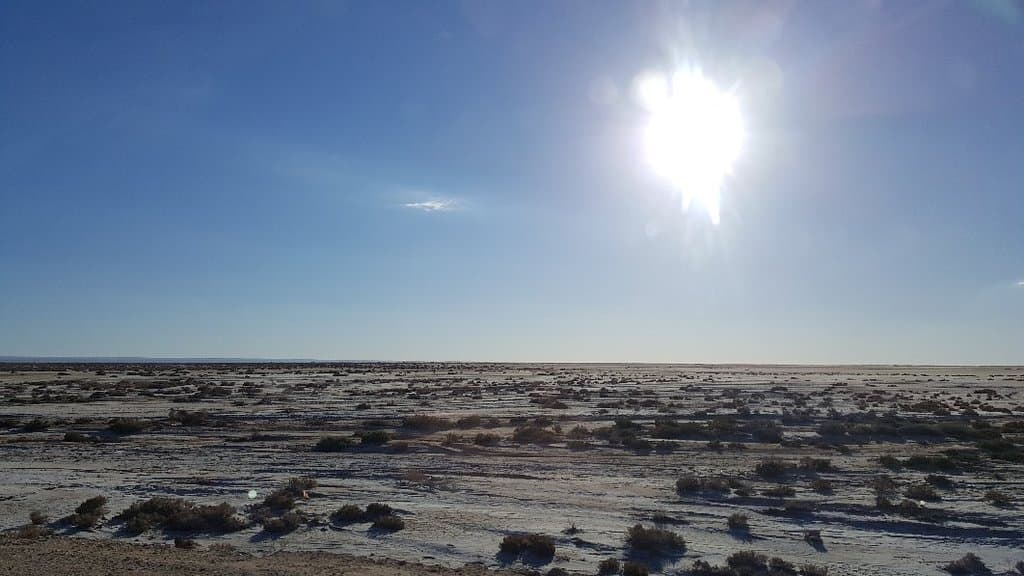
Dghoumes National Park Tunisia
Discover ancient Roman history amidst Tunisia's vast, rugged desert landscapes. A unique blend of archaeology and arid beauty.
Highlights
Must-see attractions

Social
From TikTok & Reddit
Best Time
Pleasant temperatures for exploring
Dghoumes National Park Tunisia
Best Time
Pleasant temperatures for exploring
Highlights
Must-see attractions
Discover ancient Roman history amidst Tunisia's vast, rugged desert landscapes. A unique blend of archaeology and arid beauty.
Pack Plenty of Water 💧
Crucial for desert exploration. Stay hydrated to enjoy your visit to Dghoumes National Park.
Sturdy Footwear Essential 👟
Navigate uneven terrain and ruins comfortably. Good hiking shoes are a must for Dghoumes.
Quick Facts
Highlights
Discover the most iconic attractions and experiences
Ancient Roman Ruins
Dghoumes archaeological site
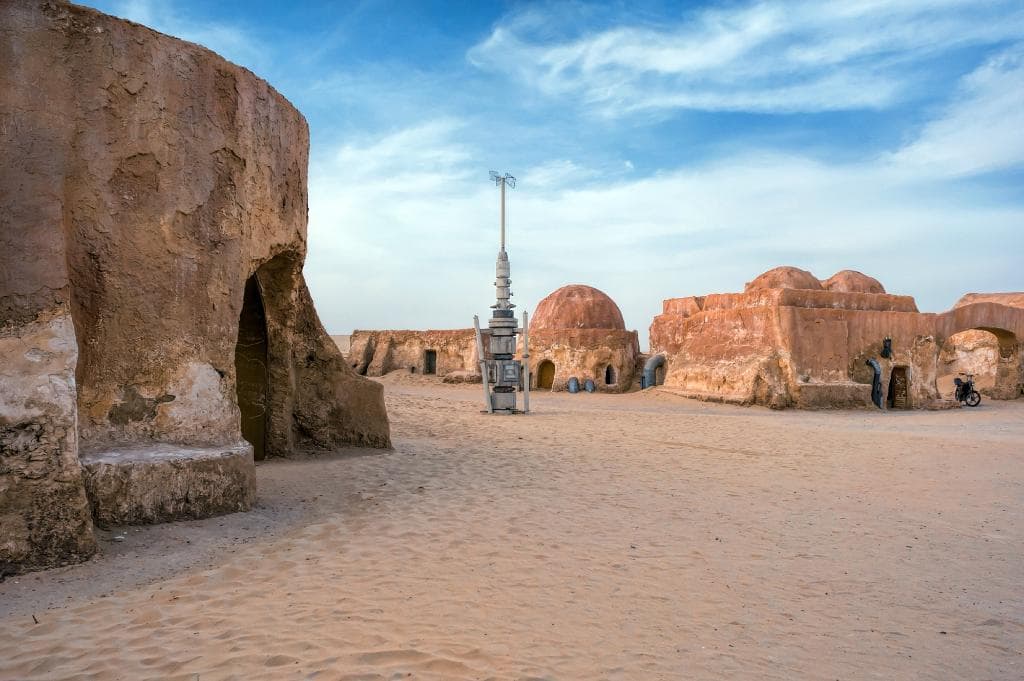
Wander through remarkably preserved Roman ruins, offering a glimpse into ancient life amidst stunning natural scenery.
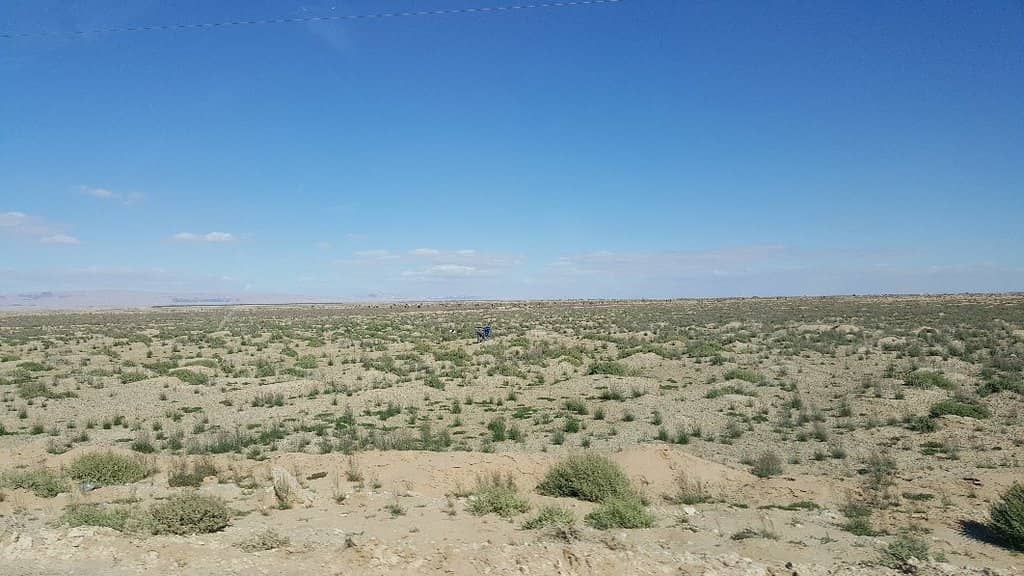
Diverse Desert Flora & Fauna
Throughout the park
Discover unique desert plants and keep an eye out for local wildlife adapted to this arid environment.
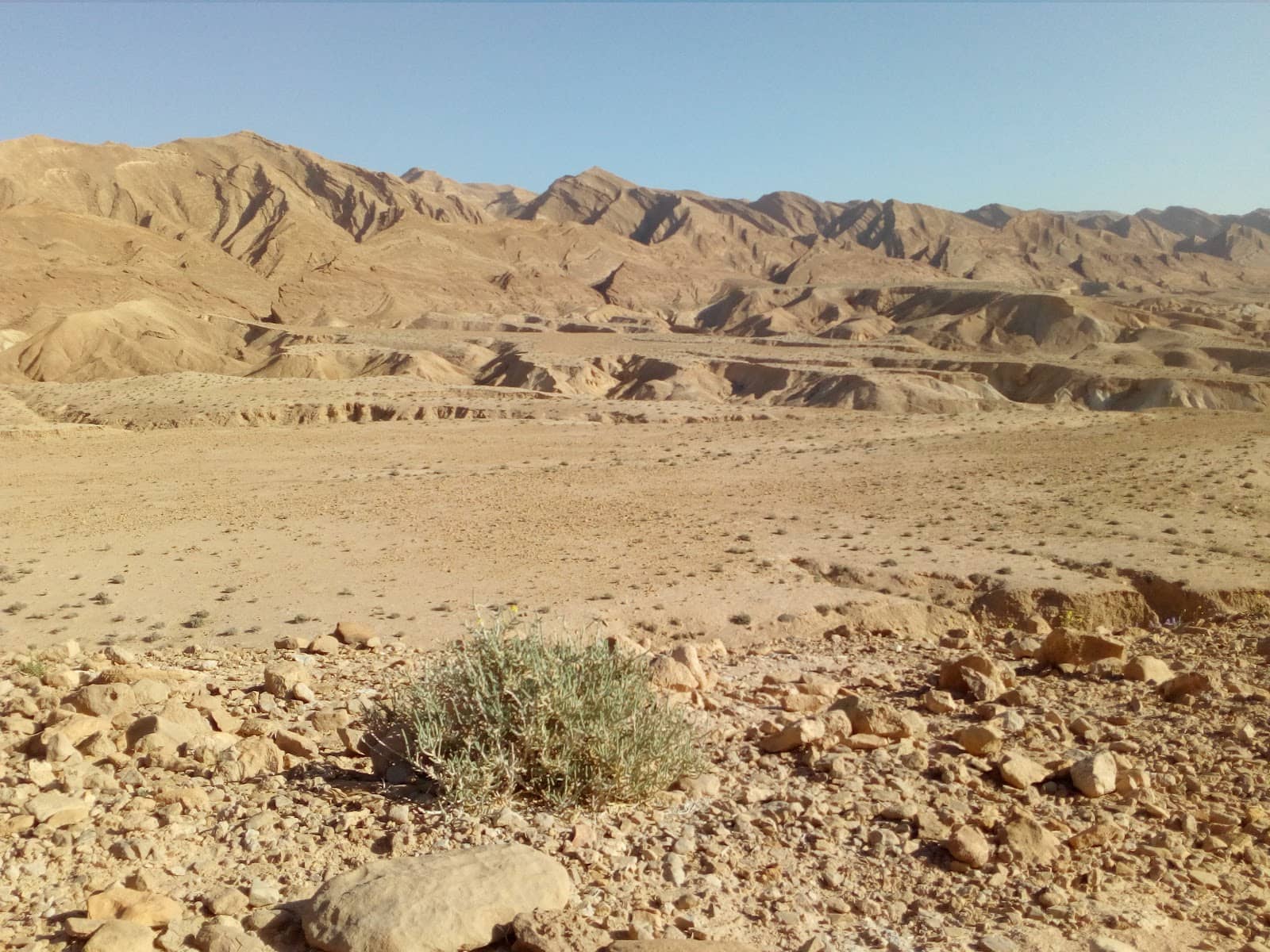
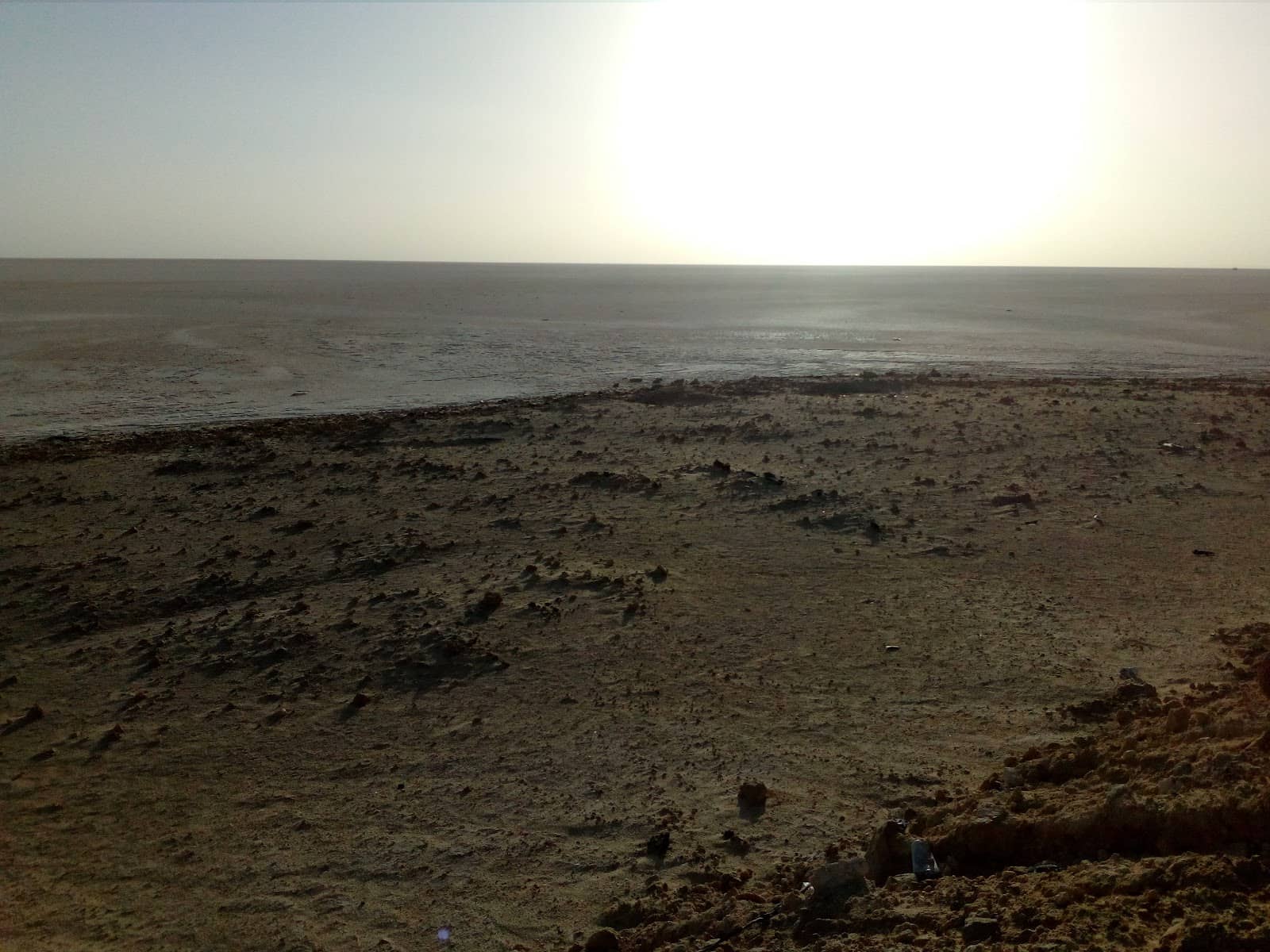
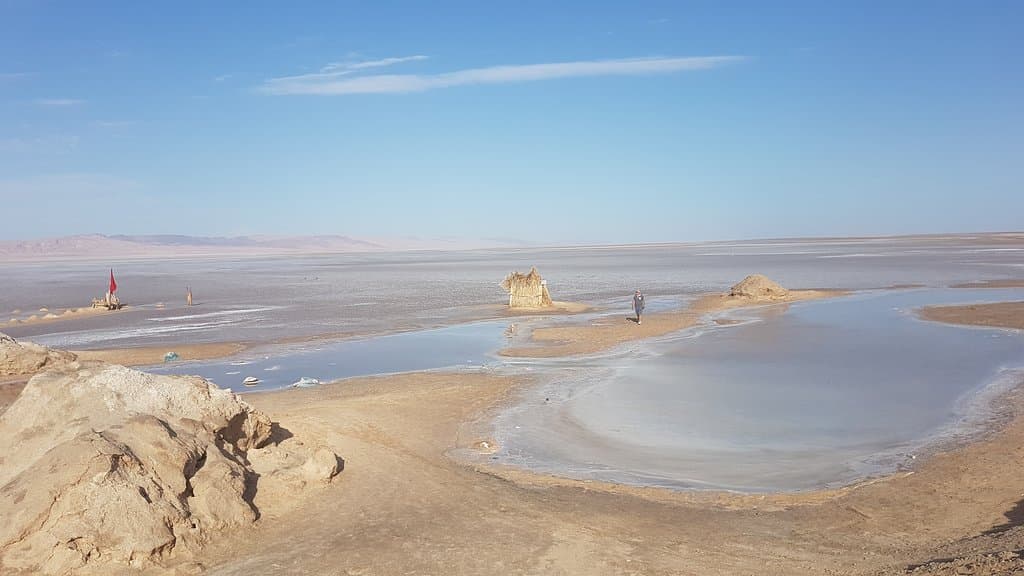
Dramatic Arid Landscapes
Park vistas
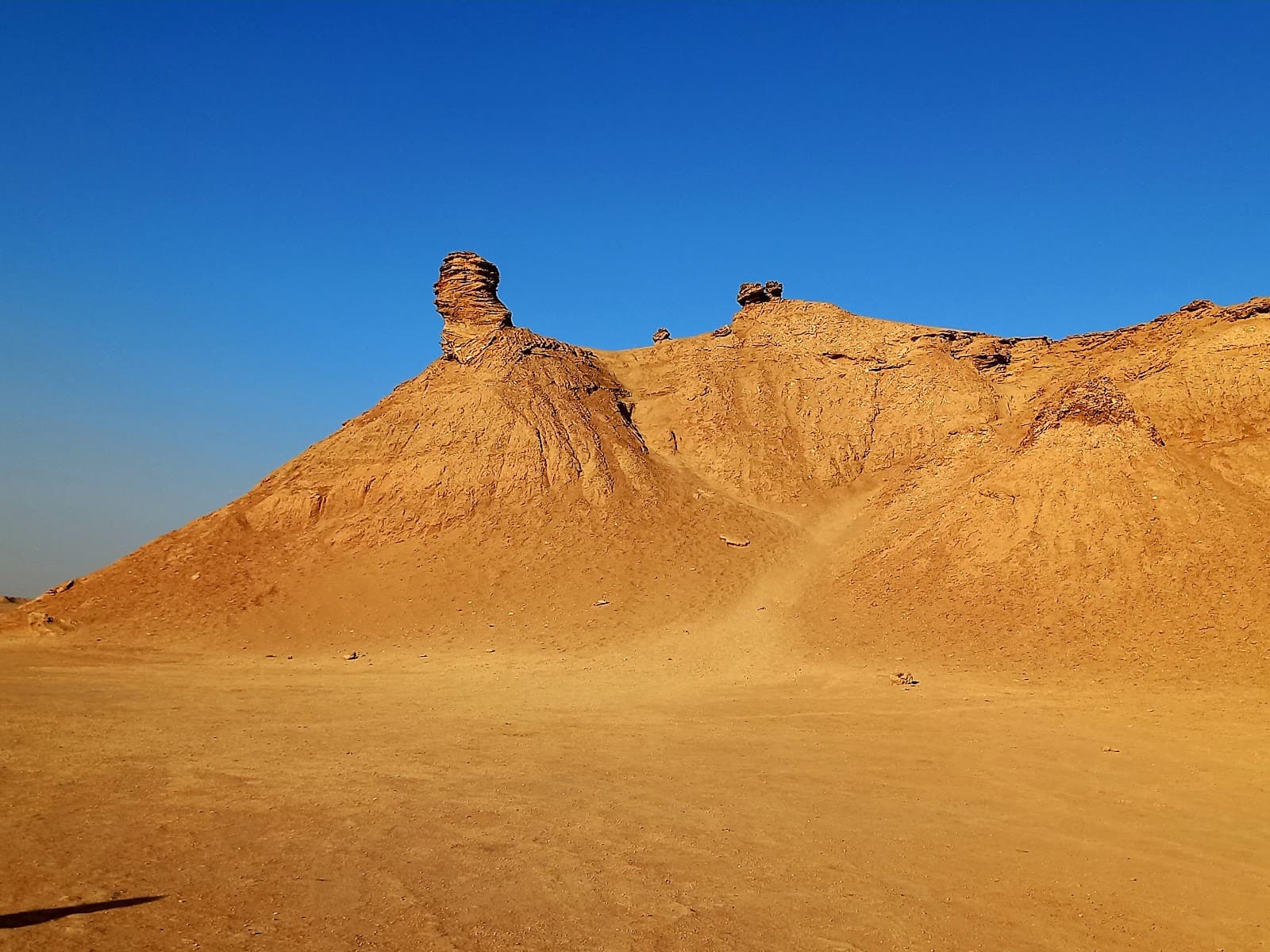
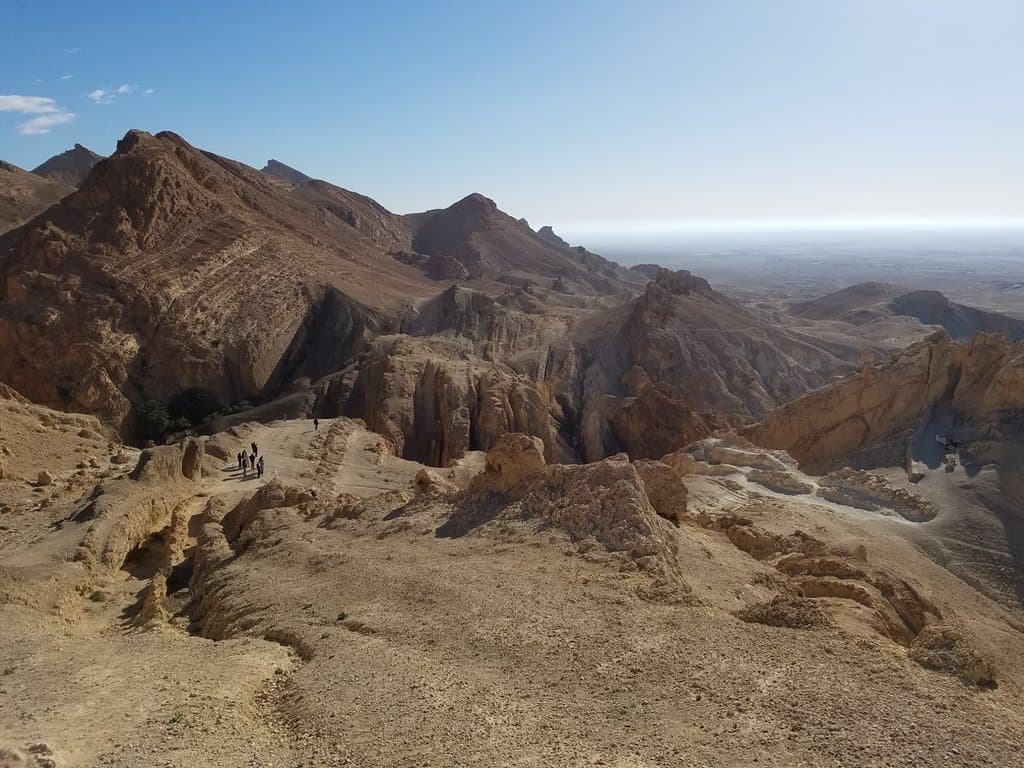
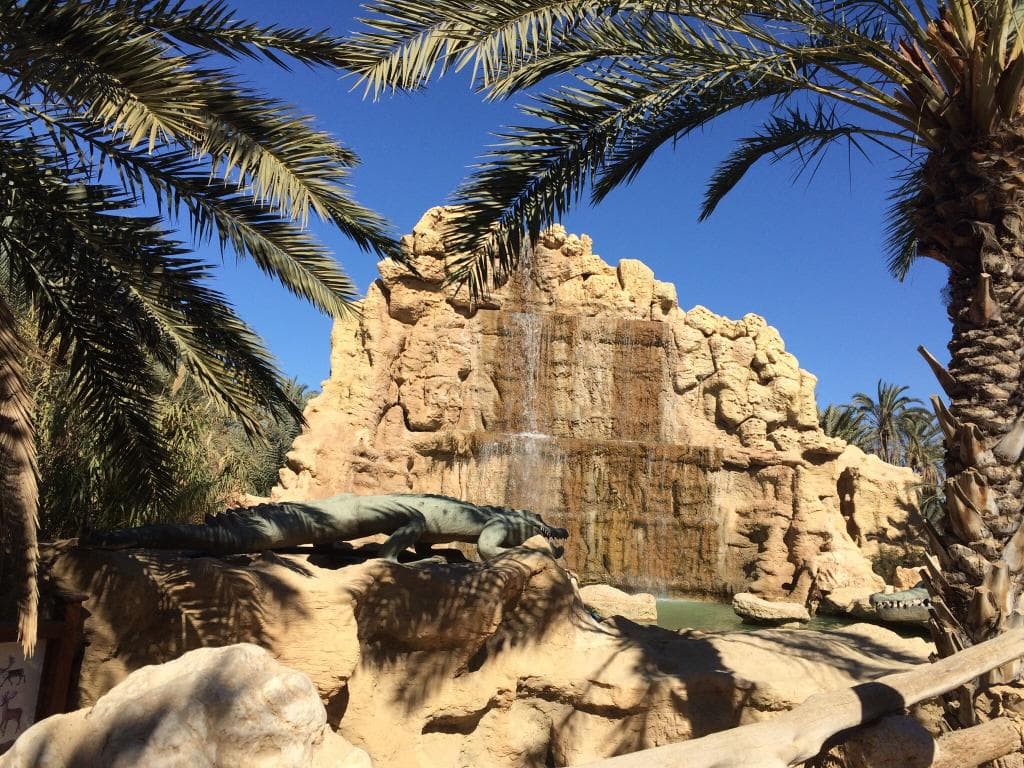
Experience the raw beauty of Tunisia's arid interior with breathtaking rock formations and expansive desert vistas.
Plans like a pro.
Thinks like you
Planning Your Visit
Plan Your Dghoumes Adventure
Best Time to Explore
Best Times
Insider Tips
from TikTok, Instagram & Reddit
Pack Plenty of Water 💧
Crucial for desert exploration. Stay hydrated to enjoy your visit to Dghoumes National Park.
Sturdy Footwear Essential 👟
Navigate uneven terrain and ruins comfortably. Good hiking shoes are a must for Dghoumes.
Sun Protection is Key ☀️
Hats, sunscreen, and sunglasses are vital. The Tunisian sun is strong, even in cooler months.
Consider a Guide 🗺️
Enhance your understanding of the history and ecology. Local guides can enrich your Dghoumes experience.
Tips
from all over the internet
Pack Plenty of Water 💧
Crucial for desert exploration. Stay hydrated to enjoy your visit to Dghoumes National Park.
Sturdy Footwear Essential 👟
Navigate uneven terrain and ruins comfortably. Good hiking shoes are a must for Dghoumes.
Sun Protection is Key ☀️
Hats, sunscreen, and sunglasses are vital. The Tunisian sun is strong, even in cooler months.
Consider a Guide 🗺️
Enhance your understanding of the history and ecology. Local guides can enrich your Dghoumes experience.
What Travellers Say
Reviews Summary
Visitors praise Dghoumes National Park for its significant Roman ruins and stark, beautiful desert landscapes. It's a destination for those seeking historical depth and natural solitude away from crowds. However, the lack of facilities and remote location require thorough preparation.
What People Like
What People Dislike
Frequently Asked Questions
🚇 🗺️ Getting There
The most common way to reach Dghoumes National Park is by car. It's approximately a 4-5 hour drive from Tunis. Renting a car offers the most flexibility for exploring the park and surrounding areas. Public transport options are very limited, so a private transfer or self-driving is recommended.
Public transport to Dghoumes National Park is extremely limited. It's best to arrange private transport or rent a car. If relying on public transport, you would likely need to reach a nearby town like Gafsa and then hire a local taxi or arrange a private tour.
Exploring Dghoumes National Park is best done by car, allowing you to reach different points of interest. For the archaeological sites and hiking trails, walking is necessary. Consider hiring a local guide for deeper insights into the history and natural environment.
While not as common as for major tourist hubs, guided tours can often be arranged through local tour operators in cities like Gafsa or Sfax, or sometimes directly with local guides at the park entrance. Booking in advance is advisable, especially during peak seasons.
A standard car is generally sufficient for reaching the main areas of Dghoumes National Park. However, if you plan to explore more remote tracks or off-road areas, a 4x4 vehicle would be more suitable. Roads can be unpaved and rough in places.
🎫 🎫 Tickets & Entry
Yes, there is typically an entrance fee for Dghoumes National Park. It's advisable to check the latest fee structure before your visit, as prices can change. Purchasing tickets at the park's official entrance is the standard procedure.
Opening hours for Dghoumes National Park can vary seasonally. Generally, it is open during daylight hours. It's recommended to confirm the exact operating times with local authorities or your accommodation before planning your visit.
Absolutely! The ancient Roman ruins are a major highlight of Dghoumes National Park. Access to these historical sites is included with your park entry, allowing you to explore the remnants of this ancient settlement.
While most of the park is accessible, there might be restricted areas for conservation purposes or due to safety concerns. Always adhere to park signage and guidelines. If you have a specific area in mind, inquire at the park entrance.
Currently, online ticket booking for Dghoumes National Park is not widely available. Tickets are typically purchased on-site upon arrival. It's always a good idea to have some local currency (Tunisian Dinars) on hand for these purchases.
🎫 🧭 Onsite Experience
Facilities within Dghoumes National Park are minimal. You'll find basic restrooms at the entrance or key sites. There are no restaurants or shops inside the park, so come prepared with all your necessities, including food and water.
Yes, Dghoumes National Park offers excellent opportunities for hiking. Trails range from easy walks around the ruins to more challenging routes through the desert landscapes. Ensure you have appropriate gear and plenty of water for any hiking excursions.
The park is home to various desert-adapted wildlife, including reptiles, birds of prey, and small mammals. While sightings are not guaranteed, keeping a quiet and observant eye can reward you with glimpses of the local fauna.
Accommodation directly within Dghoumes National Park is not available. The nearest towns with hotels and guesthouses are typically Gafsa or Sfax. Many visitors opt for day trips from these larger cities.
Dghoumes National Park is generally considered safe for solo travelers, especially if sticking to marked paths and the main archaeological sites. However, due to its remote nature, it's always wise to inform someone of your itinerary and carry a fully charged phone.
📸 📸 Photography
The Roman ruins offer incredible photographic opportunities, especially during the golden hours of sunrise and sunset. The vast desert landscapes, unique rock formations, and any wildlife you encounter also make for stunning shots. Don't miss panoramic views from higher vantage points.
The 'golden hours' – shortly after sunrise and before sunset – provide the most dramatic and flattering light for photography in Dghoumes National Park. Midday sun can be harsh and create strong shadows, but can also be effective for highlighting textures.
For personal photography, no special permit is usually required. However, if you plan on professional photography, drone usage, or commercial filming, it's essential to contact the park authorities in advance to inquire about permits and regulations.
A versatile lens (like a 24-70mm) is great for landscapes and ruins. A wide-angle lens can capture the expansive desert vistas. A telephoto lens is useful for wildlife spotting. Don't forget extra batteries and memory cards, and a sturdy tripod for low-light shots.
Focus on the architectural details, the scale of the structures, and how they interact with the natural light. Experiment with different angles and perspectives. Including elements of the surrounding desert landscape can add context and beauty to your ruin photos.


Social
from TikTok, Instagram & Reddit