Hasan Süzer Ethnography Museum
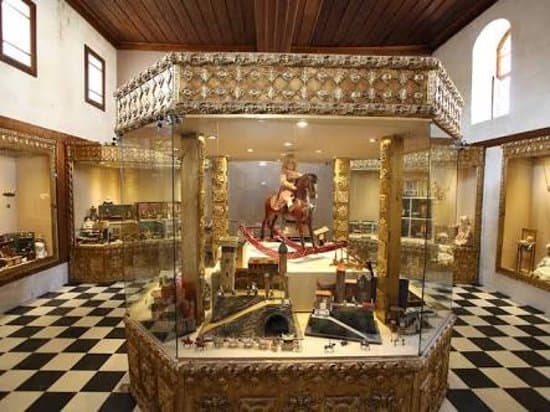
Discover Gaziantep's rich cultural tapestry through traditional handicrafts, local attire, and ethnographic artifacts.
Highlights
Must-see attractions

Social
From TikTok & Reddit
Best Time
Fewer crowds, more peaceful exploration.
Hasan Süzer Ethnography Museum
Best Time
Fewer crowds, more peaceful exploration.
Highlights
Must-see attractions
Discover Gaziantep's rich cultural tapestry through traditional handicrafts, local attire, and ethnographic artifacts.
"A valuable glimpse into Gaziantep's heritage, showcasing intricate crafts and traditional clothing."
🎯 Confirm Location
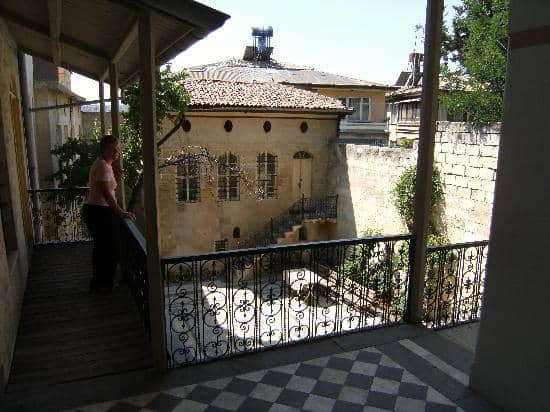
Navigate to Müze Bey neighborhood, not Pişirici Castle, for accurate arrival. :round_pushpin:
📸 Capture the Details
Focus on the intricate details of handicrafts and clothing for stunning photos. :camerawithflash:
Quick Facts
Rating
4.3 · 6 reviews
Type
Museum
Highlights
Discover the most iconic attractions and experiences
Traditional Handicrafts
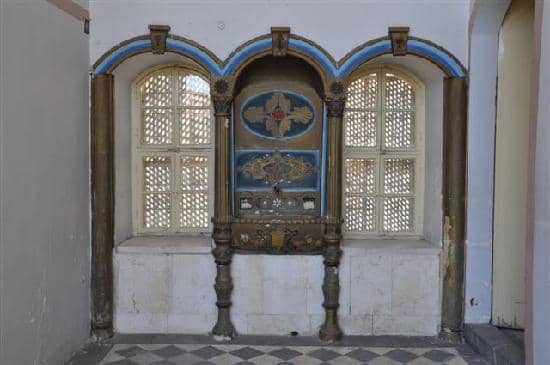
Marvel at intricate local crafts, showcasing the artistry and heritage of Gaziantep's skilled artisans.
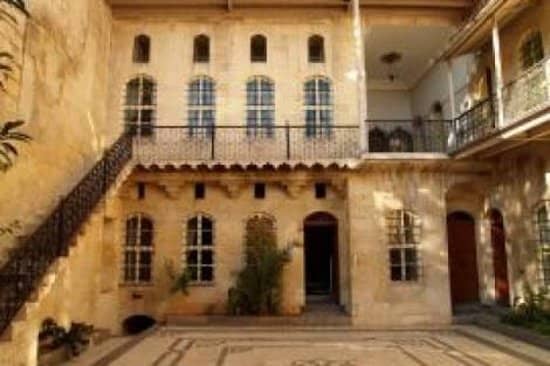
Local Attire
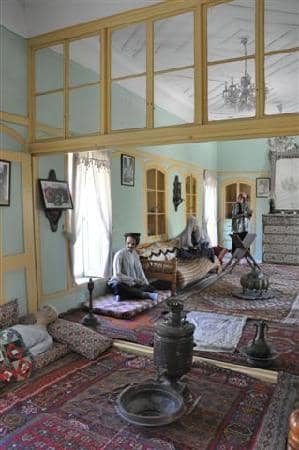
Explore a fascinating collection of traditional clothing, offering a glimpse into the region's cultural evolution.
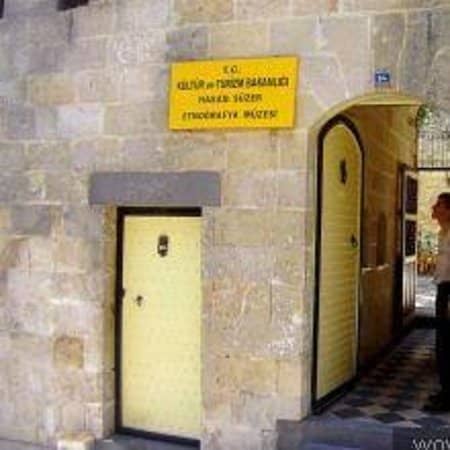
Historical Artifacts
Discover a variety of ethnographic objects that narrate the historical and cultural narrative of Gaziantep.
Plans like a pro.
Thinks like you
Planning Your Visit
Location Accuracy
Gaziantep's Heritage
Best Times
Insider Tips
from TikTok, Instagram & Reddit
🎯 Confirm Location
Navigate to Müze Bey neighborhood, not Pişirici Castle, for accurate arrival. :round_pushpin:
📸 Capture the Details
Focus on the intricate details of handicrafts and clothing for stunning photos. :camerawithflash:
⏳ Allow Ample Time
Immerse yourself in the exhibits; don't rush through Gaziantep's cultural story. :hourglassflowingsand:
Tips
from all over the internet
🎯 Confirm Location
Navigate to Müze Bey neighborhood, not Pişirici Castle, for accurate arrival. :round_pushpin:
📸 Capture the Details
Focus on the intricate details of handicrafts and clothing for stunning photos. :camerawithflash:
⏳ Allow Ample Time
Immerse yourself in the exhibits; don't rush through Gaziantep's cultural story. :hourglassflowingsand:
What Travellers Say
Reviews Summary
Visitors appreciate the museum for its authentic portrayal of Gaziantep's cultural heritage, particularly its detailed exhibits of traditional handicrafts and local attire. While the museum offers a valuable glimpse into the region's history, some visitors note that navigation can be tricky due to its location not being precisely marked on all maps.
"The Google location is marked very close to Pişirici Castle, but this is incorrect. It's located in the Müze Bey neighborhood."
Nurgül Altunbezel
"Reflecting the historical and cultural heritage of Gaziantep, the museum is a museum where traditional handicrafts, clothes and other ethnographic objects are exhibited."
Utlu Utlu
""
be ka
What People Like
What People Dislike
Frequently Asked Questions
🚇 🗺️ Getting There
The museum is located in the Müze Bey neighborhood of Gaziantep. While some online maps might place it near Pişirici Castle, it's best to navigate directly to the Müze Bey area for accurate directions. Local taxis or ride-sharing services are convenient options once you're in the city.
Parking availability can vary in the Müze Bey neighborhood. It's advisable to check for street parking options or inquire locally upon arrival. Consider using public transport or taxis if parking is a concern.
🎫 🎫 Tickets & Entry
Opening hours can vary seasonally. It's recommended to check the museum's official website or local listings for the most up-to-date information on operating hours before your visit.
Admission fees are typically modest for ethnographic museums. For the most current pricing, consult the museum's official channels or inquire at the entrance.
Advance booking is generally not required for the Hasan Süzer Ethnography Museum, especially during off-peak hours. However, for group visits or during peak tourist seasons, it might be beneficial to inquire about booking procedures.
🎫 🧭 Onsite Experience
The museum showcases Gaziantep's rich cultural heritage through traditional handicrafts, local clothing, and various ethnographic objects. It provides a deep insight into the region's history and way of life.
The museum offers an educational experience that can be engaging for children, particularly those interested in history and culture. However, the exhibits are primarily static displays.
A visit typically takes 1-2 hours, depending on your interest level. This allows ample time to appreciate the detailed exhibits and understand the cultural context.
Information on guided tours may vary. It's best to inquire at the museum upon arrival or check their official website for availability and scheduling.
📸 📸 Photography
Photography policies can differ. Generally, non-flash photography for personal use is often permitted, but it's crucial to observe any posted signs or ask museum staff for clarification to respect the exhibits.
The detailed traditional handicrafts and the vibrant traditional clothing collections offer excellent photographic opportunities. Look for intricate patterns and textures.


Social
from TikTok, Instagram & Reddit