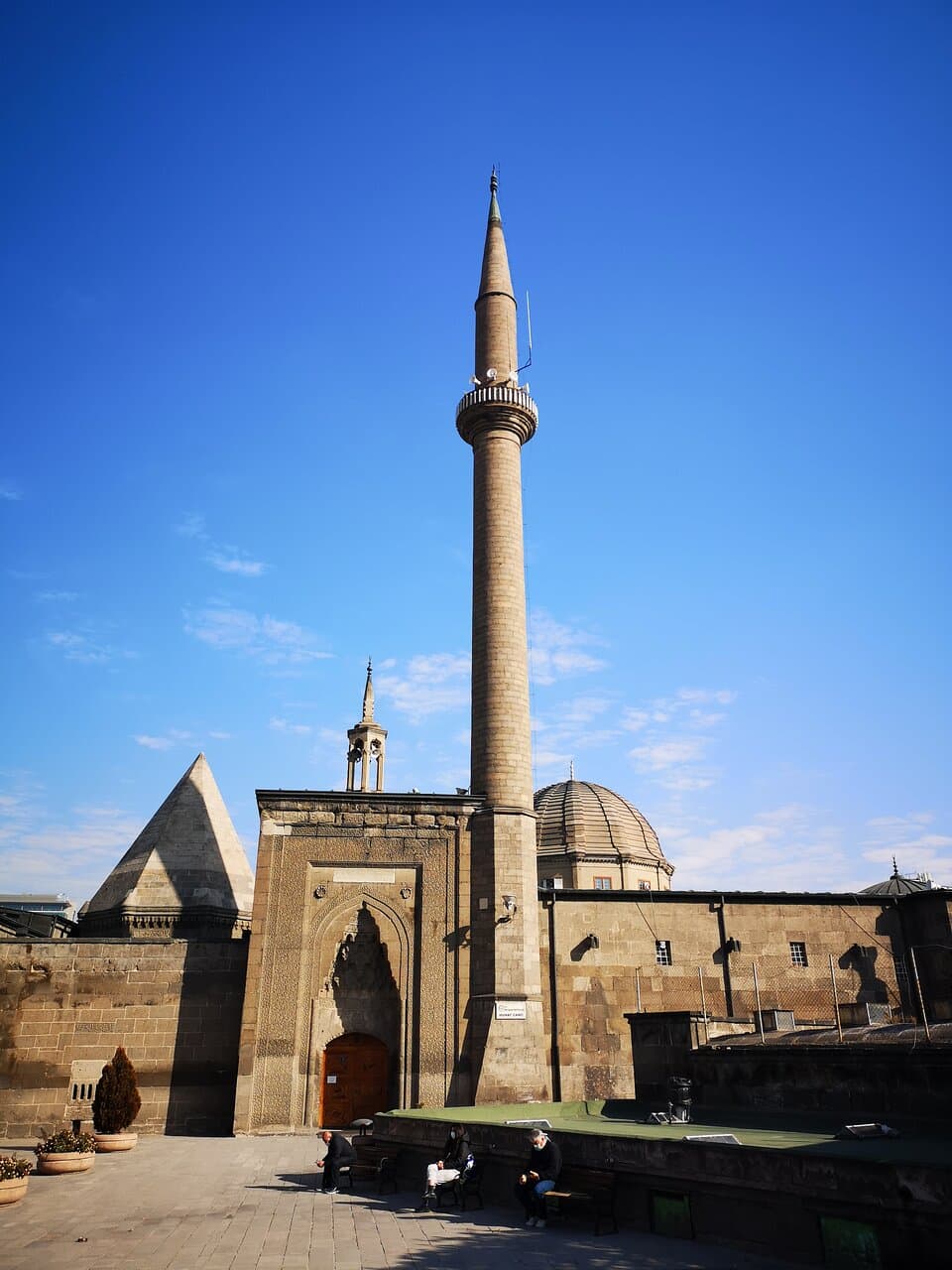
Hunat Hatun Complex Kayseri
Explore Kayseri's oldest Islamic center, a stunning Seljuk architectural marvel rich with calligraphy and antique arts.
Highlights
Must-see attractions

Social
From TikTok & Reddit
Best Time
Fewer crowds, better light for photos
Hunat Hatun Complex Kayseri
Best Time
Fewer crowds, better light for photos
Highlights
Must-see attractions
Explore Kayseri's oldest Islamic center, a stunning Seljuk architectural marvel rich with calligraphy and antique arts.
"A beautiful mosque with historical significance, showcasing ancient Anatolian civilizations."
Wear Comfortable Shoes
You'll be doing a lot of walking to explore the complex and its surroundings. :athletic_shoe:
Respect the Mosque
Dress modestly when visiting the mosque. Shoulders and knees should be covered. 🙏
Quick Facts
Rating
4.8 · 684 reviews
Type
Mosque
Highlights
Discover the most iconic attractions and experiences
Hunat Hatun Mosque
The oldest mosque in Kayseri, showcasing stunning Seljuk architecture and deep historical significance.
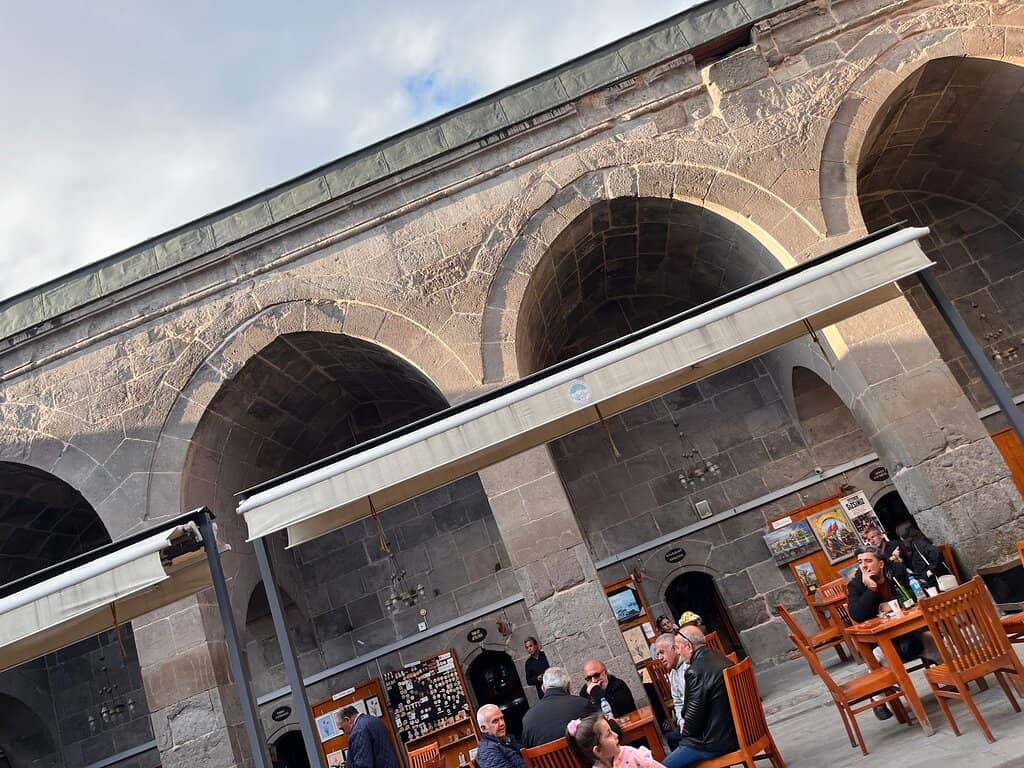
Seljuk Architecture
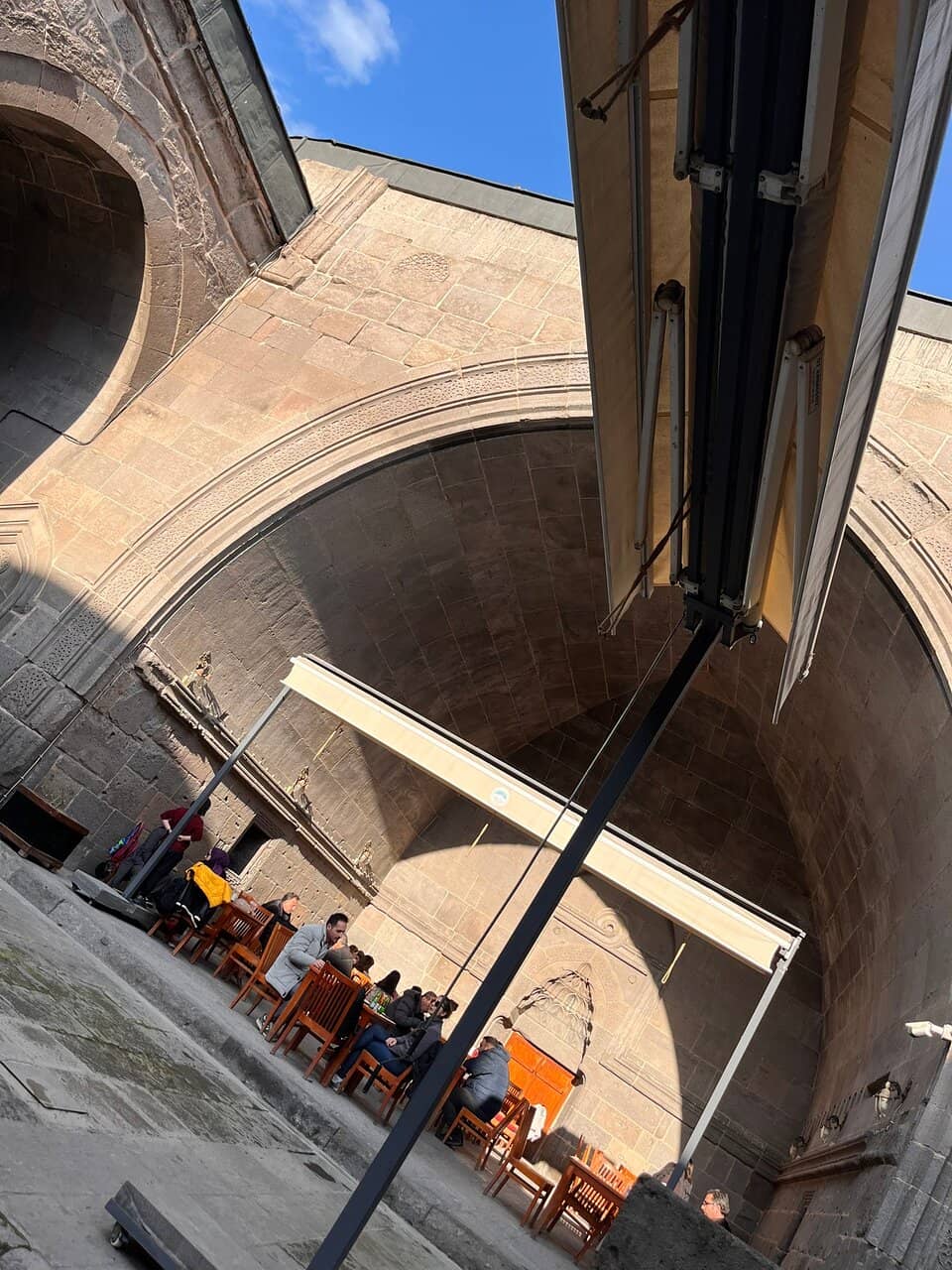
Marvel at the intricate details and grandeur of the Seljuk Empire's architectural prowess.
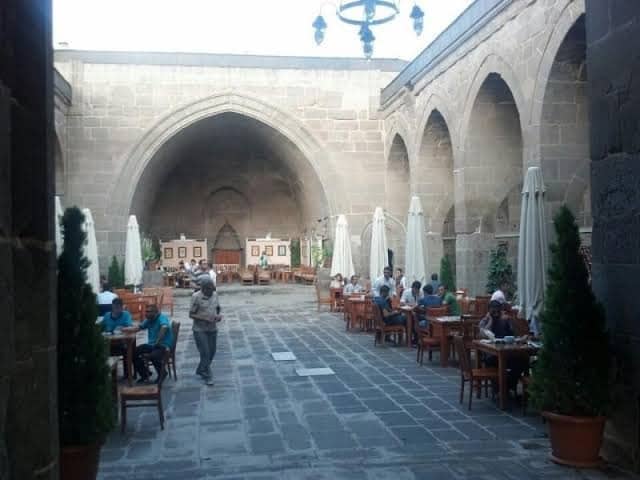
Artisan Workshops
Witness local artists practicing calligraphy and antique arts, preserving ancient traditions.
Plans like a pro.
Thinks like you
Planning Your Visit
Seljuk Heritage Awaits
Uncover Ancient Arts
Best Times
Insider Tips
from TikTok, Instagram & Reddit
Wear Comfortable Shoes
You'll be doing a lot of walking to explore the complex and its surroundings. :athletic_shoe:
Respect the Mosque
Dress modestly when visiting the mosque. Shoulders and knees should be covered. 🙏
Engage with Artisans
Don't hesitate to ask local artists about their craft and the history behind it. :speech_balloon:
Capture the Details
The intricate carvings and historical elements are photo-worthy. :camerawithflash:
Tips
from all over the internet
Wear Comfortable Shoes
You'll be doing a lot of walking to explore the complex and its surroundings. :athletic_shoe:
Respect the Mosque
Dress modestly when visiting the mosque. Shoulders and knees should be covered. 🙏
Engage with Artisans
Don't hesitate to ask local artists about their craft and the history behind it. :speech_balloon:
Capture the Details
The intricate carvings and historical elements are photo-worthy. :camerawithflash:
What Travellers Say
Reviews Summary
Visitors praise the Hunat Hatun Complex for its deep historical significance as one of Kayseri's oldest Islamic centers and a beautiful example of Seljuk architecture. The presence of local artisans practicing traditional arts like calligraphy adds a unique cultural dimension. While generally well-regarded, some visitors note that certain areas might require more upkeep.
"One of the oldest Islamic center of Kayseri since Seljuk Empire"
Arsalan Akhter
"Local artists and expertise knowledge in anthropology, archeology, calligraphy, antique arts as heritage of the ancient civilizations that populated Central Anatolia since immemorial times"
Hakely Nakao
"Absolutely beautiful mosque with historical significance."
jacko 0
What People Like
What People Dislike
Frequently Asked Questions
🚇 🗺️ Getting There
The Hunat Hatun Complex is centrally located in Kayseri. You can easily reach it by taxi or local bus from most parts of the city. Walking is also an option if you are staying nearby.
Yes, there are parking facilities available near the complex, though they can get busy during peak hours. It's advisable to arrive early if you are driving.
Kayseri has an airport with domestic flights. You can also reach Kayseri by intercity bus from major Turkish cities. The complex is then easily accessible from the city center.
🎫 🎫 Tickets & Entry
Entry to the mosque itself is generally free. However, some sections or associated museums within the complex might have an admission fee. It's best to check on-site for current ticketing information.
The mosque typically follows prayer times. Associated areas and museums usually have daytime operating hours. It's recommended to verify the exact hours before your visit, as they can vary.
For the mosque, advance booking is not necessary. If there are specific exhibitions or museums within the complex that require tickets, you can usually purchase them at the entrance.
Guided tours may be available, especially for larger groups or during specific times. Inquiring at the information desk upon arrival is the best way to find out about tour options and availability.
🎫 🧭 Onsite Experience
You can admire the historic Hunat Hatun Mosque, explore the Seljuk architecture, and visit artisan workshops showcasing calligraphy and antique arts. It's a great place to learn about local heritage.
Absolutely! The intricate details of the Seljuk architecture and the historical ambiance make it a fantastic spot for photography. The golden hour light is particularly beautiful.
Allocate at least 1-2 hours to fully appreciate the mosque and its surroundings. If you plan to engage with artisans or explore nearby historical sites, you might need more time.
Basic facilities like restrooms are usually available. Cafes or dining options might be found in the immediate vicinity of the complex, offering local refreshments.
🍽️ 🍴 Food & Dining
While the complex itself is primarily a historical and religious site, you'll find numerous restaurants and cafes in the surrounding streets of Kayseri offering local Turkish cuisine.
Kayseri is famous for its 'mantı' (Turkish dumplings). You should also try local kebabs and pastries. Many eateries around the complex offer these traditional dishes.
📸 📸 Photography
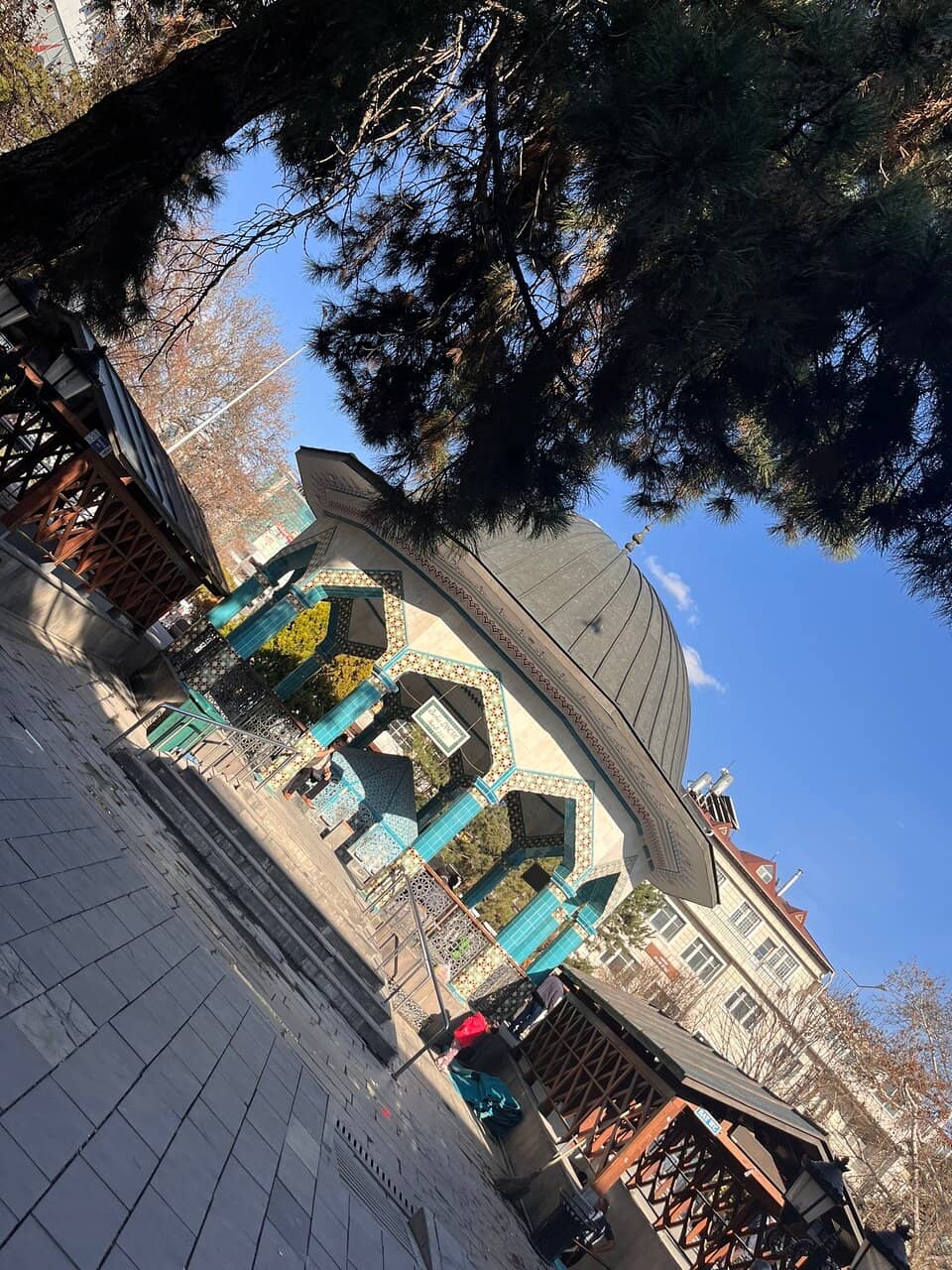
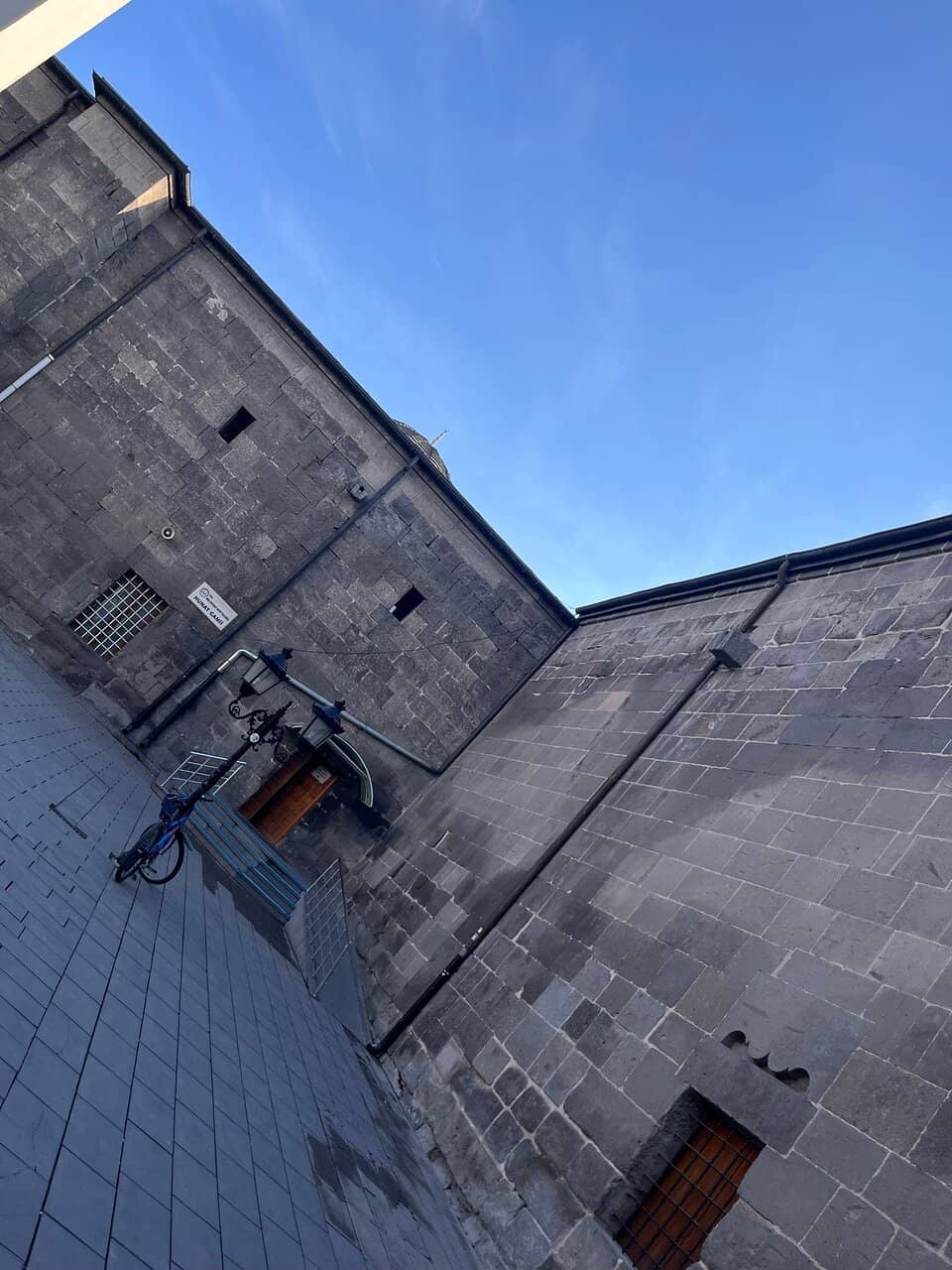
The main courtyard, the intricate mihrab and minbar inside the mosque, and the detailed exterior carvings are excellent photo opportunities. The surrounding historical streets also offer great shots.
Photography is generally allowed inside the mosque, but it's important to be respectful of worshippers. Avoid using flash photography and be mindful of ongoing prayers.
Early morning or late afternoon provides the best natural light for photography. The golden hour before sunset casts a beautiful warm glow on the ancient stone.



Social
from TikTok, Instagram & Reddit