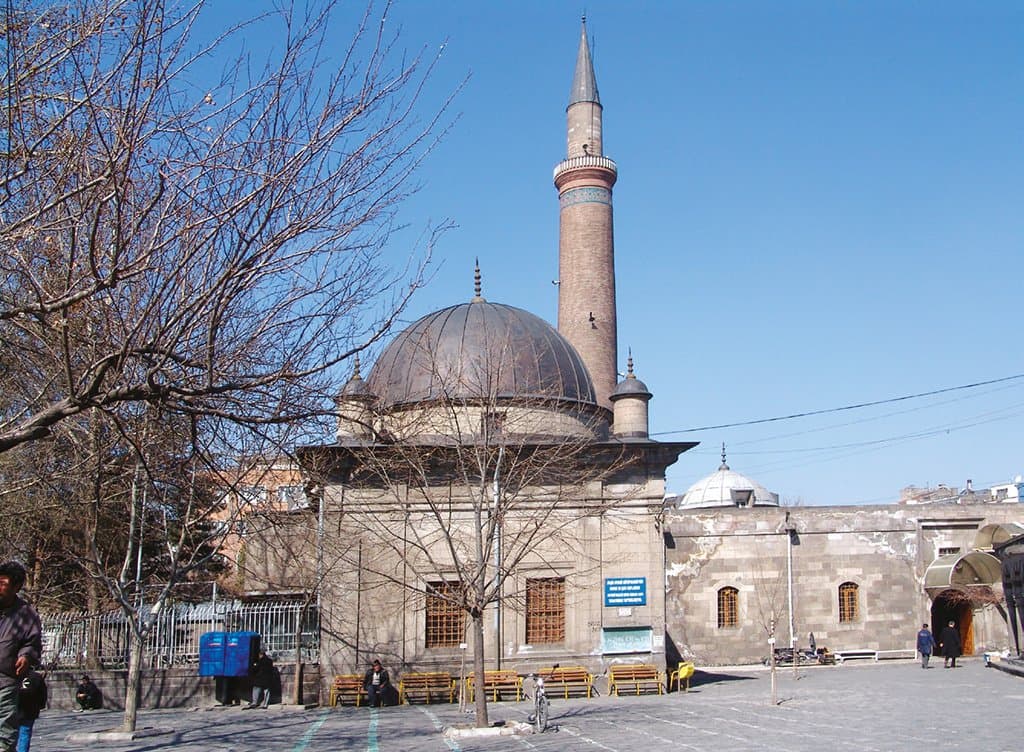
Kayseri Grand Mosque Ulu Cami
A historic mosque showcasing a unique blend of Danishmend, Seljuk, and Ottoman architecture with repurposed Roman elements.
Highlights
Must-see attractions

Social
From TikTok & Reddit
Best Time
Peaceful atmosphere
Kayseri Grand Mosque Ulu Cami
Best Time
Peaceful atmosphere
Highlights
Must-see attractions
A historic mosque showcasing a unique blend of Danishmend, Seljuk, and Ottoman architecture with repurposed Roman elements.
"This mosque is the most beautiful yet felt classic and elegant in the same time."
Respectful Attire
Dress modestly: cover shoulders & knees. Women, bring a headscarf. :womaninturban:
Quiet Contemplation
Visit outside of prayer times for a more peaceful experience. 🙏
Quick Facts
Rating
4.9 · 356 reviews
Type
Mosque
Highlights
Discover the most iconic attractions and experiences
Danishmend Architecture
Interior and Exterior
Marvel at the unique blend of Seljuk, Danishmends, and Ottoman styles, showcasing historical architectural influences.
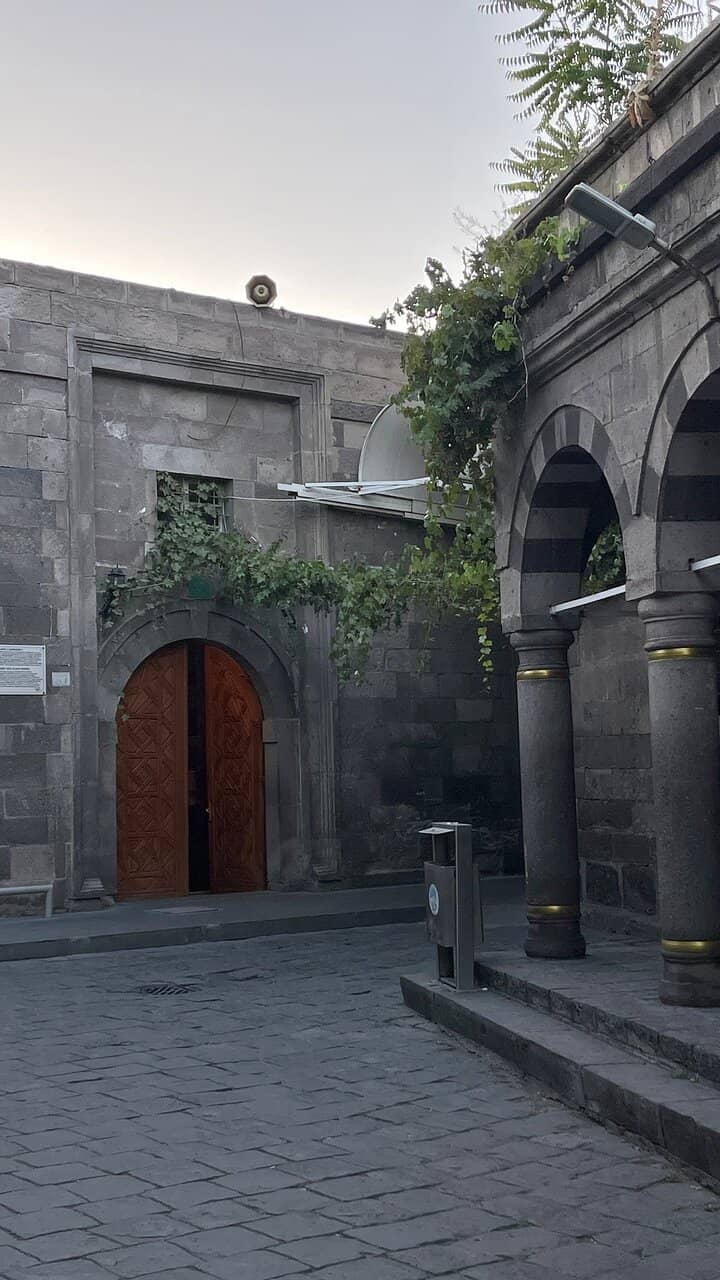
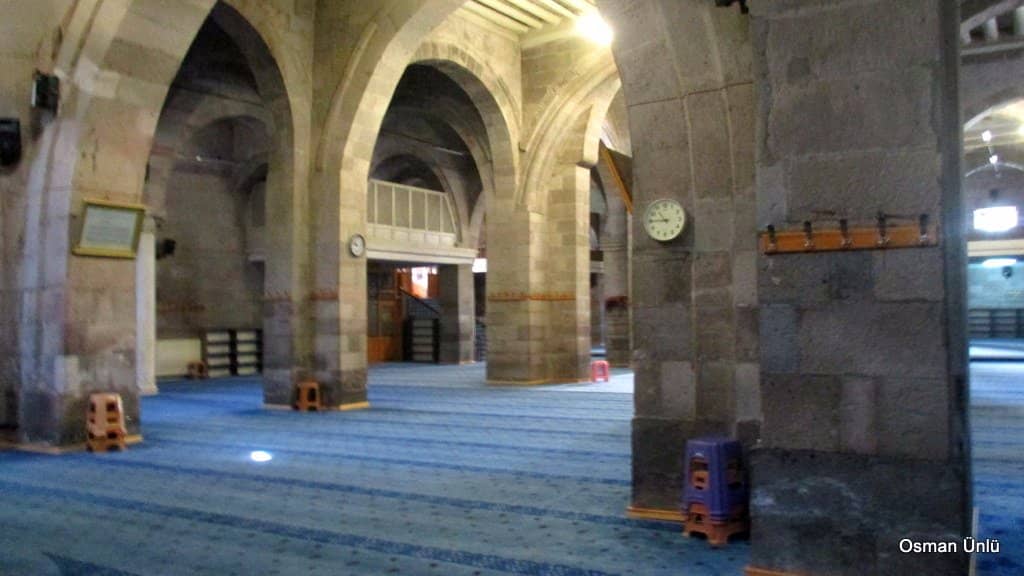
Elegant Interior
Main Prayer Hall
Experience the classic and elegant interior, feeling transported to the 15th century.
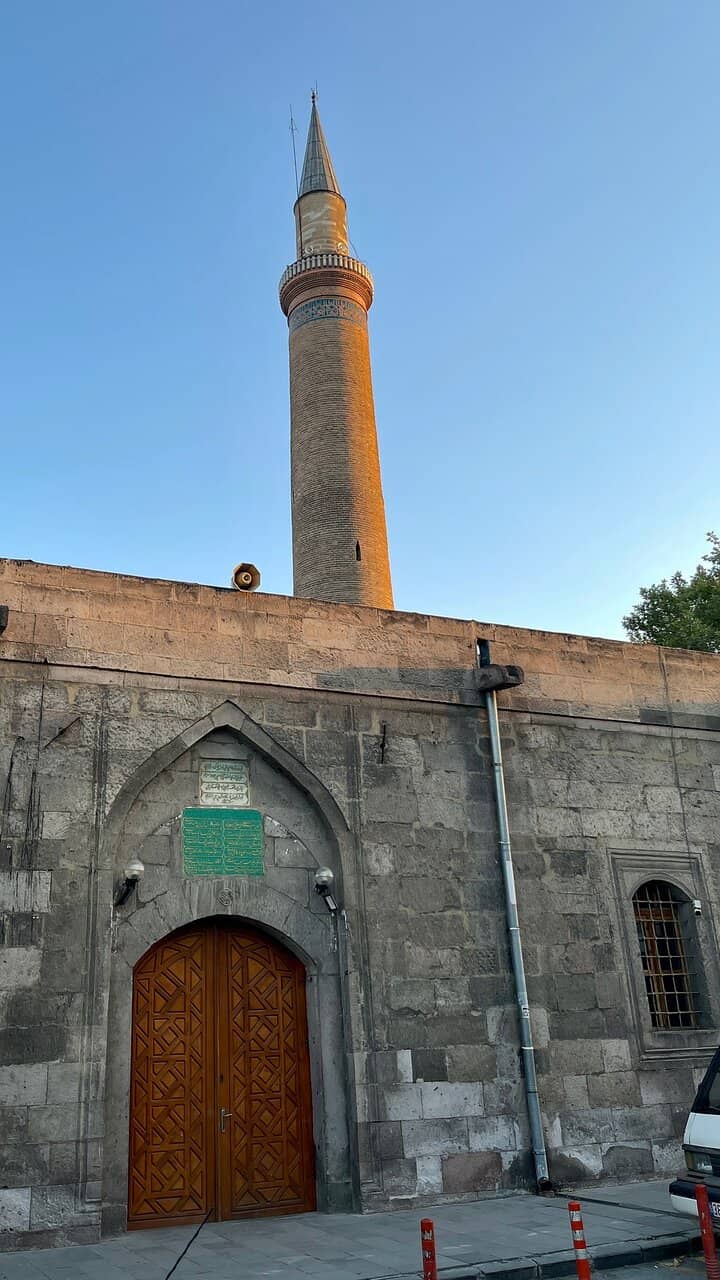
Roman Capitals & Columns
Interior
Discover the surprising inclusion of Roman capitals and columns, adding a unique historical layer.
Plans like a pro.
Thinks like you
Planning Your Visit
Timing Your Visit
Dress Code & Etiquette
Best Times
Insider Tips
from TikTok, Instagram & Reddit
is kayseri a good city to visit?
hii, so my parents and I are planning to visit Kayseri and stay there for a few weeks because some relatives also reside there. Is it a good city to visit? those it have any tourist attractions? any helpful info would be lovely <33
Respectful Attire
Dress modestly: cover shoulders & knees. Women, bring a headscarf. :womaninturban:
Quiet Contemplation
Visit outside of prayer times for a more peaceful experience. 🙏
Architectural Blend
Appreciate the mix of Seljuk, Danishmend, and Ottoman styles. :classical_building:
Tips
from all over the internet
Respectful Attire
Dress modestly: cover shoulders & knees. Women, bring a headscarf. :womaninturban:
Quiet Contemplation
Visit outside of prayer times for a more peaceful experience. 🙏
Architectural Blend
Appreciate the mix of Seljuk, Danishmend, and Ottoman styles. :classical_building:
What Travellers Say
Reviews Summary
Visitors praise the Kayseri Grand Mosque Ulu Cami for its classic elegance and beautiful, classic interior, often feeling transported back in time. The unique architectural blend of Seljuk, Danishmend, and Ottoman styles, along with repurposed Roman elements, is a significant draw. It's considered a very nice ancient mosque with great architecture.
"In my opinion, this mosque is the most beautiful yet felt classic and elegant in the same time. The interior is really elegant and located slightly under the surface. You will really feel that you were in 15th century. Worth to visit."
Muhammad Luthfi
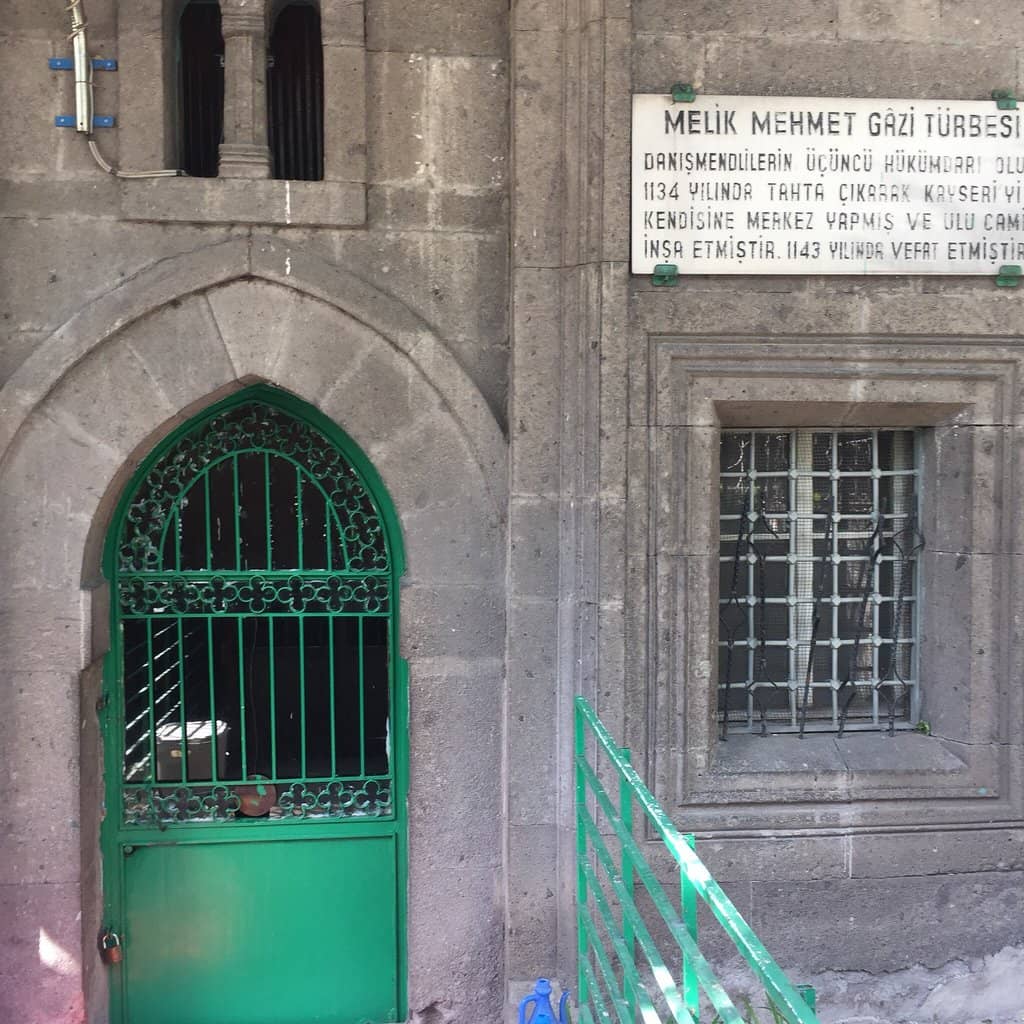
"The mosque was built by Melik Mehmet Gazi (1134-1143), the third governer of Danisment principality. He declared Kayseri as the capital of his principality."
Ahmed Al-Akki
"One of the great mosques of Anatolia. Mix of Seljuk, Danishmends and Ottoman styles with Roman capitals and columns fitting the interior. Just amazing."
BARTOSZ Radojewski
What People Like
What People Dislike
Frequently Asked Questions
🚇 🗺️ Getting There
The mosque is centrally located in Kayseri. Taxis are readily available, or you can use local buses that frequent the city center. Walking is also an option if you are staying nearby.
Street parking can be challenging in the city center. It's advisable to use public transport or a taxi to reach the mosque to avoid parking hassles.
Yes, the mosque is close to other historical sites like the Grand Bazaar and Kayseri Castle, making it easy to explore on foot.
🎫 🎫 Tickets & Entry
No, entry to the mosque is free. It is a functioning place of worship, so donations are welcome but not required.
The mosque is generally open throughout the day, but it is closed to visitors during prayer times. It's best to check local prayer schedules if you plan a specific visit.
There is no admission fee to enter the mosque.
Yes, you can visit on Fridays, but be mindful of the congregational prayer (Jumu'ah) which takes place around midday. It's best to visit before or after this prayer.
🎫 🧭 Onsite Experience
Visiting early in the morning or later in the afternoon, outside of the main prayer times, will offer a more peaceful experience.
Modest clothing is required. Women should cover their heads, and both men and women should ensure their shoulders and knees are covered. :womaninturban:
Photography is generally allowed, but it's important to be respectful and avoid taking pictures during prayer times or of individuals without their permission. :camerawithflash:
A visit can take anywhere from 30 minutes to an hour, depending on your interest in the architecture and history.
Restroom facilities are typically available at mosques. It's advisable to confirm upon arrival.
📸 📸 Photography
The intricate details of the minarets, the Roman columns inside, and the overall facade offer great photographic opportunities. Early morning light can be particularly beautiful. :camerawithflash:
Drone usage is generally restricted in and around religious sites and urban areas. It's best to check local regulations before attempting any drone photography.
Be respectful when taking photos. Avoid flash photography if it might disturb worshippers and refrain from photographing people without consent. :camerawithflash:


Social
from TikTok, Instagram & Reddit