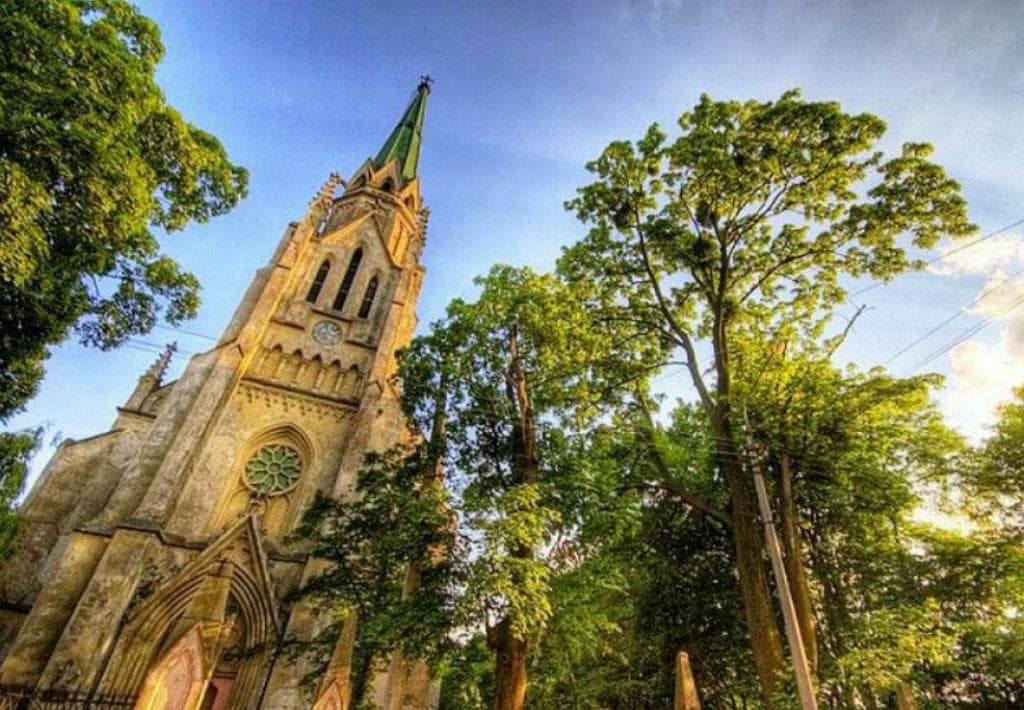
Sacred Heart of Jesus Church Jesuit
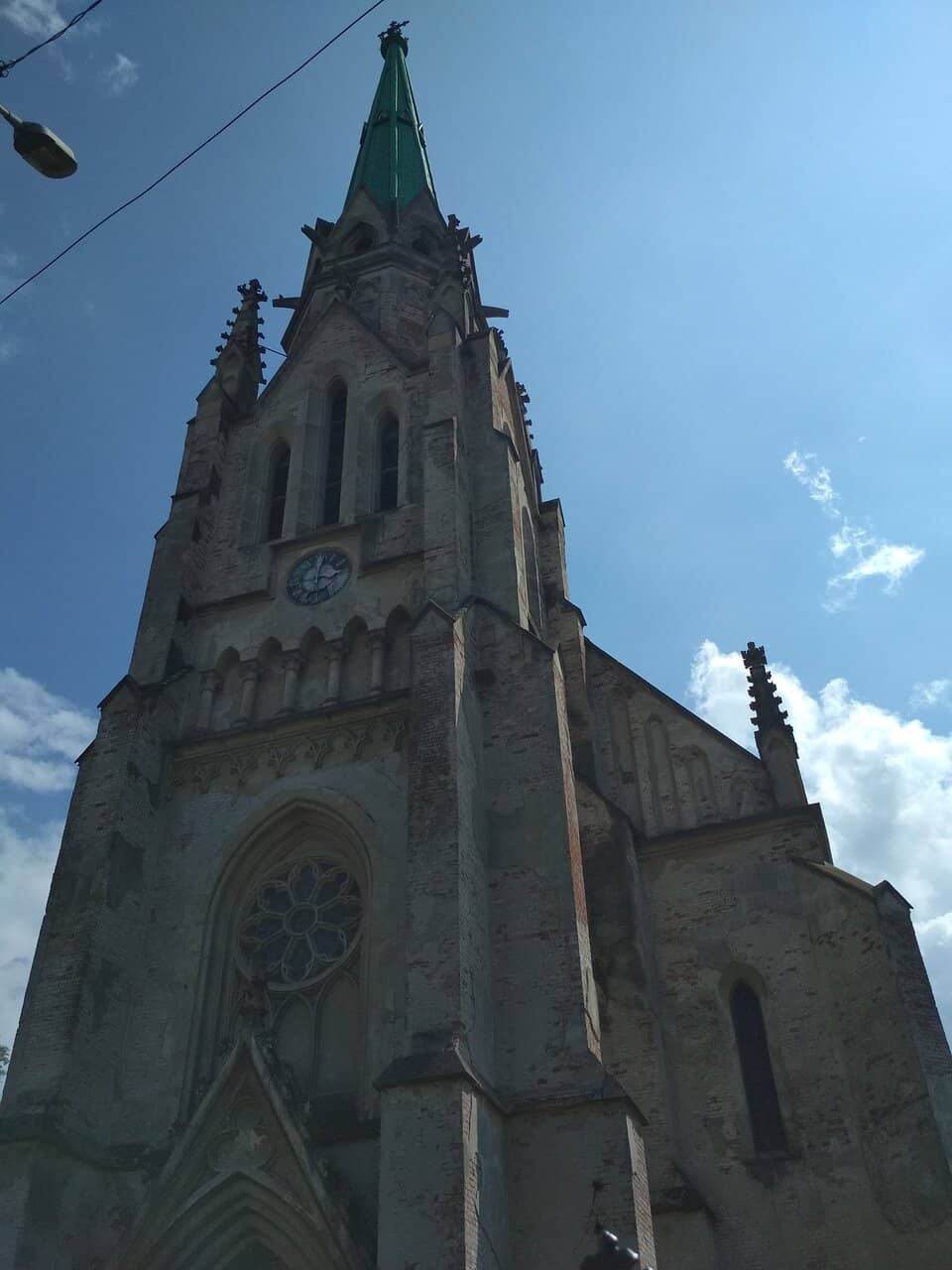
A stunning Gothic church with a rich history, currently undergoing renovation, offering a unique glimpse into Western architecture.
Highlights
Must-see attractions

Social
From TikTok & Reddit
Best Time
Fewer crowds, better light
Sacred Heart of Jesus Church Jesuit
Best Time
Fewer crowds, better light
Highlights
Must-see attractions
A stunning Gothic church with a rich history, currently undergoing renovation, offering a unique glimpse into Western architecture.
"It is beautiful church in city, however I didn't went inside, but the view of church is so beautiful."
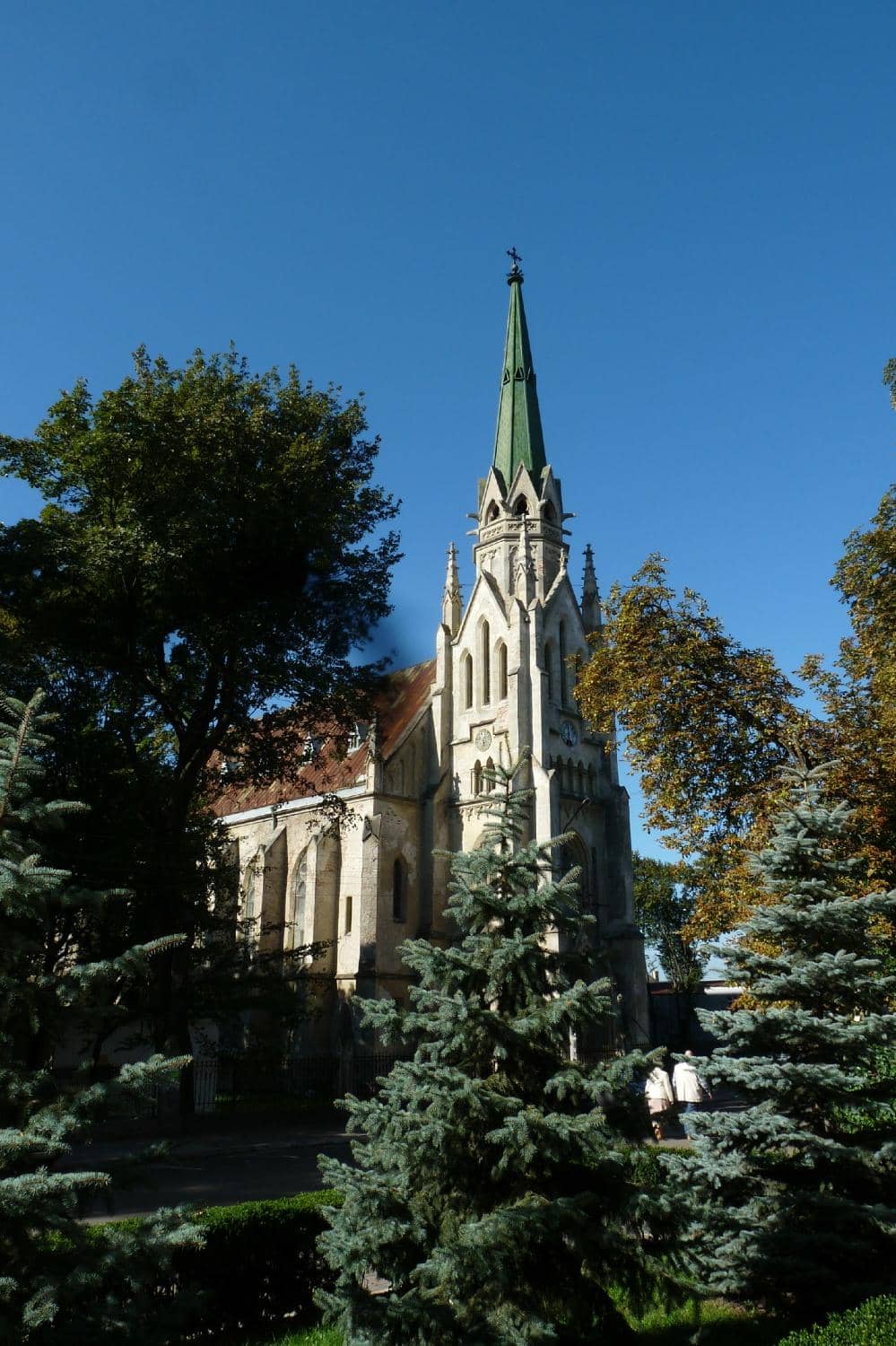
Admire from Outside
Gates can be closed; enjoy the beautiful Gothic exterior if access is limited. :camerawithflash:
Check Renovation Status
The church is undergoing extensive renovation, which may affect interior access. :construction_worker:
Quick Facts
Rating
4.5 · 538 reviews
Type
Church
Highlights
Discover the most iconic attractions and experiences
Gothic Architecture
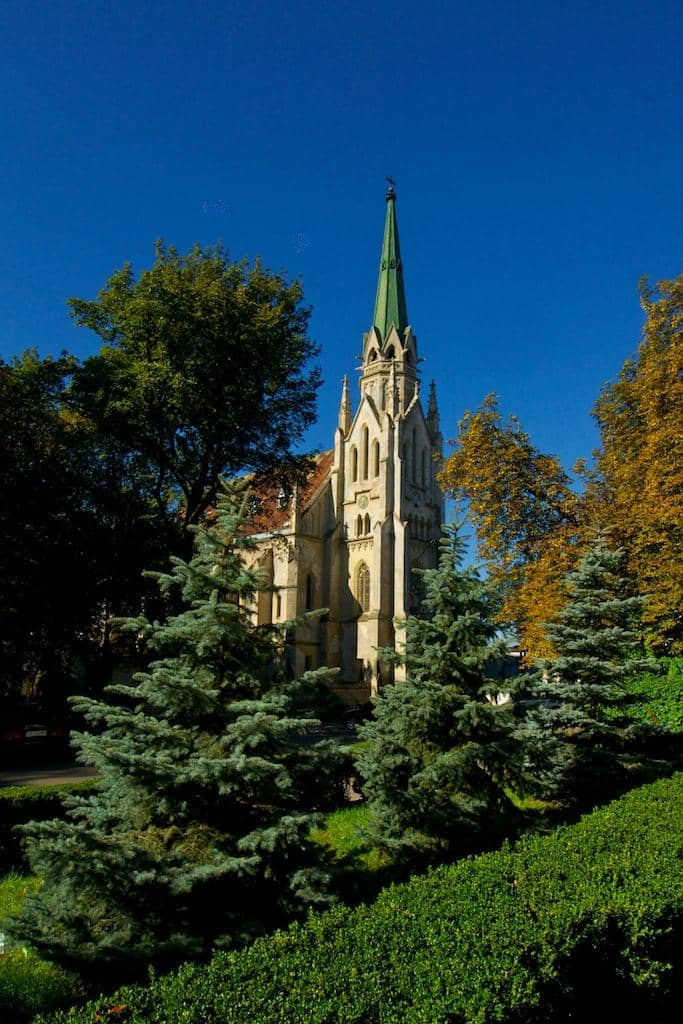
Admire the striking Gothic style, a unique example of Western architecture in the region.
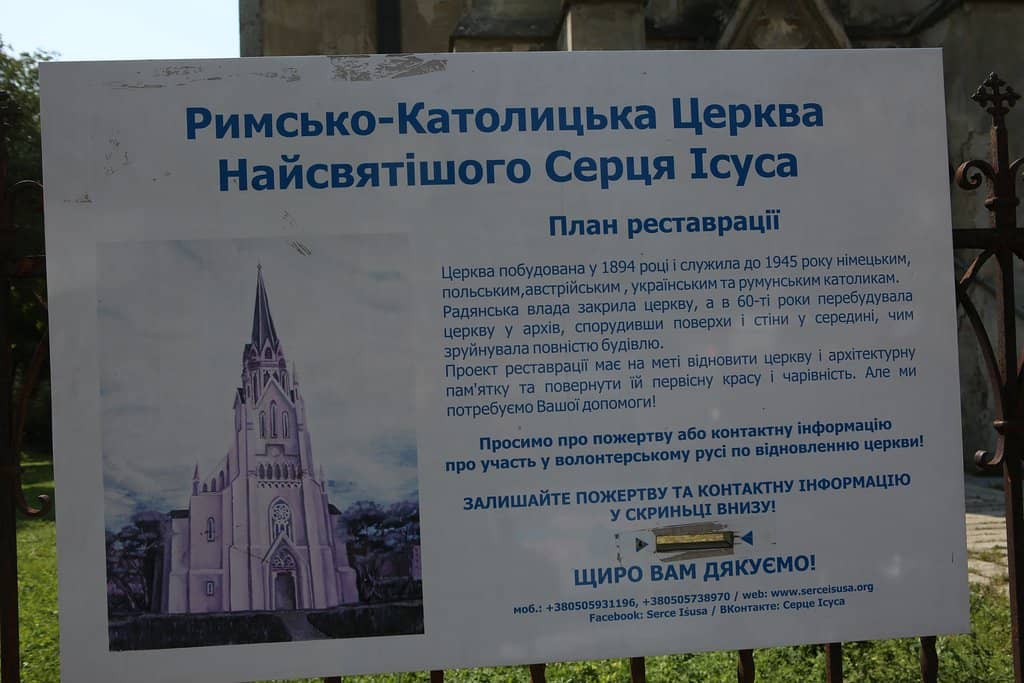
Sacred Heart of Jesus Painting
Jesuit Church of the Gesù, Rome (historical context)
Home to Batoni's 1760 painting, the official image for Sacred Heart devotion.
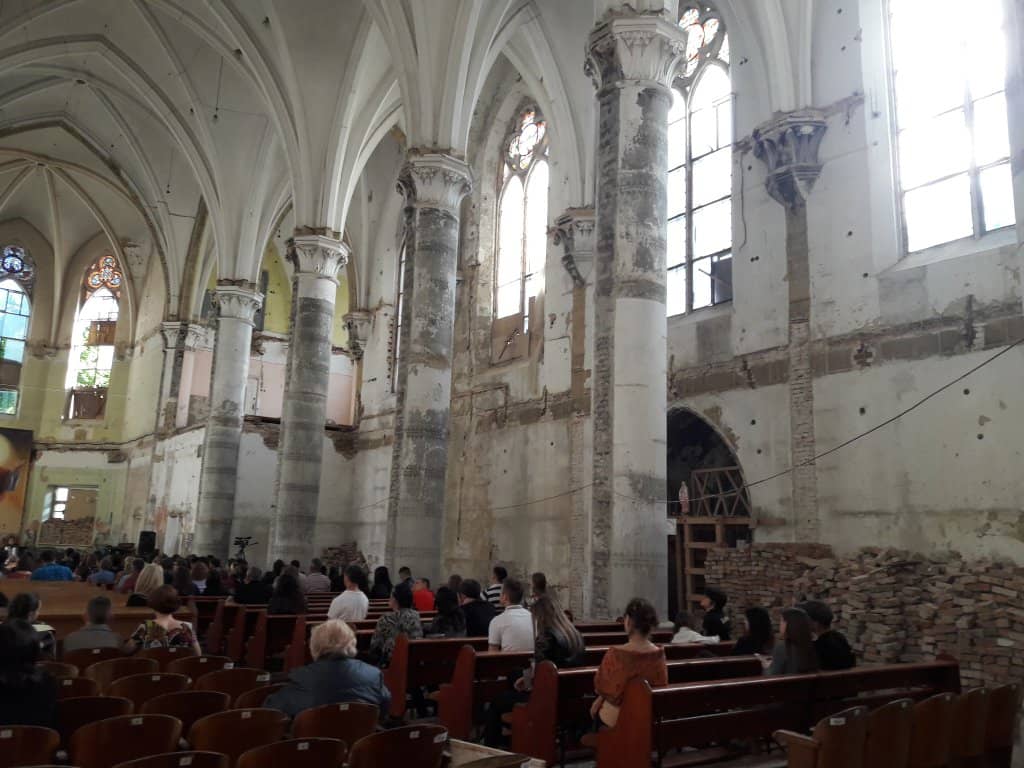
Exterior Grandeur
Even when closed, the church's facade is a beautiful sight, showcasing intricate details.
Plans like a pro.
Thinks like you
Planning Your Visit
Check Opening Hours Before You Go
Understand Its Rich History
Best Times
Insider Tips
from TikTok, Instagram & Reddit
Admire from Outside
Gates can be closed; enjoy the beautiful Gothic exterior if access is limited. :camerawithflash:
Check Renovation Status
The church is undergoing extensive renovation, which may affect interior access. :construction_worker:
Learn Its History
Discover its past as a Jesuit sanctuary and its role during WWII. 📜
Seek Local Insights
Ask locals about current access or any special events happening. :bustsinsilhouette:
Tips
from all over the internet
Admire from Outside
Gates can be closed; enjoy the beautiful Gothic exterior if access is limited. :camerawithflash:
Check Renovation Status
The church is undergoing extensive renovation, which may affect interior access. :construction_worker:
Learn Its History
Discover its past as a Jesuit sanctuary and its role during WWII. 📜
Seek Local Insights
Ask locals about current access or any special events happening. :bustsinsilhouette:
What Travellers Say
Reviews Summary
Visitors find the Sacred Heart of Jesus Church Jesuit to be a beautiful church with impressive Gothic architecture, a unique sight in the city. However, access to the interior can be inconsistent due to its history and ongoing renovations, leading some to only admire its exterior. The church's rich past, including its role during WWII, adds significant historical value for those who can explore it.
"Beautiful church in the city center. However, the gates were closed, so couldn’t check out how it is on the inside."
Mariya Tuzyk
"It's is beautiful church in city, however I didn't went inside, but the view of church is so beautiful,The beginning of this Cathedral's history dates back to 1870s when the number of Jesuits in Chernivtsi started gaining momentum. In 1875 Zygmunt Szczęsny Feliński, the Arbishop, officially referred to the Jesuit Community asking to promote Jesuit Fathers in the city.
In 1885 Father Symon Tychowsky was appointed as the main Jesuit priest in Bukovyna. First, worships were conducted in a chapel, however, as the number of followers was growing, the need for the dedicated cathedral became urgent.
After the municipality granted the land plot relevant for the construction project, Prof. Josef Leitzner from Chernivtsi High Industrial School developed the design. Initially the required amount was estimated as 160 thousand crowns but the final sum, including the purchasing and installing of sculptures, bells, big organ and the priest's residence built on the rear side totalled 208 thousand crowns.
The completed Cathedral was consecrated on June 7, 1891. On June 21, 1895 the structure was given its Jesus Heart name.
When Bukovyna became Romanian after the dissolution of the Austro-Hungarian Empire, the Cathedral continued its service and even managed doing that after the area became part of Soviet Ukraine in 1940-1941. During the World War II its priests saved a number of Jews who had to formally change their creed to avoid deportation to Ghetto by Nazis.
After the Soviet power returned in 1944, the Cathedral continued to function as a Jesuit sanctuary for one year. In 1945, for unclear reasons it was given to the orthodox community but one year later its religious function discontinued at all. For nearly half a century it was used as the Oblast Archive Office. In 1996 the local community initiated its return to the Jesuit followers and in 2010 it was finally returned to the community. Currently the Cathedral is in the process of renovation the cost of which is estimated as a minimum of €4 million and will thus last for a significant period of time."
Ankush Thakur
"The only church building in the city probably in the gothic style. I was pleasantly surprised to see it as I’m not a big fan of Eastern Orthodox architecture. This is good example of western culture."
Michael Hrisca
What People Like
What People Dislike
Frequently Asked Questions
🚇 🗺️ Getting There
The church is located in the city center, making it accessible by local transport or a short walk from central areas. Specific public transport routes will depend on your starting point.
Parking in city centers can be challenging. It's advisable to check for nearby public parking garages or consider using public transportation to avoid parking hassles. 🚗
🎫 🎫 Tickets & Entry
Typically, entry to churches is free, but it's best to confirm if any admission fees or donations are requested, especially given ongoing renovations.
Opening hours can vary, and access to the interior is not always guaranteed due to its history and ongoing renovations. It's recommended to check locally or be prepared for exterior viewing.
While renovations are ongoing, some visitors have been allowed inside by workers. However, access is not guaranteed and may be limited. :construction_worker:
🎫 🧭 Onsite Experience
The church is noted for its Gothic architectural style, which is a distinctive feature, especially in its regional context. :classical_building:
The Sacred Heart of Jesus painting, created by Batoni in 1760, is historically significant as the official image for the Sacred Heart devotion.
Yes, the church's exterior architecture is very photogenic. Interior photography might be restricted, especially during services or renovations. :camerawithflash:
Visitors have described the atmosphere as 'eerie' and 'cool,' particularly during renovation periods, suggesting a unique and atmospheric experience.
🍽️ 🍽️ Food & Dining
As the church is located in the city center, you'll likely find numerous dining options, from local cafes to restaurants, within walking distance. 🍴
📸 📸 Photography
The entire exterior offers great photographic opportunities. Focus on capturing the Gothic details and the overall grandeur of the building. :camerawithflash:
Photography rules can vary. It's best to be discreet and respectful, especially if services are ongoing. Check for any posted signs regarding photography. :iphone:
Social
from TikTok, Instagram & Reddit