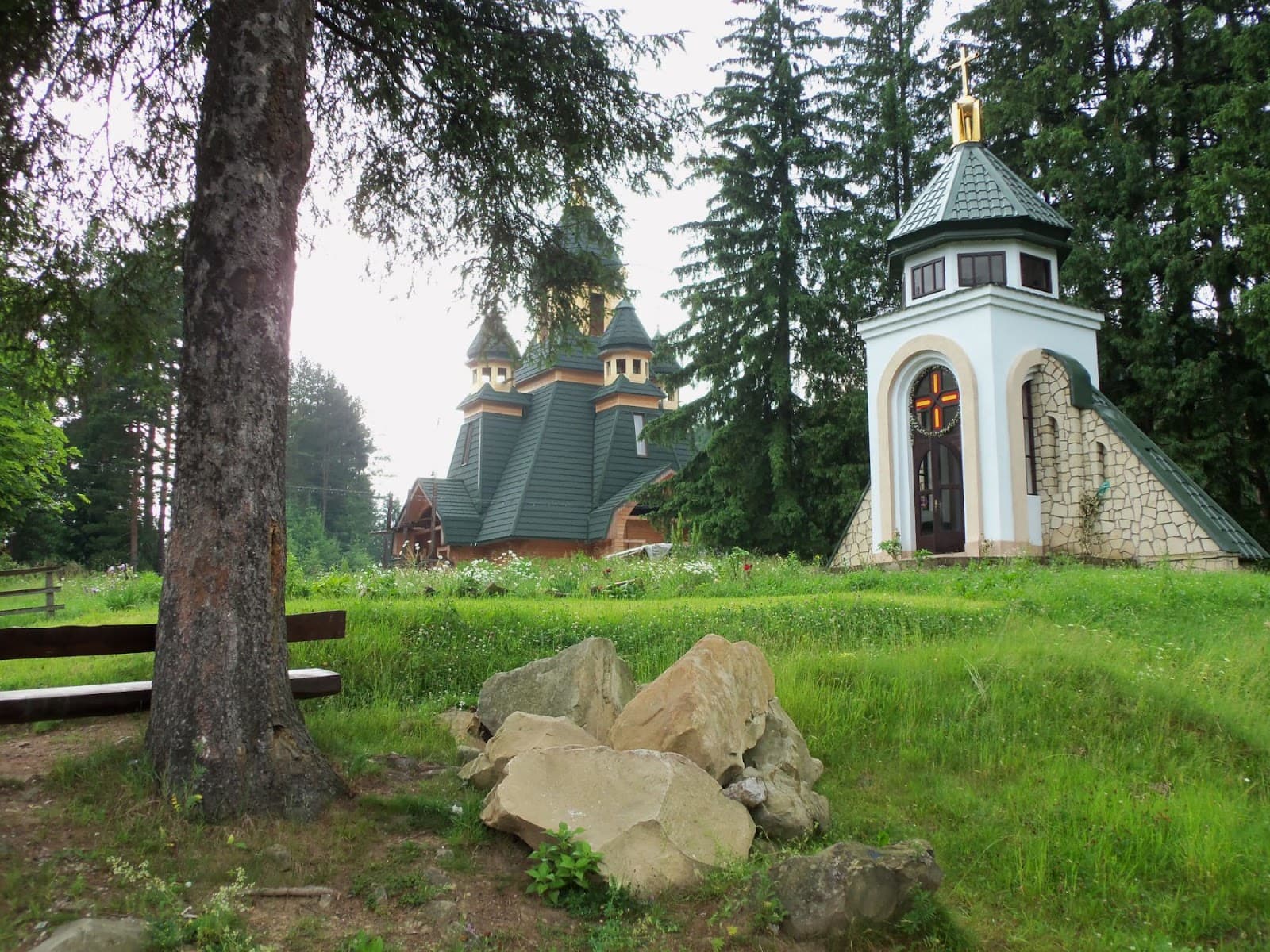
Yamna
A prehistoric culture from the Pontic-Caspian steppe, crucial for understanding Indo-European language spread and early pastoralist societies.
Highlights
Must-see attractions

Social
From TikTok & Reddit
Best Time
Blue hour photography, calmer galleries
Yamna
Best Time
Blue hour photography, calmer galleries
Highlights
Must-see attractions
A prehistoric culture from the Pontic-Caspian steppe, crucial for understanding Indo-European language spread and early pastoralist societies.


Quick Facts
Highlights
Discover the most iconic attractions and experiences
Kurgan Burial Mounds
Iconic burial mounds revealing early funerary practices and social stratification. A glimpse into ancient life.
Early Indo-European Connections
Evidence linking Yamna to the spread of Indo-European languages and technologies across Eurasia.
Pastoralist Lifestyle
Insights into the semi-nomadic pastoralist economy that characterized the Yamna people.
Plans like a pro.
Thinks like you
Planning Your Visit
Understanding Yamna's Significance
Accessing Yamna Information
Insider Tips
from TikTok, Instagram & Reddit
Tips
from all over the internet
What Travellers Say
Reviews Summary
As Yamna is an archaeological concept rather than a tourist destination, reviews are typically found in academic contexts or discussions about prehistory. Its significance is widely recognized for its impact on Indo-European language spread and early societal development.
What People Like
What People Dislike
Frequently Asked Questions
🎫 🗺️ Understanding Yamna
The Yamna culture was a late Copper Age/early Bronze Age archaeological culture that flourished in the Pontic-Caspian steppe from around 3300–2600 BCE. It's significant for its role in the spread of Indo-European languages.
The Yamna culture was primarily located in the Pontic-Caspian steppe, encompassing regions of modern-day Ukraine, southern Russia, and Kazakhstan.
Key findings include kurgan burial mounds, evidence of wheeled vehicles, early metallurgy, and distinctive pottery. These provide insights into their society and migrations.
Genetic and linguistic studies suggest that the Yamna culture played a crucial role in the dispersal of Indo-European languages across Europe and parts of Asia.
Direct visits to specific Yamna archaeological sites are generally not possible for the public, as they are often research-focused or protected. Information is best accessed through museums and academic resources.
🎫 🏛️ Learning About Yamna
You can learn about the Yamna culture through books on archaeology and prehistory, university courses, documentaries, and museum exhibits that feature Bronze Age steppe cultures.
Museums in Ukraine, Russia, and other countries with significant steppe regions may have artifacts or exhibits related to the Yamna culture or its contemporaries. Check major archaeological museums.
Kurgans are large burial mounds that are a hallmark of Yamna culture. They indicate social hierarchy and provide rich archaeological data about their burial rituals and material culture.
Archaeological evidence includes animal bones indicating herding, the presence of wheeled vehicles for mobility, and settlement patterns adapted to grazing lands.
Ancient DNA studies have revealed significant genetic contributions from Yamna populations to modern European and Central Asian populations, supporting their migratory impact.

Social
from TikTok, Instagram & Reddit