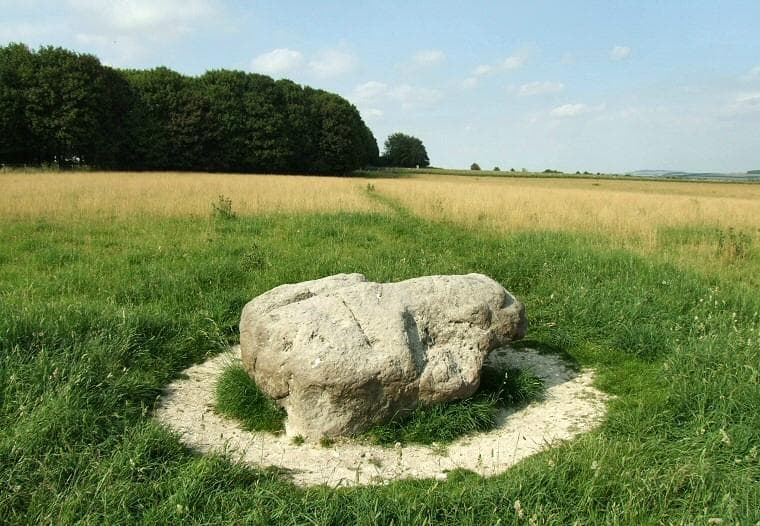
Cuckoo Stone
A fallen Neolithic standing stone, part of the ancient Stonehenge Landscape, offering a glimpse into prehistoric Britain.
Highlights
Must-see attractions

Social
From TikTok & Reddit
Best Time
Pleasant weather, fewer crowds
Cuckoo Stone
Best Time
Pleasant weather, fewer crowds
Highlights
Must-see attractions
A fallen Neolithic standing stone, part of the ancient Stonehenge Landscape, offering a glimpse into prehistoric Britain.
"A great historic place to visit, right near Woodhenge and part of England's heritage."
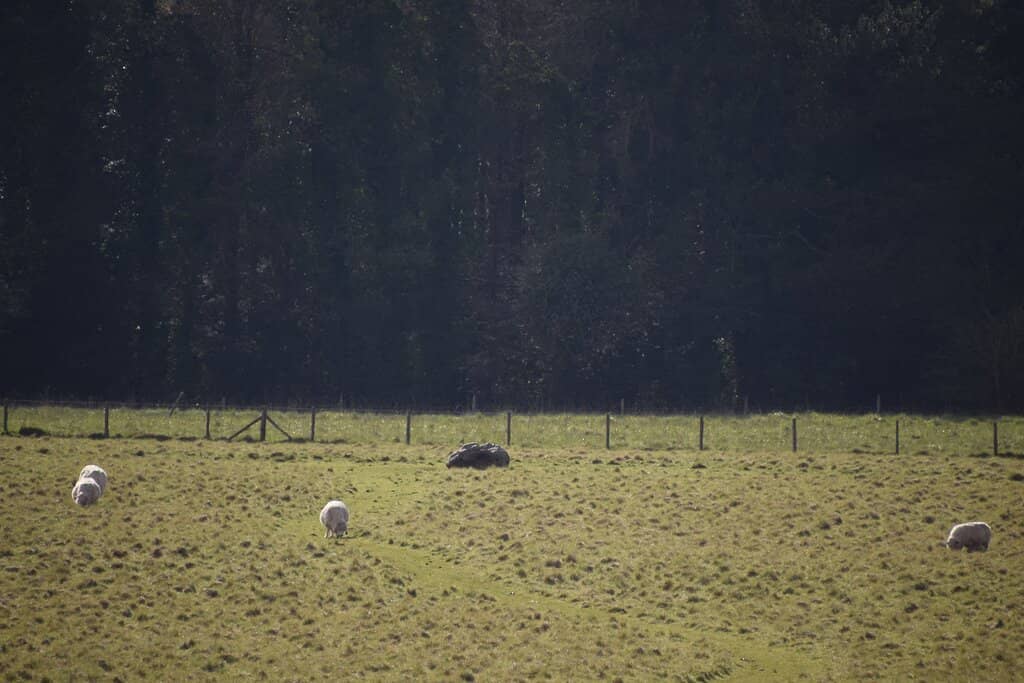
👟 Wear Sturdy Shoes
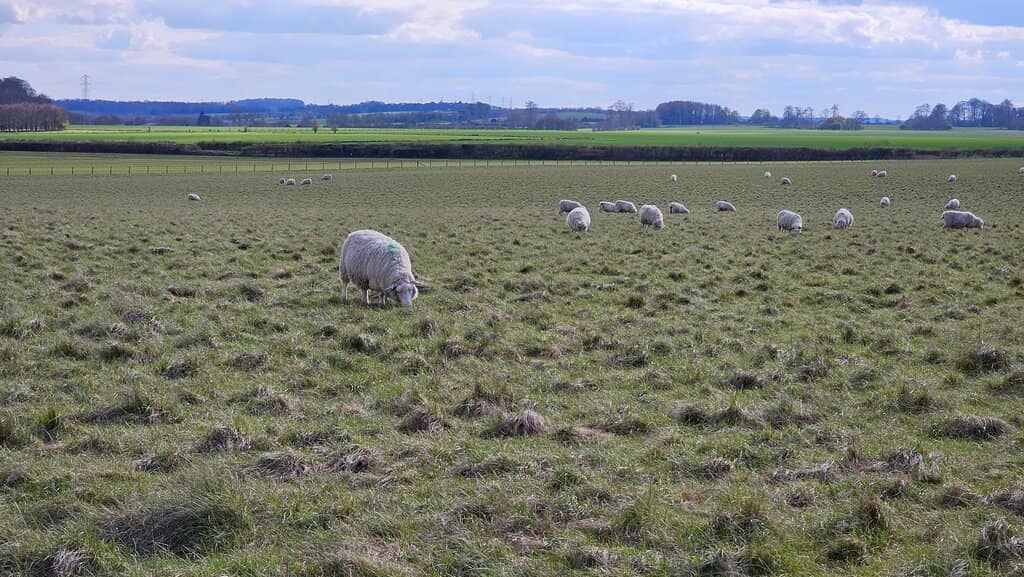
Lots of sheep and rabbit poop on paths. Protect your footwear!
🚶♀️ Easy Dog Walks
A great spot for dog owners, but keep them on a lead around livestock.
Quick Facts
Hours
Rating
4.1 · 97 reviews
Type
Historical Landmark
Highlights
Discover the most iconic attractions and experiences
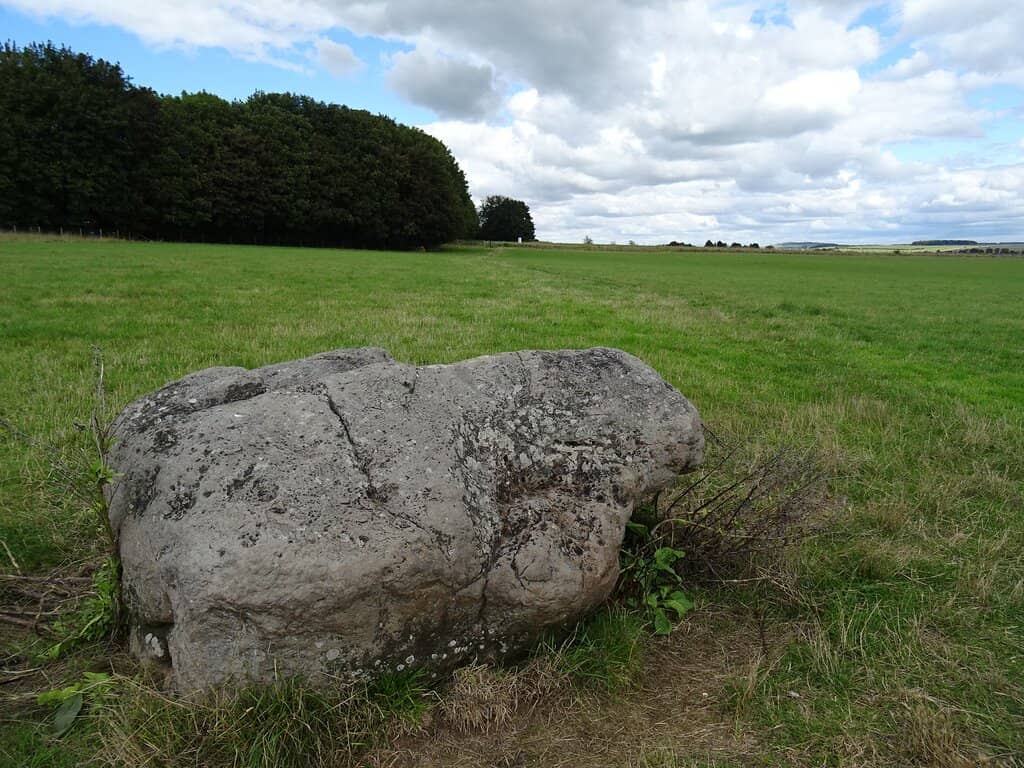
The Cuckoo Stone Itself
Adjacent field to Woodhenge
A fallen Neolithic standing stone, once part of a significant ancient landscape. Explore its resting place and imagine its past.

Proximity to Woodhenge
Short walk from Woodhenge
Easily accessible from Woodhenge, this stone is part of a larger archaeological complex.
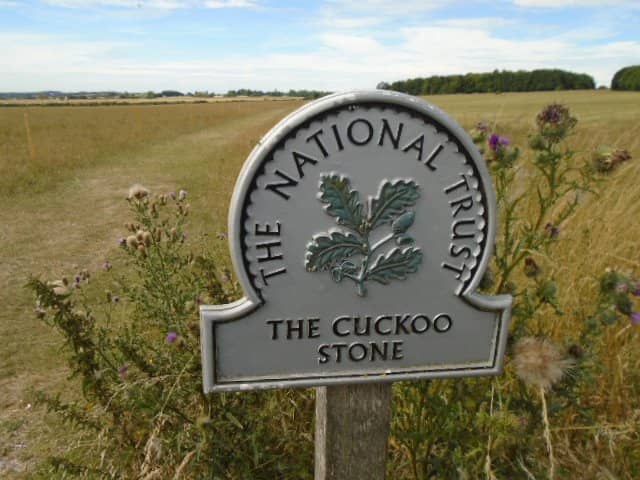
Durrington Walls Walk
Circular route including Cuckoo Stone
Enjoy a scenic walk connecting Woodhenge, Cuckoo Stone, and Durrington Walls for a full historical immersion.
Plans like a pro.
Thinks like you
Planning Your Visit
Respect the Ancient Landscape
Combine Your Visit
Best Times
Insider Tips
from TikTok, Instagram & Reddit
👟 Wear Sturdy Shoes
Lots of sheep and rabbit poop on paths. Protect your footwear!
🚶♀️ Easy Dog Walks
A great spot for dog owners, but keep them on a lead around livestock.
🆓 Free to Explore
No entrance fee required, making it an accessible historical site.
🗺️ Combine with Woodhenge
Just a short walk from Woodhenge, see both in one visit.
Tips
from all over the internet
👟 Wear Sturdy Shoes
Lots of sheep and rabbit poop on paths. Protect your footwear!
🚶♀️ Easy Dog Walks
A great spot for dog owners, but keep them on a lead around livestock.
🆓 Free to Explore
No entrance fee required, making it an accessible historical site.
🗺️ Combine with Woodhenge
Just a short walk from Woodhenge, see both in one visit.
What Travellers Say
Reviews Summary
Visitors find the Cuckoo Stone to be a fascinating and free addition to exploring the wider Stonehenge Landscape, particularly when combined with Woodhenge and Durrington Walls. While it's a simple, fallen stone, its historical significance and the pleasant walking routes are highly praised. Some note the need for sturdy footwear due to animal droppings and the lack of facilities.
"The whole Woodhenge/Durrington Walls site is amazing if you are into history. It's a great circular walk around it, Woodhenge then Cuckoo stone then Durrington Walls. Beautiful place."
Claire Downs
"A short 10 minutes walk from the Army Barack if that's where you park your car. Great for dog walks to. However, it is very close, so walking distance to the Woodhege, which is a part of England's heritage."
Ákos Hervai
"Great historic place to visit. No real parking as the site is open to all without entrance fee and close to the country road, however parking alongside the woodhenge is fine. The cuckoo stone is just up the hill in the next field."
Laurent Lacroix
What People Like
What People Dislike
Frequently Asked Questions
🚇 🗺️ Getting There
The Cuckoo Stone is located about 400 meters west of Woodhenge. If you're driving, parking is available near Woodhenge, and the stone is a short walk uphill into the next field.
There isn't dedicated parking directly at the Cuckoo Stone. The best option is to park near Woodhenge, which is a short walk away.
Public transport options are limited for direct access. It's best reached by car or as part of a wider exploration of the Stonehenge Landscape. Some visitors mention it's a short walk from the Army Barracks.
The paths can be uneven and may have animal droppings, so wheelchair accessibility might be challenging. It's best to check conditions on the day.
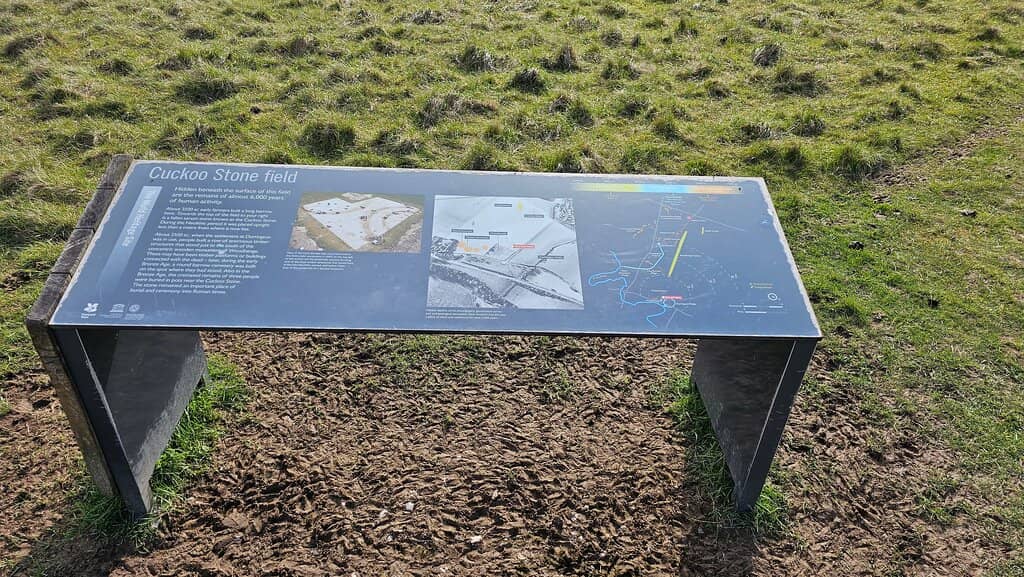
The Stonehenge Landscape is a UNESCO World Heritage site that includes Stonehenge, Woodhenge, Durrington Walls, and other prehistoric monuments like the Cuckoo Stone, offering a glimpse into Neolithic and Bronze Age life.
🎫 🎫 Tickets & Entry
No, the Cuckoo Stone is part of an open landscape and is free to visit.
As an outdoor historical site, the Cuckoo Stone is accessible at all times. However, visiting during daylight hours is recommended for safety and visibility.
There is no entrance fee to visit the Cuckoo Stone. It's a freely accessible part of the ancient landscape.
While technically accessible, visiting at night is not recommended due to lack of lighting and potential safety concerns.
There are no visitor facilities such as restrooms or cafes directly at the Cuckoo Stone. Facilities are more likely to be found at nearby visitor centers for Stonehenge.
🎫 🧭 Onsite Experience
The Cuckoo Stone is a large, fallen Neolithic standing stone, believed to have been erected before 2000 BC. It's a significant part of the Stonehenge Landscape, offering insights into prehistoric rituals and beliefs.
You can see the stone itself, which now rests on the ground, and explore the surrounding field. It's a place to contemplate its ancient history and its connection to nearby sites like Woodhenge.
Most visitors spend about 15-30 minutes at the Cuckoo Stone, especially if combining it with Woodhenge and Durrington Walls.
Yes, children can visit the Cuckoo Stone. It's a great opportunity to spark their interest in history and archaeology. Just ensure they are supervised and wear appropriate footwear.
While there are no strict rules against touching, it's generally advised to be respectful of ancient monuments and avoid excessive contact to preserve them.
📸 📸 Photography
Golden hour (sunrise and sunset) offers beautiful light. Overcast days can also provide soft, even lighting for capturing the stone's texture.
Drone usage regulations can vary. It's best to check with local authorities or the Stonehenge World Heritage Site management for current rules before flying.
Capture wide shots showing the stone in its landscape context, close-ups of its texture, and shots that include nearby Woodhenge for scale.
Visiting on a weekday or during off-peak hours will significantly reduce crowds and make photography easier.
Experiment with different angles, including low angles to emphasize its size and surrounding landscape, and eye-level shots for a more direct perspective.




Social
from TikTok, Instagram & Reddit