RSPB Broadwater Warren
A vibrant nature reserve known for its heathland, woodlands, and unique wildlife like nightjars and conservation grazing animals.
Highlights
Must-see attractions

Social
From TikTok & Reddit
Best Time
Best for nightjar sightings
RSPB Broadwater Warren
Best Time
Best for nightjar sightings
Highlights
Must-see attractions
A vibrant nature reserve known for its heathland, woodlands, and unique wildlife like nightjars and conservation grazing animals.
"A lovely place to walk, lots to explore and discover, respecting the wildlife and sticking to paths."
Listen for Nightjars
Visit at dusk in summer to hear their unique churring sound and spot them in flight. 👂
Dog Walking Rules
Keep dogs on leads at all times to protect wildlife, especially during nesting seasons. 🐕
Quick Facts
Hours
Rating
5 · 4 reviews
Type
Park
Highlights
Discover the most iconic attractions and experiences
Nightjar Spotting
Open heathland areas
Listen for the unique churring call and witness these elusive birds at dusk during summer.
Conservation Grazers
Various paddocks
See Bagot, Old English, and Golden Guernsey goats, plus ponies, maintaining the heathland.
Diverse Habitats
Across the reserve
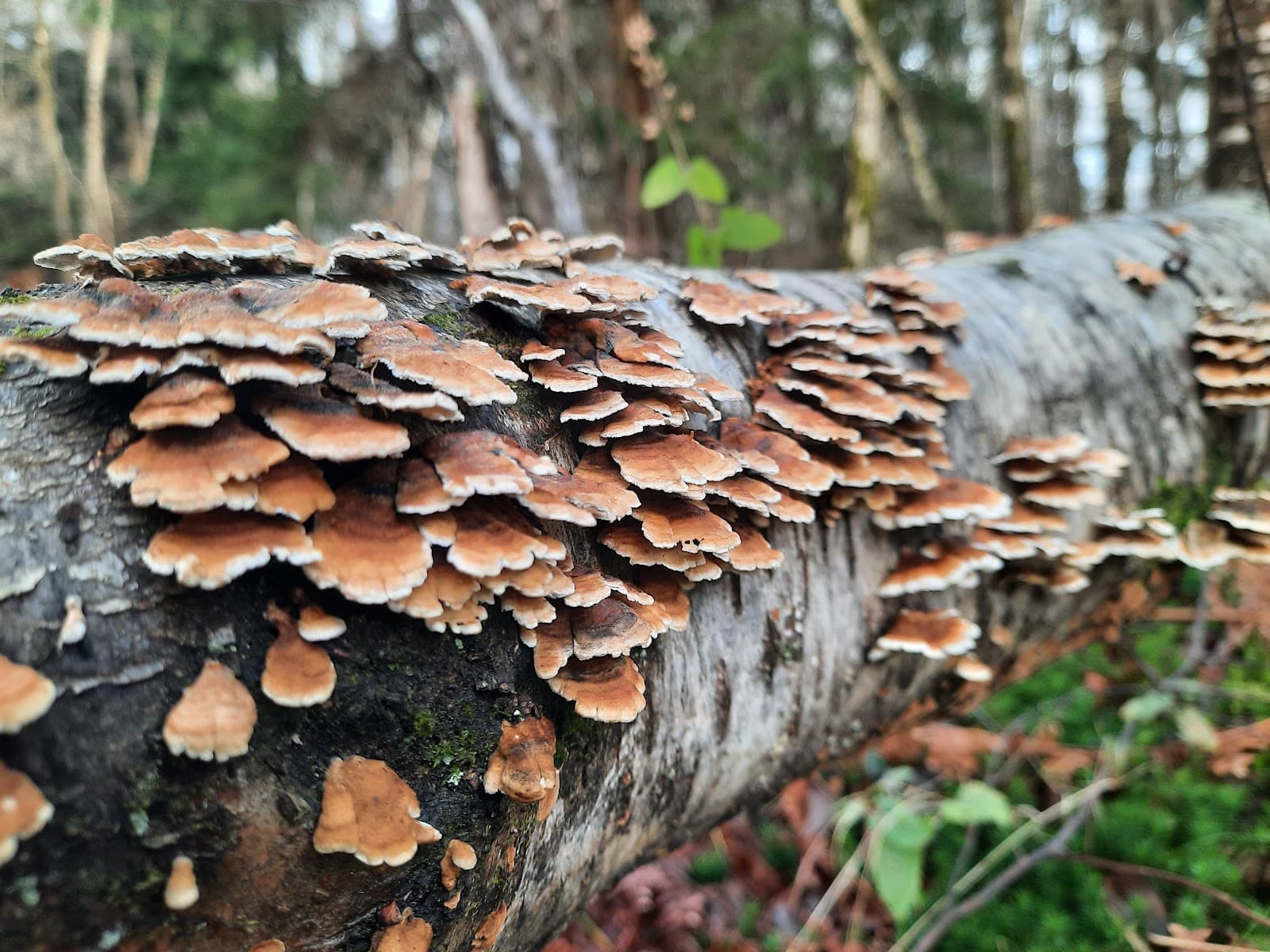
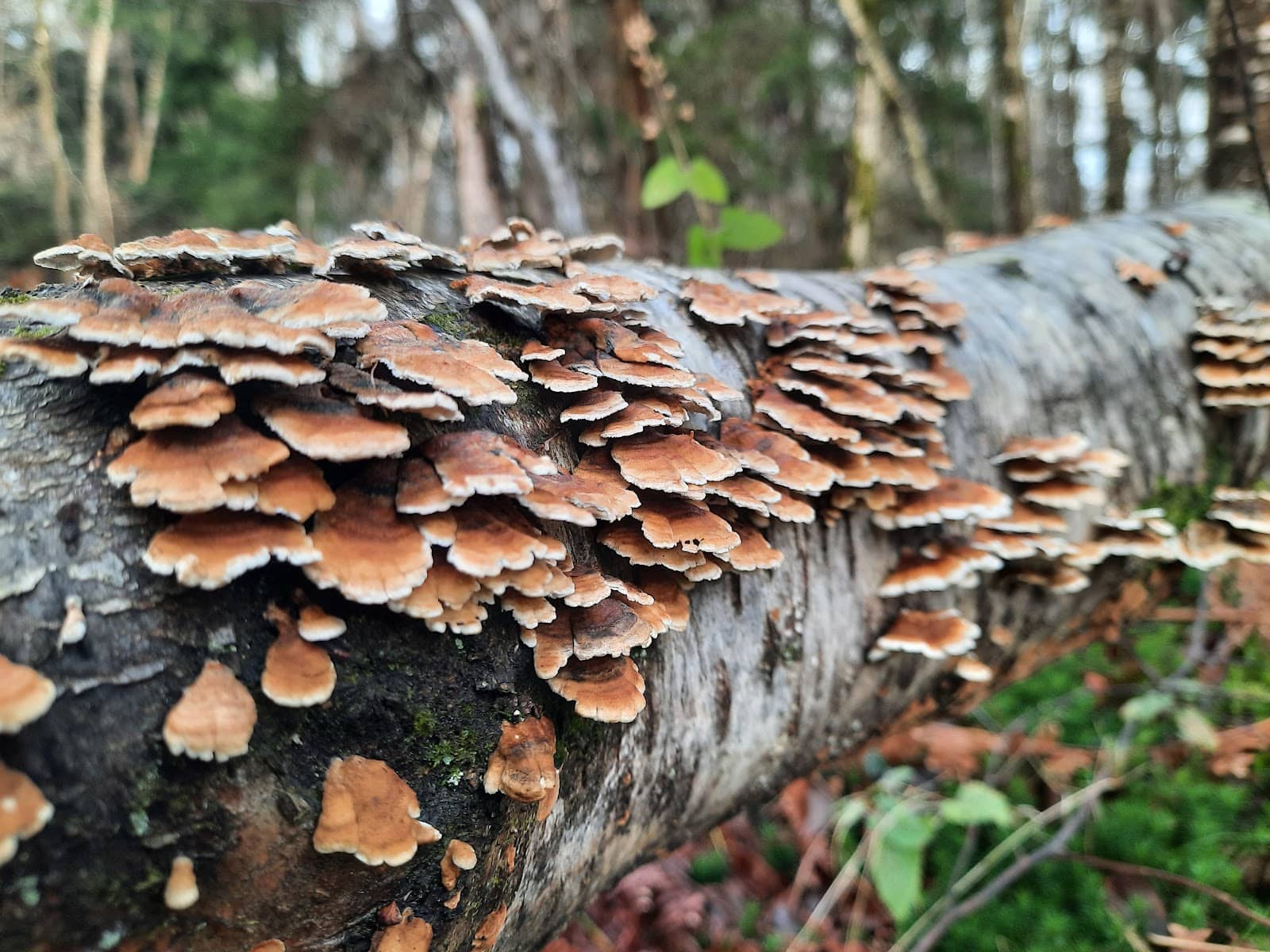
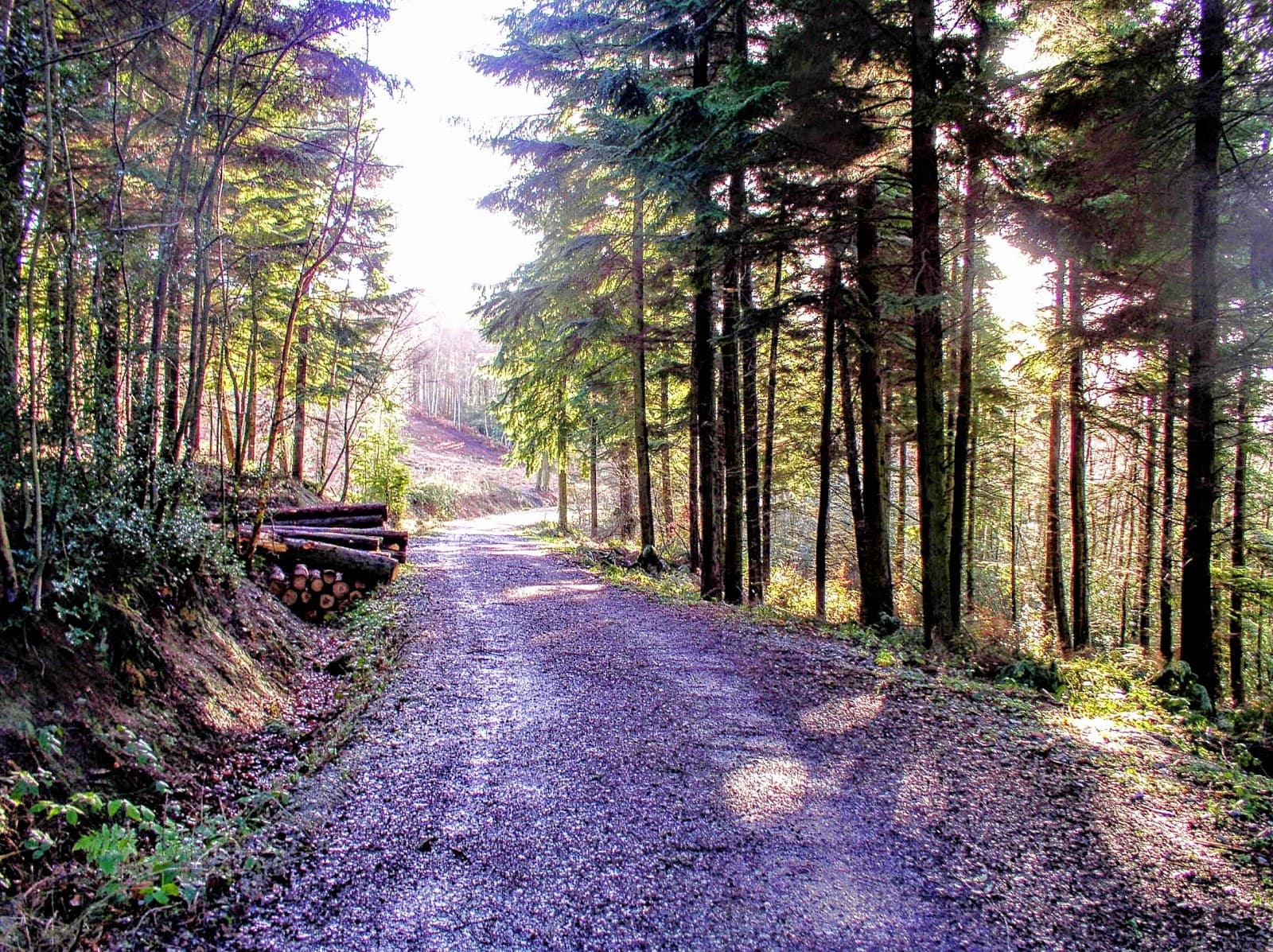
Explore woodlands, heathlands, and wetlands, each supporting unique flora and fauna.
Plans like a pro.
Thinks like you
Planning Your Visit
Timing Your Visit for Wildlife
Respecting the Reserve
Best Times
Insider Tips
from TikTok, Instagram & Reddit
Listen for Nightjars
Visit at dusk in summer to hear their unique churring sound and spot them in flight. 👂
Dog Walking Rules
Keep dogs on leads at all times to protect wildlife, especially during nesting seasons. 🐕
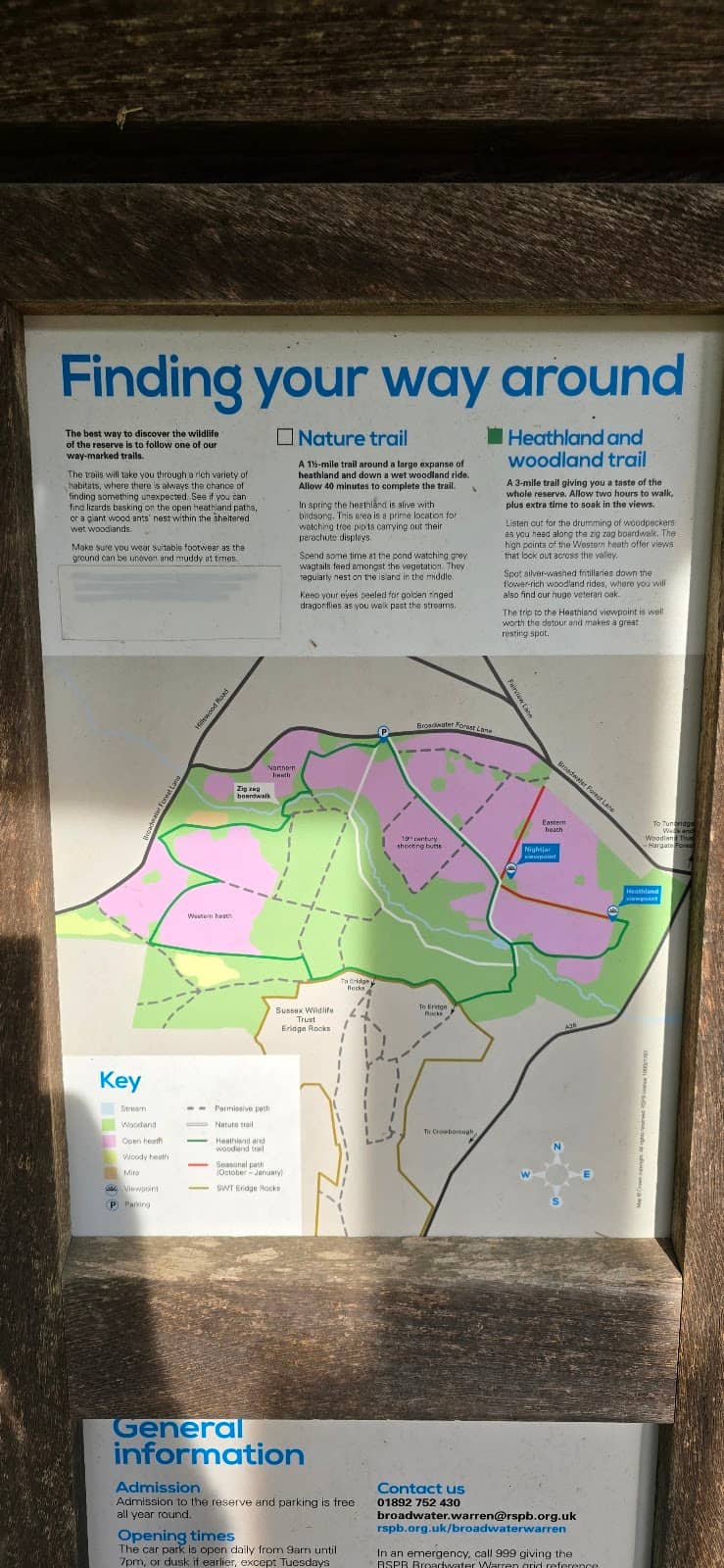
Explore Circular Walks
Well-signed routes make it easy to explore, or forge your own path respectfully. :hiking_boot:
Meet the Goats!
Observe the conservation grazing goats; they're a fascinating part of the reserve's management. 🐐
Tips
from all over the internet
Listen for Nightjars
Visit at dusk in summer to hear their unique churring sound and spot them in flight. 👂
Dog Walking Rules
Keep dogs on leads at all times to protect wildlife, especially during nesting seasons. 🐕
Explore Circular Walks
Well-signed routes make it easy to explore, or forge your own path respectfully. :hiking_boot:
Meet the Goats!
Observe the conservation grazing goats; they're a fascinating part of the reserve's management. 🐐
Check Warden Info
Wardens and staff are knowledgeable; ask them about recent sightings and reserve insights. 💁
What Travellers Say
Reviews Summary
Visitors consistently praise RSPB Broadwater Warren for its diverse wildlife habitats and the knowledgeable, friendly staff. The well-maintained walking trails offer ample opportunities for exploration and wildlife spotting, making it a beloved spot for nature lovers. Some visitors note that public transport can be challenging, and specific wildlife sightings are never guaranteed.
"Very frequent visitor to this place and I absolutely love the various wildlife habitats.
The wardens and staff are a wealth of knowledge and information.
First class!"
Garry Horseman
"A lovely place to walk, lots to explore and discover. Well signed circular walks, or explore your own routes. Making sure to respect the wildlife and stick to paths."
The Haworths
""
Michael Tulley
What People Like
What People Dislike
Frequently Asked Questions
🚇 🗺️ Getting There
The reserve is accessible by car, with parking available on-site. For public transport, you can take a train to Tunbridge Wells and then a taxi, as bus services might be limited, especially on Sundays.
Yes, there is parking available at the reserve. It's advisable to check the RSPB website for any potential parking fees or specific instructions.
Cycling routes may be available in the surrounding countryside. Check local cycling maps and ensure you follow any designated paths or rules within the reserve itself.
The nearest train station is Tunbridge Wells. From there, you'll likely need to arrange a taxi to reach the reserve, which is about a 20-minute ride.
Bus services to the reserve can be infrequent, particularly on weekends. It's best to confirm current routes and schedules with local transport providers or rely on taxis from Tunbridge Wells station.
🎫 🎫 Tickets & Entry
Entry to RSPB Broadwater Warren is free for RSPB members. Non-members typically pay an admission fee, which can vary. It's recommended to check the RSPB website for current pricing.
The reserve is generally open daily from 10:00 to 17:00. However, it's always a good idea to verify these hours on the RSPB's official website before your visit.
Yes, you can visit without being an RSPB member, but there will be an admission fee. Membership offers free entry and supports conservation efforts.
The RSPB often organizes guided walks and events. Check their website for a schedule of upcoming tours, which can offer deeper insights into the reserve's wildlife and management.
While not always mandatory for general entry, booking in advance might be recommended for specific events or guided tours to secure your spot. Check the RSPB website for details.
🎫 🌿 Onsite Experience
You can spot a variety of wildlife, including nightjars, various bird species, and conservation grazing animals like goats and ponies. The diverse habitats support a rich ecosystem. 
Yes, the reserve features well-signed circular walks that allow you to explore different habitats. You can also venture off-path respectfully if you wish.
It's a great place for families to connect with nature. Children can enjoy spotting wildlife and learning about conservation. Ensure they stay on paths and respect the environment.
Dogs are welcome but must be kept on a lead at all times to protect the wildlife and their habitats.
Facilities typically include parking and information points. Specific amenities like visitor centers or cafes may vary, so it's best to check the RSPB website for the most up-to-date information.
📸 📸 Photography
The heathland areas are excellent for nightjars at dusk, while woodlands and wetlands offer opportunities for bird and insect photography. Keep an eye on the grazing paddocks for unique shots of the goats and ponies.
Early mornings and late evenings (dusk) offer the best light for photography and are also prime times for wildlife activity, especially for spotting nightjars.
While specific hides aren't always advertised, the natural landscape and varied habitats provide many vantage points. Patience and observation are key for capturing great shots.
A telephoto lens is highly recommended for capturing distant wildlife like birds and nightjars. A wider lens can be useful for landscape shots of the heathland and woodlands.
Generally, photography for personal use is permitted. However, commercial photography or drone usage may require special permission. Always check the reserve's guidelines.

Social
from TikTok, Instagram & Reddit