King Doniert's Stone Cornwall
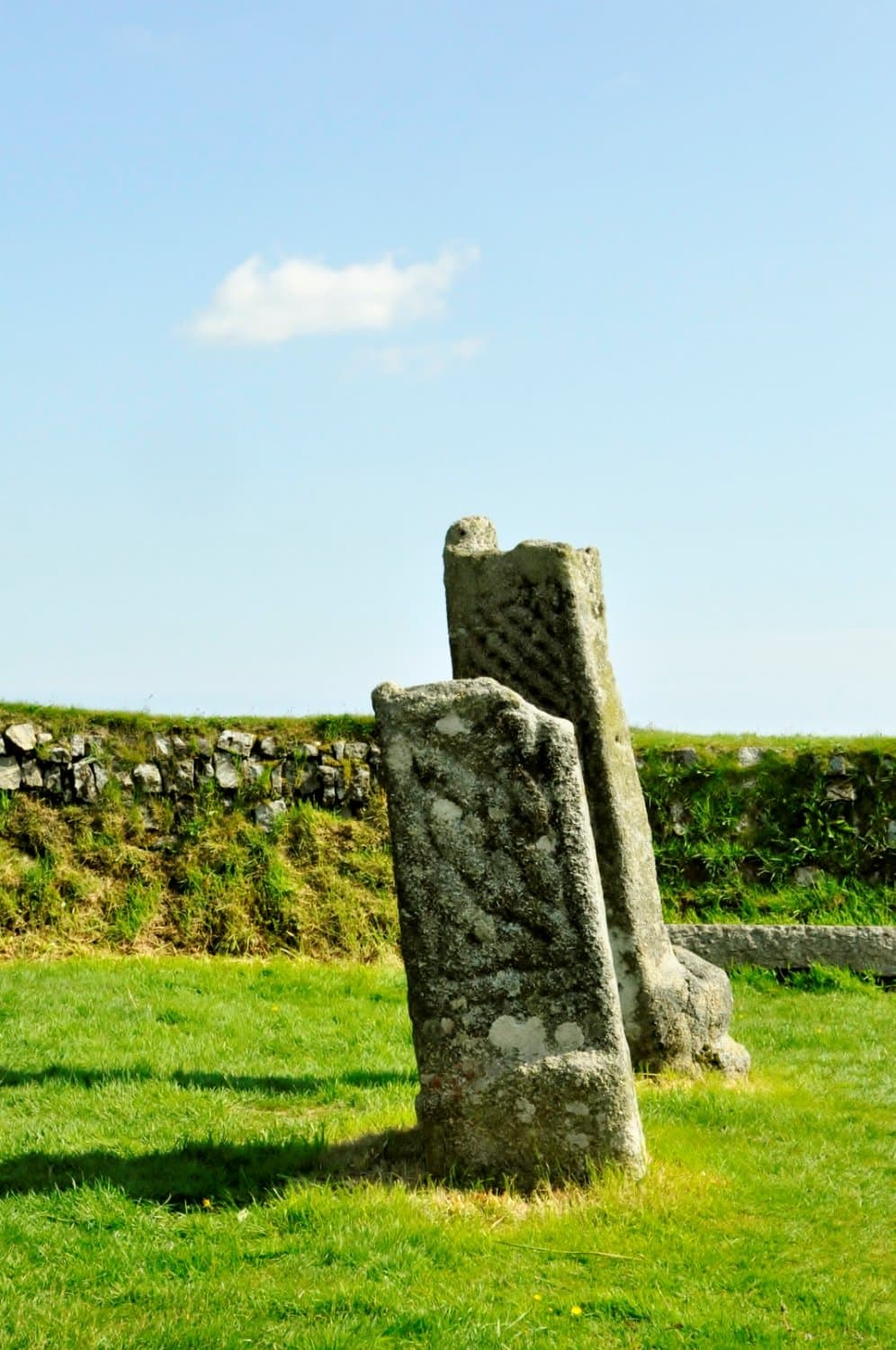
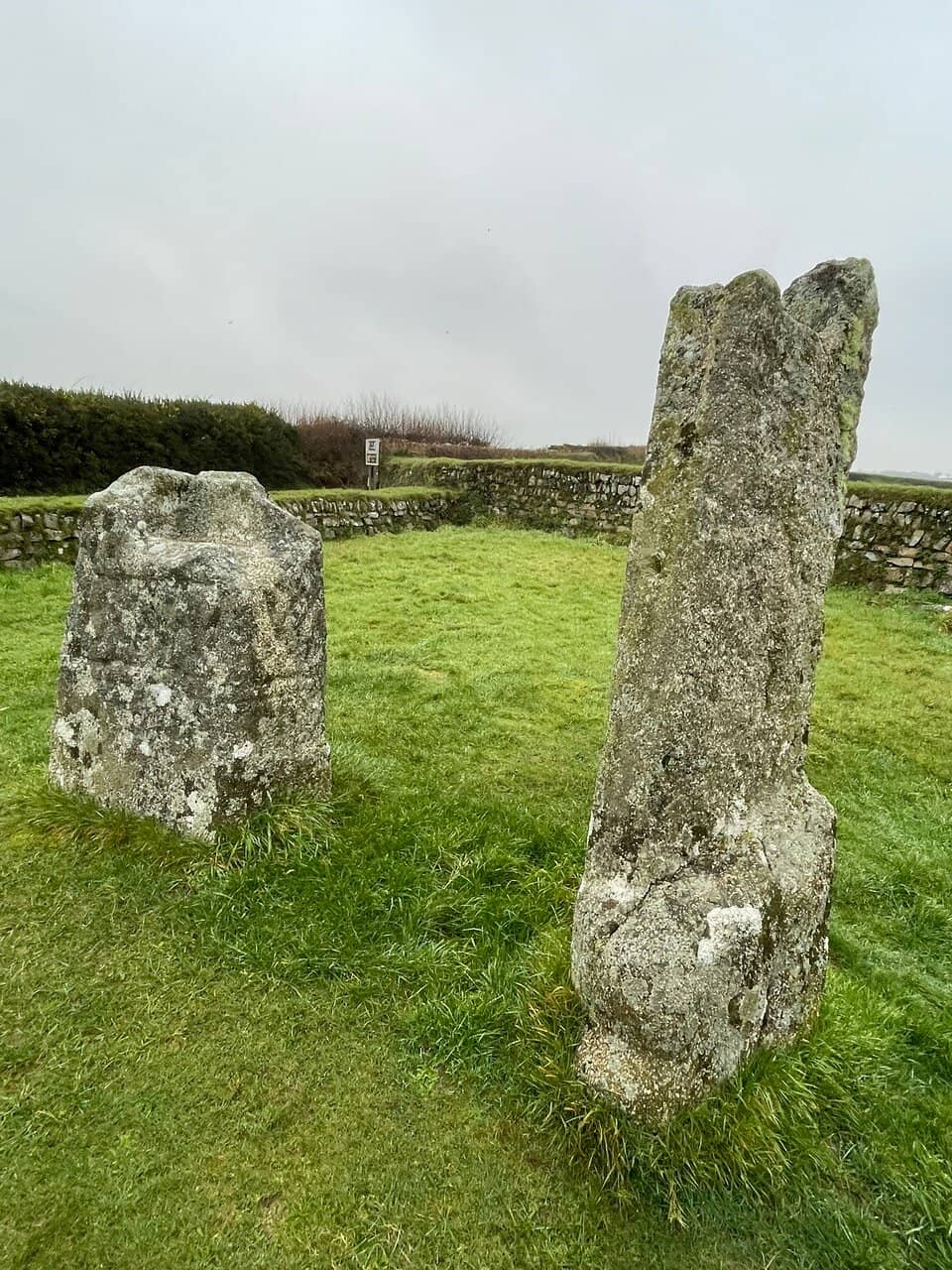
A 9th-century granite cross fragment on Bodmin Moor, commemorating King Doniert, one of Cornwall's last native rulers.
Highlights
Must-see attractions

Social
From TikTok & Reddit
Best Time
To appreciate the carvings
King Doniert's Stone Cornwall
Best Time
To appreciate the carvings
Highlights
Must-see attractions
A 9th-century granite cross fragment on Bodmin Moor, commemorating King Doniert, one of Cornwall's last native rulers.
"Astoundingly old Romano-Cornish inscription next to a layby. Lovely stuff."
Combine with Nearby Sites
Easily pair with Golitha Falls or the Hurlers for a fuller exploration of Bodmin Moor . :world_map:
Limited Parking Available
Parking is very limited, usually only space for 3 cars. Arrive early or be prepared to wait. 🚗
Quick Facts
Hours
Rating
4.4 · 179 reviews
Type
Historical Landmark
Highlights
Discover the most iconic attractions and experiences
King Doniert's Stone
Bodmin Moor, near St Cleer
A 9th-century granite cross fragment commemorating the last King of Dumnonia, featuring intricate Celtic carvings.
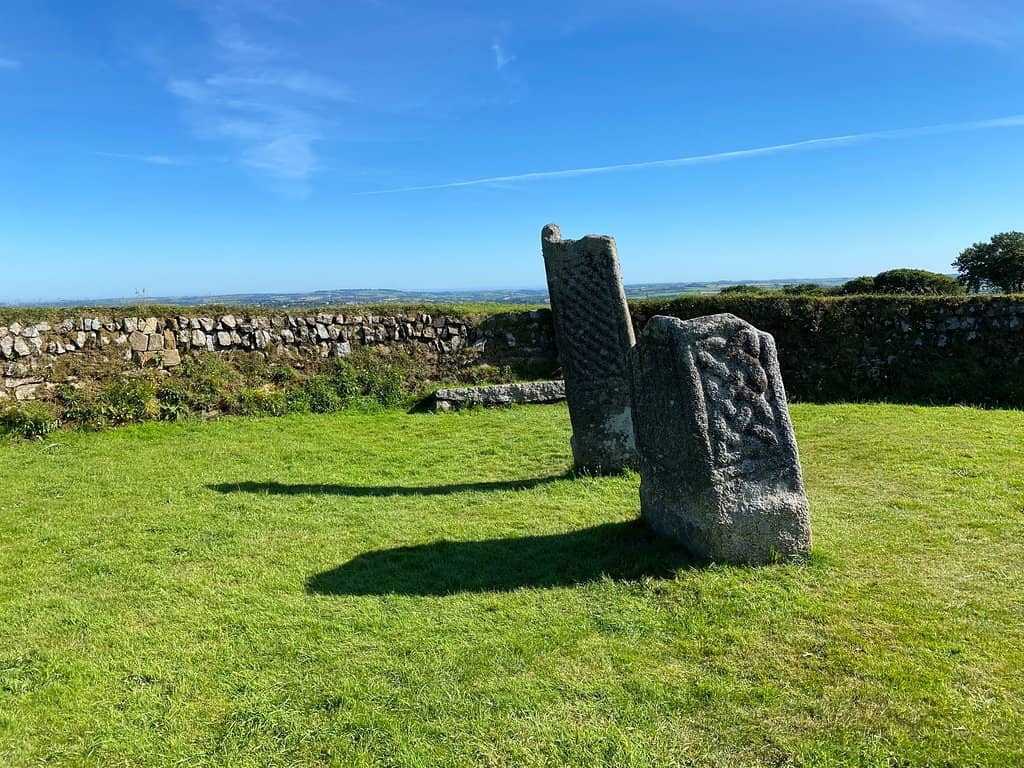
The Other Half Stone
Adjacent to King Doniert's Stone
A companion fragment of the same 9th-century cross, adding to the historical significance of the site.
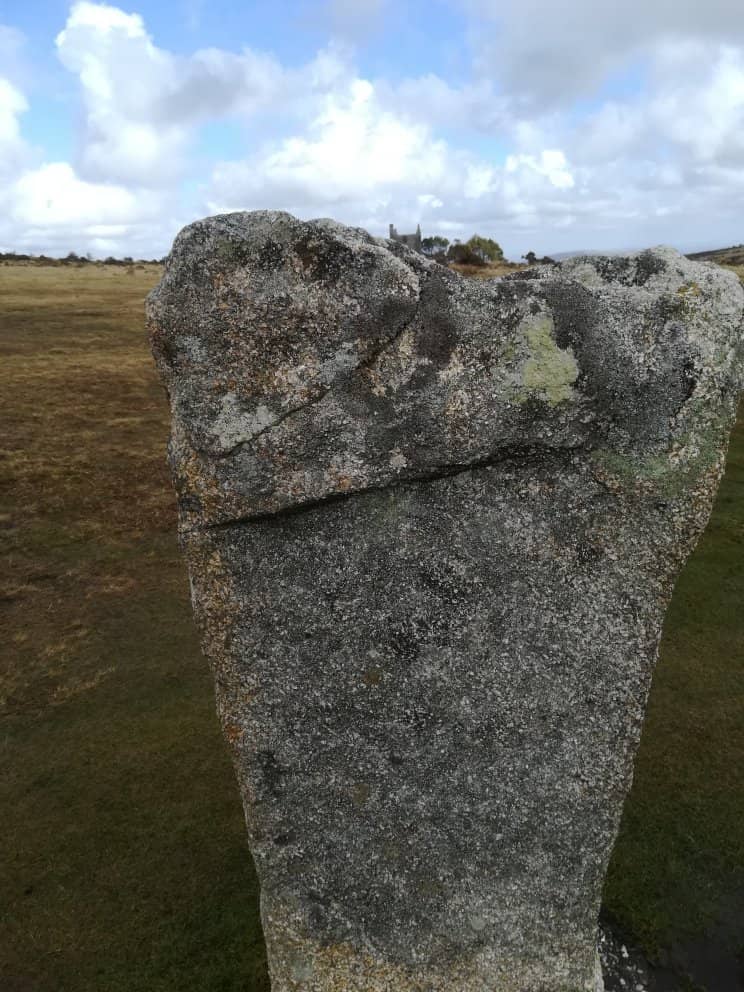
Commemorative Inscription
On King Doniert's Stone
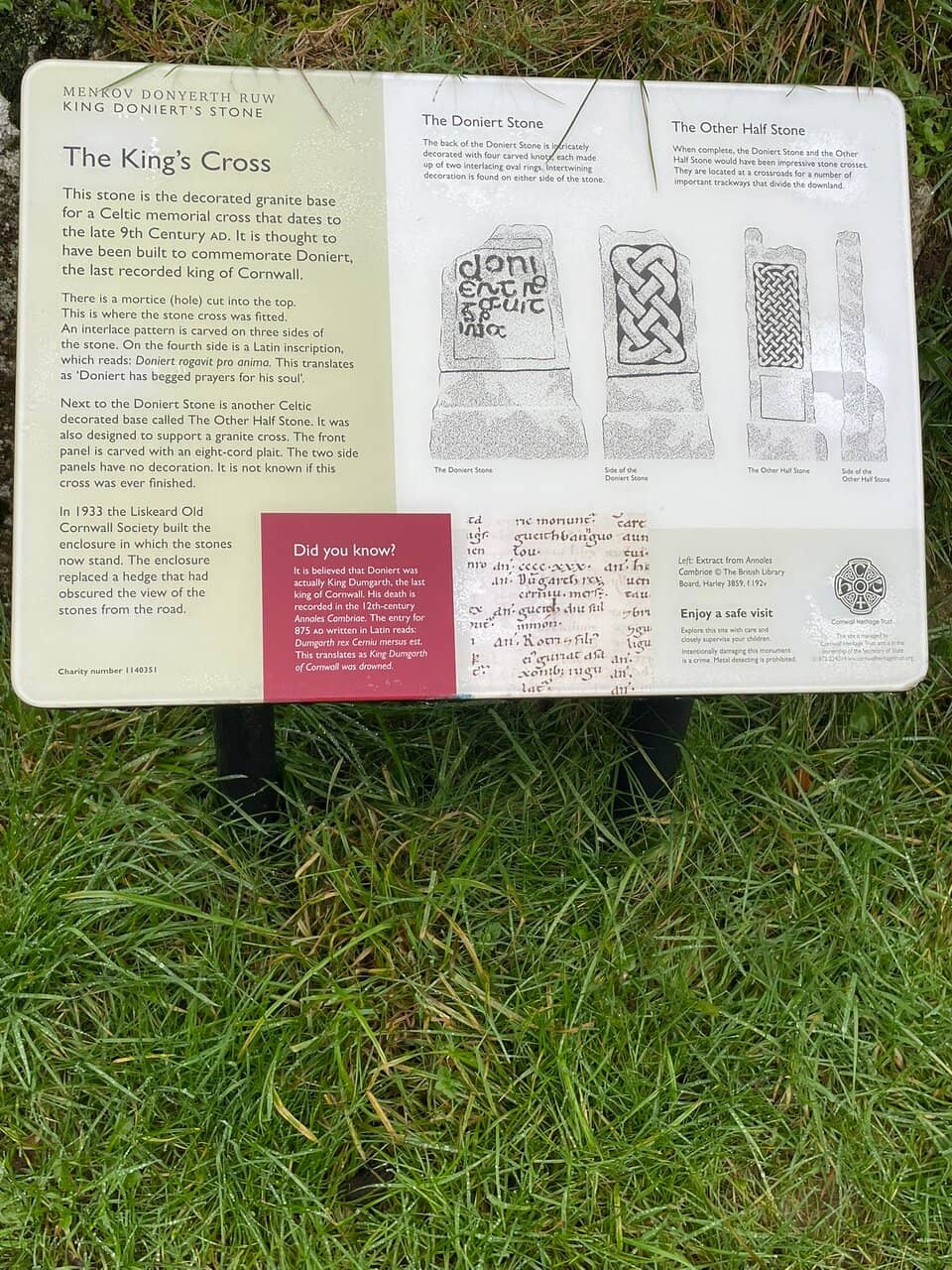
An ancient inscription marking the death of King Dungarth (Doniert), one of Cornwall's last native rulers.
Plans like a pro.
Thinks like you
Planning Your Visit
Timing Your Visit to King Doniert's Stone
Access and Amenities
Best Times
Insider Tips
from TikTok, Instagram & Reddit
Combine with Nearby Sites
Easily pair with Golitha Falls or the Hurlers for a fuller exploration of Bodmin Moor. :world_map:
Limited Parking Available
Parking is very limited, usually only space for 3 cars. Arrive early or be prepared to wait. 🚗
Appreciate the Carvings
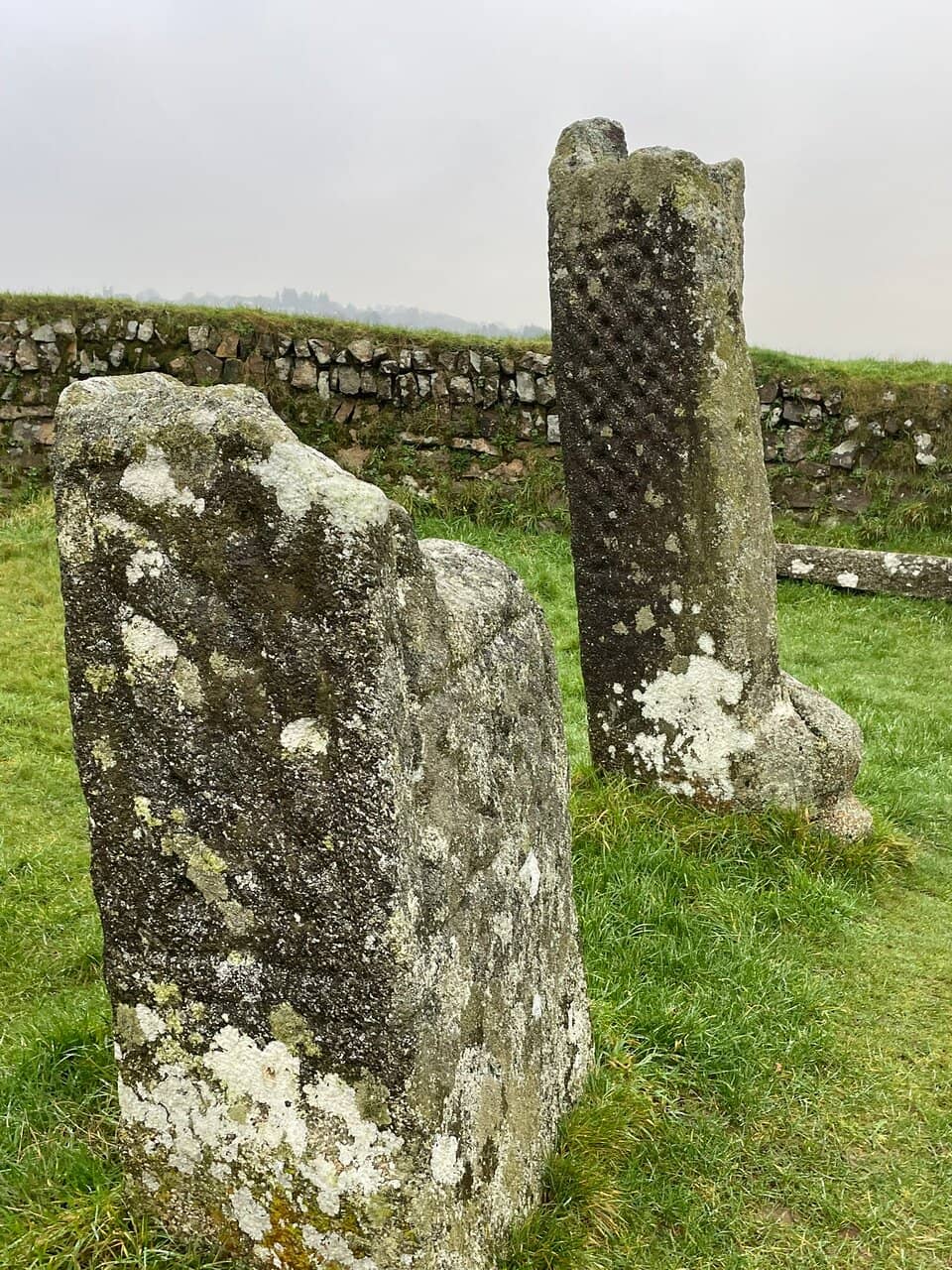
Take time to admire the intricate interlace patterns and the ancient inscription. :camerawithflash:
Wear Sturdy Footwear
The ground can be uneven, especially if sheep are present. Good walking shoes are recommended. :athletic_shoe:
Tips
from all over the internet
Combine with Nearby Sites
Easily pair with Golitha Falls or the Hurlers for a fuller exploration of Bodmin Moor. :world_map:
Limited Parking Available
Parking is very limited, usually only space for 3 cars. Arrive early or be prepared to wait. 🚗
Appreciate the Carvings
Take time to admire the intricate interlace patterns and the ancient inscription. :camerawithflash:
Wear Sturdy Footwear
The ground can be uneven, especially if sheep are present. Good walking shoes are recommended. :athletic_shoe:
Free to Visit
This National Trust site is free to enter, making it an accessible historical stop. :moneywithwings:
What Travellers Say
Reviews Summary
Visitors find King Doniert's Stone to be an interesting historical stop, particularly for its age and inscription, though it's noted as a brief visit rather than a full day's outing. The limited parking and uneven terrain are minor drawbacks for some.
"A few dark ages rocks dedicated to the last Cornish geezer the angles of Wessex straightened out. Good vibes.
Ample parking, i.e. 3 ish, immediate on site. Sheep step may preclude some access."
Alec Richardson
"Another interesting National Trust free to enter place to visit on a drive by.
By that I mean, don't plan to make a day of it. 😀"
Steve Smith (mntainman)
"Interesting to see if passing though not somewhere that I would choose to go to for an outing. Over time the stones have got damaged and have faded but a good one to tick off the list of places visited. It is between Golitha Falls and the Hurlers and the Cheesewring at Minions so easy enough to stop and have a look."
Fly
What People Like
What People Dislike
Frequently Asked Questions
🚇 🗺️ Getting There
King Doniert's Stone is located on the edge of Bodmin Moor, near the village of St Cleer. It's accessible by car, with limited parking available directly on-site. Many visitors find it convenient to stop here when driving between Golitha Falls and the Hurlers or Cheesewring. The nearest major roads are the A38 and A390.
Public transport options to this specific remote location on Bodmin Moor are very limited. It's best accessed by private vehicle. Consider local taxi services if you are staying nearby and do not have your own transport.
Use a GPS or navigation app with the coordinates or search for 'King Doniert's Stone, St Cleer, Cornwall'. It's often signposted from the main roads in the area, but keep an eye out for the stone markers.
🎫 🎫 Tickets & Entry
No, King Doniert's Stone is a free-to-enter site managed by the National Trust. You do not need to purchase tickets to visit and view the stones.
As an outdoor historical monument, King Doniert's Stone does not have set opening hours. It is accessible at any time, but visiting during daylight hours is recommended to fully appreciate the carvings and inscriptions.
There is no entrance fee for King Doniert's Stone. It's a historical monument that can be visited freely by the public.
🎫 🧭 Onsite Experience
King Doniert's Stone is comprised of two fragments of a 9th-century granite cross, believed to commemorate Dungarth, King of Dumnonia, who drowned around AD 875. It's one of the few surviving examples of early medieval stone crosses in Cornwall.
You can see the two intricately carved stone fragments of the cross, featuring detailed interlace patterns and an inscription. It's a significant historical artifact offering a glimpse into Cornwall's early medieval past.
Most visitors spend around 15-30 minutes at King Doniert's Stone, as it's a relatively small site. It's often visited as part of a larger tour of Bodmin Moor, combining it with nearby attractions like Golitha Falls.
There are no facilities such as restrooms or visitor centers directly at King Doniert's Stone. You'll need to use facilities in nearby towns or villages before or after your visit.
The site is on uneven moorland, and parking is limited. While you can get close by car, the terrain might be challenging for those with significant mobility issues. Sheep may also be present, potentially affecting access.
📸 📸 Photography
Capture the intricate Celtic carvings and the ancient inscription on the granite stones. The surrounding Bodmin Moor landscape also provides a dramatic backdrop for your photos.
Yes, photography is allowed at King Doniert's Stone. Feel free to capture the historical monument and its surroundings.
Early morning or late afternoon light can create dramatic shadows and highlight the textures of the stone carvings. Overcast days can also provide soft, even light for detailed shots.
Social
from TikTok, Instagram & Reddit