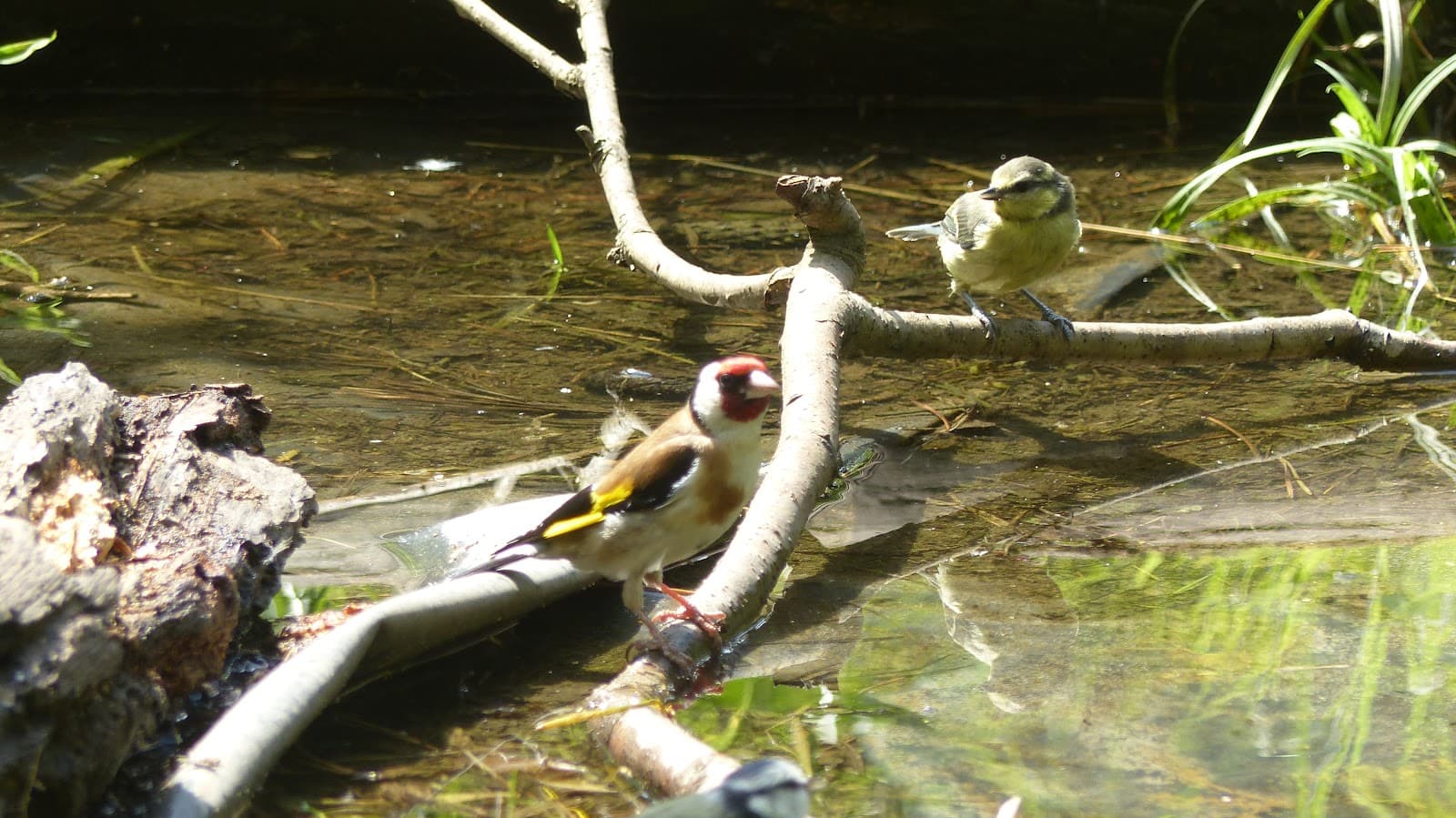
Weeting Heath Nature Reserve
A vital sanctuary for rare birds, especially the elusive Stone Curlew, set within the unique Breckland heathland landscape.
Highlights
Must-see attractions

Social
From TikTok & Reddit
Best Time
Peak breeding season
Weeting Heath Nature Reserve
Best Time
Peak breeding season
Highlights
Must-see attractions
A vital sanctuary for rare birds, especially the elusive Stone Curlew, set within the unique Breckland heathland landscape.
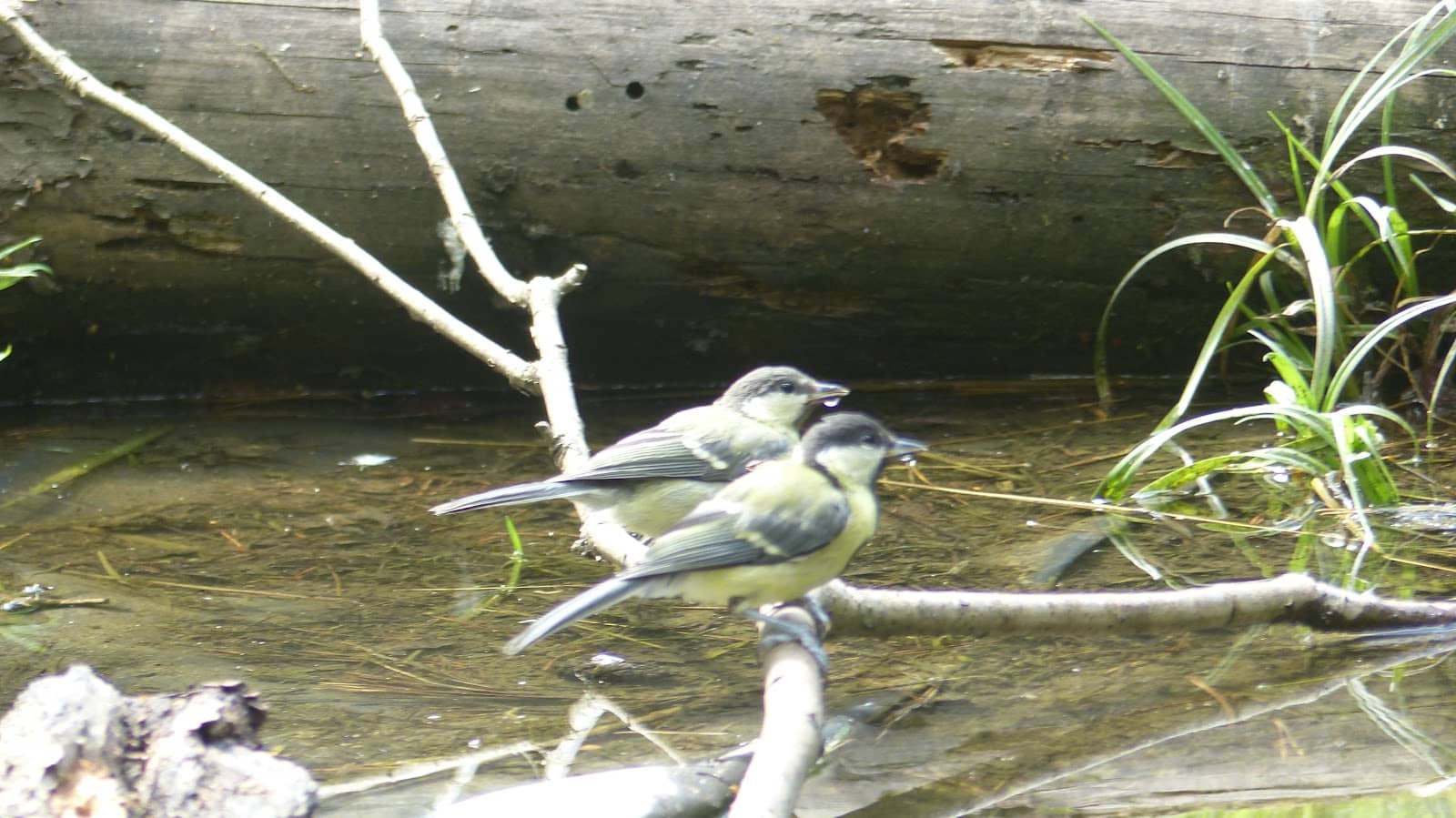
Binoculars are a must! 🔭
Essential for spotting distant birds. Rent or bring your own for the best viewing experience at Weeting Heath.
Wear comfortable shoes 👟
Explore the trails with ease. Sturdy footwear is recommended for walking around the reserve.
Quick Facts
Type
Park
Address
Highlights
Discover the most iconic attractions and experiences
Stone Curlew Spectacle
Designated viewing areas
Witness the elusive Stone Curlew, a rare ground-nesting bird, in its natural habitat. A truly unique sighting!
Diverse Avian Encounters
Various hides and trails
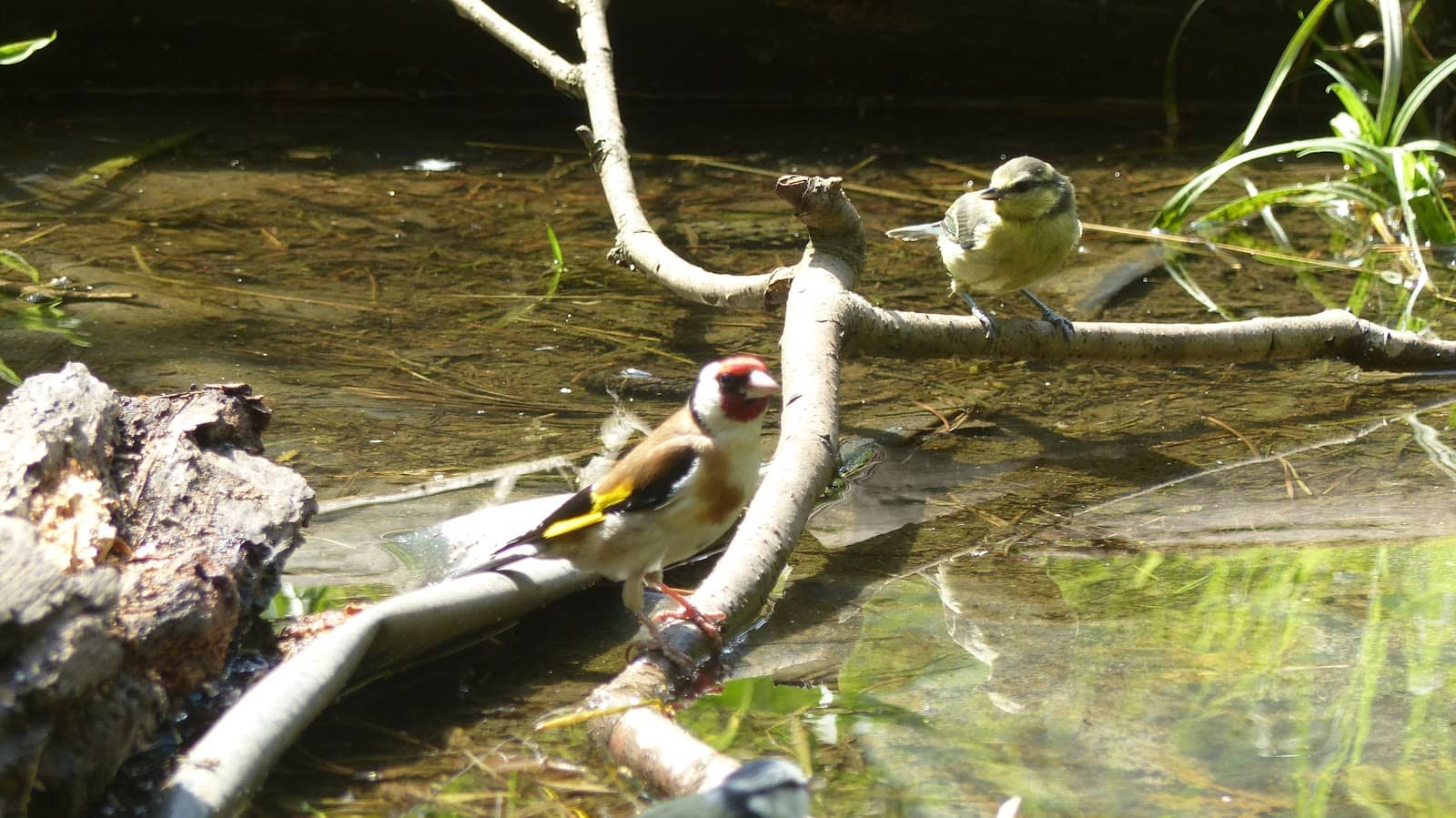
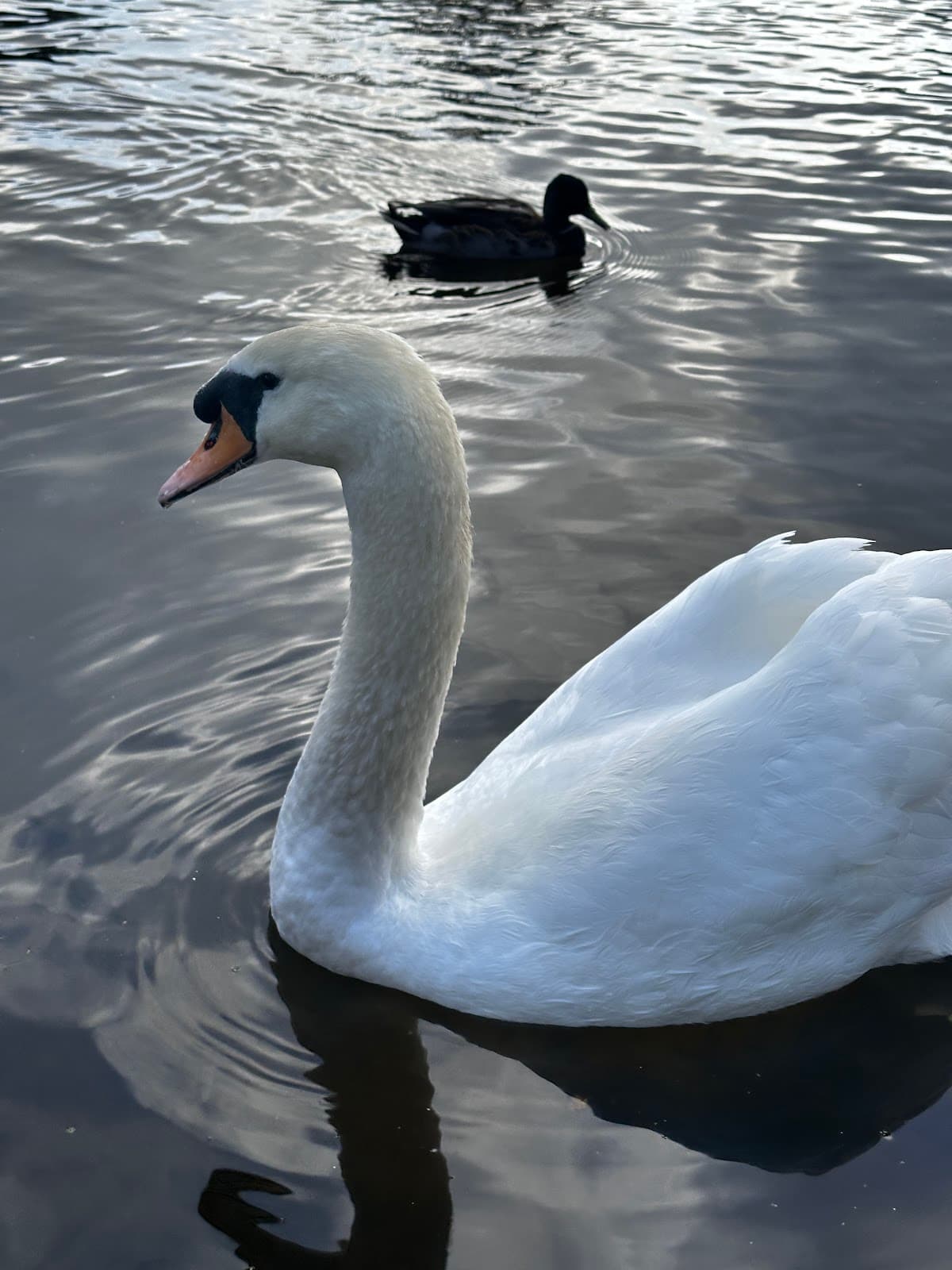
Spot a wide array of birds, from resident species to migratory visitors. Keep an eye out for raptors and waterfowl.
Visitor Centre Exhibits
Visitor Centre
Learn about the local flora and fauna, and the conservation efforts at Weeting Heath through engaging displays.
Plans like a pro.
Thinks like you
Planning Your Visit
Best Time for Birdwatching
Visitor Center Essentials
Best Times
Insider Tips
from TikTok, Instagram & Reddit
Binoculars are a must! 🔭
Essential for spotting distant birds. Rent or bring your own for the best viewing experience at Weeting Heath.
Wear comfortable shoes 👟
Explore the trails with ease. Sturdy footwear is recommended for walking around the reserve.
Check recent sightings 📍
Visit the visitor center for up-to-date information on where the rarest birds have been spotted.
Pack snacks & water 🍎
While there are refreshments, bringing your own ensures you're prepared for longer explorations.
Tips
from all over the internet
Binoculars are a must! 🔭
Essential for spotting distant birds. Rent or bring your own for the best viewing experience at Weeting Heath.
Wear comfortable shoes 👟
Explore the trails with ease. Sturdy footwear is recommended for walking around the reserve.
Check recent sightings 📍
Visit the visitor center for up-to-date information on where the rarest birds have been spotted.
Pack snacks & water 🍎
While there are refreshments, bringing your own ensures you're prepared for longer explorations.
What Travellers Say
Reviews Summary
Visitors praise Weeting Heath for its unique birdlife, particularly the rare Stone Curlew, and its peaceful, natural setting. The reserve offers a great escape for nature lovers and birdwatchers. Some visitors note that facilities are basic and that clear signage could be improved.
What People Like
What People Dislike
Frequently Asked Questions
🚇 🗺️ Getting There
Weeting Heath Nature Reserve is accessible by car, with parking available on-site. Public transport options are limited, so driving is often the most convenient way to reach the reserve. Check local bus routes if relying on public transport.
Yes, there is dedicated parking available for visitors at Weeting Heath Nature Reserve. It's usually located near the visitor center.
Cycling is a great way to reach the reserve if you're nearby. There are often bike racks available, but it's advisable to check beforehand.
🎫 🎫 Tickets & Entry
Entry to Weeting Heath Nature Reserve is typically free, but donations are greatly appreciated to support conservation efforts. Check their official website for any changes or special event ticketing.
The reserve is generally open daily from dawn till dusk. The visitor center has more specific opening hours, so it's best to check their website for the most current information.
Some trails at Weeting Heath are accessible, but it's recommended to inquire at the visitor center about the best routes for wheelchair users, as some paths may be uneven.
🎫 🧭 Onsite Experience
Weeting Heath is renowned for its Stone Curlews, but you can also spot a variety of other birds including waders, waterfowl, raptors like kestrels and buzzards, and various passerines. The species vary by season.
Yes, there are several strategically placed bird hides and viewing platforms around the reserve, offering excellent vantage points for observing wildlife without disturbance.
Dogs are usually allowed at Weeting Heath but must be kept on a lead at all times to protect ground-nesting birds and other wildlife. Always check the latest site rules.
Yes, Weeting Heath has a visitor center that provides information, maps, and often has a small shop with refreshments and binoculars for hire.
The trails leading to the bird hides are generally the most rewarding for birdwatching. Ask at the visitor center for recommendations based on recent sightings.
📸 📸 Photography
Absolutely! With its diverse birdlife and dedicated viewing areas, Weeting Heath offers fantastic opportunities for bird photography. Patience and good telephoto lenses are key.
Early mornings and late afternoons provide softer light, ideal for photography. These times also coincide with peak bird activity.
While not specifically designated photography hides, the general bird hides offer good vantage points. Some photographers may find discreet spots along the trails.


Social
from TikTok, Instagram & Reddit