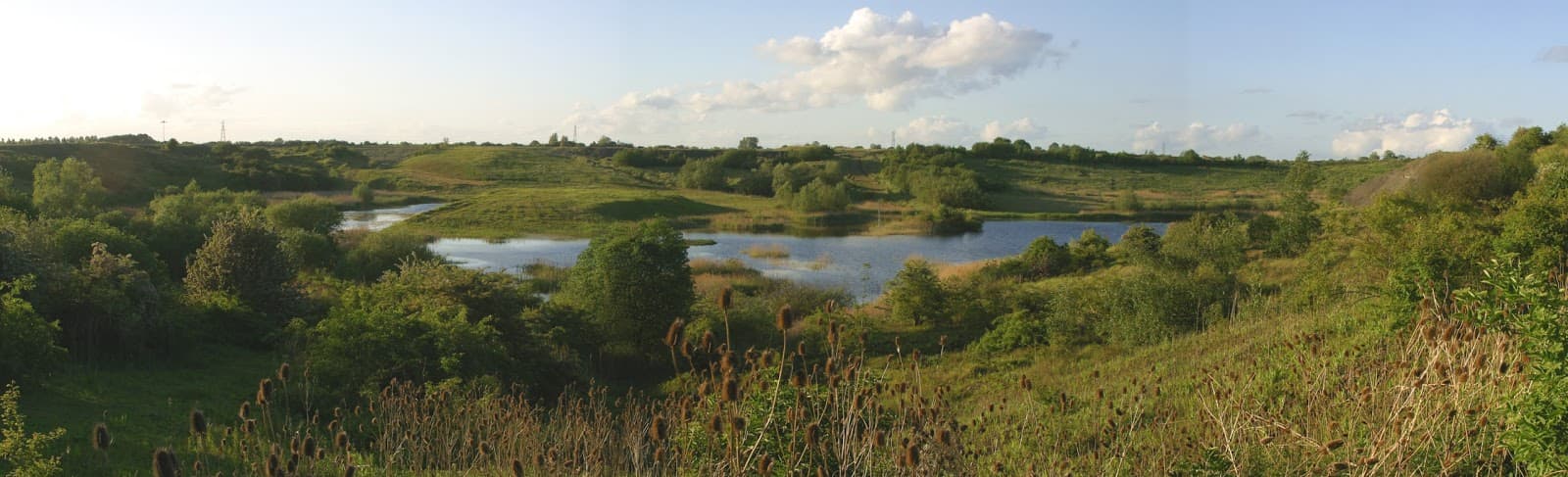
King's Dyke Nature Reserve
Discover ancient fossils and diverse wildlife at King's Dyke Nature Reserve. A free, membership-based haven for nature lovers and fossil hunters.
Highlights
Must-see attractions

Social
From TikTok & Reddit
Best Time
Best for wildlife and butterflies
King's Dyke Nature Reserve
Best Time
Best for wildlife and butterflies
Highlights
Must-see attractions
Discover ancient fossils and diverse wildlife at King's Dyke Nature Reserve. A free, membership-based haven for nature lovers and fossil hunters.
"Great fossil hunting area with beautiful walks and lots of wildlife to see."

👟 Wear Sturdy Footwear
Ground can be soft and muddy, especially in winter. Flat, sturdy shoes are recommended.
📝 Sign Up for Membership
Membership is free and required for entry. Sign up online or on arrival to explore the reserve.

Quick Facts
Hours
Rating
4.6 · 125 reviews
Type
Park
Highlights
Discover the most iconic attractions and experiences
Fossil Hunting Treasures
Oxford Clay deposits
Unearth ancient ammonites and other fossils from the Jurassic period. A thrilling experience for all ages!
Abundant Wildlife Viewing
Various habitats
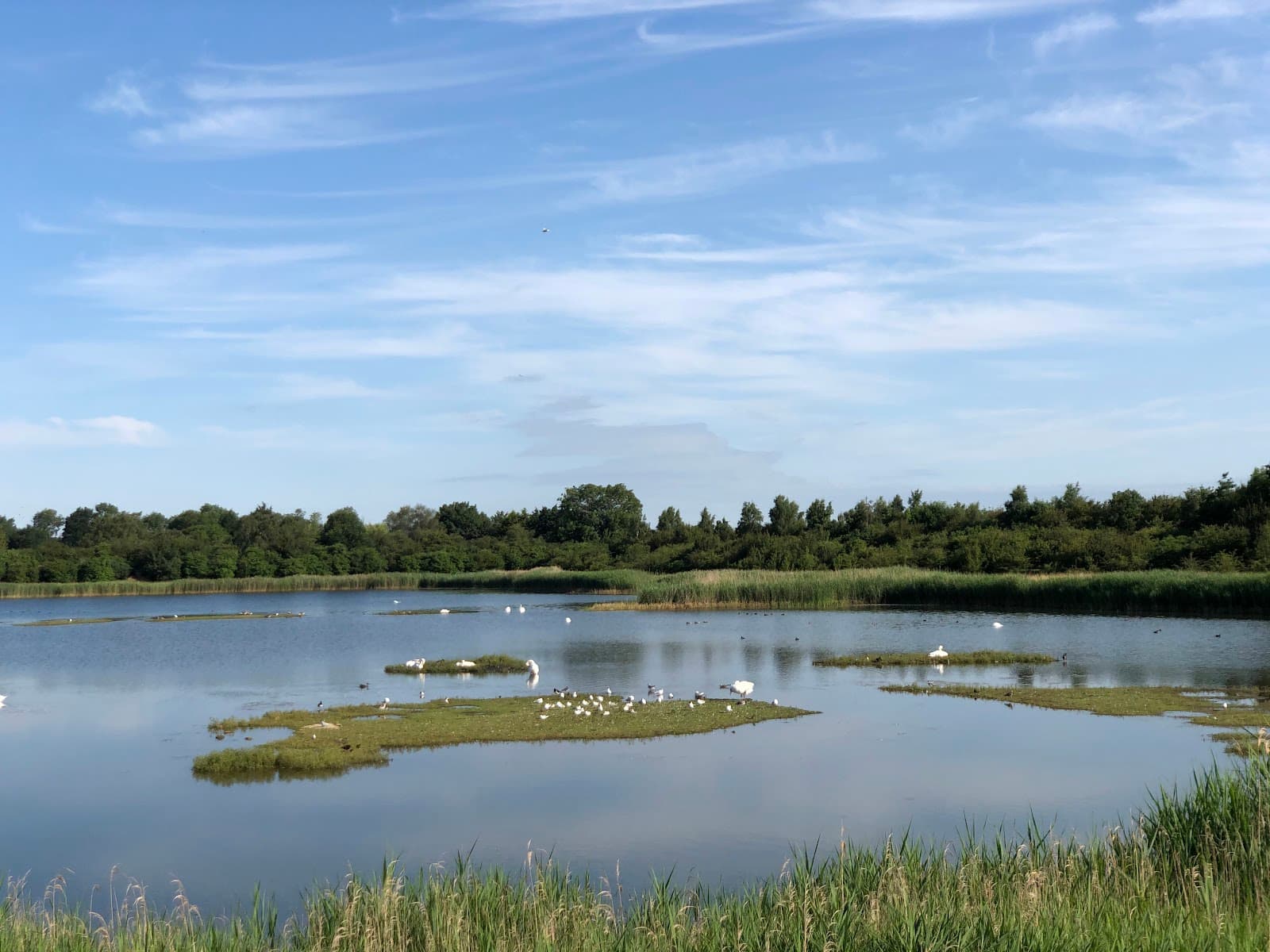
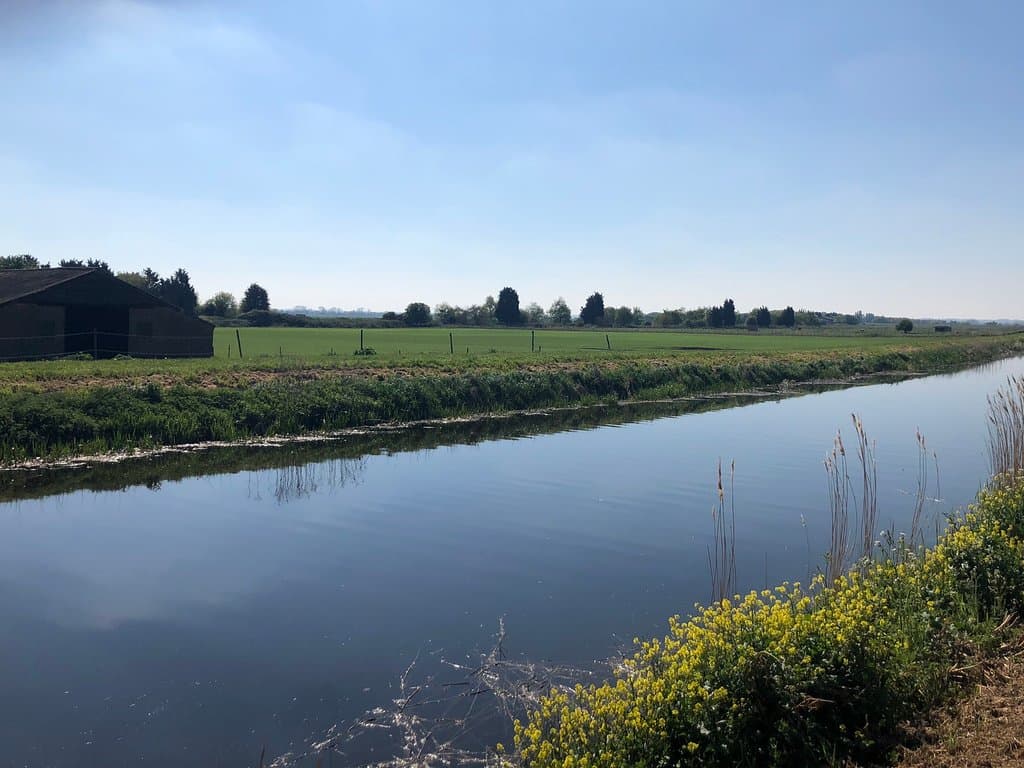
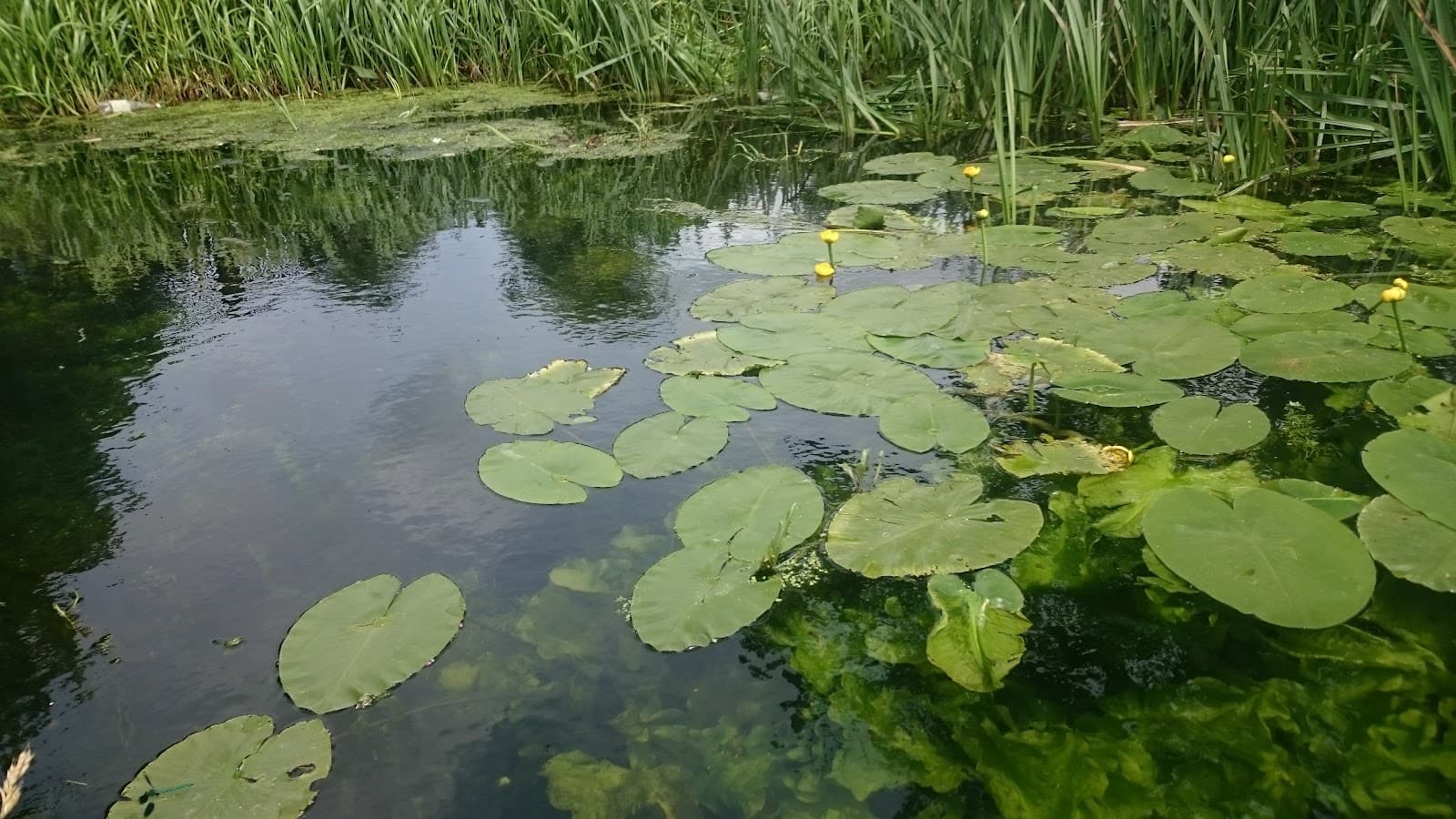
Spot swans, deer, rabbits, and diverse birdlife. A haven for nature enthusiasts and photographers.

Scenic Nature Walks
Well-maintained paths
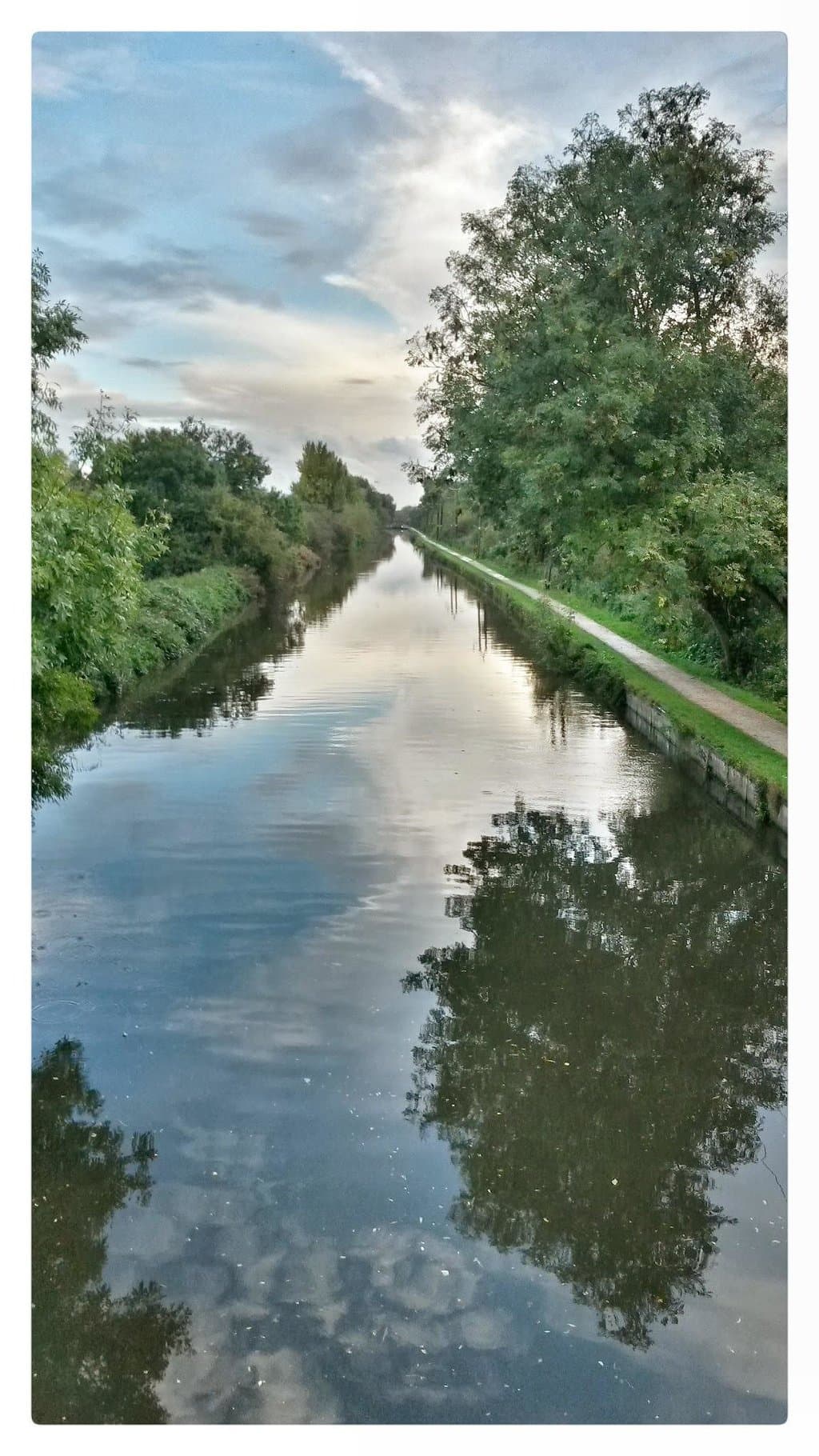
Enjoy peaceful strolls through diverse landscapes, offering beautiful views and a chance to connect with nature.
Plans like a pro.
Thinks like you
Planning Your Visit
Membership Required for Entry
Prepare for Muddy Trails
Best Times
Insider Tips
from TikTok, Instagram & Reddit
👟 Wear Sturdy Footwear
Ground can be soft and muddy, especially in winter. Flat, sturdy shoes are recommended.
📝 Sign Up for Membership
Membership is free and required for entry. Sign up online or on arrival to explore the reserve.
🚫 No Dogs Allowed
To protect the wildlife, dogs are not permitted within the nature reserve.
🔍 Fossil Hunting Fun
Great area for fossil hunting, especially ammonites. Bring tools if you plan to dig!
Tips
from all over the internet
👟 Wear Sturdy Footwear
Ground can be soft and muddy, especially in winter. Flat, sturdy shoes are recommended.
📝 Sign Up for Membership
Membership is free and required for entry. Sign up online or on arrival to explore the reserve.
🚫 No Dogs Allowed
To protect the wildlife, dogs are not permitted within the nature reserve.
🔍 Fossil Hunting Fun
Great area for fossil hunting, especially ammonites. Bring tools if you plan to dig!
🦢 Observe Nesting Swans
Visit in spring/summer to see swans nesting and their cygnets. A beautiful sight!
What Travellers Say
Reviews Summary
Visitors praise King's Dyke Nature Reserve for its excellent fossil hunting opportunities and abundant wildlife, making it a unique natural asset. While the free membership is appreciated, the muddy conditions and lack of dogs can be drawbacks for some. Overall, it's a highly recommended spot for nature lovers and amateur paleontologists.
"Always great to walk around kings dyke nature reserve, the ground can be soft and muddy during winter so have to be careful walking. Lot's of wildlife to see, to small birds and swans, deer, rabbits, butterfly's during summer. NOTE you have to be a member which is free to sign up for."
James Furr
"Great fossil hunting area. It has beautiful walks however no dogs are allowed."
Emma Foster
"Loved my visit here. Amazing to see the swans nesting. Great views...."
Jo Pearson
What People Like
What People Dislike
Frequently Asked Questions
🚇 🗺️ Getting There
King's Dyke Nature Reserve is located in Whittlesey, Cambridgeshire. It's accessible by car, with parking available on-site. Public transport options might be limited, so checking local bus routes is advisable.
Yes, there is parking available at the reserve. It's convenient for visitors arriving by car.
Cycling is a great way to reach the reserve if you're local. There are usually bike racks available, but it's always good to secure your bike properly.
The nearest town is Whittlesey. Peterborough is a larger city nearby, offering more extensive transport links and amenities.
While some paths are well-maintained, the muddy conditions can make accessibility challenging, especially after rain. It's best to check with the reserve directly for the latest accessibility information.
🎫 🎫 Tickets & Entry
No, tickets are not required. However, you do need to be a member, which is free to sign up for. You can register online or upon arrival.
Entry is free for members. The membership itself is also free, making it an accessible nature destination.
The reserve is generally open during daylight hours. It's always a good idea to check their official website or social media for any specific seasonal hours or temporary closures.
Yes, you can sign up for the free membership when you arrive at the reserve. This allows immediate access to the grounds.
Unfortunately, dogs are not allowed at King's Dyke Nature Reserve to help protect the local wildlife.
🎫 🧭 Onsite Experience
You can spot a variety of wildlife including swans, deer, rabbits, and numerous bird species. Butterflies are also common in the summer.
Absolutely! King's Dyke is renowned for its fossil hunting opportunities, particularly for ammonites found in the Oxford Clay. 
The reserve offers pleasant nature walks. Be prepared for potentially muddy conditions, especially during wetter months, so sturdy footwear is essential.
Facilities can be limited. It's advisable to check the reserve's official information for the most up-to-date details on amenities available on-site.
Bring a telephoto lens for birds and distant animals. Early mornings or late afternoons offer softer light and more active wildlife. Patience is key!
📸 📸 Photography
The areas with abundant wildlife, like the water bodies for birds and open fields for deer and rabbits, are prime photography locations. The fossil sites also offer unique photographic opportunities.
A telephoto lens is highly recommended for capturing wildlife from a distance. A wide-angle lens can be useful for landscape shots of the reserve.
The 'golden hours' – shortly after sunrise and before sunset – provide the best natural light for photography, creating beautiful warm tones and softer shadows.
Generally, personal photography is allowed. However, commercial photography or drone usage might require special permission, so it's best to inquire with the reserve management if you plan extensive shoots.
Expect to capture diverse birdlife, potentially deer and rabbits in the fields, and close-ups of fascinating ammonite fossils. The natural landscapes also offer scenic views.

Social
from TikTok, Instagram & Reddit