
Wick Railway Station Scotland
A functional gateway to the stunning Far North Line, connecting you to Scotland's wild northern landscapes and Wick's rich maritime history.
Highlights
Must-see attractions

Social
From TikTok & Reddit
Best Time
Station and facilities are open
Wick Railway Station Scotland
Best Time
Station and facilities are open
Highlights
Must-see attractions
A functional gateway to the stunning Far North Line, connecting you to Scotland's wild northern landscapes and Wick's rich maritime history.
"The journey on the Far North Line is an expedition through remote beauty, making Wick Station a vital starting point."

Pack Your Snacks! 🍎
Long train journeys on the Far North Line have no catering. Bring plenty of food and drinks.
Check Station Hours ⏰
The station building may not always be open. Verify hours for facilities like toilets.

Quick Facts
Rating
4 · 26 reviews
Type
Train Station
Highlights
Discover the most iconic attractions and experiences
The Far North Line Journey
A scenic expedition through remote Scottish landscapes, offering views inaccessible by car.
Wick Heritage Centre
Bank Row, Pultneytown
Uncover Wick's rich past as a bustling herring port through fascinating artifacts.

Castle Sinclair Girnigoe
North of Wick
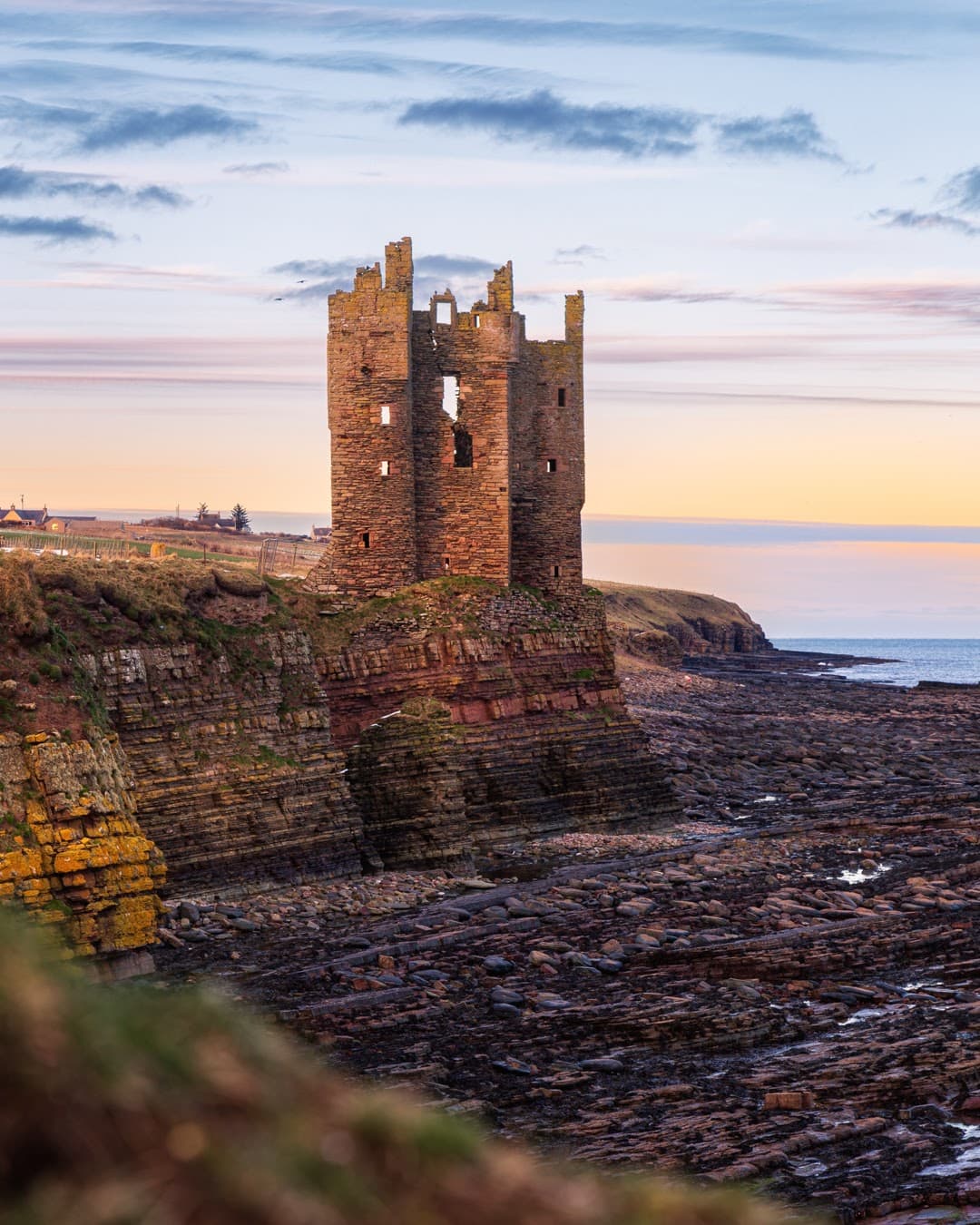
Dramatic 15th-17th century ruins perched on a promontory, offering stunning sea views.
Plans like a pro.
Thinks like you
Planning Your Visit
Journey Essentials
Exploring Wick
Best Times
Insider Tips
from TikTok, Instagram & Reddit
Fun fact: The world's shortest street is Ebenezer Place in Wick, Scotland. It's just 2.06m long.
There's an excellent resteraunt in that door. Great fish and chips.
Pack Your Snacks! 🍎
Long train journeys on the Far North Line have no catering. Bring plenty of food and drinks.
Check Station Hours ⏰
The station building may not always be open. Verify hours for facilities like toilets.
Explore Wick's History ⚓
Visit the Wick Heritage Centre to learn about its past as a major herring port.
Coastal Walks 🚶♀️
Enjoy scenic walks to Old Wick Castle or Sinclair Girnigoe Castle for breathtaking views.
Tips
from all over the internet
Pack Your Snacks! 🍎
Long train journeys on the Far North Line have no catering. Bring plenty of food and drinks.
Check Station Hours ⏰
The station building may not always be open. Verify hours for facilities like toilets.
Explore Wick's History ⚓
Visit the Wick Heritage Centre to learn about its past as a major herring port.
Coastal Walks 🚶♀️
Enjoy scenic walks to Old Wick Castle or Sinclair Girnigoe Castle for breathtaking views.
Bus to John o' Groats 🚌
Signage can be tricky. Use Google Maps or ask locals for the best bus routes.
What Travellers Say
Reviews Summary
Wick Railway Station serves primarily as a functional gateway for the scenic Far North Line journey. While the station itself is basic with limited amenities, travelers praise the helpful staff and the incredible, remote beauty of the train route. The town of Wick offers historical insights, particularly its maritime past, and access to dramatic coastal landscapes.
"Wick train station is more about the start or end of your journey rather than the place itself.
My journey is long, 8.15hrs, with no catering facilities so bring snacks and a drink.
The station, if open, has toilets but no vending machines, it’s pleasant enough but not impressive, although originally built 1850 or so.
The staff were great, friendly and helpful, the conductor chap went and printed me the station itinerary as I’m very interested in this journey."
Paul Tooze (No Journey Too Small)
"I finally made it to Wick on the Far North Line. It takes 4hrs 30 mins from Inverness so it something of an expedition. It is a brilliant journey taking you to places you cannot reach by car. There is just so much to see. I took my own packed lunch and flask as currently there are no catering facilities and it is a long journey without a cup of tea. Two disappointments the station itself was not open the day I visited and the gents toilets were locked."
Allan MacIver
"The former Viking settlement of Wick is the principal town in the far north of the mainland.
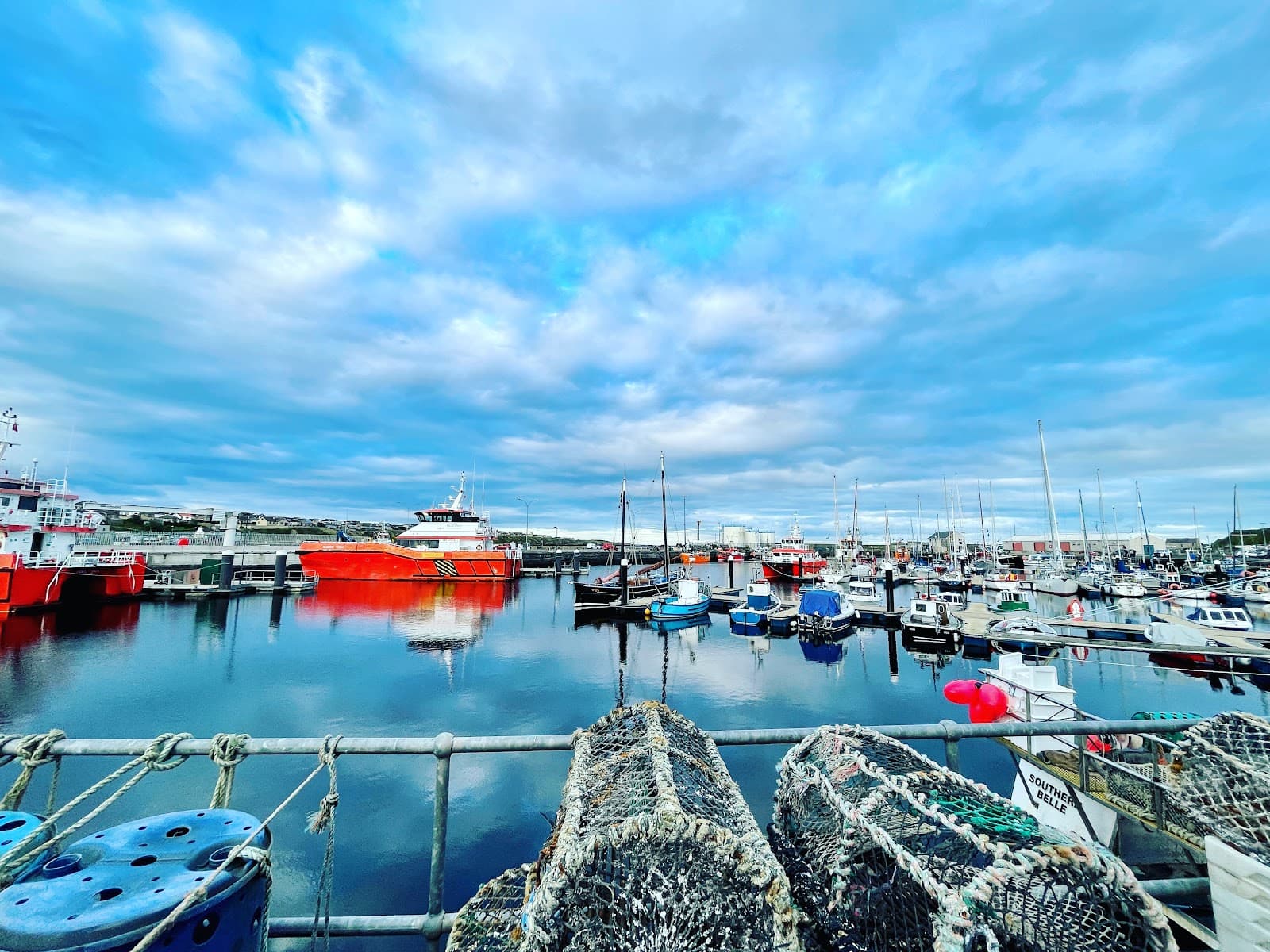
The town sits astride the River Wick, stretching along both sides of Wick Bay, and holds the claim to fame of once being the busiest herring port in Europe in the mid 19th century. The remains of the Castle of Old Wick, often referred to as the Old Man of Wick, sits atop the edge of the cliffs about half a mile south of Wick Bay and overlooks the sea.
Around 3 miles north from Wick the dramatic 15th to 17th century ruins of Sinclair and Girnigoe castles rise steeply from a needle-thin promontory. There is a good clifftop walk to the castle via Noss Head Lighthouse from the tiny fishing village of Staxigoe. Visitors will encounter a wide selection of wildlife along the way including various species of seabirds and puffins and a beautiful scenic beach, popular for windsurfing and sand-yachting, awaits them at the end of Sinclair Bay.
The town’s story is told in the excellent Wick Heritage Centre in Bank Row, Pultneytown (Wick is actually two towns - Wick proper, and Pultneytown, immediately south across the river), which contains a fascinating array of artefacts from the old fishing days.
Wick is a town and royal burgh in Caithness, in the far north of Scotland. The town straddles the River Wick and extends along both sides of Wick Bay. "Wick Locality" had a population of 6,954 at the time of the 2011 census, a decrease of 3.8% from 2001.
Pulteneytown, which was developed on the south side of the river by the British Fisheries Society during the 19th century, was officially merged into the burgh in 1902.
Elzy was described as on the coast a couple of miles east of Wick in 1836.
The town is on the main road (the A99–A9 road[8]) linking John o' Groats with southern Britain. The Far North railway line links Wick railway station with southern Scotland and with Thurso, the other burgh of Caithness. Wick Airport is on Wick's northern outskirts and serves as a base for private helicopter flights to offshore wind and oil projects, as well as scheduled commercial flights to Aberdeen.
The main offices of The John O'Groat Journal and The Caithness Courier are located in Wick, as are Caithness General Hospital (run by NHS Highland), the Wick Carnegie Library and local offices of the Highland Council. Wick Sheriff Court is one of 16 sheriff courts serving the sheriffdom of Grampian, Highland and Islands."
En Yin Liew
What People Like
What People Dislike
Frequently Asked Questions
🚇 🗺️ Getting There
Wick Railway Station is served by the Far North Line, connecting to Inverness and Thurso. The A99/A9 road also passes through Wick, linking it to John o' Groats and southern Scotland. Wick Airport is also nearby for commercial flights to Aberdeen.
Information on accessibility at Wick Railway Station is limited. It's advisable to contact ScotRail directly for specific accessibility details regarding platforms and facilities.
The Far North Line journey from Inverness to Wick takes approximately 4.5 hours and is renowned for its stunning, remote scenery. It's an expedition through parts of Scotland not easily reached by car.
Yes, buses operate from Wick towards John o' Groats. However, signage can be outdated. Using Google Maps or consulting locals is recommended for the most current bus route information. Stagecoach and Aaron's are among the operators.
The Far North Line railway connects Wick to Thurso, making it a convenient rail link between the two towns. Buses also operate between Wick and Thurso.
🎫 🎫 Tickets & Entry
Booking train tickets in advance for the Far North Line is recommended, especially during peak seasons, to secure your preferred travel times and potentially better fares. You can book through ScotRail.
Currently, there are no catering facilities or vending machines at Wick Railway Station. Passengers are strongly advised to bring their own snacks and drinks for the journey.
The opening hours for Wick Railway Station can vary, and the building may not always be open. It's best to check with ScotRail or local information sources for the most up-to-date hours, especially if you need to use facilities.
Wick Railway Station is a public transport hub, and there is no entry fee to access the station platforms or waiting areas.
Train tickets to Wick can be purchased online through the ScotRail website, via their app, or at staffed railway stations. You may also be able to purchase tickets on the day of travel, but booking ahead is advised.
🎫 🧭 Onsite Experience
Wick Railway Station is a functional transport hub, originally built around 1850. While not an architectural marvel, it offers a glimpse into the history of the Far North Line. The main draw is the journey it facilitates.
Toilets are available at Wick Railway Station, but they may not always be open. It's advisable to check the station's operational status if you rely on these facilities.
Wick Railway Station was originally built in the mid-19th century, reflecting the era of railway expansion in Scotland. It has served as a vital link for this remote northern town for over a century.
Wick is a former Viking settlement and was once the busiest herring port in Europe. It's a town with a rich maritime history, now serving as a gateway to the far north of Scotland.
The journey to Wick, particularly along the coast, offers opportunities to spot various seabirds, and potentially puffins. The surrounding natural landscape is a significant part of the experience.
🍽️ 🍽️ Food & Dining
No, there are no restaurants or cafes located directly at Wick Railway Station. Passengers are advised to eat before arriving or bring their own provisions.
Wick town offers several dining options. Reviews mention an excellent restaurant serving great fish and chips. Exploring the town center will reveal local pubs and eateries.
There are no catering facilities on the Far North Line trains. It is essential to bring your own food and drinks for the duration of the journey.
While there are no facilities at the station itself, you can find shops, including a Tesco, in Wick town where you can purchase snacks and drinks before your journey.
Given Wick's history, seafood, particularly fish and chips, is a local specialty. The town's connection to the sea means fresh seafood is often available.
📸 📸 Photography
The station itself offers a vintage railway aesthetic. The real photographic gems are the scenic views along the Far North Line journey and the dramatic coastal landscapes near Wick, such as Castle Sinclair Girnigoe.
Taking photos from the train is possible, but be mindful of window reflections and the speed of the passing scenery. The Far North Line offers many picturesque moments worth capturing.
Early mornings and late afternoons often provide the best light for photography in Wick, especially for coastal landscapes. Golden hour can create dramatic shots of the castles and coastline.
Generally, casual photography for personal use is permitted at most UK railway stations. However, it's always wise to be discreet and avoid obstructing operations or passengers. Professional photography may require permission.
A versatile lens (e.g., a 24-70mm equivalent) is useful for capturing both landscapes and details. A wide-angle lens can be great for dramatic coastal shots, and a telephoto can help isolate distant features.





Social
from TikTok, Instagram & Reddit