
Lock and Dam No. 4
Witness the power of river engineering at Lock and Dam No. 4, a vital hub for commerce and a marvel of waterway management.
Highlights
Must-see attractions

Social
From TikTok & Reddit
Best Time
See active lock operations
Lock and Dam No. 4
Best Time
See active lock operations
Highlights
Must-see attractions
Witness the power of river engineering at Lock and Dam No. 4, a vital hub for commerce and a marvel of waterway management.
"A fascinating glimpse into the engineering that keeps America's rivers flowing and commerce moving."
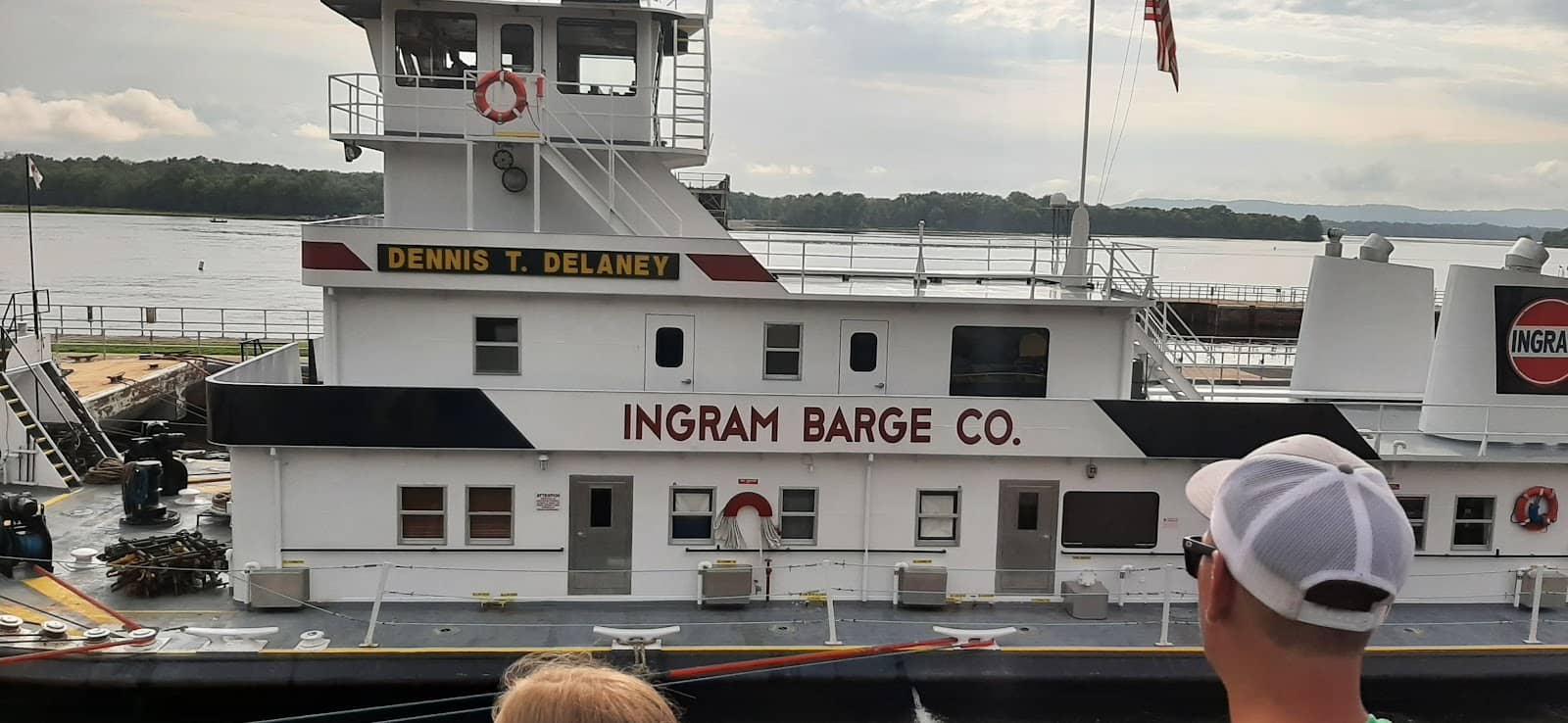
Check Lock Schedules
Confirm lockage times beforehand to ensure you see the main event! :calendar:
Best Viewing Spots
Research public access points for optimal views of the lock and dam. :camerawithflash:
Highlights
Discover the most iconic attractions and experiences
Witnessing a Lockage
Lock Chamber
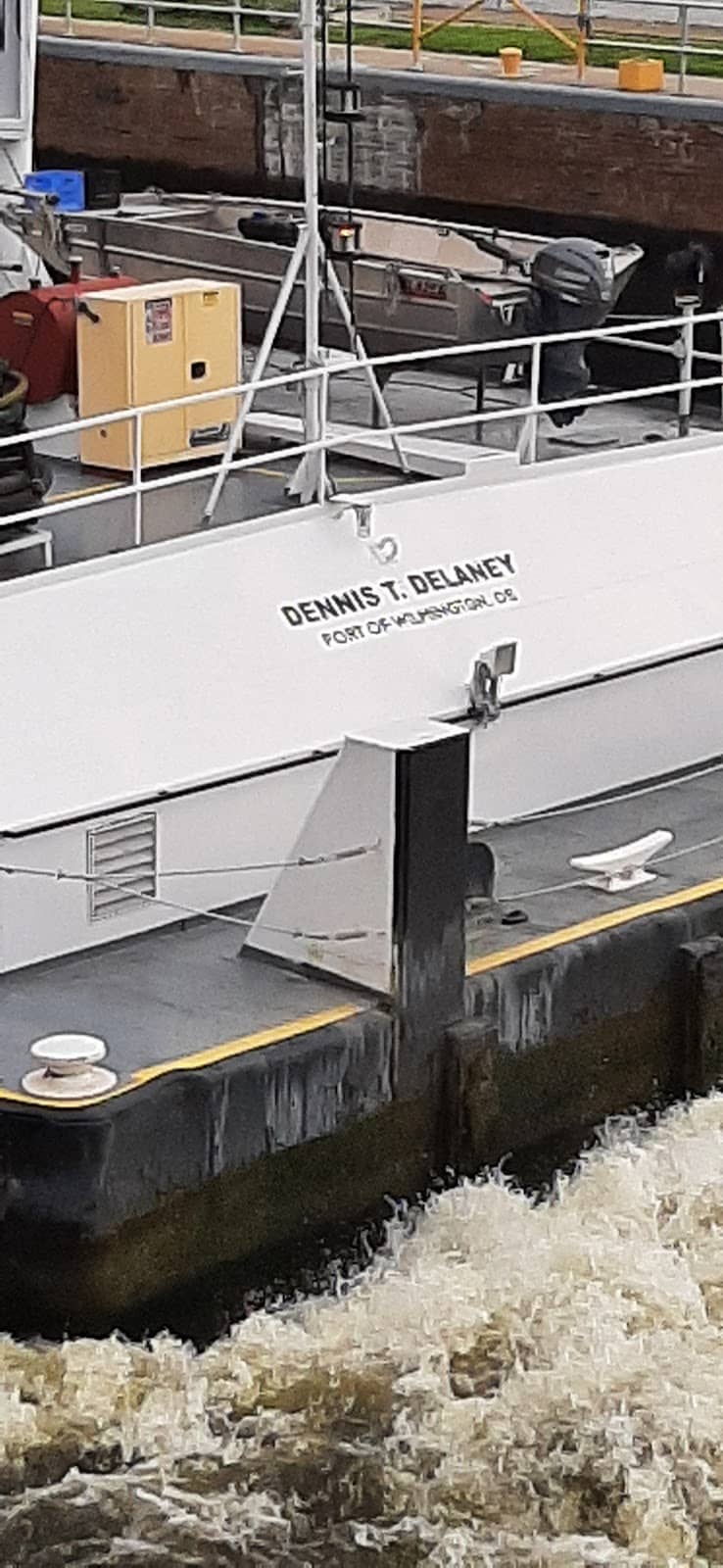
See massive vessels navigate the impressive lock system, a marvel of engineering in action.
The Dam Structure
Dam Spillway
Admire the sheer scale and power of the dam, a vital piece of river infrastructure.

River Views
Surrounding Areas
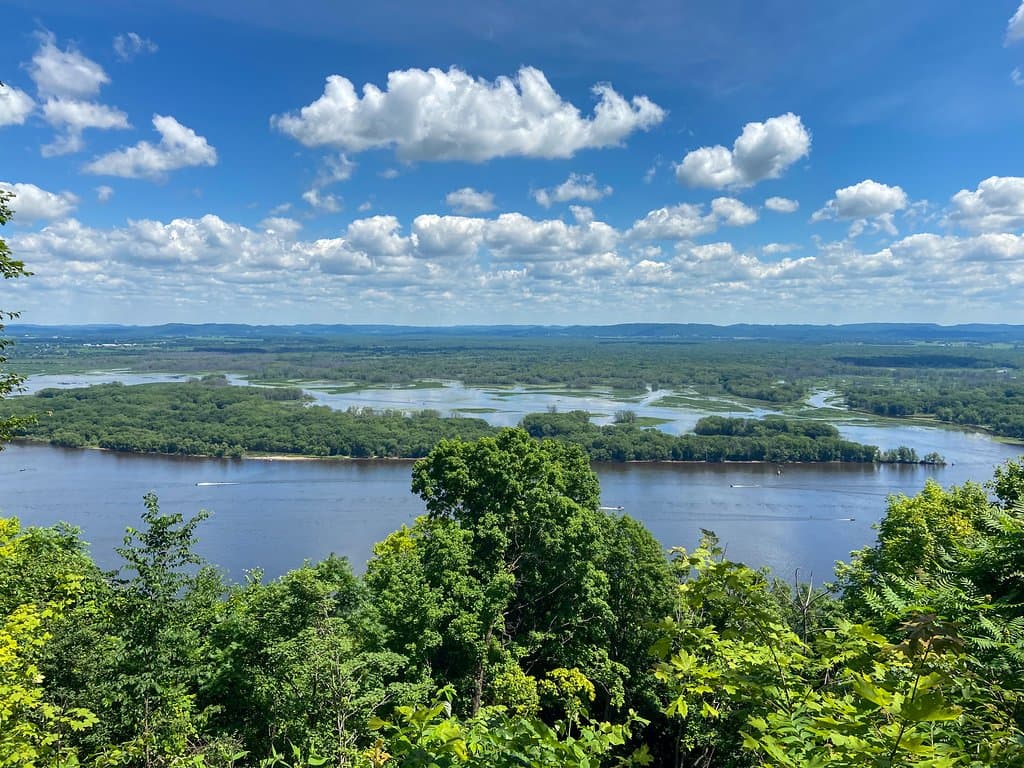
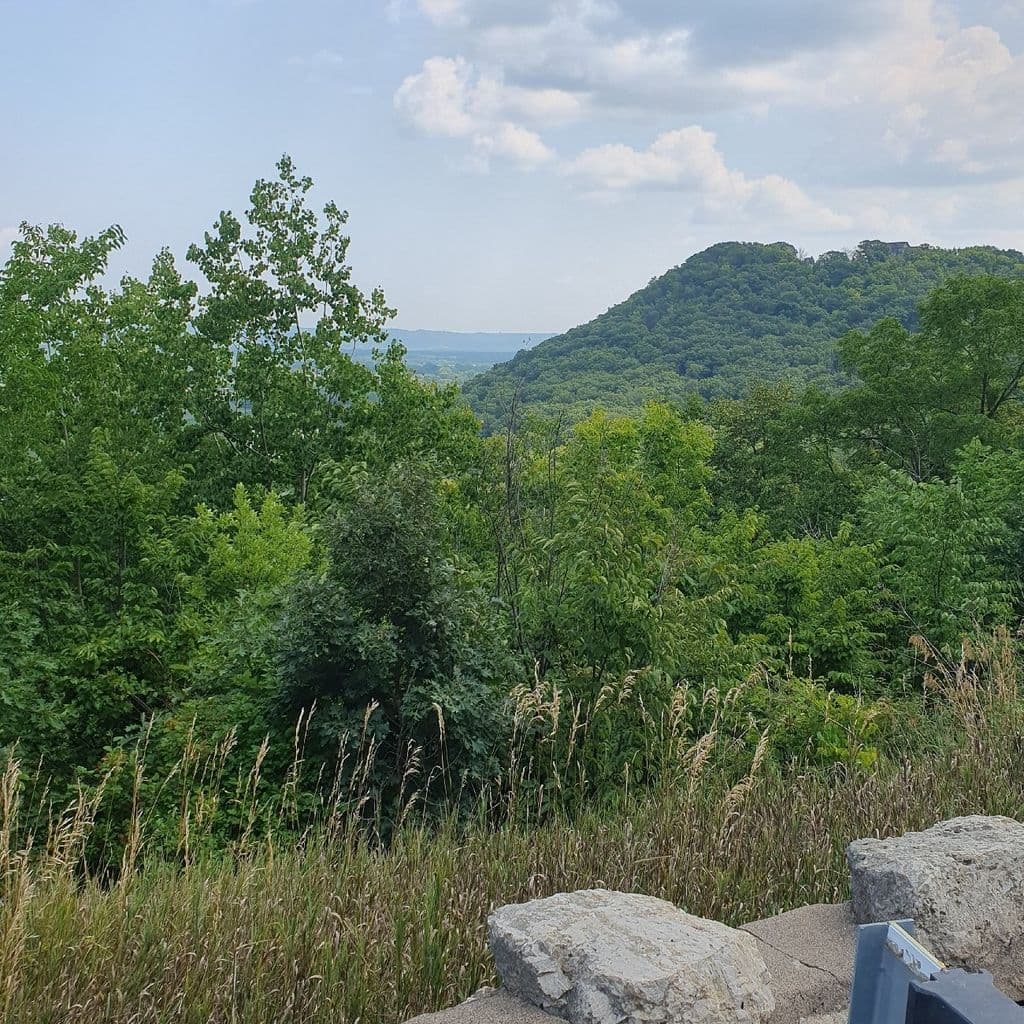
Enjoy scenic vistas of the river and the surrounding landscape, a peaceful natural setting.
Plans like a pro.
Thinks like you
Planning Your Visit
Timing Your Visit
Accessibility & Viewing
Best Times
Insider Tips
from TikTok, Instagram & Reddit
Check Lock Schedules
Confirm lockage times beforehand to ensure you see the main event! :calendar:
Best Viewing Spots
Research public access points for optimal views of the lock and dam. :camerawithflash:
Wear Comfortable Shoes
You might do some walking to find the best vantage points. :athletic_shoe:
Pack Binoculars
Enhance your viewing experience of the vessels and machinery. :binoculars:
Tips
from all over the internet
Check Lock Schedules
Confirm lockage times beforehand to ensure you see the main event! :calendar:
Best Viewing Spots
Research public access points for optimal views of the lock and dam. :camerawithflash:
Wear Comfortable Shoes
You might do some walking to find the best vantage points. :athletic_shoe:
Pack Binoculars
Enhance your viewing experience of the vessels and machinery. :binoculars:
What Travellers Say
Reviews Summary
Visitors often praise Lock and Dam No. 4 for its impressive engineering and the fascinating spectacle of watching large vessels navigate the lock system. The sheer scale of the dam and its importance to river commerce are frequently highlighted. However, some visitors note that amenities can be limited, and checking operational schedules in advance is crucial to ensure an engaging experience.
What People Like
What People Dislike
Frequently Asked Questions
🚇 🗺️ Getting There
Lock and Dam No. 4 is typically accessed by car. Check local road conditions and GPS for the most direct routes. Parking availability can vary, so arrive early if possible.
Public transportation options are generally limited for industrial sites like Lock and Dam No. 4. It's best to plan for private vehicle transport.
The nearest major cities will depend on the specific location of Lock and Dam No. 4. Research its exact location to identify nearby urban centers for travel planning.
It's advisable to check local Department of Transportation websites or use navigation apps for real-time traffic updates and potential detours around the lock and dam area.
Navigation is usually straightforward via main roads leading to the dam. Be mindful of signage for designated viewing areas or access points.
🎫 🎫 Tickets & Entry
Generally, viewing areas around Lock and Dam No. 4 are publicly accessible and do not require tickets. However, always verify with the operating authority for any specific access rules.
The lock operates on a schedule, often during daylight hours. It's crucial to check the U.S. Army Corps of Engineers or relevant waterway authority for current operational times.
Typically, there is no admission fee for public viewing areas. The site is an active infrastructure, and access is usually free for observation.
Tours of the active industrial facility are usually not available to the general public due to safety and operational reasons. Viewing from designated areas is the standard way to experience it.
For the most accurate information on schedules and access, contact the U.S. Army Corps of Engineers district responsible for the waterway or check their official website.
🎫 🏞️ Onsite Experience
The main attraction is witnessing the lockage of vessels, observing the dam's structure, and enjoying the river scenery. It's a great spot for engineering enthusiasts and nature lovers.
Look for designated public access points or overlooks. These often provide clear views of the lock chamber and the dam spillway. Ask locals or check park signage.
Absolutely! The scale of the locks and dams, along with the river, offers fantastic photographic opportunities. Early morning or late afternoon light is often best.
Amenities can vary greatly. Some locks have basic facilities, while others may not. It's wise to pack essentials or plan stops before arriving.
You might spot various bird species, especially waterfowl, and potentially other riverine wildlife. The surrounding natural areas often support diverse ecosystems.
🍽️ 🍽️ Food & Dining
Typically, there are no dining facilities directly at Lock and Dam No. 4 itself, as it's an industrial site. Plan to eat before or after your visit in a nearby town.
Nearby towns will offer a range of options from casual diners to local eateries. Research the specific towns closest to the lock and dam for culinary choices.
If there are designated public viewing areas, picnicking might be permitted. Check local regulations, but bringing your own food is a good idea if facilities are scarce.
Grocery stores are usually found in the larger towns or cities surrounding the lock and dam. Stock up on supplies before heading to the site.
The cuisine will likely reflect the regional specialties, often featuring local produce, seafood (if applicable), and classic American comfort food.
📸 📸 Photography
The 'golden hours' – early morning and late afternoon – offer the most dramatic lighting for capturing the scale of the lock and dam structures and the river.
A wide-angle lens is great for capturing the vastness of the dam and lock. A telephoto lens can be useful for details on vessels or distant river scenes.
Generally, photography for personal use is allowed. However, avoid photographing sensitive operational areas or personnel without permission. Check for posted signs.
The massive lock gates, the powerful flow over the spillway, and the large commercial vessels transiting the lock are all highly photogenic subjects.
Drone usage is often restricted around critical infrastructure like dams and locks due to security and safety regulations. Always check FAA and local rules before flying.
For Different Travelers
Tailored advice for your travel style
Engineering & Infrastructure Enthusiasts
Nature & Wildlife Observers
Deep Dives
In-depth insights and expert knowledge
Understanding the Lock and Dam System
Dams, on the other hand, are built to control water flow, manage flood risks, and often generate hydroelectric power. The dam at Lock and Dam No. 4 helps maintain a consistent navigable depth upstream, ensuring that vessels have enough water to pass safely. Together, the lock and dam create a navigable pool of water, overcoming natural obstacles like rapids or significant elevation changes in the riverbed. Witnessing a lockage is a fascinating glimpse into the engineering that keeps commerce flowing.
Best Practices for Viewing and Photography
For photography enthusiasts, the sheer scale of the infrastructure and the movement of large vessels offer compelling subjects. Early morning or late afternoon light can create dramatic shadows and highlights, enhancing the industrial aesthetic. Consider bringing a wide-angle lens to capture the entire lock chamber and dam structure, and a telephoto lens for detailed shots of the barges or the intricate machinery. Always be aware of your surroundings and any posted restrictions regarding photography, especially concerning security or operational areas.

Social
from TikTok, Instagram & Reddit