
Electric City Murals Scranton
Anderson, SC, the 'Electric City,' pioneered long-distance hydroelectric power, now celebrated through vibrant murals and historical markers.
Highlights
Must-see attractions

Social
From TikTok & Reddit
Best Time
Pleasant weather for exploring
Electric City Murals Scranton
Best Time
Pleasant weather for exploring
Highlights
Must-see attractions
Anderson, SC, the 'Electric City,' pioneered long-distance hydroelectric power, now celebrated through vibrant murals and historical markers.
"Discover the pioneering spirit of 'The Electric City' through its captivating murals and historical markers."

📸 Mural Photo Ops
Capture the vibrant Electric City murals! Best light is often morning or late afternoon.
🗺️ Downtown Exploration
Wear comfy shoes for walking downtown to find all the hidden gems and historical markers. :athletic_shoe:

Quick Facts
Rating
3 · 1 reviews
Type
Historical Landmark
Website
scdah.sc.govHighlights
Discover the most iconic attractions and experiences
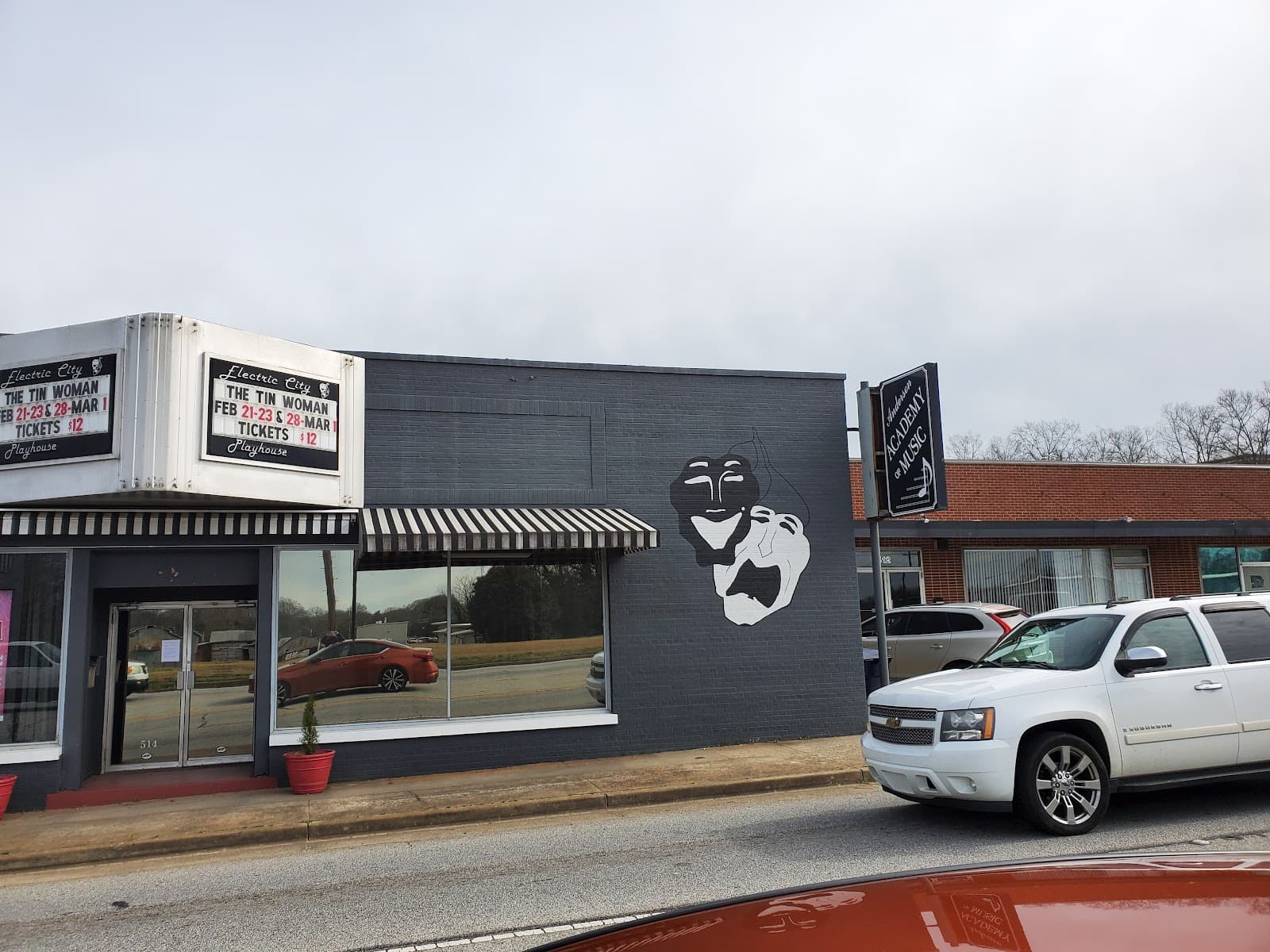
The Electric City Mural
Downtown Anderson
A vibrant mural celebrating Anderson's pioneering role in harnessing electricity.

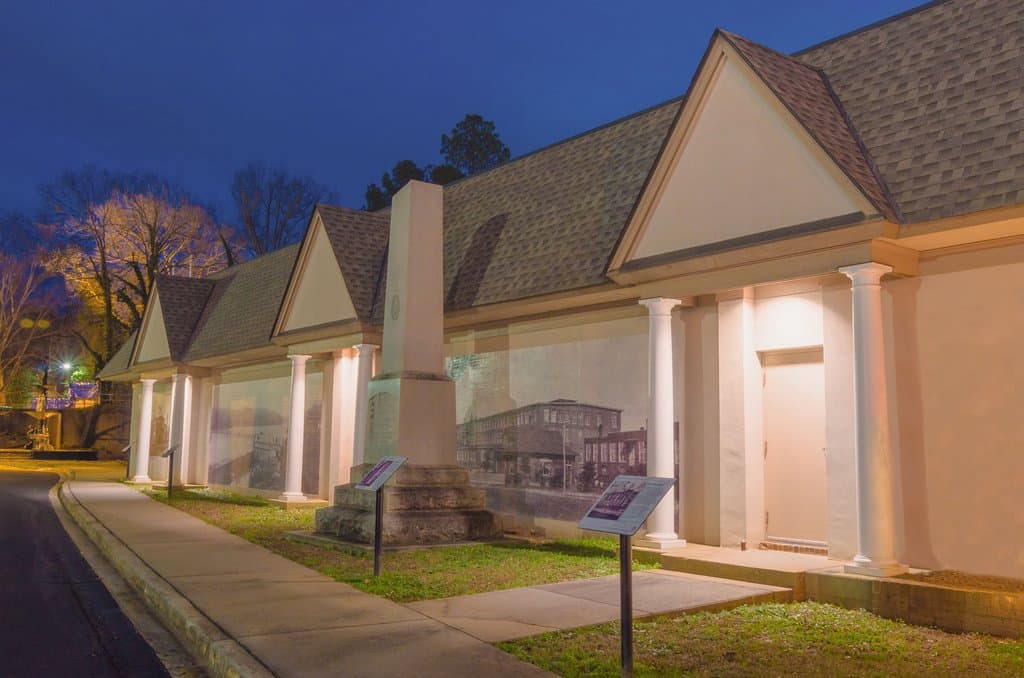
William C. Whitner Marker
Downtown Anderson
Learn about the engineer who brought long-distance hydroelectric power to the South.
Andersonville National Historic Site
Andersonville, GA (nearby)
A poignant reminder of history, with a museum and reconstructed prison compound.
Plans like a pro.
Thinks like you
Planning Your Visit
Embrace the Electric City Vibe
Plan Your Mural Hunt
Best Times
Insider Tips
from TikTok, Instagram & Reddit
📸 Mural Photo Ops
Capture the vibrant Electric City murals! Best light is often morning or late afternoon.
🗺️ Downtown Exploration
Wear comfy shoes for walking downtown to find all the hidden gems and historical markers. :athletic_shoe:
💡 History Buffs Rejoice
Don't miss the markers detailing Anderson's 'Electric City' origins.
⚽ Sports Fans Check Out
See where the Electric City Football Club plays!
The execution of Confederate Captain Henry Wirz, commandant of the Andersonville Prison where nearly 13,000 Union detainees died as result of inhumane conditions. Washington, DC, November 10, 1865
The location where Andersonville used to be has seen a partial rebuild of the compound and is now the National POW Museum
Tips
from all over the internet
📸 Mural Photo Ops
Capture the vibrant Electric City murals! Best light is often morning or late afternoon.
🗺️ Downtown Exploration
Wear comfy shoes for walking downtown to find all the hidden gems and historical markers. :athletic_shoe:
💡 History Buffs Rejoice
Don't miss the markers detailing Anderson's 'Electric City' origins.
⚽ Sports Fans Check Out
See where the Electric City Football Club plays!
What Travellers Say
Reviews Summary
Visitors appreciate Anderson's historical significance as 'The Electric City' and the vibrant murals that adorn its downtown. The historical markers provide valuable context about the city's pioneering role in electricity. While the murals are a highlight, some visitors note that the historical site of Andersonville is a separate, albeit significant, destination.
"This marker is located in downtown Anderson and points out one of the installation of one of modern technology in the city.
On the front, "Anderson was dubbed "The Electric City" in 1895 when William C. Whitner, an engineer and native of Anderson, built a hydroelectric power plant which was the first in the South to transmit electricity over long distance lines. The plant, in McFall's Mill at High Shoals on the
Rocky River 6 mi. E, supplied power to light the city and also operated several small industries
in Anderson. In 1897 Whitner replaced the […]"
And continued on the reverse, "[…] experimental plant with a larger generating station at Portman Shoals 11 miles west on the Seneca River. The extra power from this plant powered Anderson Cotton Mills and a streetcar line which was the forerunner of the Piedmont & Northern RR. Both plants pioneered in transmitting high voltage electricity direct from the station switchboard. This innovation helped spur the modern industrialization of the Southeast."
The marker was erected by the Anderson County Historical Society in 1997 and is marker 4-25. There is street parking nearby."
Bruce InCharlotte
What People Like
What People Dislike
Frequently Asked Questions
🚇 🗺️ Getting There
Anderson, South Carolina, is easily accessible by car via I-85. The murals and historical markers are primarily located in the downtown area, with ample street parking available.
While there isn't extensive public transport specifically for mural hopping, the downtown area is walkable. Check local Anderson transit options for broader city coverage.
🎫 🎫 Tickets & Entry
No, viewing the Electric City Murals and historical markers is completely free! They are public art installations.
The murals are accessible at any time, but for the best photography and a pleasant experience, visit during daylight hours. Early morning or late afternoon often offer beautiful light.
📸 📸 Photography
Golden hour, shortly after sunrise or before sunset, provides the most flattering light for photographing the murals. Midday sun can create harsh shadows.
Many murals are located on prominent buildings downtown, making them easy to find. Look for the largest and most colorful ones for iconic shots.
🎫 💡 History & Culture
Anderson earned the nickname 'The Electric City' in 1895 when William C. Whitner built the first hydroelectric power plant in the South to transmit electricity over long distances, powering the city and its industries.
The historical markers in downtown Anderson provide key details. For a deeper dive, consider visiting local historical societies or museums in the area.
Yes, the Andersonville National Historic Site in Georgia is a significant historical location, though it's a day trip away.



Social
from TikTok, Instagram & Reddit