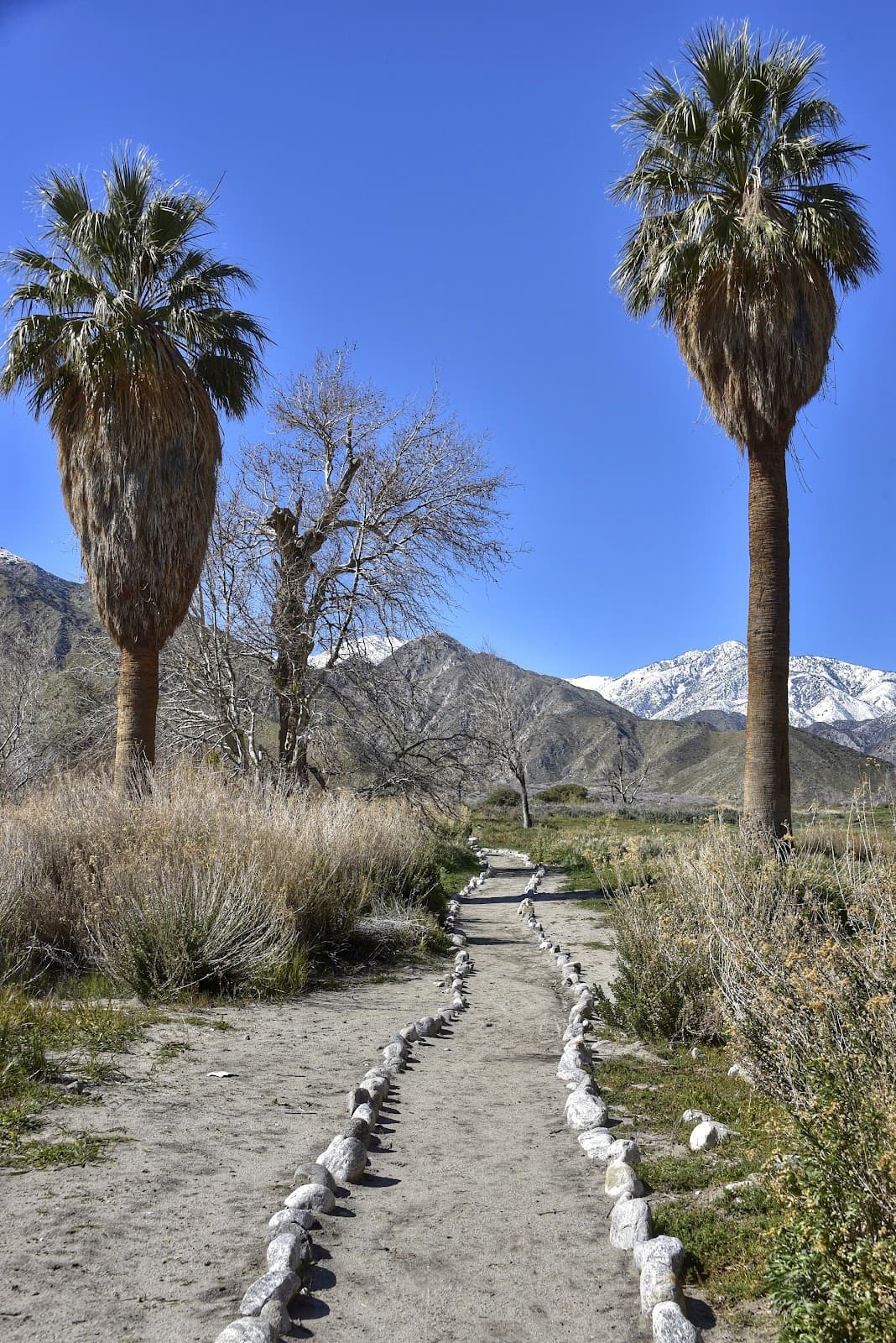
Sand to Snow National Monument
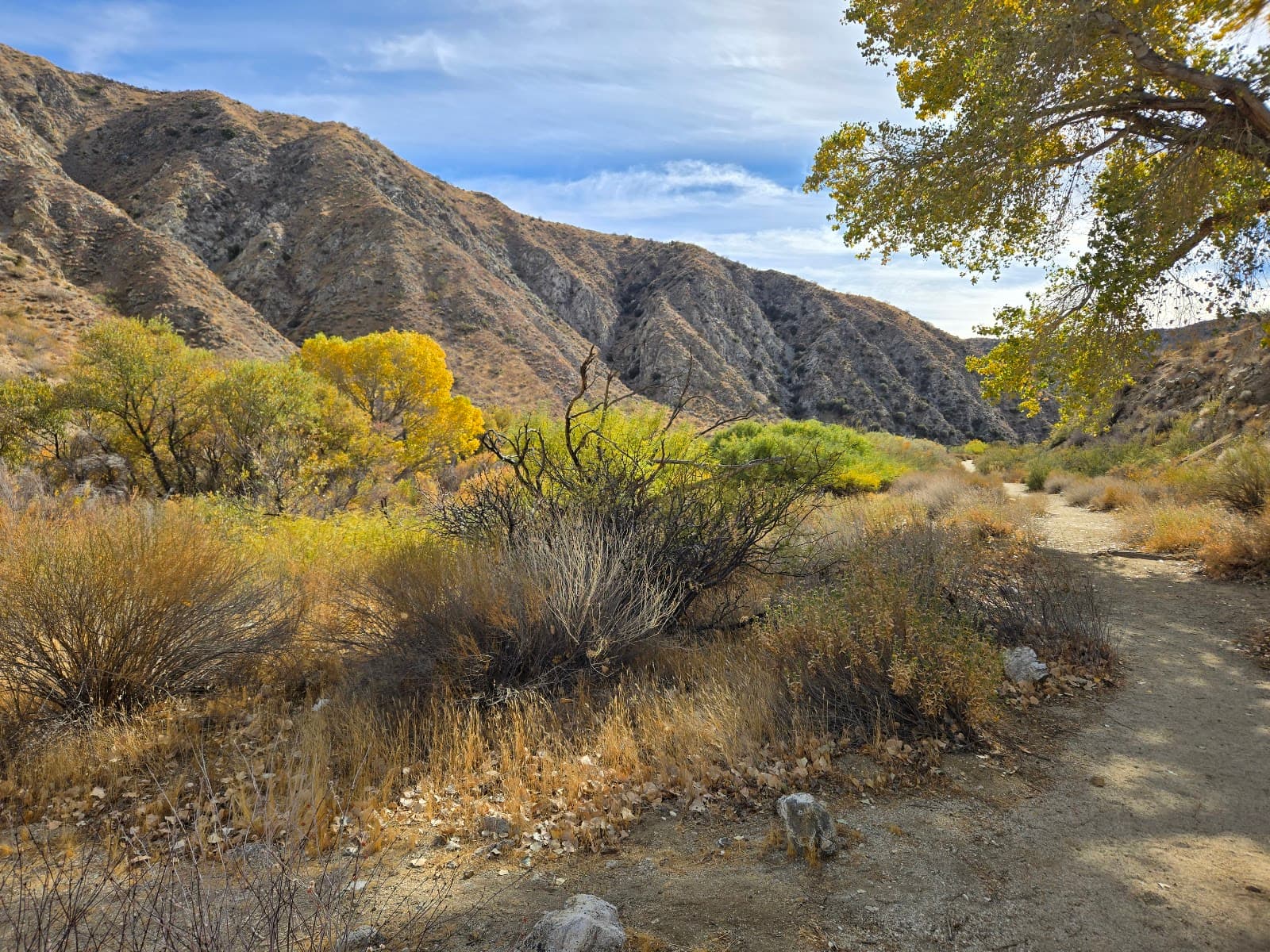
Experience a breathtaking transition from arid desert to alpine peaks. Hike to stunning waterfalls and explore diverse ecosystems.
Highlights
Must-see attractions

Social
From TikTok & Reddit
Best Time
Wildflowers bloom, cooler temps
Sand to Snow National Monument
Best Time
Wildflowers bloom, cooler temps
Highlights
Must-see attractions
Experience a breathtaking transition from arid desert to alpine peaks. Hike to stunning waterfalls and explore diverse ecosystems.
Pack extra water! 💧
Crucial for desert and mountain hikes. Dehydration is a real risk. Carry more than you think you'll need.
Check road conditions 🚗
Many roads are unpaved and can be rough. 4WD may be necessary for some areas. Always check before you go.
Quick Facts
Type
National Park
Highlights
Discover the most iconic attractions and experiences
Big Falls
South Fork Santa Ana River
A stunning, multi-tiered waterfall cascading down granite. A rewarding hike for its sheer beauty.
San Gorgonio Peak
San Bernardino Mountains
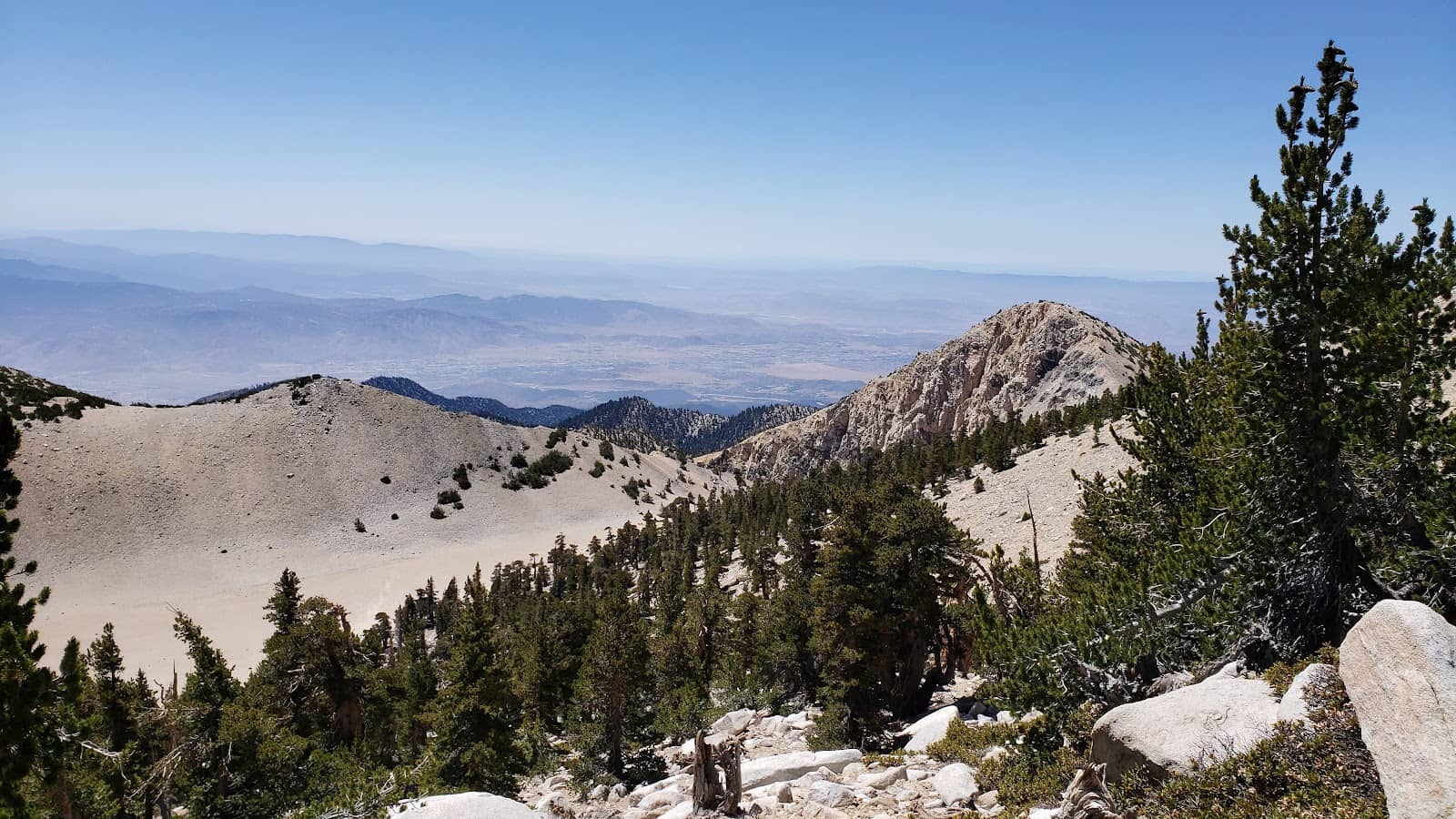
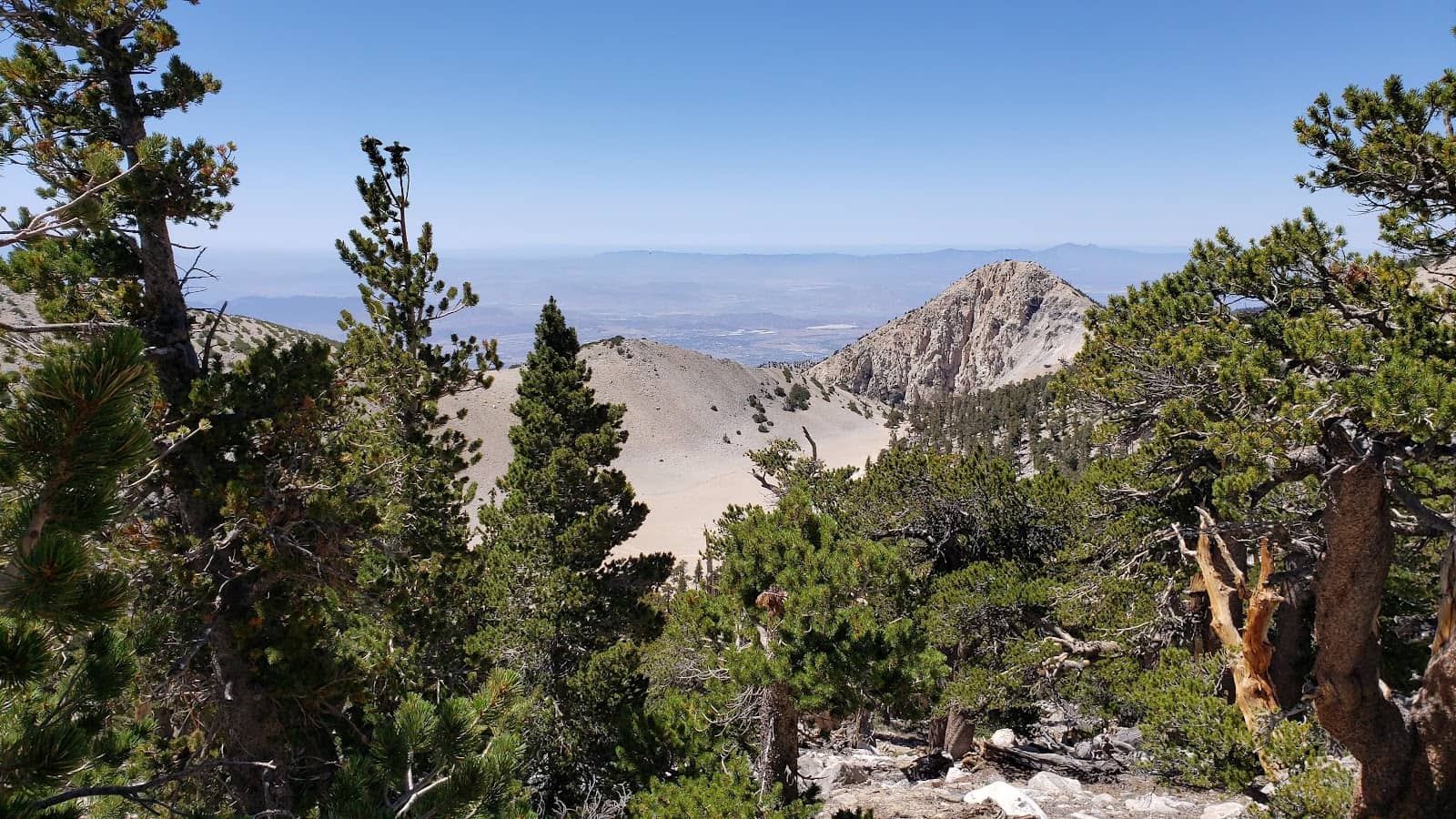
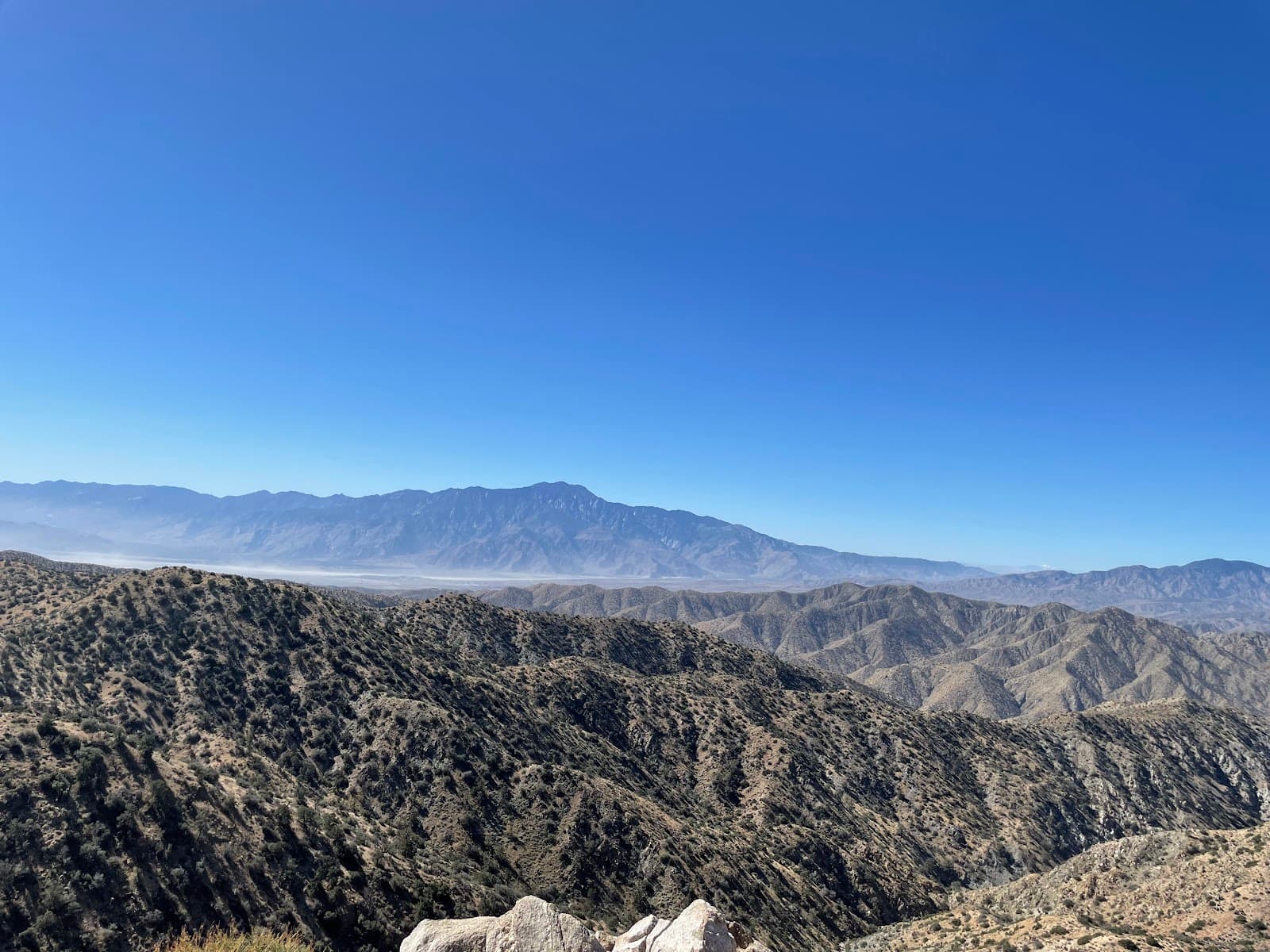
The highest peak in Southern California, offering panoramic views on a clear day. A challenging but epic trek.
Joshua Tree Forest
Lower elevations
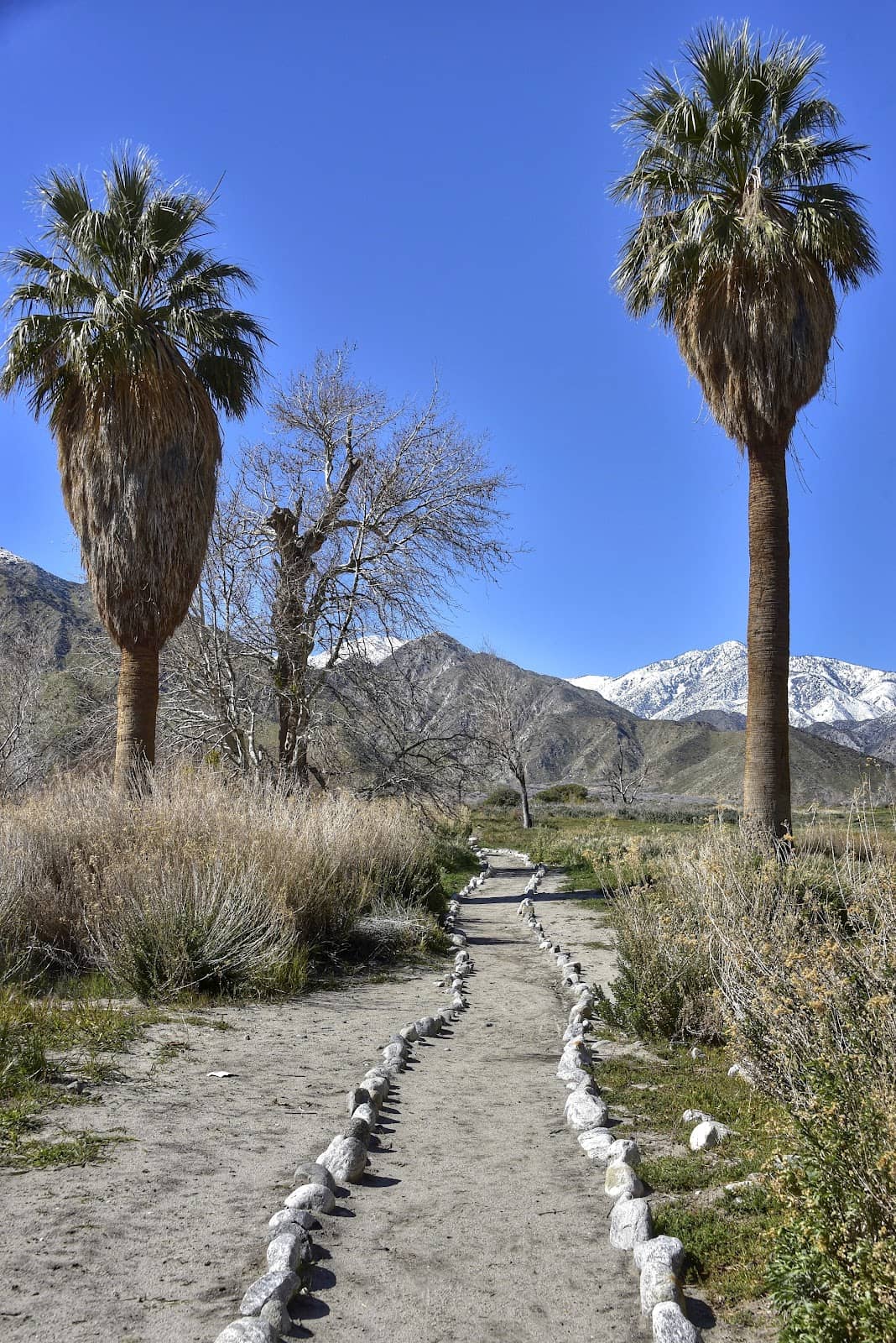
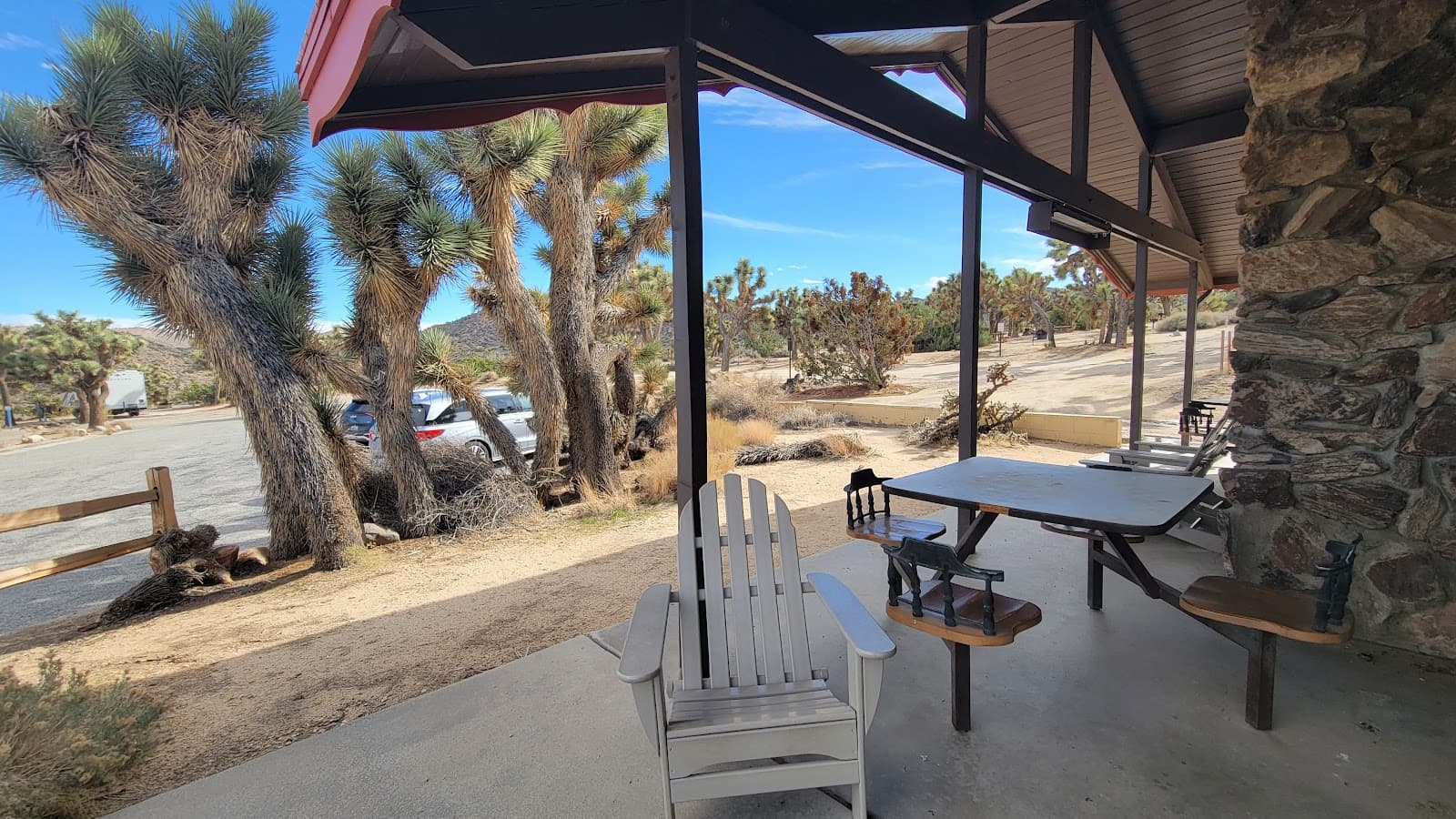
Experience the unique desert landscape dotted with iconic Joshua trees. A stark contrast to the higher mountain zones.
Plans like a pro.
Thinks like you
Planning Your Visit
Timing is Everything
Prepare for the Elements
Best Times
Insider Tips
from TikTok, Instagram & Reddit
Pack extra water! 💧
Crucial for desert and mountain hikes. Dehydration is a real risk. Carry more than you think you'll need.
Check road conditions 🚗
Many roads are unpaved and can be rough. 4WD may be necessary for some areas. Always check before you go.
Download offline maps 🗺️
Cell service is unreliable. Essential for navigation, especially on longer trails within Sand to Snow.
Layer up for elevation ⛰️
Temperatures vary wildly. Be prepared for heat at the bottom and potential snow/cold at the top.
Tips
from all over the internet
Pack extra water! 💧
Crucial for desert and mountain hikes. Dehydration is a real risk. Carry more than you think you'll need.
Check road conditions 🚗
Many roads are unpaved and can be rough. 4WD may be necessary for some areas. Always check before you go.
Download offline maps 🗺️
Cell service is unreliable. Essential for navigation, especially on longer trails within Sand to Snow.
Layer up for elevation ⛰️
Temperatures vary wildly. Be prepared for heat at the bottom and potential snow/cold at the top.
What Travellers Say
Reviews Summary
Visitors praise the dramatic ecological diversity of Sand to Snow National Monument, from desert flora to alpine forests, and the stunning beauty of Big Falls. However, many note the lack of amenities, the need for careful preparation regarding water and navigation, and the challenging road conditions in certain areas.
What People Like
What People Dislike
Frequently Asked Questions
🚇 🗺️ Getting There
Access points vary greatly depending on your destination within the monument. The most common access is via Highway 38 from Mentone for the mountain areas, and Highway 62 for the desert sections. Some roads require high clearance or 4WD vehicles, so research your specific route beforehand. Always check current road conditions before heading out.
Public transportation options are extremely limited, if available at all, within the monument itself. It's best to have your own vehicle, preferably one capable of handling varied terrain. Consider carpooling if traveling with others.
There isn't a single main entrance. Key access points include areas near Forest Falls for hiking to Big Falls, and various trailheads off Highway 38 for mountain access. For the desert side, look for access points off Highway 62 near Joshua Tree National Park.
While you can drive on many roads within the monument, it's not a scenic drive-through like some other national parks. The experience is more about accessing trailheads and specific points of interest. Some roads are unpaved and can be challenging.
Given the lack of cell service, downloading offline maps is crucial. A good physical map of the San Bernardino National Forest and the monument is also highly recommended. GPS devices can be helpful, but always have a backup.
🎫 🎫 Tickets & Entry
Generally, no entrance fee or permit is required for general access to Sand to Snow National Monument. However, specific activities like overnight camping or parking at certain popular trailheads (like Forest Falls) may require permits or fees through the US Forest Service or other managing agencies. Always check the official BLM or USFS website for the most current information.
Sand to Snow National Monument is open year-round, 24 hours a day. However, access to certain areas or roads may be restricted due to weather conditions (snow, fire, etc.) or maintenance. Visitor centers or ranger stations may have specific operating hours.
While the monument itself doesn't have an entrance fee, you might encounter fees for parking at popular trailheads, wilderness permits for overnight stays, or fees associated with the San Bernardino National Forest if you're using developed campgrounds or facilities within its boundaries.
Yes, dispersed camping is allowed in many areas of the monument, but regulations apply. Developed campgrounds are also available within the adjacent San Bernardino National Forest. Always check for fire restrictions and obtain any necessary permits for overnight stays.
Permit information, especially for camping or specific trail access, can usually be found on the Bureau of Land Management (BLM) page for Sand to Snow National Monument or the San Bernardino National Forest website. It's wise to check these resources well in advance of your trip.
🎫 🥾 Onsite Experience
Popular hikes include the trail to Big Falls, which is moderately challenging and incredibly scenic. For more strenuous adventures, consider trails leading to San Gorgonio Peak. The Pacific Crest Trail (PCT) also traverses sections of the monument, offering longer thru-hiking opportunities.
Yes, but with caveats. Lower elevation areas with easier trails can be family-friendly. However, many trails involve significant elevation gain and rugged terrain, making them more suitable for older children or experienced families. Always assess trail difficulty and your children's capabilities.
The monument boasts diverse ecosystems, so you might see desert species like lizards and snakes at lower elevations, and mountain dwellers like deer, squirrels, and various bird species higher up. Black bears are also present in the mountain regions.
While there isn't a dedicated visitor center for the monument itself, ranger stations for the San Bernardino National Forest are located nearby and can provide valuable information, maps, and updates on conditions. Check the US Forest Service website for station locations and hours.
Wear sturdy hiking boots with good ankle support. Dress in layers, as temperatures can change dramatically with elevation. Bring a hat, sunglasses, and sunscreen for sun protection, and consider rain gear depending on the season.
🍽️ 🍽️ Food & Dining
No, there are no restaurants or food services directly within Sand to Snow National Monument. You'll need to bring all your own food and water. The nearest towns with dining options are Mentone, Forest Falls, and communities along Highway 62.
Stock up on groceries in larger towns like Redlands or San Bernardino before heading towards the mountain access points. For the desert side, towns like Yucca Valley or Joshua Tree offer supplies. Plan ahead as options are scarce near the monument.
Picnicking is a great way to enjoy the scenery! Pack out everything you pack in to keep the monument clean. Some developed picnic areas might exist within adjacent National Forest lands, but generally, you can picnic at any scenic pull-off or trailhead.
The closest options are in small communities like Forest Falls, which might have a casual cafe or diner. For more variety, head back to Mentone or explore the towns along Highway 62, which offer a range of eateries from fast food to local restaurants.
It is strongly advised NOT to drink untreated water from streams or other natural sources within Sand to Snow National Monument. Waterborne pathogens can be present. Always carry sufficient treated water or use a reliable water filter/purifier if you plan to refill.
📸 📸 Photography
Big Falls offers dramatic waterfall shots. The desert landscapes with Joshua trees are iconic, especially during sunrise or sunset. Higher mountain vistas provide sweeping panoramas. Look for unique rock formations and desert flora.
Golden hours (sunrise and sunset) are ideal for soft, dramatic lighting, especially in the desert areas. Midday can be harsh. For waterfalls like Big Falls, overcast days or early morning can provide diffused light and reduce harsh shadows.
For personal, non-commercial photography, no special permit is typically required. However, if you plan to conduct commercial photography, film shoots, or large-scale events, you will likely need to obtain a permit from the BLM or US Forest Service.
A wide-angle lens is great for landscapes. A telephoto lens can be useful for wildlife. A sturdy tripod is essential for low-light conditions or long exposures of waterfalls. Don't forget extra batteries and memory cards, as charging opportunities are scarce.
Respect the natural environment. Avoid disturbing wildlife, trampling vegetation, or leaving any trace. Drone usage may be restricted in certain areas, so check regulations before flying. Always follow Leave No Trace principles.




Social
from TikTok, Instagram & Reddit