Appalachian Trail
America's iconic footpath, the Appalachian Trail, spans over 2,190 miles through diverse landscapes, offering epic thru-hikes and accessible section a...
Highlights
Must-see attractions

Social
From TikTok & Reddit
Best Time
Ideal for NOBO thru-hikers
Appalachian Trail
Best Time
Ideal for NOBO thru-hikers
Highlights
Must-see attractions
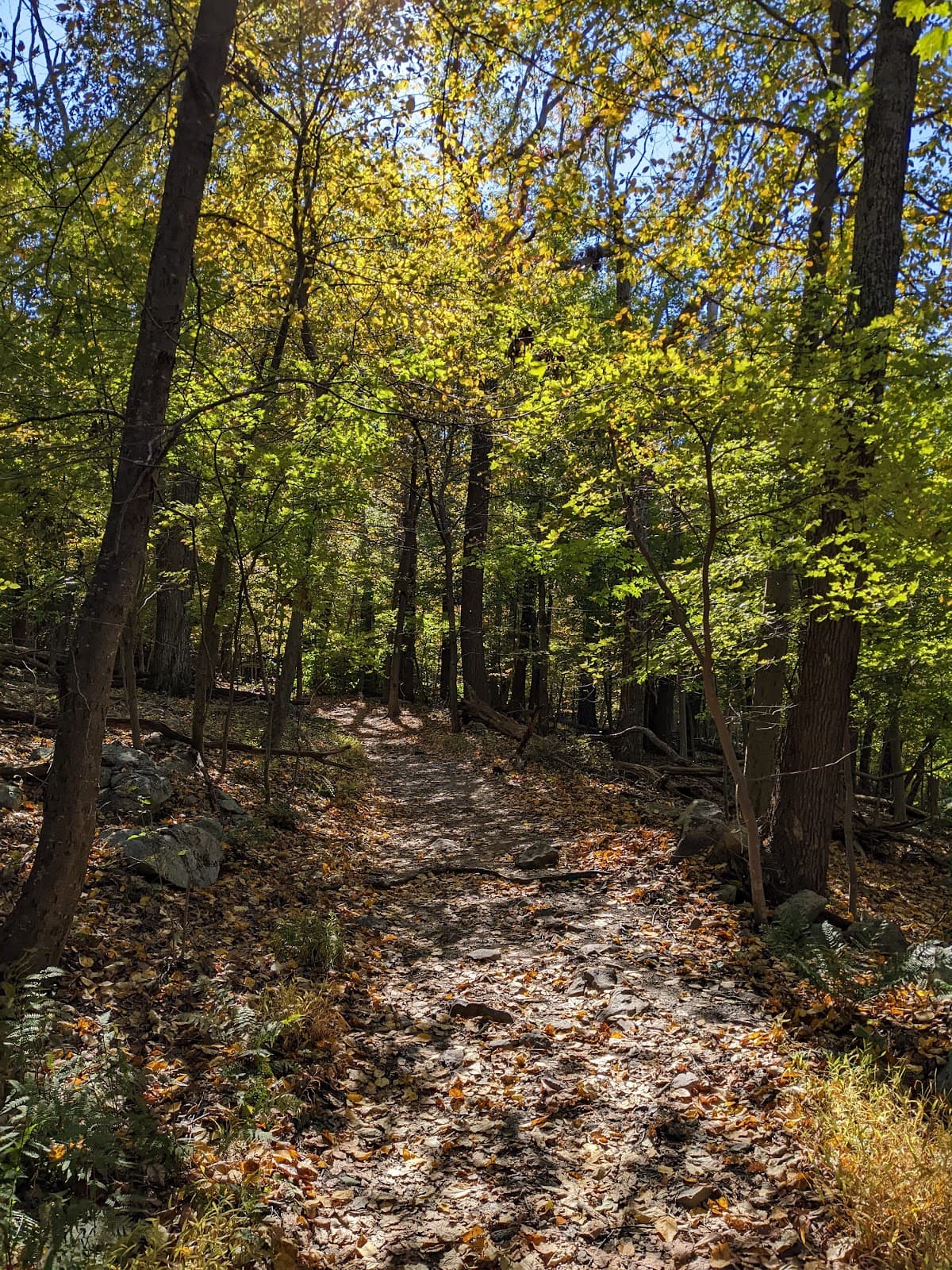
America's iconic footpath, the Appalachian Trail, spans over 2,190 miles through diverse landscapes, offering epic thru-hikes and accessible section adventures.
Thru-Hike Preparation is Key
Start with no experience? You can still do it! Focus on training, gear, and water filtering.
Embrace Shelter Life
Rainy days mean shelter time! Get to know fellow hikers; it's part of the AT experience.
Quick Facts
Highlights
Discover the most iconic attractions and experiences
Charlie's Bunion Overlook
Great Smoky Mountains National Park, Tennessee
Breathtaking panoramic views of the Appalachian Mountains. An 8-mile out-and-back hike with moderate difficulty.
Wildcat Ridge Steep Climb
New Hampshire White Mountains
Experience the AT's steepest mile, with over 1,000 feet of gain in just half a mile. A true test of endurance!
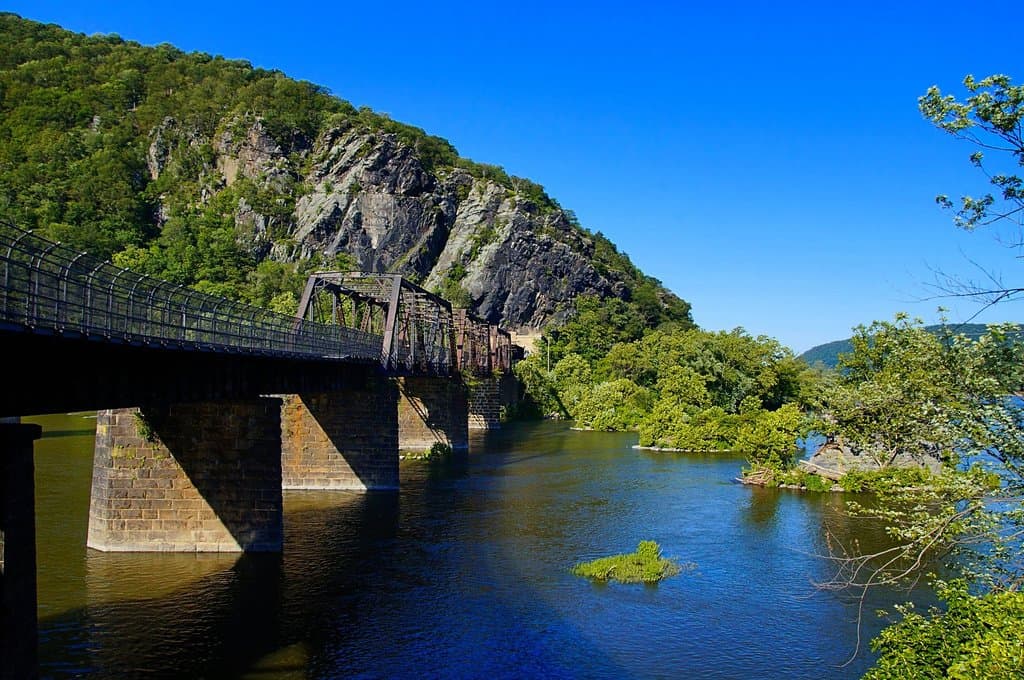
Harper's Ferry, WV
Maryland/West Virginia border
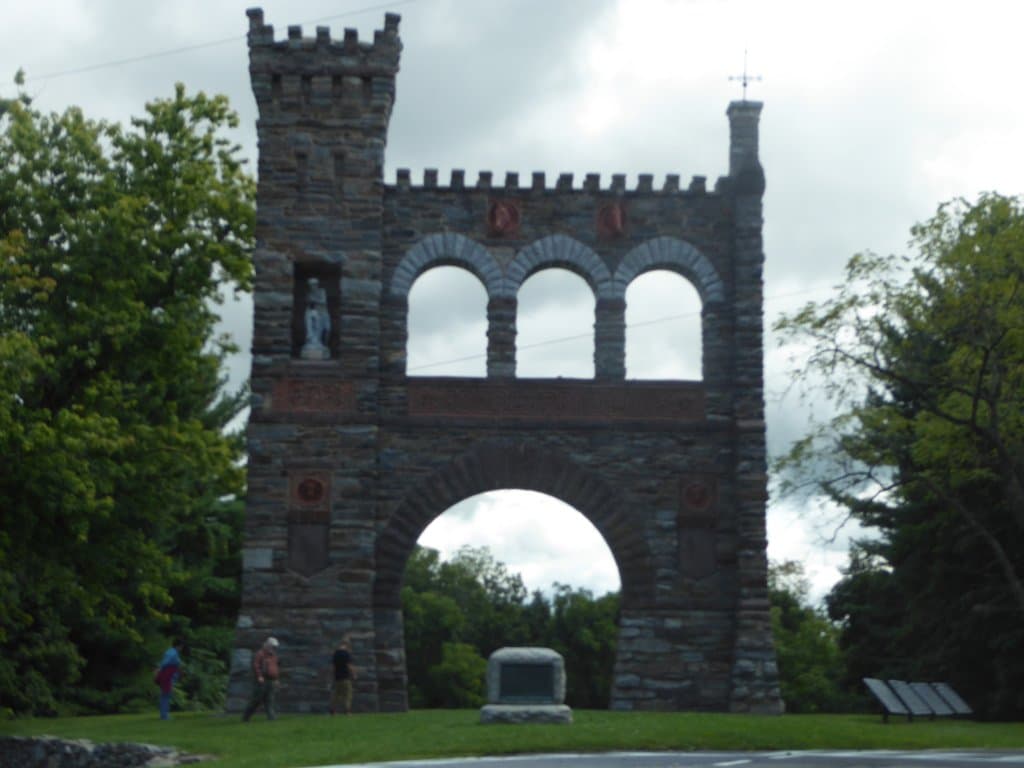
Historic town and the Appalachian Trail Conservancy headquarters. A popular starting or ending point for section hikes.
Plans like a pro.
Thinks like you
Planning Your Visit
Plan Your Thru-Hike Wisely
Section Hikes & Day Trips
Best Times
Insider Tips
from TikTok, Instagram & Reddit
Thru-Hike Preparation is Key
Start with no experience? You can still do it! Focus on training, gear, and water filtering.
Embrace Shelter Life
Rainy days mean shelter time! Get to know fellow hikers; it's part of the AT experience.
Yo-Yo Hikes are Intense
Hiking the AT in both directions is a rare feat, taking months and immense dedication.
Beware of Local Legends
Some hikers report eerie encounters and strange creatures. Stay aware of your surroundings!
Tips
from all over the internet
Thru-Hike Preparation is Key
Start with no experience? You can still do it! Focus on training, gear, and water filtering.
Embrace Shelter Life
Rainy days mean shelter time! Get to know fellow hikers; it's part of the AT experience.
Yo-Yo Hikes are Intense
Hiking the AT in both directions is a rare feat, taking months and immense dedication.
Beware of Local Legends
Some hikers report eerie encounters and strange creatures. Stay aware of your surroundings!
Check Maryland Weather
Early October offers fewer bugs and heat, but nights can get chilly. Pack layers!
What Travellers Say
Reviews Summary
The Appalachian Trail is lauded for its breathtaking scenery, challenging terrain, and the profound sense of accomplishment it offers. Hikers praise the camaraderie found in shelters and the opportunity for personal growth. However, the trail demands significant physical and mental fortitude, and unprepared hikers may struggle with its rigors and unpredictable weather.
What People Like
What People Dislike
Frequently Asked Questions
🚇 🗺️ Getting There
The AT spans 14 states, so access points vary widely. For thru-hikes, the most common start is Springer Mountain, Georgia, and the end is Mount Katahdin, Maine. Section hikers can find trailheads via local roads, often near towns like Harper's Ferry, WV, or trailheads in the Great Smoky Mountains National Park. Research specific access points for your desired section. +1
Public transportation directly to most AT trailheads is limited. You'll often need to arrange rideshares, shuttles, or use personal vehicles. Some larger towns near the trail, like Hot Springs, NC, may have limited bus services. Hitchhiking is a common method for thru-hikers to get between trail sections and towns.
The Maryland section of the AT is accessible from Harper's Ferry, WV, which is a historic town and a significant landmark on the trail. You can reach Harper's Ferry by car, and it's also served by Amtrak. From there, you can access the trail heading north towards PenMar Park.
Yes, many popular trailheads along the Appalachian Trail have designated parking areas. However, these can fill up quickly, especially during peak season. It's advisable to arrive early or consider alternative transportation if possible.
The AT is a long trail, so flying depends on your starting point. Major airports are located near larger cities that serve as gateways to different sections. For example, airports in Atlanta, GA, or Knoxville, TN, can be used for accessing the southern AT, while airports in New England serve the northern sections.
🎫 🎫 Tickets & Entry
Generally, no permit is required for hiking the Appalachian Trail itself. However, you may need permits for camping or parking in certain areas, especially within National Parks like the Great Smoky Mountains National Park. Always check regulations for the specific park or forest you'll be entering.
The Appalachian Trail itself is free to hike. However, if your hike takes you through National Parks or National Forests, you might encounter entrance fees or parking fees for those areas. For example, accessing trailheads within the Great Smoky Mountains National Park may require a parking tag.
The Appalachian Trail is open 24 hours a day, 365 days a year. However, access to trailheads might be restricted by weather conditions or seasonal road closures, particularly in mountainous regions during winter.
No, you cannot buy tickets for specific sections of the Appalachian Trail. It's a public footpath. Your 'entry' is simply reaching a trailhead. Planning and preparation are key, not purchasing tickets.
Yes, the Appalachian Trail Conservancy (ATC) headquarters in Harper's Ferry, WV, serves as a central visitor center. Many sections also have local visitor centers or ranger stations that can provide information about trail conditions and regulations.
🎫 🚶 Onsite Experience
The best time depends on your goals. For thru-hikers, March to September is typical for northbound (NOBO) hikes. Fall (September-October) offers cooler temperatures and fewer bugs for section hikers. Summer can be hot and buggy, while winter presents significant challenges.
The AT is known for its challenging terrain, with significant elevation changes and rugged paths. Thru-hiking requires immense physical and mental endurance. Section hikes vary in difficulty; some are strenuous, while others are more moderate. +1
You can encounter a variety of wildlife, including deer, black bears, squirrels, and numerous bird species. While most encounters are harmless, it's crucial to be bear-aware, store food properly, and maintain a safe distance. Some hikers have reported unusual sightings, adding to the trail's mystique.
Yes, the AT has a system of shelters (lean-tos) and designated campsites spaced roughly 8-12 miles apart. Shelters are first-come, first-served. Many hikers also opt for dispersed camping in appropriate areas, following Leave No Trace principles.
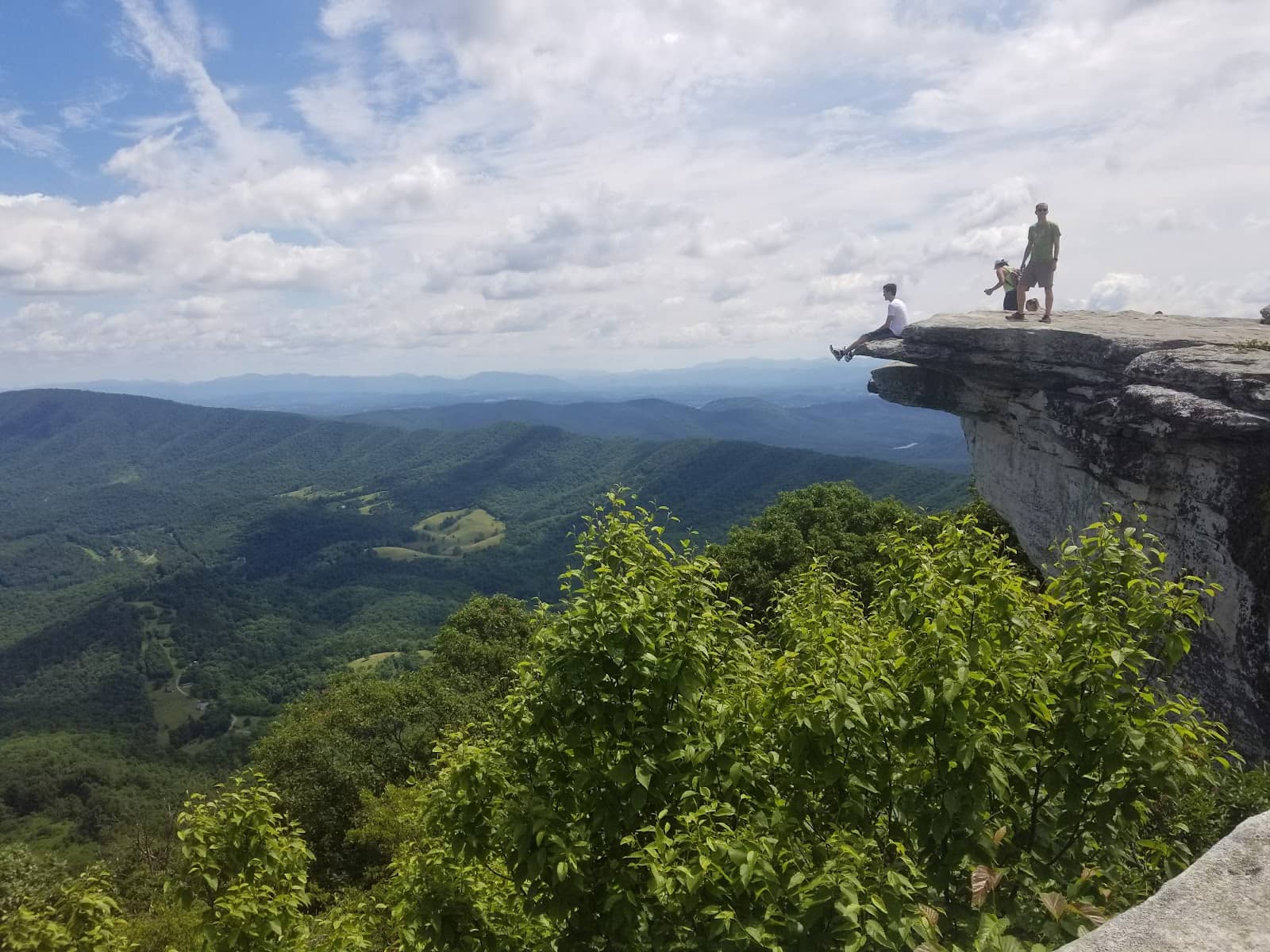
Popular sections include the Great Smoky Mountains (for views like Charlie's Bunion), Shenandoah National Park (for easier terrain and access), and the White Mountains of New Hampshire (for rugged beauty and challenges like Wildcat Ridge). Harper's Ferry, WV, is also a key landmark. +1
🍽️ 🍽️ Food & Dining
Resupply points are typically found in towns located near the trail. These can range from small general stores to larger supermarkets. Thru-hikers often mail themselves resupply boxes to post offices or outfitters along the route. Planning your resupply strategy is crucial for a successful hike.
Focus on lightweight, high-calorie, non-perishable foods. Popular choices include dehydrated meals, oatmeal, nuts, dried fruit, jerky, and energy bars. Aim for a balance of carbohydrates, protein, and fats to sustain your energy levels.
Yes, many trail towns offer restaurants, diners, and cafes where hikers can enjoy a hot meal and resupply. These stops are often a welcome break for thru-hikers. Some hostels and outfitters also provide meals.
Proper food storage is essential to protect your supplies from bears and other wildlife. Use bear-resistant canisters or bags, or hang your food bag from a tree using a bear bag system. Never store food in your tent.
Yes, water sources are generally available along the AT, but it's crucial to treat all water before drinking. Use a water filter, purification tablets, or boil water to remove harmful bacteria and protozoa.
📸 📸 Photography
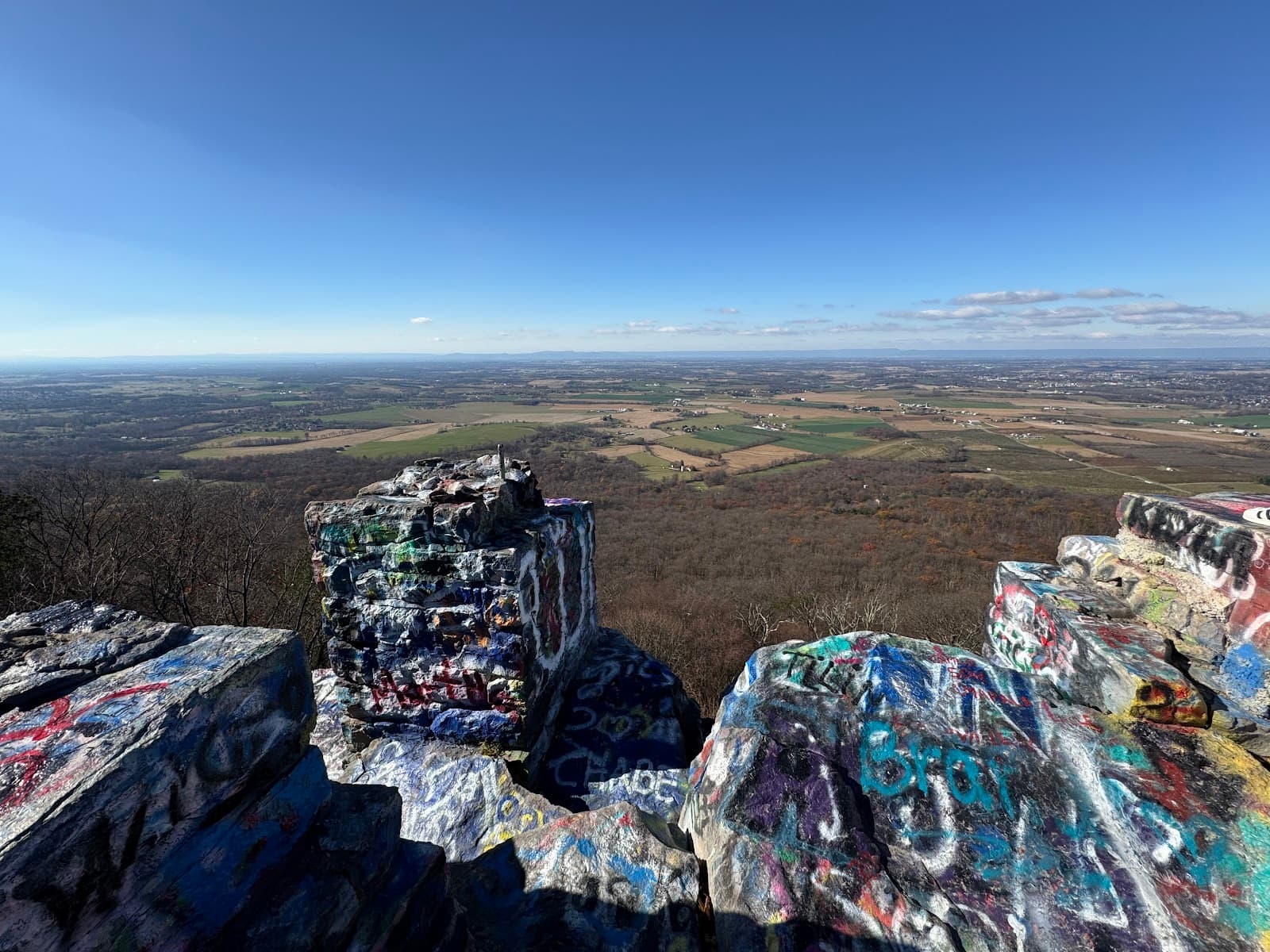
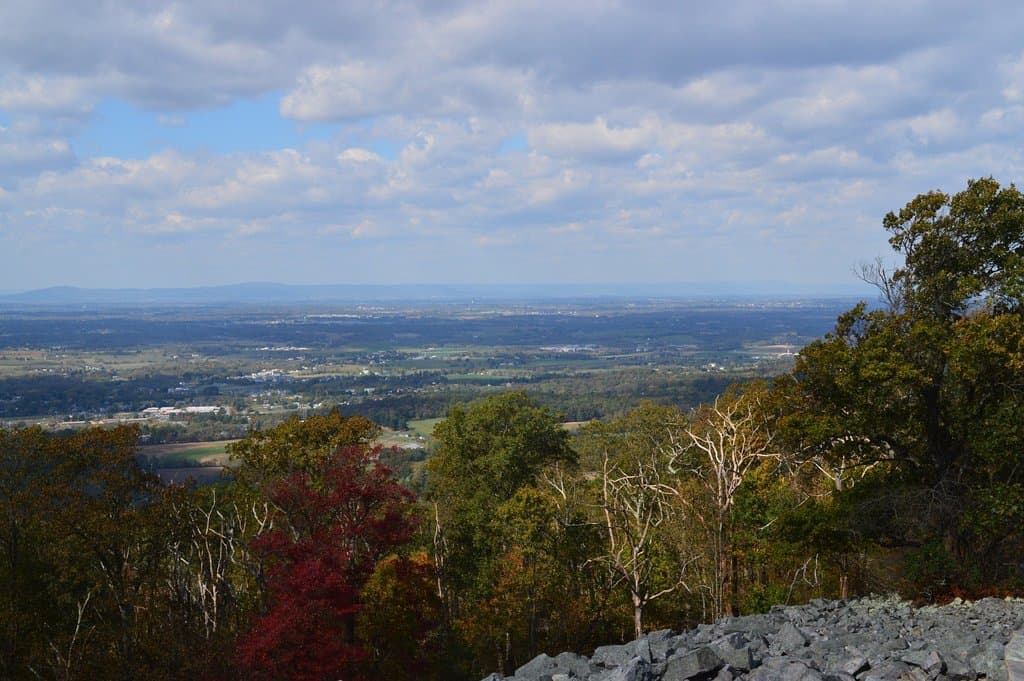
Iconic viewpoints include Charlie's Bunion in Tennessee for sweeping mountain vistas, and various overlooks in Shenandoah National Park. The Presidential Range in New Hampshire offers dramatic, rugged scenery. Many shelters also provide scenic surroundings.
For thru-hikers, lightweight gear is paramount. Many opt for smartphones with good cameras, compact mirrorless cameras, or lightweight DSLRs. Consider a portable charger or power bank to keep your devices charged.
Some hikers report eerie experiences and unusual sightings, leading to local legends. While not officially documented, these stories add a layer of intrigue for photographers seeking unique shots. Always be aware of your surroundings and safety.
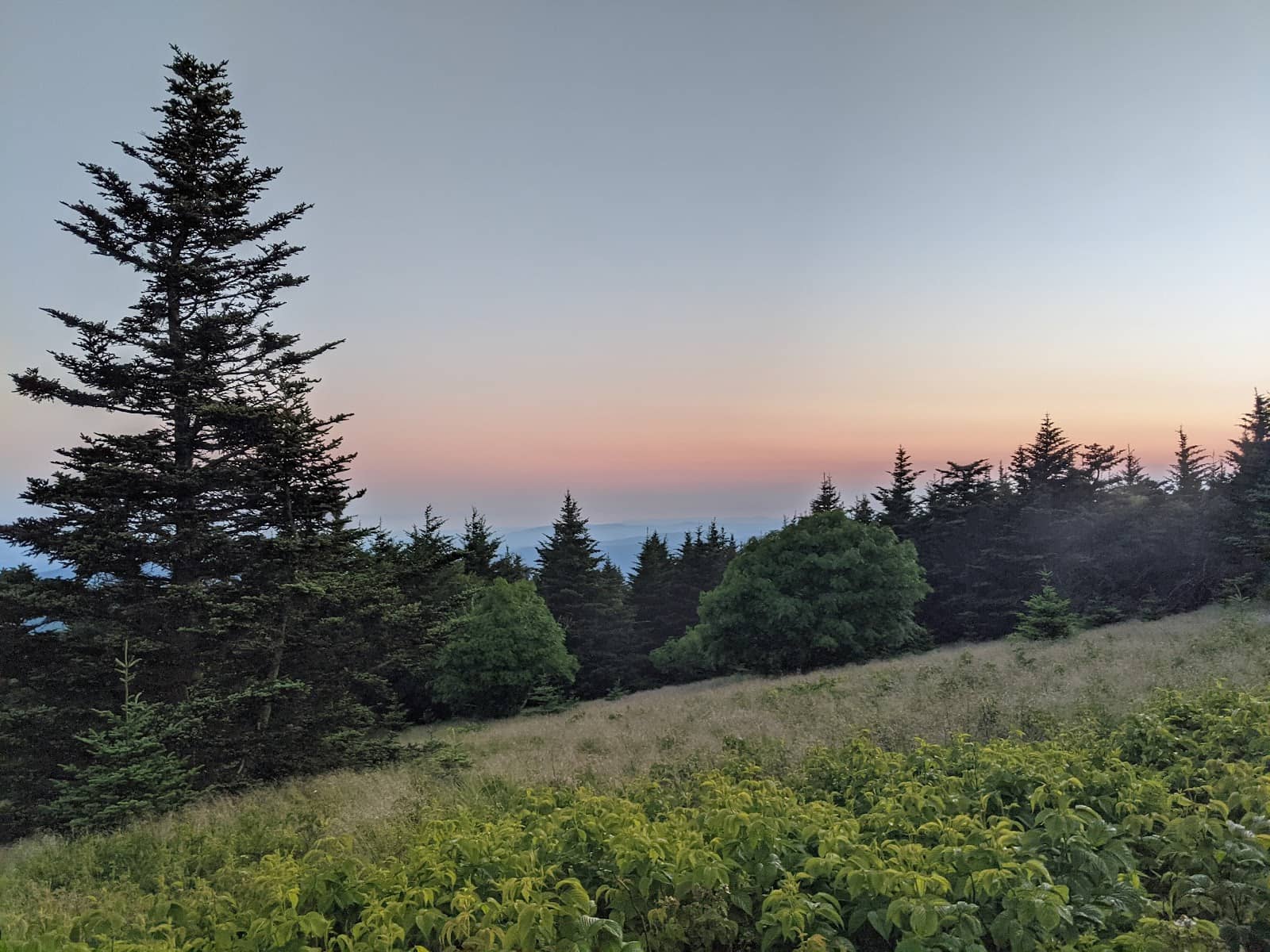
Sunrise and sunset (golden hours) offer the most dramatic and beautiful lighting for landscape photography. Midday sun can be harsh, but it's often the best time to capture clear views from overlooks. Foggy mornings can create a mystical atmosphere.
Use foreground elements to provide a sense of scale, such as a hiker in the distance or interesting rocks and trees. Wide-angle lenses are great for capturing expansive landscapes, while telephoto lenses can isolate distant peaks or wildlife.



Social
from TikTok, Instagram & Reddit