
LaSalle Street Auto Row Historic District
Explore Chicago's historic automotive hub, where grand early 20th-century buildings tell tales of a bygone era.
Highlights
Must-see attractions

Social
From TikTok & Reddit
Best Time
Quieter streets, better photos
LaSalle Street Auto Row Historic District
Best Time
Quieter streets, better photos
Highlights
Must-see attractions
Explore Chicago's historic automotive hub, where grand early 20th-century buildings tell tales of a bygone era.
"A fascinating glimpse into Chicago's automotive past, with beautifully preserved architecture."

🚶♀️ Walkable Exploration
Wear comfortable shoes! The best way to see the Auto Row is by strolling its streets and admiring the buildings.
📸 Capture the Details
Look up! Many architectural gems are in the upper floors. Bring your camera for unique shots.

Quick Facts
Rating
4 · 138 reviews
Type
Train Station
Highlights
Discover the most iconic attractions and experiences
Historic Architecture
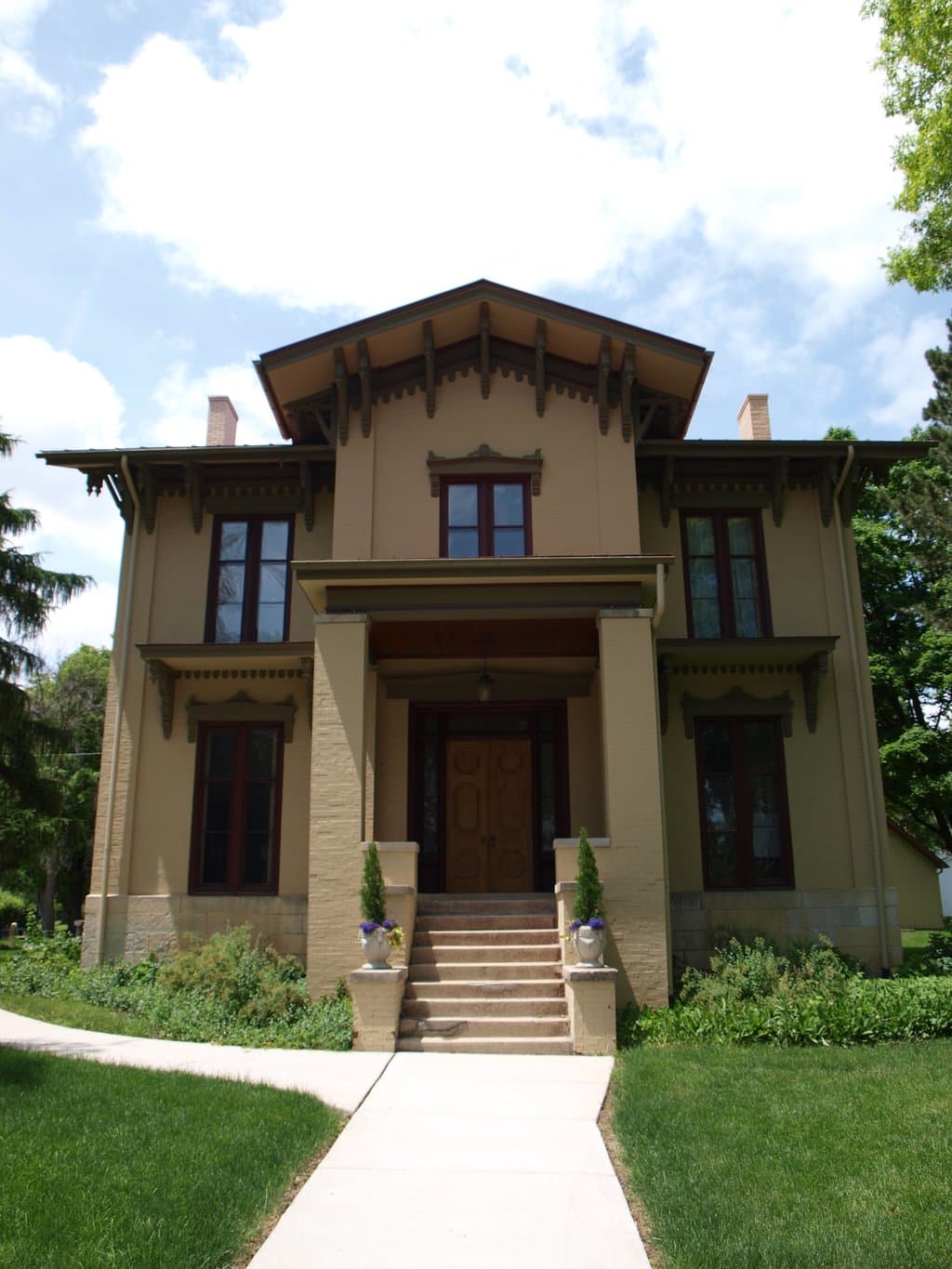
Admire the early 20th-century buildings that once housed iconic car dealerships and service centers.
Automotive Heritage
Imagine the roar of engines and the gleam of new cars in this hub of Chicago's early auto industry.

Local Businesses
Discover unique shops and eateries that have revitalized the historic structures.
Plans like a pro.
Thinks like you
Planning Your Visit
Understand the Vibe
Best Day for Exploration
Best Times
Insider Tips
from TikTok, Instagram & Reddit
Is it safe to walk around the loop at night?
I was feeling really good about my plan to take the red line back to my hotel on LaSalle after SOAD. UNTIL some guy who was walking near us circled around to walk behind us and followed us while walking back after dinner today. It was only about 2 blocks from our hotel, so it…
🚶♀️ Walkable Exploration
Wear comfortable shoes! The best way to see the Auto Row is by strolling its streets and admiring the buildings.
📸 Capture the Details
Look up! Many architectural gems are in the upper floors. Bring your camera for unique shots.
1st time spectator q: can you cross LaSalle?
Hi! My wife is running her first marathon and the place we rented is on W Superior which will make it easy to see her at mile 4. Can we cross LaSalle to see her again at mile 12? I looked through the spectator guide on the marathon website and searched here but I couldn’t find…
CTA Platform Question - LaSalle Street Station on the Blue Line
The LaSalle Street station on the Blue Line only has an entrance/exit on one end of its platform. That entrance/exit leads passengers out to [Ida B. Wells Drive between Clark and LaSalle Streets](https://www.google.com/maps/@41.8756832,-87.6317505,19.5z?entry=ttu). I was…
☕️ Support Local
Grab a coffee or lunch at a local spot to experience the revitalized spirit of the district.
12 hours in Chicago. First timer. Looking for a completely walkable itinerary of food and free/cheap things to see/do. Wednesday, April 9. Would love some suggestions?
My father gave me a $200 AA travel credit that expires next month. Figured it was a perfect opportunity to try something I've always wanted to try: Flying somewhere and back for a one day trip. The only city I could go to for that price that I either haven't been to already, or…
Tips
from all over the internet
🚶♀️ Walkable Exploration
Wear comfortable shoes! The best way to see the Auto Row is by strolling its streets and admiring the buildings.
📸 Capture the Details
Look up! Many architectural gems are in the upper floors. Bring your camera for unique shots.
☕️ Support Local
Grab a coffee or lunch at a local spot to experience the revitalized spirit of the district.
What Travellers Say
Reviews Summary
Visitors appreciate the historic architecture and the sense of stepping back in time. The district offers a unique glimpse into Chicago's automotive past, with many buildings well-preserved and repurposed. While some find it quiet, others enjoy the peaceful atmosphere and the opportunity to explore at their own pace.
"Clean restrooms and a clean waiting area with multiple seats outdoor/ indoors. Semi-frequent trains provide access to many stops including Tinley Park, Joliet, Blue Island, and more!"
MBTendai
"Was there on a Thursday night catching the last train back to Joliet, there was only about 5 other people there waiting. The place was filthy inside the station and especially outside where you board the trains. Three police officers showed up and started harassing this intoxicated man, after a few minutes they ran him off. I wonder how the man got where he was going that night because he didn't show up for the last train when it left. When I came through the station around 2pm. It was packed with people who were walking fast and rushing around to wherever they are headed."
Patrick Cappelli
"The North end and final stop of the “Rock Island” Metra line. Beautiful plaza, down and to the west of the station. They are professional and it’s known as the most reliable METRA line."
CherryBomb737
What People Like
What People Dislike
Frequently Asked Questions
🚇 🗺️ Getting There
The district is accessible via public transportation. Several CTA bus routes serve the area, and nearby 'Rock Island' Metra line stations offer connections from various suburbs. Driving is also an option, with street parking available, though it can be competitive during peak hours.
Street parking is available throughout the district, but it can be limited, especially on weekends. Some businesses may have dedicated parking, so it's worth checking if you plan to visit a specific establishment.
Absolutely! The district is best explored on foot. Comfortable walking shoes are recommended to fully appreciate the historic architecture and local businesses.
🎫 🎫 Tickets & Entry
No tickets are required to explore the historic district itself. It's an open public area. Individual businesses within the district will have their own admission policies if applicable.
The district is always accessible. However, individual shops, restaurants, and businesses will have their own operating hours, typically aligning with standard business hours.
📸 📸 Photography
Focus on the unique architectural details of the historic buildings, especially the facades and signage from the early 20th century. The streetscapes themselves offer great opportunities for capturing the district's ambiance.
Yes, personal photography is generally allowed. However, if you plan on commercial photography or videography, it's always best to check with local authorities or business owners beforehand.
🍽️ 🍽️ Food & Dining
The district features a growing number of local eateries and cafes. You can find everything from casual lunch spots to more established dining options, often housed within the beautifully restored historic buildings.
Expect a variety of cuisines reflecting the diverse culinary scene. Many establishments focus on local ingredients and offer a taste of contemporary Chicago dining.




Social
from TikTok, Instagram & Reddit