Minidoka National Historic Site
A poignant National Historic Site preserving the history of Japanese American internment during WWII.
Highlights
Must-see attractions

Social
From TikTok & Reddit
Best Time
Visitor center is open
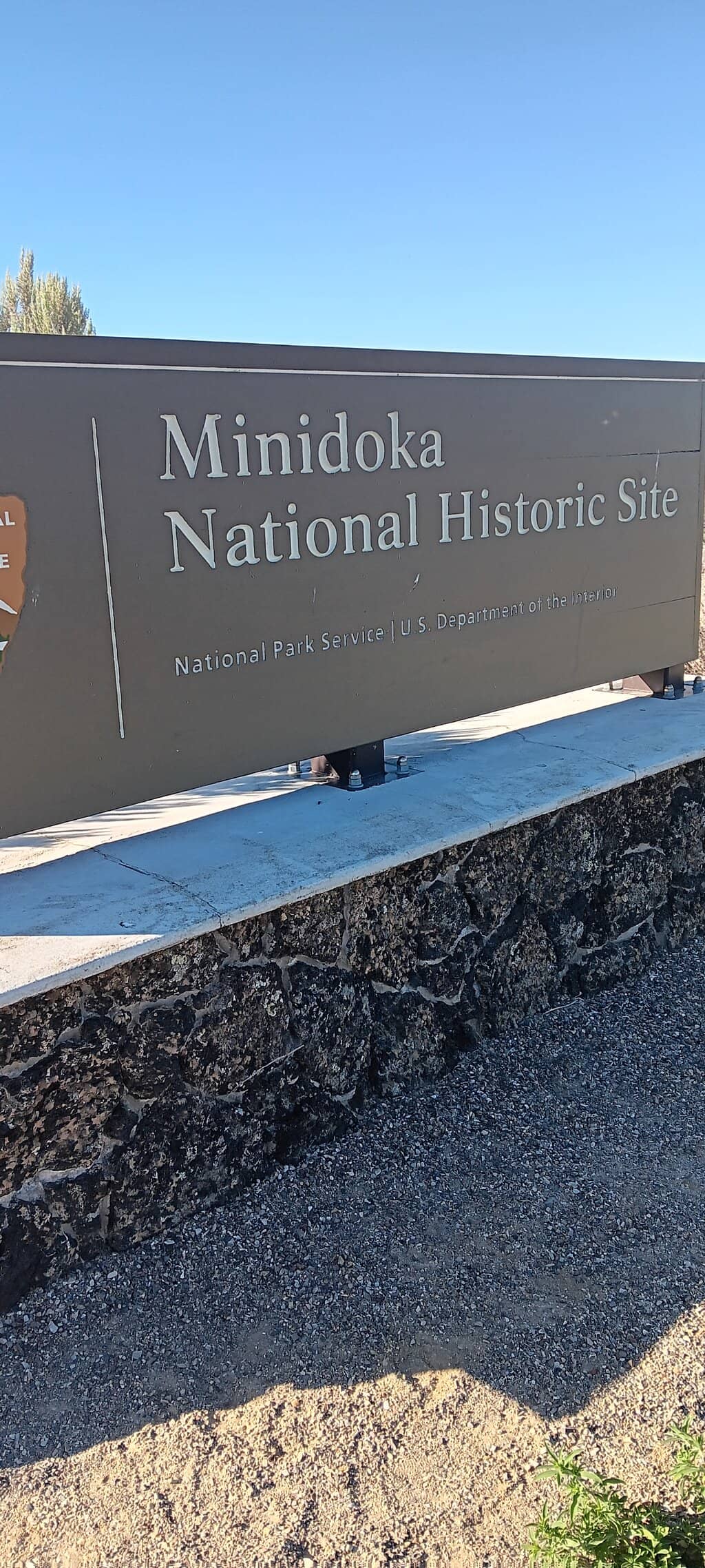
Minidoka National Historic Site
Best Time
Visitor center is open
Highlights
Must-see attractions
A poignant National Historic Site preserving the history of Japanese American internment during WWII.
"A small but important historical site that documents and preserves the facility used to house Japanese Americans."
Check Visitor Center Hours
The visitor center is often only open on weekends. Plan accordingly to access exhibits and information. 🎟️
Wear Comfortable Shoes
You'll be walking around the camp grounds to see foundations and reconstructions. :athletic_shoe:
Quick Facts
Hours
Rating
4.6 · 311 reviews
Type
National Park
Highlights
Discover the most iconic attractions and experiences
The Visitor Center
Main Entrance
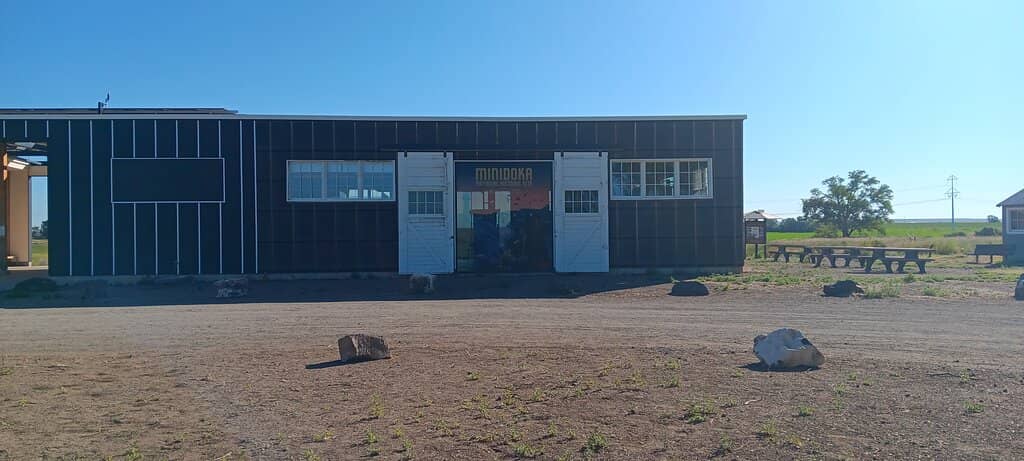
Learn about the history of Japanese American internment through exhibits and respectful presentations.
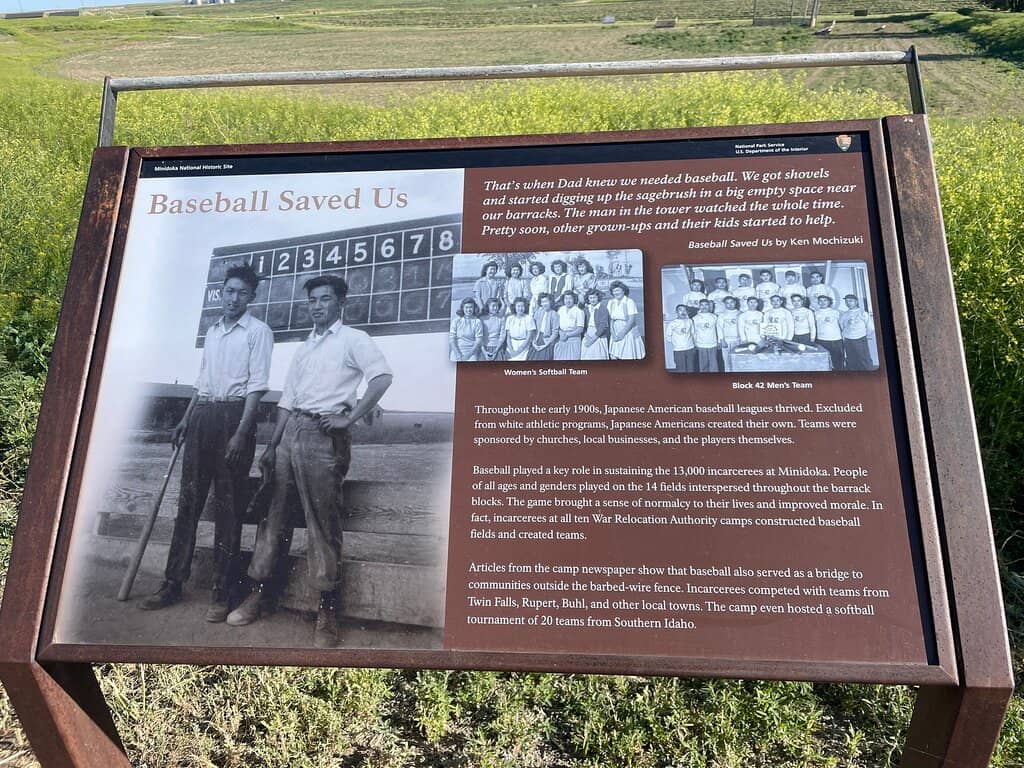
Camp Foundations
Camp Grounds
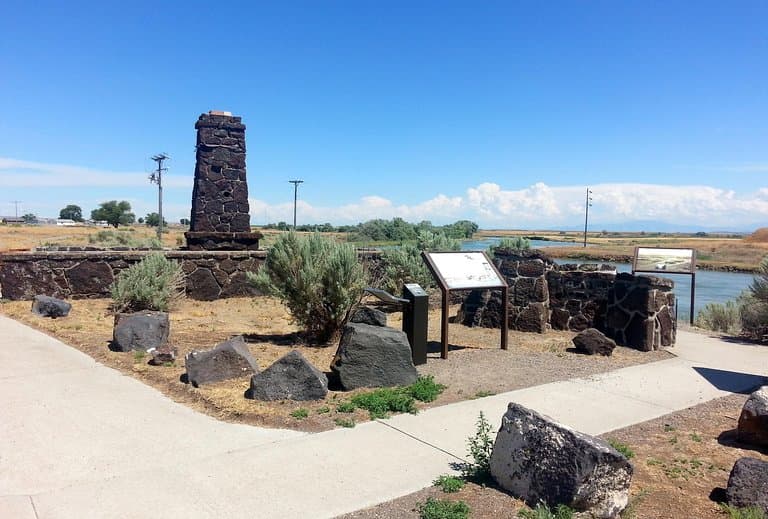
Walk among the preserved foundations of barracks and buildings, visualizing the scale of the former camp.
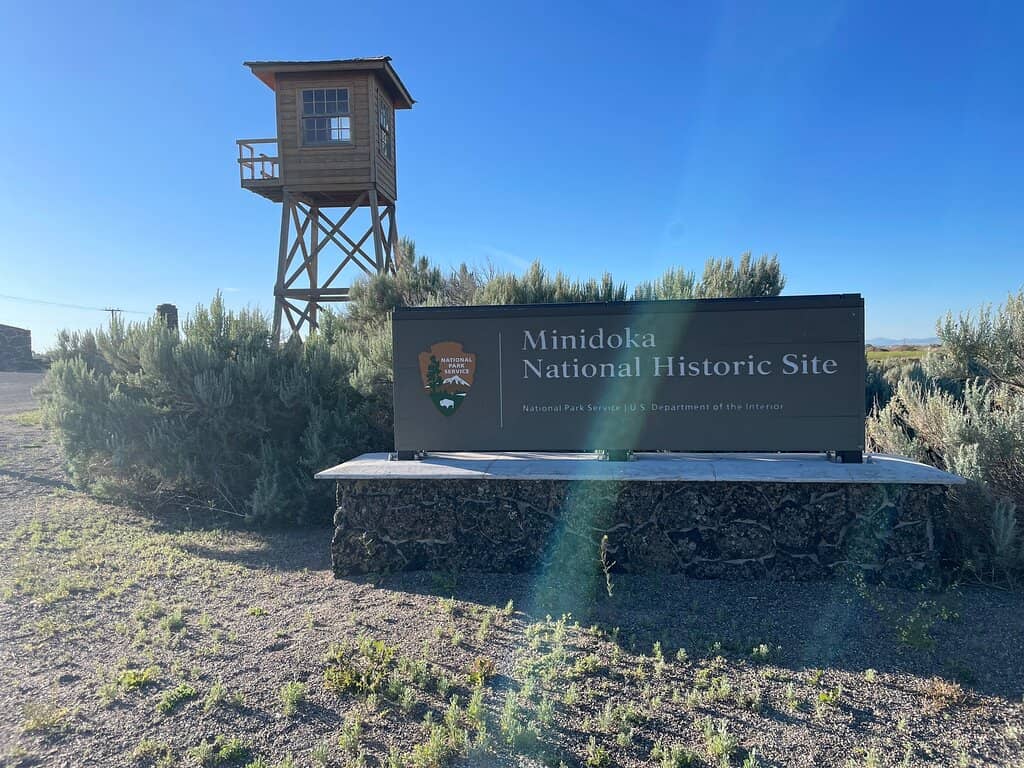
Reconstructed Fence & Guard Tower
Camp Perimeter
See a replica of the perimeter fence and a guard tower, offering a glimpse into the camp's security.
Plans like a pro.
Thinks like you
Planning Your Visit
Timing Your Visit
Understanding the History
Best Times
Insider Tips
from TikTok, Instagram & Reddit
Check Visitor Center Hours
The visitor center is often only open on weekends. Plan accordingly to access exhibits and information. 🎟️
Wear Comfortable Shoes
You'll be walking around the camp grounds to see foundations and reconstructions. :athletic_shoe:
Prepare for a Somber Visit
This site tells a difficult story of injustice and resilience. Be ready for an emotional experience.
Look for Wildlife
Visitors have spotted Lesser Spotted Owls and other wildlife on the grounds. 🐦
Tips
from all over the internet
Check Visitor Center Hours
The visitor center is often only open on weekends. Plan accordingly to access exhibits and information. 🎟️
Wear Comfortable Shoes
You'll be walking around the camp grounds to see foundations and reconstructions. :athletic_shoe:
Prepare for a Somber Visit
This site tells a difficult story of injustice and resilience. Be ready for an emotional experience.
Look for Wildlife
Visitors have spotted Lesser Spotted Owls and other wildlife on the grounds. 🐦
What Travellers Say
Reviews Summary
Visitors find Minidoka National Historic Site to be a powerful and important place for understanding a difficult chapter of American history. While the visitor center's hours can be limited and the site is still developing, the preserved foundations and interpretive signs offer a poignant glimpse into the lives of Japanese Americans during WWII internment. Many appreciate the efforts to preserve this history and the resilience of the people who were incarcerated here. +1
"National parks tell a powerful history to humanity. This is a great way to recognize trials that humanity goes through. As of Summer 2024, The visitor center is only open on the weekends and it's pretty sparse but that too is part of the story."
Joshua Rutherford
"We visited in winter so the visitor center was closed. Regardless there was a lot to see and learn about Japanese internment during WW2. There's a few walking trails, perhaps a couple miles. We also saw a pair of Lesser Spotted Owls perched in a tree!"
Kevin Cameron
"Off the beaten path, it's a small but important historical site that documents and preserves the facility used to house Japanese Americans following the attack on Pearl Harbor. While there are very few elements of the internment camp left, those that are there are preserved very well and give you an idea just how large this facility was - the 7th largest population in Idaho at its peak. Take the time to visit this monument. A new Visitors Center is under construction."
Robert Kokrda
What People Like
What People Dislike
Frequently Asked Questions
🚇 🗺️ Getting There
Minidoka National Historic Site is located in Jerome, Idaho. It's accessible by car, typically off I-84. The site is somewhat off the beaten path, so using GPS is recommended.
While it's a significant historical location, it's described as being 'off the beaten path.' Ensure you have reliable navigation.
Historically, services have been limited, especially when the visitor center is closed. It's best to come prepared with water and snacks.
🎫 🎫 Tickets & Entry
As a National Historic Site, Minidoka typically does not have an entrance fee. However, it's always a good idea to check the official NPS website for any updates.
The visitor center hours can be limited, often only open on weekends. The grounds are generally accessible during daylight hours. Always verify current hours before your visit.
While the grounds are usually accessible, the visitor center, which houses exhibits, may have limited weekday hours or be closed. Check the official website for the most accurate information.
Yes, a new visitor center is under construction, which is expected to enhance the visitor experience and provide more comprehensive information about the site's history.
🎫 🧭 Onsite Experience
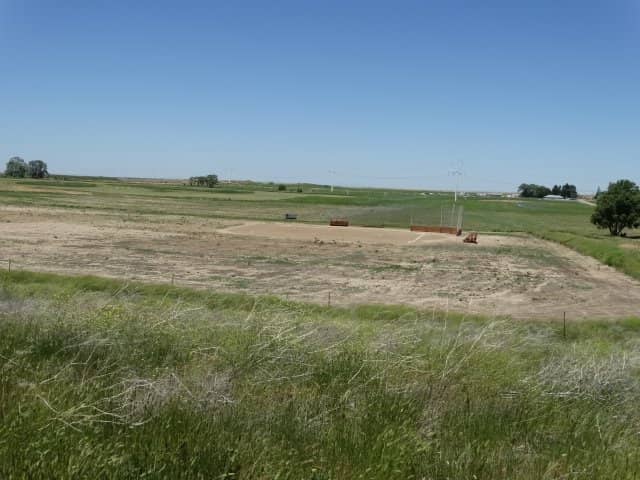
You can explore the preserved foundations of barracks, see a reconstructed fence and guard tower, and walk along a baseball field. Informative signs provide context about life in the camp.
A visit can take anywhere from 1-2 hours to explore the grounds and visitor center, depending on your interest level and the time spent reading the interpretive signs.
While not always consistently available, some visitors have mentioned having wonderful experiences with knowledgeable guides who provided great insight into the camp's history.
The site offers a powerful historical lesson. While it can be somber, it's an important place for education. Consider the age and sensitivity of children when planning your visit.
Photography is generally permitted at National Historic Sites. However, always be respectful of the historical significance and any specific guidelines posted.
🍽️ 🍽️ Food & Dining
Dining options are limited directly at the site. Nearby towns like Jerome or Twin Falls will have more restaurant choices.
Picnicking is usually allowed at National Parks and Historic Sites. It's a good idea to bring your own food and drinks, as on-site concessions are unlikely.
📸 📸 Photography
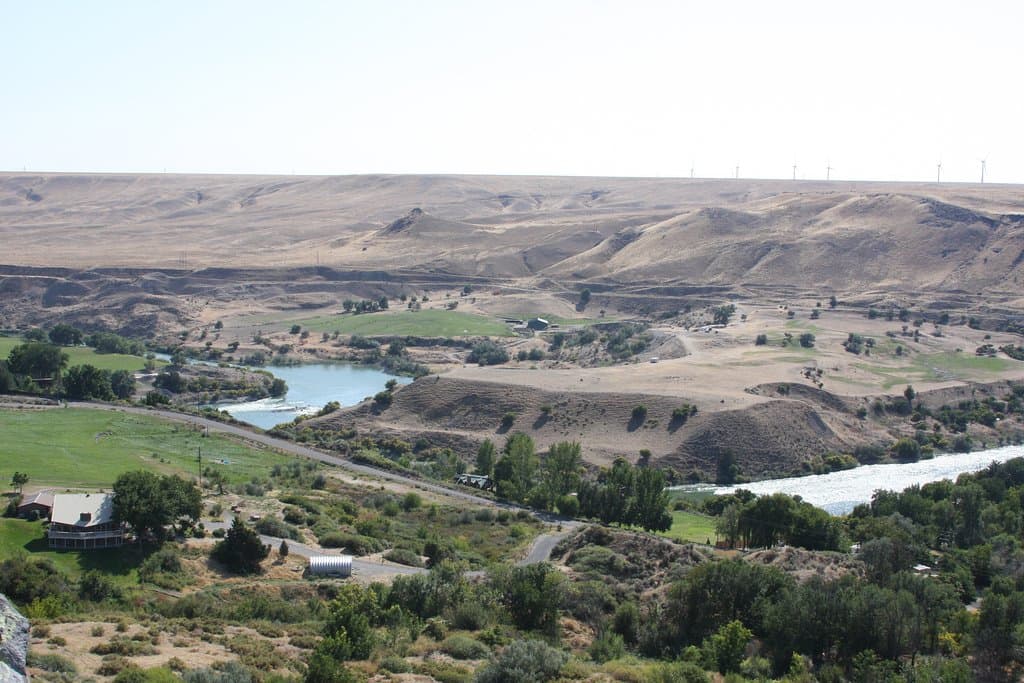
Capture the stark beauty of the camp foundations against the Idaho landscape, the reconstructed fence and guard tower, and any interpretive signage that tells a compelling story.
While generally allowed, always be mindful and respectful of the solemn nature of the site. Avoid intrusive photography, especially if there are any memorial events.
Consider landscape photography to capture the vastness of the site, and detail shots of the remaining structures or interpretive panels to convey the historical context.



Social
from TikTok, Instagram & Reddit